
Last Updated on July 31, 2026 by Daniel Globe
Major airlines connect large cities, regions, and countries through extensive scheduled flight networks. They carry passengers and cargo, support tourism and trade, and often coordinate flights through hubs, partner airlines, and global alliances. However, the label “major airline” does not mean exactly the same thing in every country, and size alone does not guarantee the best fare, service, or travel experience.
Quick Answer
Major airlines are large scheduled carriers with substantial revenue, fleets, passenger traffic, route networks, or market influence. Many operate hub-and-spoke systems, multiple cabin classes, loyalty programs, and alliance partnerships. The best airline for a traveler still depends on route, total price, schedule, aircraft, baggage rules, reliability, and service during disruptions.
Key Takeaways
- There is no single worldwide definition of a major airline; regulators and industry analysts may classify airlines by revenue, traffic, fleet, or network size.
- Major network airlines usually connect passengers through hubs, while low-cost and hybrid carriers may rely more heavily on point-to-point flying.
- Wi-Fi, meals, seat comfort, lounges, and premium cabins vary by aircraft, route, fare, and operating carrier.
- Safety depends on regulatory oversight, operational controls, maintenance, training, and risk management—not whether an airline is marketed as “major” or “budget.”
- Travelers should compare the full trip, including schedule, stops, baggage, seat selection, change rules, reliability, and disruption support.
Global passenger demand increased 5.3% in 2025, while the industry-wide passenger load factor reached a record 83.6%, according to the International Air Transport Association.
Disclosure: As an Amazon Associate I earn from qualifying purchases. Some links on this page are affiliate links, at no extra cost to you.
What Makes an Airline a Major Airline?
“Major airline” is a broad industry label rather than one universal legal category. In everyday travel writing, it usually describes a carrier with a large fleet, substantial passenger volume, high revenue, an extensive route network, strong brand recognition, or an important role in a national or regional market.
Definitions can be more specific in regulatory data. For example, the U.S. Bureau of Transportation Statistics classifies a major carrier as one with more than $1 billion in annual operating revenue. That U.S. threshold should not be treated as a worldwide definition.
Common Characteristics of Major Airlines
- Scheduled service: Flights operate according to a published timetable rather than only as private charters.
- Large network: The airline serves numerous domestic or international destinations, directly or through partners.
- Fleet scale: The carrier operates enough aircraft to support frequent service across multiple markets.
- Hub presence: Many major network airlines concentrate flights at one or more connecting airports.
- Multiple products: Offerings may include economy, premium economy, business, first class, cargo, lounges, and loyalty benefits.
- Market influence: The airline may shape pricing, schedules, airport capacity, alliance networks, and travel standards in its region.
Note: A flag carrier is an airline closely associated with a country, but it is not necessarily government-owned or the largest airline in that market. Likewise, a low-cost carrier can be a major airline if it has substantial revenue, traffic, or market reach.
History and Evolution of Major Airlines
The history of major airlines reflects the broader development of commercial aviation. The St. Petersburg–Tampa Airboat Line began scheduled passenger service across Tampa Bay on January 1, 1914. The operation lasted only a few months, but it is widely recognized as the first scheduled passenger airline service.
Commercial aviation expanded gradually during the following decades. Aircraft became larger, safer, and more capable, while governments developed air-navigation systems, airport infrastructure, operating rules, and international agreements. After World War II, rising incomes and improved aircraft helped turn air travel from a specialized service into mass transportation.
Pan American World Airways and Trans World Airlines became symbols of international travel during the mid-20th century. The introduction of jet airliners in the 1950s and 1960s sharply reduced journey times and made long-distance flying more practical. Wide-body aircraft later enabled airlines to carry more passengers on high-demand intercontinental routes.
Regulatory change also reshaped the business. In the United States, the Airline Deregulation Act was signed on October 24, 1978. It reduced federal control over fares and routes, encouraged new competition, and accelerated the development of modern hub networks and low-cost carriers.
Major Airlines by Region and Business Model
Major airlines operate in every world region, but their business models differ. The examples below are not rankings, and airline size can change depending on whether it is measured by revenue, passengers, fleet, available seat capacity, or distance flown.
| Region | Examples of Large or Influential Airlines | Typical Strengths |
| North America | American Airlines, Delta Air Lines, United Airlines, Southwest Airlines, Air Canada | Large domestic networks, major hubs, business travel, and transatlantic or transpacific connectivity |
| Europe | Lufthansa, British Airways, Air France, KLM, Ryanair, Turkish Airlines | Dense short-haul markets, global hubs, alliance connectivity, and strong low-cost competition |
| Middle East | Emirates, Qatar Airways, Etihad Airways, Saudia | Long-haul connecting hubs, premium cabins, and one-stop links between continents |
| Asia-Pacific | Singapore Airlines, ANA, Japan Airlines, Cathay Pacific, Qantas, Air India | Long-haul networks, major regional markets, premium service, and extensive partner connections |
| Latin America | LATAM Airlines, Avianca, Aeromexico, Copa Airlines | Regional hub connections and links to North America, Europe, and other parts of Latin America |
| Africa | Ethiopian Airlines, EgyptAir, Royal Air Maroc, Kenya Airways | Regional connectivity and long-haul links through strategically located hubs |
Network, Low-Cost, and Hybrid Carriers
Traditional network airlines usually offer connecting itineraries, multiple cabins, airport lounges, cargo operations, and corporate travel products. Low-cost carriers simplify the product and may charge separately for bags, seat selection, food, or flexibility. Hybrid airlines combine features of both models. These categories are not measures of safety or quality; they describe how an airline designs and sells its service.
Fleet and Route Networks of Major Airlines
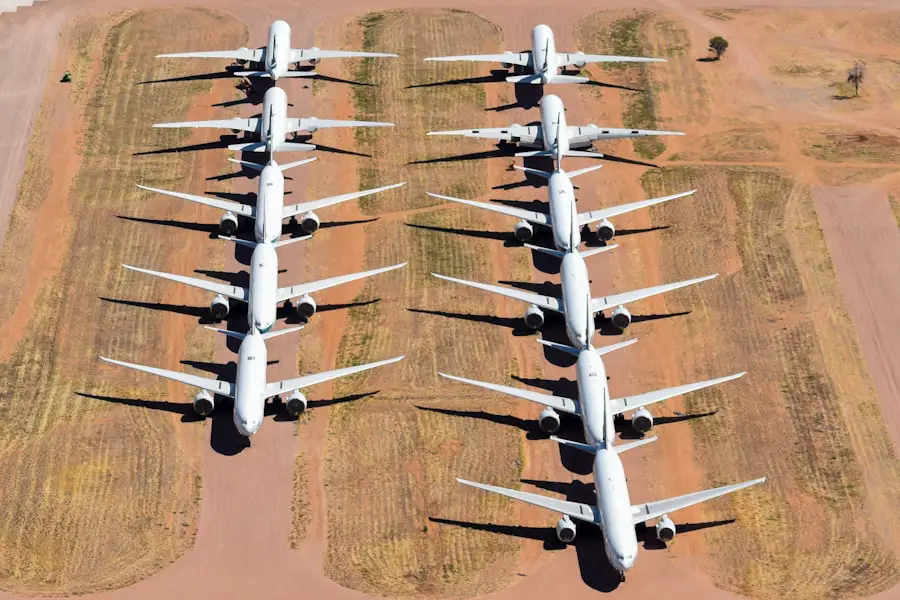
Fleet composition and route design determine where an airline can fly, how often it can operate, and what cabin products it can offer. Major airlines commonly use narrow-body aircraft for short- and medium-haul routes and wide-body aircraft for longer routes or markets with high passenger and cargo demand.
For example, Boeing 737 and Airbus A320-family aircraft are widely used on domestic and regional routes. Boeing 777, Boeing 787, Airbus A330, and Airbus A350 aircraft commonly serve long-haul markets. Actual assignments change for maintenance, demand, season, and operational reasons, so travelers should check the aircraft shown for their flight while recognizing that substitutions can occur.
Hub-and-Spoke Networks
Many large network airlines use a hub-and-spoke model. Flights from smaller cities arrive at a hub in coordinated banks, allowing passengers to connect to many onward destinations. United Airlines, for example, uses Chicago O’Hare as one of several hubs. American Airlines and Delta Air Lines also operate multiple hubs across the United States.
This model expands destination choices, but it can add connection time and expose an itinerary to disruption at the hub. Point-to-point networks may offer more nonstop flying between selected cities, though they can provide fewer connection options when a flight is canceled.
Airline Alliances and Codeshares
The three largest global airline alliances are Star Alliance, oneworld, and SkyTeam. Alliance and codeshare partnerships can extend an airline’s reach, coordinate schedules, and provide reciprocal mileage or lounge benefits.
Pro Tip: Check the “operated by” line before booking. The airline that sells the ticket may not operate every flight, and the operating carrier controls the aircraft, onboard service, many seat features, and some baggage or check-in procedures.
Services and Amenities Offered by Major Airlines
| Airline | Typical Onboard Services | Selected Amenities |
| Delta Air Lines | Wi-Fi on equipped aircraft, free entertainment, and food or drinks that vary by route and cabin | Extra-legroom seating options and Sky Club lounges for eligible customers |
| American Airlines | Wi-Fi on equipped aircraft, free streaming or seatback entertainment on many flights, and route-dependent food service | Main Cabin Extra, priority services, Admirals Club, and Flagship lounge access for eligible travelers |
| United Airlines | Wi-Fi on most flights, seatback or personal-device entertainment on many aircraft, and cabin- or route-dependent dining | Economy Plus seating and United Club or Polaris lounge access for eligible customers |
Services and amenities influence passenger satisfaction, but broad airline-level descriptions can be misleading. A carrier may operate several aircraft types with different seat widths, power outlets, entertainment systems, and Wi-Fi providers. Meals may be complimentary on one route, available for purchase on another, and unavailable on a short flight.
Singapore Airlines is widely associated with attentive service and premium dining, while many other global airlines also invest in cabin design, entertainment, connectivity, and crew training. The useful comparison is the specific flight and fare—not only the airline’s overall reputation.
Note: Airline websites usually describe the intended product, but aircraft swaps can change the seat or amenity delivered. Recheck the seat map and aircraft type before departure, especially when paying extra for a premium seat.
Safety and Security Measures of Major Airlines
Major airlines operate under the aviation rules of the countries that certify and oversee them. In the United States, the Federal Aviation Administration regulates civil aviation safety. In the European Union, the European Union Aviation Safety Agency develops common safety rules and certification standards, while national authorities also have oversight responsibilities.
Airlines must maintain aircraft, train crews, manage fatigue and operational risk, follow dispatch and flight-planning requirements, and report safety events under applicable rules. Airport and government agencies oversee passenger and baggage screening, border controls, and other security functions, while airlines manage their own operational and onboard security procedures.
The IATA Operational Safety Audit is an internationally recognized system for assessing an airline’s operational management and control systems. IOSA participation can be a useful data point, but it is not a guarantee that an airline will never have an accident.
IATA recorded 51 accidents among 38.7 million flights in 2025, an all-accident rate of 1.32 per million flights. The statistic describes the industry overall and should not be used as a stand-alone rating for a specific airline.
How Travelers Can Evaluate Airline Safety Information
- Check whether the airline is licensed by a recognized national aviation authority.
- Review official regulator restrictions, bans, or enforcement information rather than relying only on social-media rankings.
- Look for transparent safety reporting, recognized audit participation, and a clear operating history.
- Remember that the operating carrier matters on codeshare itineraries.
- Avoid treating aircraft age alone as a safety score; maintenance and operational control are more important than the date an aircraft was built.
Warning: A viral “safest airlines” list may use undisclosed or inconsistent methods. Use regulator records and recognized industry data, and do not assume that a higher ticket price or premium cabin makes one flight safer than another.
Environmental Initiatives and Sustainability Efforts of Major Airlines
Fleet Modernization and Fuel-Efficient Aircraft
Many major airlines are replacing older aircraft with newer designs that use advanced engines, aerodynamics, and lightweight materials. Boeing states that the 787 Dreamliner can reduce fuel use by about 25% compared with the aircraft it typically replaces. Airbus states that the A350 can reduce fuel burn and carbon dioxide emissions by about 25% compared with previous-generation aircraft.
These are manufacturer comparisons, not a promise that every flight will use 25% less fuel. Actual performance depends on the aircraft replaced, seat configuration, payload, route, weather, air-traffic constraints, and operating practices.
Sustainable Aviation Fuel, CORSIA, and Carbon Programs
Airlines and governments are working to expand sustainable aviation fuel, often called SAF. Depending on its feedstock and production pathway, SAF can reduce life-cycle greenhouse-gas emissions compared with conventional jet fuel, but supplies remain limited and costs are generally higher.
The International Civil Aviation Organization’s Carbon Offsetting and Reduction Scheme for International Aviation, or CORSIA, combines eligible emissions units with in-sector measures such as technology, operational improvements, and eligible fuels. Carbon offsets differ in quality, permanence, verification, and additionality, so a purchase labeled “offset” should not be treated as physically eliminating the emissions from a particular flight.
Net-Zero Commitments and Consumer Demand
ICAO member states have adopted a long-term aspirational goal of net-zero carbon emissions from international aviation by 2050. Airlines may also publish their own targets. These commitments depend on future SAF supply, aircraft and engine technology, operational improvements, infrastructure, policy, and credible emissions accounting.
Growing demand for lower-impact travel is pushing airlines to publish sustainability reports and offer optional contributions. Travelers should compare the methodology behind environmental claims instead of relying only on labels such as “green flight” or “carbon neutral.”
Business and First Class Experiences with Major Airlines
Business and first-class products can provide more space, priority airport services, lounge access, upgraded dining, and enhanced bedding or amenities. On many long-haul aircraft, business-class seats convert into fully flat beds. On shorter routes or older aircraft, a business- or first-class ticket may provide only a wider recliner seat with additional legroom.
Airlines such as Emirates and Qatar Airways are known for premium products, but the details must be stated accurately. Emirates offers private suites and Shower Spas in First Class on its Airbus A380. Qatar Airways’ Qsuite is a Business Class product available only on selected aircraft and routes; it can include closing doors, double-bed configurations for some adjoining seats, and flexible spaces for groups.
Premium dining may include multi-course meals, curated wine lists, dine-on-demand service, and upgraded tableware. Entertainment systems often provide larger screens and noise-reducing headphones. However, menus, lounges, seat types, and amenities can change by airport, aircraft, route, and departure time.
Pro Tip: Before paying for a premium cabin, search the exact flight number and aircraft type, then review the airline’s seat map. The same cabin name can describe very different seats across a carrier’s fleet.
Loyalty Programs and Frequent Flyer Benefits of Major Airlines
Loyalty programs reward travelers for eligible flights and partner activity. Members may earn redeemable miles or points, elite-qualifying credit, or both. Delta SkyMiles, American Airlines AAdvantage, and United MileagePlus are examples of large U.S. programs, while other major airlines operate their own programs or use shared currencies such as Avios.
Common benefits include priority check-in and boarding, preferred seats, extra baggage, lounge access, upgrade eligibility, and better support during disruptions. The exact benefit depends on status level, fare, operating airline, route, and alliance rules.
How Airline Miles Are Earned and Redeemed
- Flights: Earnings may be based on ticket price, distance, fare class, or a combination.
- Credit cards: Co-branded cards may earn miles and provide baggage, boarding, lounge, or award-booking benefits.
- Partners: Hotels, rental cars, shopping portals, dining programs, and financial partners may award additional points.
- Redemptions: Miles may be used for flights, upgrades, partner awards, or non-flight products, though value can vary widely.
Programs can change award prices, expiration rules, partner access, elite requirements, and fees. Taxes and carrier-imposed surcharges may still apply to an award ticket.
Pro Tip: Start with the airline or alliance that serves your home airport and common destinations. A theoretically valuable program is less useful when its flights and partners do not match your real travel patterns.
How to Compare Major Airlines Before Booking
The lowest advertised fare is not always the lowest total trip cost. Compare the complete itinerary and the specific product you will receive.
- Route and schedule: A nonstop flight may be worth more than a cheaper itinerary with a risky or lengthy connection.
- Total price: Add checked bags, carry-on restrictions, seat selection, meals, Wi-Fi, and change or cancellation costs.
- Operating carrier: Confirm which airline operates each segment of a codeshare itinerary.
- Aircraft and seat: Review the seat map, legroom, recline, power, entertainment, and whether a premium seat is truly lie-flat.
- Reliability: In the United States, the Air Travel Consumer Report provides data on delays, baggage, oversales, complaints, and other service measures.
- Disruption support: Compare rebooking, hotel, meal, and refund policies for cancellations and long delays.
- Accessibility and family needs: Review wheelchair handling, special-assistance procedures, family seating, unaccompanied-minor rules, and medical-device policies.
- Loyalty value: Consider alliance benefits, lounge access, upgrade chances, and whether the trip helps with status goals.
Once the flight is selected, practical packing tools can make the trip easier. Packing cubes can help organize clothing and small items; this guide to five packing-cube options provides examples. A portable white-noise machine may also help light sleepers, although travelers should follow carry-on battery rules and avoid disturbing nearby passengers.
Challenges and Competition Faced by Major Airlines
The airline industry operates with high fixed costs and thin margins. Fuel-price swings can raise expenses quickly, while labor, maintenance, airport charges, insurance, technology, and aircraft financing also affect profitability. Airlines may respond through schedule changes, fuel hedging, fleet decisions, fare increases, or added fees.
Competition is another major pressure. Low-cost carriers such as Southwest Airlines and Ryanair have attracted travelers with simplified products and lower base fares, prompting network airlines to introduce basic-economy products and more à la carte pricing. At the same time, premium airlines compete through lounges, lie-flat seats, service, loyalty partnerships, and network breadth.
Aircraft delivery delays, engine inspections, spare-parts shortages, and maintenance capacity can limit growth even when demand is strong. Geopolitical conflict, airspace closures, severe weather, economic downturns, public-health emergencies, and cybersecurity incidents can also disrupt schedules and weaken demand.
The COVID-19 pandemic showed how quickly global travel can collapse when borders close and demand changes. Recovery required airlines to rebuild schedules, rehire and retrain staff, restore aircraft, and adjust to new travel patterns.
Future Trends and Innovations in Major Airlines
Artificial Intelligence and Predictive Operations
Airlines are using artificial intelligence and advanced analytics for customer support, disruption management, maintenance planning, fraud detection, demand forecasting, and crew or aircraft scheduling. These tools can improve speed and consistency, but airlines still need human oversight, strong data protection, and clear escalation paths for complex passenger problems.
Biometric and Contactless Travel
Facial comparison and other biometric systems are being tested or deployed for check-in, bag drop, security, border processing, lounge access, and boarding. These systems may reduce repeated document checks, but availability and legal requirements vary by airport and country. Travelers should be told how their data is used, stored, shared, and deleted, and non-biometric alternatives should remain clear where required.
Lower-Emission Aircraft and Fuels
Research continues into electric, hydrogen, and hybrid-electric aircraft, especially for shorter routes. Large long-haul aircraft are more difficult to decarbonize because they require far more energy. In the nearer term, fleet renewal, SAF, improved air-traffic management, lighter cabins, and more efficient operations are expected to play larger roles.
More Personalized Cabins and Connectivity
Airlines are expanding high-speed internet, personal-device integration, larger entertainment libraries, wireless charging, Bluetooth audio, and more private premium seats. The challenge will be delivering these features consistently across mixed fleets rather than only on a few flagship aircraft.
The Impact and Influence of Major Airlines on Global Travel
Major airlines have shaped global travel by linking business centers, tourist destinations, families, and cargo markets. Their hubs and partnerships influence which cities receive nonstop service, how passengers connect, and how airports invest in terminals and infrastructure.
Their impact extends beyond transportation. Air service can support tourism, international trade, education, migration, and cultural exchange. It can also create environmental, noise, congestion, and infrastructure challenges that require cooperation among airlines, airports, regulators, communities, and travelers.
Major airlines will remain central to global mobility, but the strongest carriers will need to balance network growth with safety, reliability, fair treatment of passengers, financial resilience, and measurable environmental progress. For travelers, the most recognizable brand is not automatically the best choice; the best option is the airline and itinerary that fit the specific trip.
Frequently Asked Questions
What are major airlines?
Major airlines are large scheduled carriers with substantial revenue, traffic, fleets, networks, or market influence. The term is informal worldwide, although some regulators use specific financial classifications.
How many major airlines are there?
There is no fixed worldwide total because “major” can be measured by revenue, passengers, fleet size, capacity, network reach, or national importance. The number also changes as airlines merge, grow, shrink, or stop operating.
What are examples of major airlines?
Examples include American Airlines, Delta Air Lines, United Airlines, Lufthansa, British Airways, Air France, Emirates, Qatar Airways, Singapore Airlines, ANA, Japan Airlines, Qantas, LATAM Airlines, and Ethiopian Airlines. This is an illustrative list, not a ranking.
What services do major airlines offer?
Services may include scheduled passenger flights, cargo transport, economy and premium cabins, loyalty programs, lounges, Wi-Fi, entertainment, meals, partner connections, and assistance during disruptions. Availability varies by route, fare, aircraft, and operating carrier.
Are major airlines safer than low-cost airlines?
Not automatically. Safety depends on regulatory oversight, maintenance, training, operational controls, safety culture, and risk management. A low-cost business model describes pricing and service design, not lower safety standards.
What is an airline alliance?
An airline alliance is a partnership network that can coordinate connections and provide reciprocal benefits such as mileage earning, status recognition, priority services, and lounge access. Star Alliance, oneworld, and SkyTeam are the largest global alliances.
Do major airlines include checked bags in every fare?
No. Checked-bag allowances depend on the fare, cabin, route, status, credit-card benefits, and operating airline. Basic-economy and short-haul fares often exclude checked bags, while many long-haul or premium fares include them.
How should I choose between major airlines?
Compare the nonstop or connecting schedule, total price after fees, operating carrier, aircraft and seat, baggage rules, reliability, disruption support, accessibility, family needs, and loyalty value. The best airline can differ from one route to another.
Sources
- U.S. Bureau of Transportation Statistics — Airline Employment Data — U.S. revenue-based definition of a major carrier
- Smithsonian National Air and Space Museum — Early Airlines — first scheduled passenger airline service in 1914
- Federal Aviation Administration — A Brief History of the FAA — U.S. airline deregulation and safety oversight context
- International Air Transport Association — 2025 Safety Report — 2025 accident and flight statistics
- International Civil Aviation Organization — Sustainable Aviation Fuels — SAF and CORSIA framework
- U.S. Department of Transportation — Air Travel Consumer Reports — airline service-quality comparison data
