
Last Updated on July 27, 2026 by Daniel Globe
Timberland makes real hiking boots, but not every pair of “Timbs” is a hiking boot. The classic Timberland® Premium 6-Inch Waterproof Boot is a rugged waterproof heritage boot with a lugged outsole, insulation, and supportive construction, while Timberland also sells lighter, purpose-built hiking models. For short, moderate trails, some classic Timbs can work; for long, hot, steep, or technical hikes, a dedicated hiking boot or shoe is usually the better choice.
Quick Answer
Yes, some Timberland boots are made specifically for hiking, but classic “Timbs” are better viewed as rugged waterproof heritage boots. They can handle easy to moderate trails if they fit well, but dedicated Timberland hikers are generally lighter and better suited to longer, rougher, or warmer hikes.
Key Takeaways
- Timberland sells both classic lifestyle/work-inspired boots and purpose-built hiking boots; check the exact model rather than assuming all Timbs are trail footwear.
- Classic Premium 6-Inch boots offer waterproof construction, insulation, a steel shank, and a lugged rubber outsole, but they are heavier than many dedicated hikers.
- For longer or more technical hikes, prioritize a hiking-specific outsole, secure fit, appropriate cushioning, weather protection, and weight.
- Break boots in gradually with the same socks and insoles you plan to hike in; a new boot should never be painfully tight.
- Clean and protect each boot according to its material. Nubuck, suede, full-grain leather, and waterproof membranes do not all use the same care products.
At a Glance
| Time Required | 15–30 minutes for a careful fit check, plus several short wears before a long hike |
| Difficulty | Easy |
| Tools Needed | Your hiking socks and insoles; optional blister pads, soft brush, and material-appropriate boot-care product |
| Cost | $0 if you already have the needed socks and care supplies; otherwise the cost depends on the products you need |
Are Timbs Actually Hiking Boots?
“Timbs” is a casual nickname for Timberland boots, and that creates an important distinction. Timberland’s current footwear line includes dedicated hiking boots and shoes, such as Mt. Maddsen models, as well as the classic Premium 6-Inch Waterproof Boot. Timberland describes the Premium 6-Inch as an all-season, waterproof boot rooted in work-boot style, while its hiking collection is specifically designed for trail use.
The classic Premium 6-Inch has several trail-friendly features: waterproof leather, seam-sealed construction on many versions, a removable anti-fatigue footbed, a steel shank for arch support, insulation, and a rubber lug outsole. Those features can make it capable on easy or moderate trails. However, capability is not the same as being the best tool for every hike.
Timberland currently lists one men’s size 9 Premium 6-Inch Waterproof Boot at 2.10 lb, while one men’s size 9 Mt. Maddsen hiking model is listed at 1.23 lb. Model details vary, but that difference shows why a dedicated hiker can feel noticeably lighter over distance.
For casual day hikes, maintained trails, cool weather, and wet ground, well-fitting classic Timbs may be perfectly workable. For high-mileage backpacking, hot climates, steep scrambling, or technical trails, a purpose-built hiking boot or shoe is generally the more practical choice.
Choosing the Right Timberland Hiking Boots for Your Adventure
The first step is to match the boot to the terrain, weather, trip length, and load you expect to carry. Timberland offers hiking-specific footwear with features such as EVA midsoles, rubber lug outsoles, waterproof membranes, and lighter construction. The exact feature set varies by model, so check the product page rather than assuming every Timberland boot has the same technology.
Products Worth Considering

Comfy to Wear: These women's hiking shoes feature EVA insoles, ensuring every step is cushioned and responsive. The mesh covering enhances ventilation, keeping you comfortable even during extended walks.

TOTAL WATERPROOF PROTECTION: These hiking boots feature a sealed waterproof membrane that locks out rain, slush, and mud. Your feet stay dry and comfortable during all-day outdoor adventures, from forest trekking to wet camping mornings

WATERPROOF FOR WET WEATHER: A waterproof membrane helps keep feet dry through light rain, wet grass and muddy trails—ideal for hiking, camping and outdoor travel in changing weather.
Match the Boot to the Terrain
- Easy, maintained trails: A comfortable low or mid hiker with dependable tread may be enough.
- Rocky or uneven trails: Look for a secure heel, stable platform, protective upper, and lugged outsole with enough grip for the surface.
- Wet or muddy trails: Choose a model specifically labeled waterproof and verify that the outsole has trail-oriented lugs.
- Hot, dry conditions: A lighter hiking shoe may feel better than an insulated classic boot. Waterproofing and heavy leather can also make footwear feel warmer.
- Cold or snowy conditions: Waterproof footwear and insulation can help, but snow and ice may also require gaiters or separate traction devices.
Get the Fit Right
Timberland recommends a snug but not tight fit, enough room to move your toes, and only limited heel movement. Try hiking boots on with the socks and insoles you plan to use on the trail. Measure both feet, because one may be slightly larger, and check the fit later in the day when feet may be more swollen.
A boot that hurts in the store is not a good candidate for a long break-in. Your toes should not hit the front on descents, your heel should not lift excessively, and the widest part of your foot should not feel pinched.
Pro Tip: Before committing to a long hike, walk up and down stairs or a safe incline in your boots. Descending is often where you first notice toe pressure, heel lift, or a poor lace setup.
Exploring Different Terrains with Timberland Hiking Boots
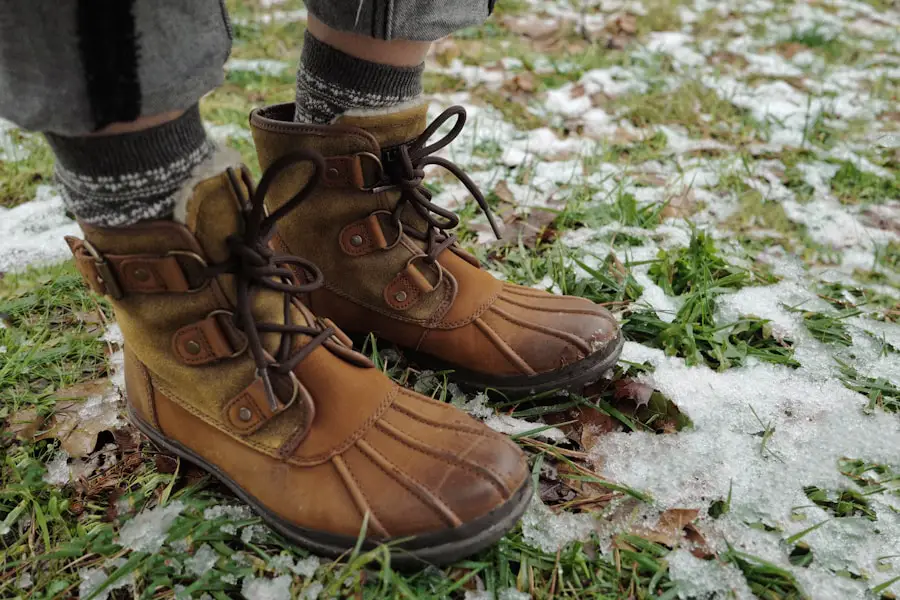
Timberland’s purpose-built hiking footwear is the better reference point when judging trail performance. For example, current Mt. Maddsen hiking models use rubber lug outsoles for traction and compression-molded EVA midsoles for cushioning. Some Timberland hiking models also add waterproof leather or a TimberDry™ waterproof membrane.
On rocky ground, traction depends on the outsole compound, tread pattern, surface condition, and how you place your feet. Deep lugs can help on loose soil and mud, but no outsole can guarantee grip on wet rock, algae, ice, or steep polished surfaces.
In wet conditions, use a boot that is specifically labeled waterproof. Timberland says its waterproof footwear may use waterproof leather, seam sealing, GORE-TEX® or TimberDry™ membranes depending on the pair. That wording matters: not every Timberland boot uses the same waterproof system, and not every Timberland boot is waterproof.
In hot or dry terrain, weight and ventilation deserve more attention. The classic Premium 6-Inch includes insulation on many current versions, which may be useful in cold weather but can be more boot than you need on a warm desert trail. A lighter hiking shoe or non-insulated hiker can reduce bulk.
Note: Waterproof does not mean slip-proof. If a trail is icy, the National Park Service recommends traction devices in winter conditions where appropriate.
Tips for Breaking in Your Timberland Hiking Boots
| Tip | What to Do |
| Start with the right size | Do not rely on break-in to fix a painfully tight, short, or badly shaped boot. |
| Wear your hiking socks | Use the same socks and insoles you expect to wear on the trail so the fit test is realistic. |
| Break them in gradually | Start indoors, then take short neighborhood walks, then move to a short trail before a long hike. |
| Watch for hot spots | Stop and adjust lacing or protect the area before rubbing becomes a blister. |
| Avoid shortcut methods | Do not soak or aggressively heat boots to force a faster break-in; Timberland advises gradual natural wear. |
Breaking in a new pair of Timberland hiking boots can make the first long hike more comfortable, especially with leather models. Timberland’s hiking guidance recommends starting around the house, moving to short walks, and then testing the boots on shorter trails before committing to a bigger trip.
Pay attention to heel rubbing, pressure across the forefoot, toe contact, and any hot spot that returns in the same place. Moleskin or blister pads can protect a developing hot spot, but repeated pain usually means you should reassess the fit or lacing rather than simply pushing through it.
Warning: Break-in should soften normal stiffness, not correct a boot that is the wrong size or shape. Numbness, sharp pain, crushed toes, or severe heel movement are signs to stop and reassess the fit.
Products Worth Considering
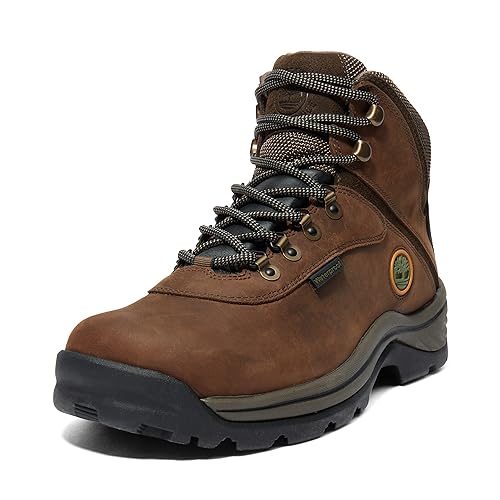
Upper made with waterproof Premium Timberland Leather

Upper made with waterproof Premium Timberland Leather

Premium Timberland Leather Upper: Crafted with premium Timberland leather and synthetic leather for durability and style.
Maintaining and Caring for Your Timberland Hiking Boots
Proper care depends on the material. Timberland uses full-grain leather, nubuck, suede, fabric, and waterproof membranes across different products, and the same treatment is not suitable for all of them.
Products Worth Considering

Clean and protect suede, nubuck and Gore-Tex footwear from water, dirt, and stains to keep them looking like new with the Revivex Suede and Fabric Boot Care Kit

Dry cleaning bar for regular and delicate suede, nubuck, napped finishes

【Premium Suede & Sheepskin Care Kit】Designed for premium suede, nubuck and sheepskin footwear — compatible with UGG boots and Birkenstock nubuck sandals. It tackles top concerns: stubborn stain rescue and rain damage prevention, delivering deep cleaning and long-lasting waterproof protection to keep your shoes in like-new condition.
Basic Cleaning Steps
- Let heavy mud dry, then brush off loose dirt.
- Check the boot’s material and care instructions before applying a cleaner.
- For leather, Timberland advises using a soft cloth or sponge with warm soapy water for routine cleaning.
- Allow boots to dry naturally in a ventilated area.
- Keep them away from radiators, hair dryers, and other strong direct heat, which can damage uppers and waterproofing.
For nubuck or suede, use products designed for those finishes. Timberland specifically warns that wax can damage suede and nubuck. Its Waximum™ product is intended for waxed and oiled leathers, while Balm Proofer™ is positioned as a water-and-stain repellent for a broader range of materials.
Waterproof treatments also wear over time. Clean the boot first, let it dry naturally, then use a compatible waterproofing product according to the manufacturer’s directions. Also inspect laces, hooks, eyelets, seams, and the outsole before a trip.
Safety Tips for Hiking in Timberland Boots
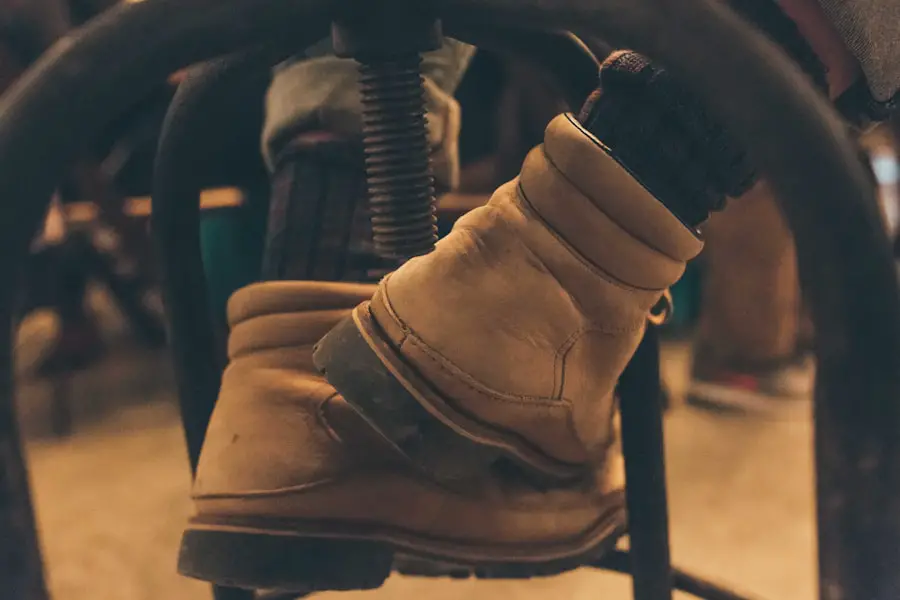
Good footwear lowers avoidable problems, but it does not remove trail hazards. The National Park Service recommends sturdy footwear with suitable tread for uneven or slippery terrain, and some parks specifically advise waterproof footwear, insulation, or extra traction for wet and winter conditions.
- Tie and adjust your laces before difficult terrain. A secure heel and stable fit reduce unwanted foot movement inside the boot.
- Slow down on wet rock, roots, mud, and loose gravel. Even aggressive lugs can slide when the surface itself is slick.
- Use traction devices when conditions call for them. Waterproof boots alone are not enough for ice.
- Carry basic hiking essentials. A first-aid kit, water, navigation, weather protection, and light are still important on day hikes.
- Turn around when conditions exceed your equipment or experience. Footwear is one part of a larger safety system.
Trekking poles can also improve balance on steep, loose, or icy terrain, especially when descending. In winter, the National Park Service lists trekking poles and over-the-shoe traction devices among useful hiking equipment.
The History and Legacy of Timberland Hiking Boots
Timberland’s history is often simplified, and the original version of this article did so. Nathan Swartz did not simply “found the Abington Shoe Company in 1952.” Timberland’s own history says he bought half of the Boston-based Abington Shoe Company in 1952 and took full control in 1955.
In 1973, Abington launched the Original Timberland® 8-Inch Boot, a waterproof leather work boot made with injection-molding technology. The now-famous 6-inch version followed in 1976, and the company changed its name to Timberland in 1978.
Timberland’s hiking legacy became more distinct later. The company says it introduced the Euro Hiker in 1988 as a lighter leather hiker with an EVA midsole, aimed at day hiking rather than multi-week backpacking. Today the brand describes its product range across Work, Life, and Outdoor categories.
Timberland also uses recycled-content materials in some current products. For example, ReBOTL™ fabric linings on selected models contain at least 50% recycled PET plastic, and some products use leather connected with Leather Working Group-certified tanneries. Those are model-specific details, not blanket features of every Timberland boot.
Real-World Expectations for Hiking in Timberland Boots
Individual experiences with Timberland boots vary too much to treat anonymous testimonials as evidence. The original article described unnamed hikers on the Appalachian Trail and in rainy conditions, but gave no names, dates, models, mileage, or links that could be verified. A more useful way to judge your own pair is to test the things that directly affect trail comfort and safety.
- After an hour, do you have heel rubbing, toe pressure, numbness, or hot spots?
- Does the outsole feel secure on the surfaces you actually hike?
- Do your feet stay reasonably dry in the conditions the boot is rated for?
- Does the boot feel too heavy or warm after several miles?
- Can you descend without your toes striking the front?
- Do the midsole and footbed provide enough comfort for your distance and pack weight?
A classic Timberland boot may pass those checks for a short local trail and still be a poor choice for a long summer backpacking trip. Likewise, a lighter Timberland hiker may be a better fit for mileage even if it looks less rugged. Judge the exact model, your feet, and your trail—not the brand name alone.
If you are also dialing in your backpacking setup, the existing guide to the best ultralight tent for backpacking covers another major place where weight and trip conditions affect comfort.
Frequently Asked Questions
What are Timbs?
“Timbs” is a common nickname for Timberland boots. People often use it to mean the classic Timberland Premium 6-Inch boot, although Timberland also makes dedicated hiking boots, work boots, casual footwear, and other outdoor styles.
Are Timbs considered hiking boots?
Not all of them. Timberland sells purpose-built hiking boots and shoes, but the classic Premium 6-Inch is a waterproof heritage boot with work-boot roots. It can handle some easy to moderate hiking when it fits well, but it is heavier and more insulated than many dedicated hiking models.
What features can make Timberland boots suitable for hiking?
Depending on the model, useful hiking features can include a rubber lug outsole, EVA cushioning, waterproof leather, a waterproof membrane, a supportive footbed, a gusseted tongue, and a secure mid-height upper. Always check the exact model because these features are not universal across Timberland footwear.
Can Timbs be used for other outdoor activities besides hiking?
Yes. Depending on the model, Timberland boots can work for everyday outdoor use, wet-weather walking, light trail use, travel, or work. Match the boot to the activity; work boots, insulated heritage boots, and hiking boots are built around different priorities.
Are there different types of Timbs for specific outdoor activities?
Yes. Timberland currently separates footwear into categories that include hiking, work, and lifestyle-oriented boots. Hiking-specific models emphasize trail traction, cushioning, fit, and weight, while Timberland PRO® models focus on jobsite needs and classic 6-inch boots emphasize waterproof heritage styling and all-season durability.
Are classic Timberland 6-Inch boots good for long hikes?
They can work for some people, but they are not the most efficient choice for many long hikes. Current Premium 6-Inch models are comparatively heavy and often insulated. A lighter hiking-specific Timberland shoe or boot is usually more comfortable for higher mileage, especially in warm weather.
Are all Timberland boots waterproof?
No. Timberland sells waterproof and non-waterproof footwear. Waterproof models may use waterproof leather, seam sealing, GORE-TEX® or TimberDry™ technology depending on the pair. Check the product description for the exact boot you own or plan to buy.
Sources
- Timberland Hiking Boots Guide — hiking-boot selection, fit, lacing, and break-in guidance.
- Timberland: Are Timberland Boots Waterproof? — waterproof leather, seam sealing, GORE-TEX®, and TimberDry™ information.
- Timberland: How Should Boots Fit? — toe room, heel movement, width, and sizing guidance.
- Timberland: How to Clean Timberland Boots — cleaning and material-specific care guidance.
- Timberland: About Us — company history, the 1973 8-inch boot, the 1976 6-inch boot, and current brand categories.
- National Park Service: Hiking Safety at Mount Rainier — sturdy footwear, tread, waterproofing, insulation, and general hiking-safety guidance.
