
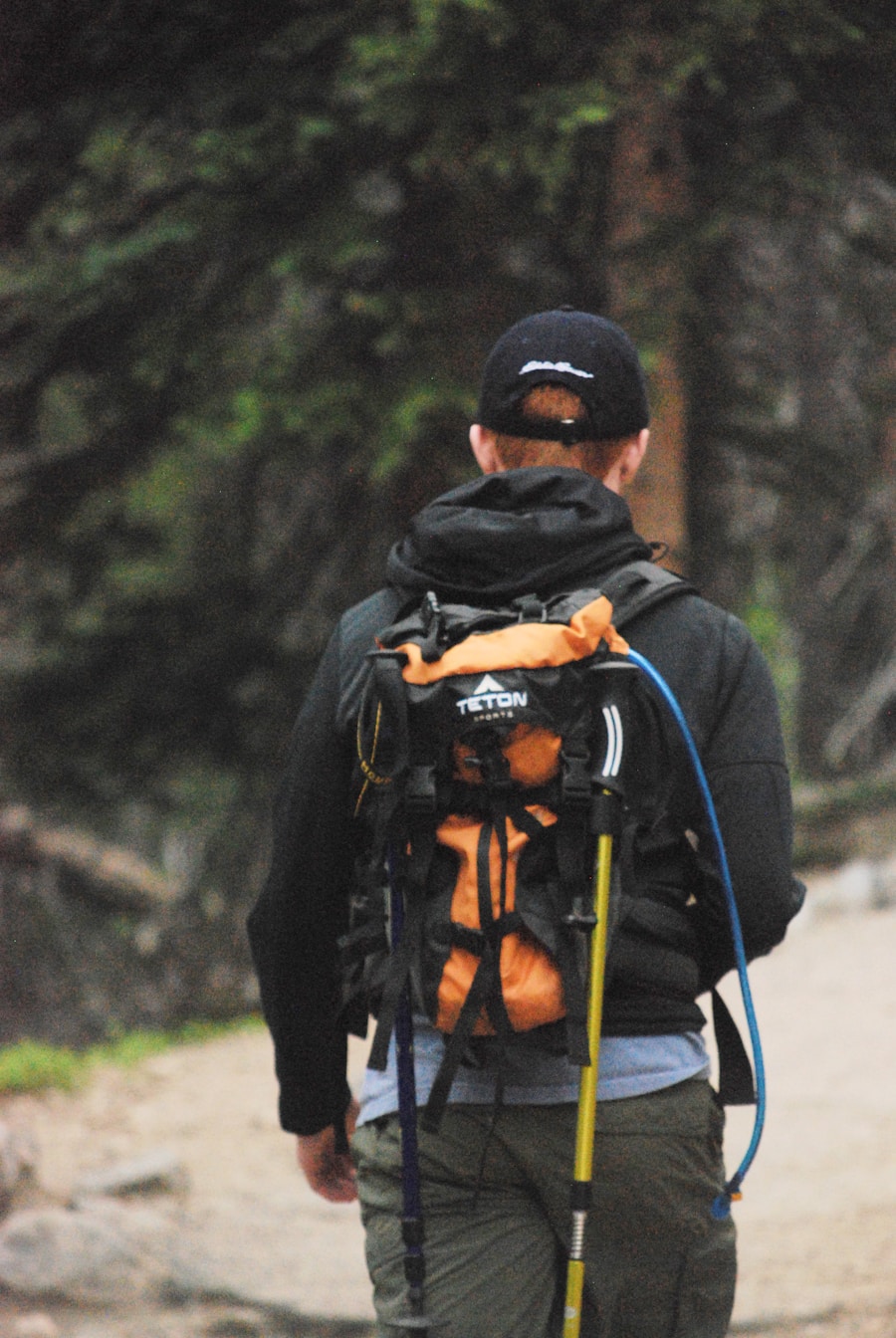
Last Updated on September 10, 2026 by Daniel Globe
Hiking combines aerobic exercise with time outdoors, making it a practical way to support both physical and mental health. A gentle trail can provide steady movement for beginners, while hills, uneven ground, longer distances, and a loaded pack can turn a hike into a demanding workout. The benefits depend on your pace, terrain, fitness level, and how consistently you hike.
Quick Answer
Hiking can improve cardiovascular fitness, strengthen the legs, support bone health, help with weight management, reduce stress, and improve mood. Hiking in nature may add mental-health benefits beyond exercise alone. The biggest gains come from hiking regularly, choosing trails that match your ability, and gradually increasing distance or difficulty.
Key Takeaways
- Hiking is aerobic exercise that can support heart health, endurance, blood-pressure control, and overall fitness.
- Climbing, descending, and walking over uneven terrain work the legs and challenge balance, while trekking poles can involve more of the upper body.
- Physical activity and nature exposure are both linked with better mood, lower stress, improved sleep, and fewer symptoms of anxiety and depression.
- Hiking burns calories, but calorie expenditure and weight loss vary widely with body weight, pace, terrain, elevation gain, duration, food intake, and other factors.
- Beginners should start with manageable trails, build distance gradually, check weather and trail conditions, carry water, and tell someone their route and return time.
Disclosure: As an Amazon Associate I earn from qualifying purchases. Some links on this page are affiliate links, at no extra cost to you.
Physical Health Benefits of Hiking
Hiking can provide moderate- or vigorous-intensity aerobic exercise, depending on how fast you move and how difficult the trail is. Your heart and lungs work harder as you walk, especially on climbs. With regular activity, this can improve cardiovascular endurance and make everyday activities feel easier.
The U.S. Physical Activity Guidelines recommend that adults aim for 150 to 300 minutes of moderate-intensity aerobic activity each week, or 75 to 150 minutes of vigorous activity, plus muscle-strengthening activity on at least two days each week.
A weekly hiking routine can count toward the recommended 150 to 300 minutes of moderate aerobic activity when the pace is brisk enough to noticeably raise your breathing and heart rate.
How Hard Does a Hike Need to Be?
You do not need to climb a mountain for hiking to count as useful exercise. A moderate-intensity effort usually makes you breathe faster while still allowing you to speak in sentences. A steep climb that makes conversation difficult may reach vigorous intensity.
Pro Tip: Use the talk test instead of chasing a specific speed. If you can talk but not sing comfortably, your pace is often in the moderate-intensity range. Slow down when terrain, heat, altitude, or fatigue pushes the effort too high.
Muscles, Bones, and Balance
Hiking mainly works the lower body. Your quadriceps and glutes help drive you uphill, while your quadriceps and other stabilizing muscles work hard to control your body on descents. Calves, hips, and core muscles help keep you steady as the surface changes.
Using trekking poles can add upper-body involvement and may improve stability on certain trails. Research on trekking poles has found greater physiological demand and upper-body involvement during hiking, although poles are optional rather than necessary for a good workout.
Because hiking is a weight-bearing activity, it can also contribute to overall bone health. Federal physical-activity guidance links regular activity with better bone health and a lower risk of osteoporosis and falls. That does not mean hiking by itself can guarantee that osteoporosis will be prevented.
Note: Hiking can strengthen the legs, but it does not necessarily replace a complete strength program. Adults are still advised to perform muscle-strengthening activities that work the major muscle groups on at least two days each week.
Mental Health Benefits of Hiking

Hiking combines two activities associated with better mental well-being: physical movement and exposure to natural environments. Regular physical activity can reduce symptoms of anxiety and depression, improve sleep, and support brain health. Research also suggests that spending time in nature can improve mood and reduce perceived stress.
A 2024 meta-analysis of nature exposure in adults with symptoms of mental illness found improvements across several mental-health outcomes. A separate systematic review found that nature exposure was associated with lower perceived stress and favorable changes in physiological stress measures. These findings support nature as a useful part of a healthy lifestyle, but hiking should not be presented as a substitute for professional mental-health care.
Hiking, Attention, and Creative Thinking
Walking may also help certain kinds of thinking. Stanford researchers found that walking increased divergent creative thinking compared with sitting. The effect occurred during indoor and outdoor walking, so it would be more accurate to say that walking itself can help ideas flow than to claim that hiking automatically improves every form of problem-solving.
On a trail, stepping away from screens and routine demands may also give you a chance to focus on immediate surroundings, slow down, and return to work or daily tasks feeling mentally refreshed.
Social and Emotional Benefits of Hiking
| Potential Benefit | What the Evidence Supports |
| Stress Reduction | Nature exposure is associated with lower perceived stress and favorable changes in several physiological stress measures. |
| Improved Mood | Both physical activity and time in nature are linked with improved mood and fewer symptoms of anxiety and depression. |
| Confidence | Completing progressively harder trails can provide a practical sense of achievement and help people see improvements in their fitness and outdoor skills. |
| Time to Reflect | A quiet walk can provide space for reflection and relaxation, although hiking should not be described as a treatment for trauma or other mental-health conditions. |
| Social Connection | Hiking with friends, family, clubs, or walking groups creates shared time for conversation, cooperation, and community. |
Hiking can be a social activity as well as an individual one. Walking with friends or family gives people uninterrupted time to talk, while hiking clubs can introduce beginners to others who share the same interests.
Group walks also create a shared goal. Choosing a route, keeping a comfortable pace, taking breaks, and helping one another through difficult sections can make a hike feel collaborative rather than competitive. Research on outdoor walking groups has found benefits across several physical and psychological measures, although not every outcome improves in every study.
Solo hiking can offer something different: quiet time for reflection and a break from constant digital input. Some people find that restorative, but anyone using hiking to cope with persistent depression, anxiety, trauma, or another mental-health concern should view it as a supportive activity rather than a replacement for appropriate care.
Hiking and Stress Reduction
Stress reduction is one of the strongest reasons many people enjoy hiking. Exercise itself can reduce feelings of stress, and natural surroundings may add another calming influence. A systematic review of nature exposure found improvements in perceived stress as well as several physiological markers of stress.
The original claim that nature reduces “stress hormones by 15%” is too specific. Studies use different settings, durations, participants, and measures, so there is no single percentage that applies to everyone.
Hiking can also encourage present-moment attention. You need to watch your footing, notice trail markers, adjust to changes in terrain, and pay attention to weather and surroundings. That can interrupt repetitive thoughts and provide a temporary change of focus from work, screens, and daily pressures.
You do not need a remote wilderness trip to receive this benefit. A local wooded path, nature preserve, greenway, or quiet park can provide both movement and outdoor exposure.
Hiking and Weight Management
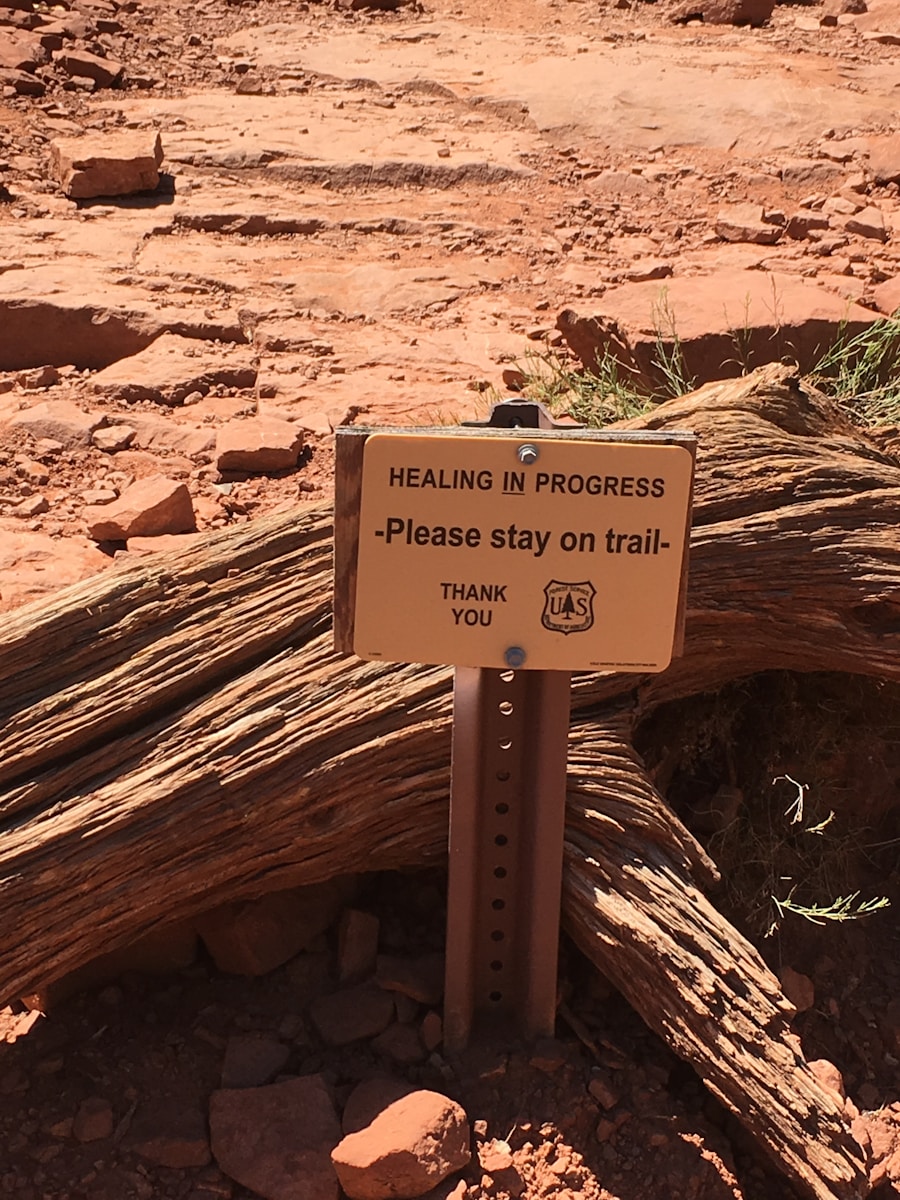
Hiking uses energy and can be part of a healthy weight-management plan, but there is no single calorie-burn number that applies to every hike.
According to the CDC’s physical activity and weight guidance, a 154-pound person uses roughly 370 calories during an hour of hiking in its example table. A heavier person may use more energy doing the same activity, while a lighter person may use less. Steep climbing, faster pacing, difficult footing, greater distance, and carrying a pack can also increase the effort required.
That makes the original blanket estimate of 400 to 700 calories per hour misleading. A fitness watch can provide a personal estimate, but wearable calorie numbers should still be treated as estimates rather than exact measurements.
Hiking can help create the calorie deficit needed for weight loss and can be especially useful for maintaining lost weight. However, the CDC notes that weight management also depends on food intake and varies from person to person. Sleep, medications, medical conditions, hormones, genetics, age, and other factors can also affect body weight.
Note: The health value of hiking is much broader than the number of calories burned. Regular physical activity can improve cardiovascular risk factors and fitness even when the scale changes little.
Hiking and Cardiovascular Health
Hiking is a form of rhythmic aerobic exercise, particularly when you maintain a steady pace for an extended period. Hills increase the workload because your heart must supply working muscles with more oxygen as the effort rises.
The American Heart Association reports that regular physical activity can help lower blood pressure, improve blood flow, improve blood sugar control, support healthier cholesterol levels, reduce stress, and control body weight. These changes collectively support cardiovascular health.
The benefit comes from consistency rather than one unusually hard outing. A person who regularly hikes moderate trails may build aerobic fitness more safely and sustainably than someone who is inactive most of the year and occasionally attempts an exhausting mountain hike.
As fitness improves, you can increase one variable at a time: hike a little longer, add modest elevation gain, increase your pace, or choose slightly more challenging terrain. Gradual progression gives your muscles, joints, and cardiovascular system time to adapt.
How to Start Hiking Safely
Hiking is accessible because trails range from short paved paths to steep backcountry routes, but every trail is not appropriate for every hiker. The National Park Service’s Hike Smart guidance recommends choosing a route that matches the abilities of everyone in your group, checking conditions, carrying appropriate supplies, and leaving a trip plan with someone who is not joining the hike.
- Start with a manageable route. Choose a distance and elevation gain you are confident you can finish, then increase difficulty gradually.
- Check weather and trail alerts. Heat, thunderstorms, snow, flooding, mud, wildfire, and closures can turn an easy trail into a dangerous one.
- Carry water and food. Longer, hotter, and more strenuous hikes require more careful hydration and fueling.
- Wear appropriate footwear. Choose shoes with traction and support suited to the surface, and wear comfortable moisture-managing socks.
- Tell someone your plan. Share your route, expected return time, vehicle information when relevant, and who is hiking with you.
- Do not depend entirely on cell service. Backcountry areas may have little or no reception.
- Turn around when conditions deteriorate. Reaching a summit or viewpoint is never more important than getting back safely.
Warning: Heat illness, dehydration, falls, severe weather, wildlife, rapidly moving water, and altitude can make hiking dangerous. If you have a chronic medical condition, significant heart or lung symptoms, mobility limitations, or concerns about strenuous or high-altitude exercise, discuss an appropriate activity level with a healthcare professional.
Higher elevation deserves extra caution. The National Park Service notes that the reduced oxygen available at altitude increases effort and that altitude illness becomes a concern at higher elevations. Allow time to acclimatize rather than immediately attempting a strenuous high-altitude route.
Embracing the Benefits of Hiking for Overall Health
Hiking offers more than a change of scenery. Done regularly, it can contribute to weekly aerobic exercise, improve endurance, work the legs and stabilizing muscles, support bone health, burn calories, and provide meaningful time outdoors.
Its mental and social benefits are important too. Exercise and nature exposure can support mood, reduce stress, and improve sleep, while hiking with other people creates opportunities for conversation and connection. A solo hike can provide a quiet break from everyday demands.
The best hiking routine is not necessarily the steepest or longest one. Choose trails that fit your current ability, hike consistently, and increase difficulty gradually. That approach makes it easier to enjoy the health benefits of hiking while reducing unnecessary risk.
Comfort also affects how enjoyable a trail feels. Appropriate footwear, socks, weather-ready layers, and practical clothing can make longer outings easier to manage. For travel-oriented trail clothing ideas, see this guide to the best travel pants with hidden pockets.
Love travel? Join Our Facebook Community For More Tips.
Frequently Asked Questions
What are the health benefits of hiking?
Hiking can improve aerobic fitness, strengthen the legs, support bone health, help manage body weight, and contribute to better cardiovascular health. Physical activity and exposure to nature are also associated with lower stress, improved mood, better sleep, and fewer symptoms of anxiety and depression.
How does hiking contribute to physical fitness?
Hiking provides aerobic exercise while repeatedly working the legs and stabilizing muscles. Hills raise cardiovascular demand, descents challenge muscular control, and uneven ground requires continual balance adjustments. Trekking poles can also involve more upper-body musculature.
Can hiking help with mental health?
Yes. Regular physical activity can reduce symptoms of anxiety and depression, and research suggests that exposure to nature can improve mood and reduce perceived stress. Hiking can therefore be a useful part of a healthy routine, although it is not a substitute for professional treatment when mental-health symptoms are persistent or severe.
What are the potential risks of hiking?
Potential hazards include dehydration, heat illness, sun exposure, falls, blisters, severe weather, getting lost, rapidly moving water, wildlife, ticks, and altitude illness. Risk varies by location and trail difficulty, so check current conditions and prepare for the specific route rather than treating every hike the same.
How can beginners start hiking safely?
Start with a short trail that matches your current fitness level and has modest elevation gain. Check the weather and trail conditions, wear suitable footwear, carry water and food, share your route and expected return time with someone, and gradually increase distance or difficulty as your fitness improves.
How much hiking should I do each week?
There is no required number of hikes. For general health, U.S. guidelines recommend 150 to 300 minutes of moderate-intensity aerobic activity per week, or 75 to 150 minutes of vigorous activity, plus muscle-strengthening exercise on at least two days. Hiking can contribute to the aerobic portion when the effort is high enough.
How many calories does hiking burn?
Calorie burn varies with body weight, speed, elevation gain, trail surface, duration, fitness, and pack weight. The CDC gives an example of about 370 calories per hour of hiking for a 154-pound person. Treat calorie estimates from watches and apps as approximations rather than exact measurements.
Sources
- U.S. Department of Health and Human Services — Physical Activity Guidelines for Americans — weekly aerobic and muscle-strengthening recommendations and physical-health benefits.
- CDC — Physical Activity and Your Weight and Health — weight management, health benefits, activity targets, and hiking calorie example.
- American Heart Association — What’s the Link Between Physical Activity and Health? — cardiovascular, blood-pressure, cholesterol, sleep, and stress benefits.
- PubMed — How Does Nature Exposure Affect Adults With Symptoms of Mental Illness? — 2024 meta-analysis of nature exposure and mental-health outcomes.
- PubMed — Effect of Nature Exposure on Perceived and Physiologic Stress — systematic review of perceived and physiological stress outcomes.
- U.S. National Park Service — Hike Smart — trail selection, trip planning, weather, water, equipment, altitude, and hiking safety.

