
Last Updated on July 27, 2026 by Daniel Globe
Munich blends centuries of Bavarian history with major museums, lively markets, beer gardens, royal palaces, large parks, and easy day trips into the Alps. First documented in 1158, the city has grown from a medieval trading settlement into Bavaria’s capital while keeping traditions such as the Glockenspiel, Weißwurst breakfasts, and Oktoberfest firmly part of everyday life.
Quick Answer
Munich’s best experiences combine the Old Town around Marienplatz, Bavarian food and beer-garden culture, major museums such as the Alte Pinakothek and Deutsches Museum, Nymphenburg Palace, the English Garden, and modern sights around BMW Welt and Olympiapark. Allow at least two full days; three gives you a more relaxed visit or a day trip.
Key Takeaways
- Start with Marienplatz, the Neues Rathaus, Frauenkirche, Viktualienmarkt, and Munich Residenz for the city’s historic core.
- Try Weißwurst with sweet mustard and a pretzel, then experience a traditional beer garden or beer hall.
- Art lovers should know that the Neue Pinakothek is closed for renovation until its planned 2029 reopening; selected works are displayed elsewhere.
- The English Garden, Deutsches Museum, Nymphenburg Palace, BMW Welt, and Olympiapark make strong additions to a two- or three-day visit.
- For 2026, check temporary closures before visiting: the Olympic Tower is closed for renovation and Nymphenburg has fountain and room restrictions.
Disclosure: As an Amazon Associate I earn from qualifying purchases. Some links on this page are affiliate links, at no extra cost to you.
Understand Munich’s History
Munich’s official history begins with its first documentary mention in 1158 as “Munichen.” The name has long been associated with monks, and Munich’s monk figure later became part of the city’s coat of arms. The settlement’s growth was tied to Duke Henry the Lion, a bridge across the Isar, and the valuable medieval salt trade. The imperial settlement of a dispute over the bridge and its revenues, dated June 14, 1158, is traditionally treated as Munich’s birth certificate. You can read the city’s chronology on the official City of Munich history page.
Munich later became the residence of the Wittelsbach rulers and an important center of art, architecture, politics, and science. The 1918 revolution in Munich helped end the Bavarian monarchy and led to the proclamation of Bavaria as a republic.
The city’s 20th-century history is darker. Munich was closely connected with the formation and rise of the Nazi Party. The Hofbräuhaus hosted an important NSDAP meeting in February 1920, while the failed 1923 putsch ended near the Feldherrnhalle. Rather than viewing these places without context, visitors interested in this history should also visit the Munich Documentation Center for the History of National Socialism, which stands on the former site of the Nazi Party’s “Brown House” headquarters.
Much of Munich was damaged during World War II. Postwar rebuilding restored many historic streets and landmarks while the city also expanded with modern architecture, transit, museums, and the facilities created for the 1972 Summer Olympics.
Indulge in Bavarian Cuisine and Beer
Bavarian food is an important part of a Munich visit. One of the best-known local specialties is Weißwurst, a pale sausage traditionally made with veal and pork back fat. Individual butchers use their own seasonings, so recipes differ. It is normally served warm with sweet mustard and a fresh pretzel.
Tradition says Weißwurst should be eaten before noon. That custom dates from the period before modern refrigeration, when freshly made sausages had to be consumed quickly. Today, some restaurants serve them later, but a morning Weißwurst breakfast remains a classic Munich experience.
For a larger meal, look for Schweinshaxe, a roasted pork knuckle with crisp skin, often served with dumplings, gravy, or cabbage. Other easy introductions to Bavarian food include Obatzda cheese spread, Leberkäse, roast chicken, potato salad, and Brotzeit platters.
Beer is equally central to traditional Munich dining. Helles is the standard pale Munich lager, while Weißbier and Dunkel are also common. The historic Hofbräuhaus at Platzl is one of the city’s best-known beer halls and is open to the public daily. Munich also has many outdoor beer gardens, including those at the Chinese Tower, Augustiner-Keller, and other traditional venues.
Pro Tip: In the self-service area of a traditional Munich beer garden, guests are generally allowed to bring their own food. Drinks are purchased from the beer garden, so picking up bread, cheese, fruit, or other picnic food before you arrive can make an inexpensive local-style meal.
Explore Munich’s Vibrant Art and Culture Scene
Munich has one of Germany’s strongest museum collections. The Alte Pinakothek focuses on European painting from the Middle Ages through the 18th century, with works by artists including Albrecht Dürer, Rembrandt, Rubens, and Botticelli.
The Pinakothek der Moderne brings several disciplines together under one roof, including modern art, design, architecture, and works on paper. It is a good choice for visitors whose interests extend beyond traditional painting.
Note: The Neue Pinakothek is currently closed for major renovation, with reopening planned for 2029. A selection of important 19th-century works is being shown in the Alte Pinakothek and the Sammlung Schack. Check the official Pinakotheken visitor page before your trip.
Science and technology deserve a place on the cultural itinerary too. The Deutsches Museum on Museum Island covers subjects ranging from aviation and spaceflight to chemistry, physics, health, agriculture, and engineering. Its main building is normally open from 9 a.m. to 5 p.m., with a small number of closure dates each year.
Munich also has a substantial performing-arts scene. The Bayerische Staatsoper stages opera and ballet, while theaters such as the Münchner Kammerspiele offer drama and contemporary productions. Annual events such as Filmfest München and the Tollwood festivals add film, music, street performance, and international culture to the calendar.
Visit Munich’s Iconic Landmarks and Attractions
| Attraction | Current Visitor Information | Why Go |
| Marienplatz & Glockenspiel | Glockenspiel at 11 a.m. and noon daily; also 5 p.m. from March through October | Historic center and easiest starting point for the Old Town |
| Nymphenburg Palace | Palace: 9 a.m.–6 p.m. April–Oct. 15; 10 a.m.–4 p.m. Oct. 16–March | Royal rooms, parkland, pavilions, porcelain, and carriages |
| English Garden | Open year-round; admission free | Eisbach Wave, Monopteros, lakes, paths, and beer gardens |
| Deutsches Museum | Normally daily, 9 a.m.–5 p.m.; check annual closure dates | Hands-on science and technology exhibitions |
| Olympiapark | Park remains accessible; Olympic Tower is closed for renovation until its expected 2027 reopening | 1972 Olympic architecture, events, walks, and Olympiaberg views |
Marienplatz and the Neues Rathaus
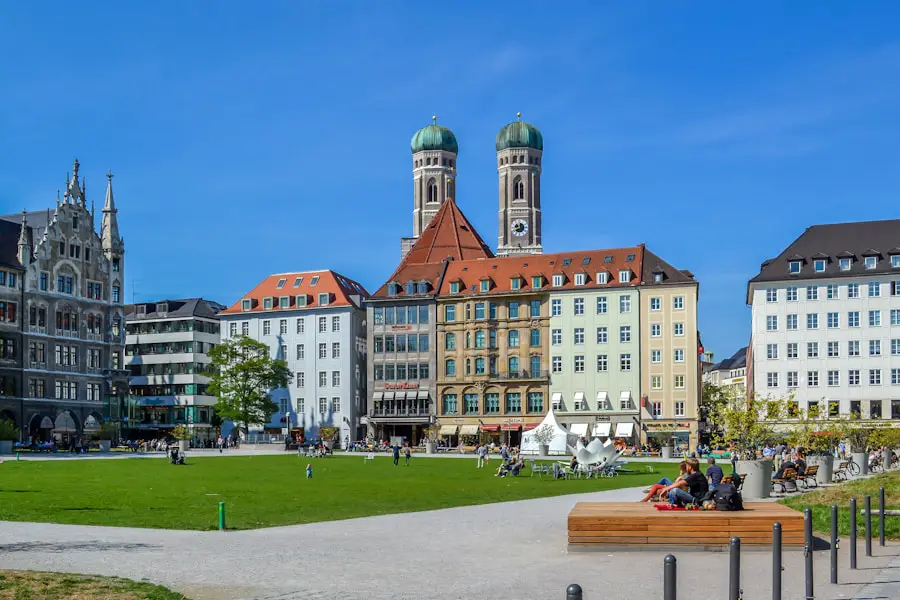
Marienplatz has been the center of Munich since the medieval city developed around it. Its dominant landmark is the neo-Gothic Neues Rathaus, or New Town Hall. The famous Rathaus-Glockenspiel performs daily at 11 a.m. and noon, with another performance at 5 p.m. from March through October.
From the square, you can walk within minutes to Frauenkirche, St. Peter’s Church, Viktualienmarkt, the pedestrian shopping streets, and the historic gates of the Old Town.
Nymphenburg Palace
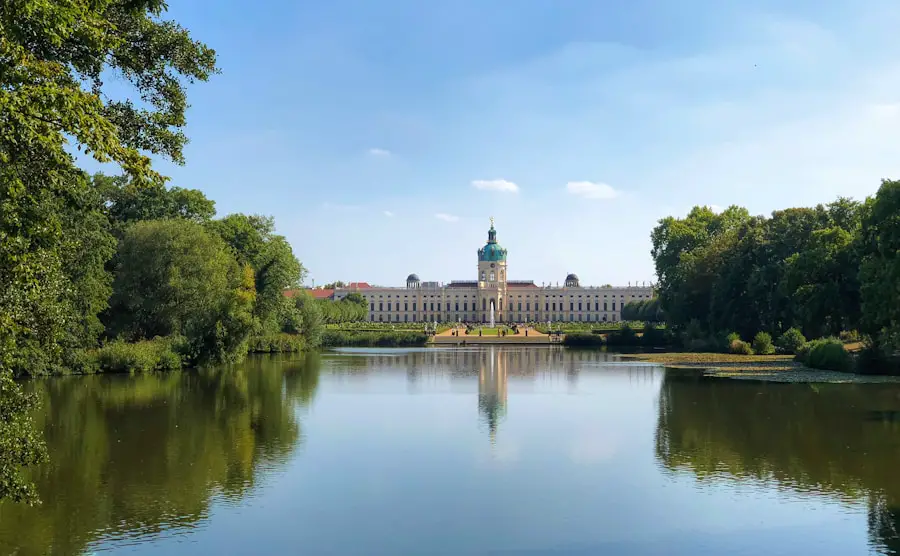
Nymphenburg Palace served as a summer residence of Bavaria’s ruling Wittelsbach family. The palace combines grand state rooms with extensive grounds, smaller park palaces, the Marstallmuseum, and the Museum of Nymphenburg Porcelain.
2026 Note: The Lacquer Cabinet is closed for restoration until autumn 2026. The Great Parterre fountain is out of service during 2026, and the fountain in front of the palace is also not operating until further notice. The other main state rooms remain open. Check the Bavarian Palace Administration before visiting.
Frauenkirche and Munich Residenz
The Frauenkirche is one of Munich’s defining landmarks, recognized by its two domed towers. It remains an active cathedral, so sightseeing should be planned around services and religious events.
A short walk away, the Munich Residenz gives a much deeper look at Bavaria’s royal history. The complex includes the Residence Museum, Treasury, courtyards, and Cuvilliés Theatre. The Residence Museum and Treasury are open daily, with seasonal hours.
Discover Modern Munich at BMW Welt and Olympiapark
Munich is not only about medieval streets and royal palaces. Around Olympiapark, visitors can explore some of the city’s best-known 20th- and 21st-century architecture.
BMW Welt is free to enter and displays current vehicles and BMW Group brands in a striking contemporary building. Across the road, the BMW Museum traces the company’s design, engineering, motorsport, and vehicle history. The museum is normally open Tuesday through Sunday.
Next door, Olympiapark preserves the sweeping tent-roof architecture created for the 1972 Summer Olympics. Walking paths, event venues, sports facilities, and Olympiaberg make it easy to spend several hours here.
Important: Do not plan a 2026 trip around an Olympic Tower ascent. The tower has been closed for renovation since June 2024 and is currently expected to reopen in 2027. Olympiaberg remains a good free alternative for elevated city views.
Experience Munich’s Lively Festivals and Events
Oktoberfest is Munich’s most famous annual event. Despite its name, most of the festival takes place in September. In 2026, the official Oktoberfest runs from September 19 through October 4 at Theresienwiese. Large beer tents, rides, parades, traditional clothing, music, and Bavarian food turn the festival grounds into one of Europe’s largest annual public celebrations.
Accommodation prices rise sharply around Oktoberfest, and central hotels can sell out far in advance. Travelers who want the atmosphere without the biggest crowds can visit beer halls and beer gardens at other times of year.
Winter offers a different experience. Munich’s traditional Christmas market around Marienplatz is scheduled for November 20 through December 24, 2026. Stalls sell handicrafts, decorations, roasted nuts, gingerbread, hot drinks, and seasonal food beneath the illuminated Neues Rathaus.
Tollwood adds another style of festival. Its summer edition in Olympiapark combines concerts, performances, international food, and cultural events, while the winter edition takes place at Theresienwiese with arts, crafts, performances, and a strong sustainability focus.
Enjoy Outdoor Activities in Munich’s Green Spaces
The Englischer Garten, or English Garden, is Munich’s largest park. The city lists its area at 376 hectares, with paths, streams, meadows, beer gardens, landmarks, and quieter natural areas stretching north from the city center.
The English Garden covers 376 hectares and is open year-round, making it one of Munich’s biggest free attractions.
First-time visitors often focus on the southern section. Here you can see the Eisbach Wave, walk uphill to the Monopteros viewpoint, continue toward the Chinese Tower, or relax beside Kleinhesseloher See. The northern part of the park is quieter and better suited to longer walks and cycling.
Surfing at the Eisbach Wave was officially permitted again in May 2026 after the natural wave became stable enough for surfing under revised municipal conditions. Watching from the bank is an unusual Munich experience in any season.
Warning: The Eisbach has strong current and artificial river structures. It is not a beginner swimming or surfing spot. Visitors who are not experienced river surfers should watch from the bank rather than enter the water.
Olympiapark is another good place for walking, jogging, and cycling. Because the Olympic Tower is closed for renovation, head instead to Olympiaberg for a free viewpoint over the Olympic grounds and parts of the city.
Munich also works well as a base for outdoor trips. Lakes and Alpine foothills are reachable by regional public transport, while more ambitious hiking routes in the Bavarian Alps can fill an entire day.
Shop and Stroll Through Munich’s Charming Neighborhoods
Munich’s neighborhoods offer very different experiences, so it is worth leaving the main sightseeing route for at least part of your visit.
Altstadt
The Altstadt is the historic center and the easiest area for a first visit. Marienplatz, Frauenkirche, the Residenz, Viktualienmarkt, Hofbräuhaus, and much of the pedestrian shopping district are all here.
Viktualienmarkt is especially useful for combining sightseeing with food. The open-air market has produce, cheese, meat, flowers, specialty foods, snack stalls, and a central beer garden. It is a convenient place to try Bavarian products without committing to a long restaurant meal.
Schwabing
North of the center, Schwabing has long-standing associations with Munich’s artistic and intellectual life. Today it mixes residential streets with cafes, restaurants, nightlife, shops, and easy access to the English Garden.
Glockenbachviertel
Glockenbachviertel is known for cafes, bars, independent businesses, and an established LGBTQ+ scene. It becomes livelier in the evening and makes a good contrast to the more formal architecture around the Old Town.
Haidhausen
Across the Isar from the center, Haidhausen offers attractive residential streets, small squares, cafes, and traditional restaurants. It is a good choice for visitors who want to see a more everyday side of Munich without traveling far from the main sights.
How to Get Around Munich
Most Old Town attractions are close enough to explore on foot. For longer trips, Munich has an integrated network of U-Bahn trains, S-Bahn trains, trams, and buses. Zone M covers the city, while surrounding destinations require additional zones.
Day tickets can make sense when you expect to use transit several times. The official MVV and MVGO apps provide route planning, live departures, and ticket options. Always check the current fare and validation rules rather than relying on prices from an older travel guide.
Munich Airport is connected with the city by the S1 and S8 S-Bahn lines. According to Munich Airport, the trip to Hauptbahnhof takes about 40 minutes under normal conditions. The two lines alternate, providing frequent service between the airport and central Munich. See the official Munich Airport public-transport guide for current operating information.
Pro Tip: Do not rent a car just to explore central Munich. Walking plus public transportation is usually simpler, and parking near major Old Town attractions can be limited. A car becomes more useful only for certain countryside or Alpine excursions.
How Many Days Do You Need in Munich?
Two full days are enough for Munich’s main sights at a steady pace. Three days are better if you want major museums, Nymphenburg, BMW Welt, or more time in the neighborhoods. Add another day when you plan a long excursion such as Neuschwanstein.
Suggested Day 1: Old Town and Bavarian Munich
- Start at Marienplatz and watch the Glockenspiel.
- Walk to Frauenkirche and St. Peter’s Church.
- Browse and eat at Viktualienmarkt.
- Visit the Munich Residenz and Hofgarten.
- Finish with a traditional Bavarian restaurant, beer hall, or beer garden.
Suggested Day 2: Museums and the English Garden
- Choose the Alte Pinakothek, Pinakothek der Moderne, or Deutsches Museum for the morning.
- Walk through the southern English Garden.
- See the Eisbach Wave and Monopteros.
- Continue to a beer garden or explore Schwabing in the evening.
Suggested Day 3: Royal or Modern Munich
- Choose Nymphenburg Palace for royal history and gardens, or BMW Welt and the BMW Museum for cars and design.
- Combine BMW with nearby Olympiapark and Olympiaberg.
- Alternatively, use the whole day for an excursion outside Munich.
Best Time to Visit Munich
There is no single best month because Munich changes significantly by season. Spring and early autumn are especially comfortable for walking and sightseeing. Summer brings long days, green parks, beer gardens, and outdoor festivals, but it can also mean higher demand and more visitors.
Late September and early October are ideal for travelers specifically interested in Oktoberfest, although hotel rates and crowds rise sharply. December is popular for Christmas markets and seasonal atmosphere. Winter outside the Advent period is quieter and can be useful for museum-focused trips, although cold weather and shorter daylight reduce outdoor time.
Day Trips and Excursions from Munich
Neuschwanstein Castle
Neuschwanstein Castle is one of Bavaria’s best-known excursions, but it is not in Munich. Public transportation normally involves roughly a two-hour train trip to Füssen followed by local transportation toward Hohenschwangau.
The castle interior can only be visited on a timed guided tour. From March 28 through October 15, the castle is normally open from 9 a.m. to 6 p.m.; during the winter schedule it opens from 10 a.m. to 4 p.m. The Bavarian Palace Administration strongly recommends buying tickets ahead because same-day tickets can sell out.
Pro Tip: Treat Neuschwanstein as a full-day excursion. Your timed castle tour may last only about 30 minutes, but transportation, the uphill approach, security, viewpoints, and waiting time make the overall trip much longer.
Dachau Concentration Camp Memorial Site
The Dachau Concentration Camp Memorial Site is a place of remembrance and historical education rather than a conventional sightseeing attraction. The former camp was established in 1933 and became a model for the Nazi concentration-camp system.
The memorial is normally open daily from 9 a.m. to 5 p.m. and admission is free; it is closed on December 24. From Munich, take the S2 to Dachau station and then bus 726 to the “KZ-Gedenkstätte” stop. The S-Bahn ride from Munich Hauptbahnhof takes about 25 minutes under normal conditions.
Note: Give the memorial enough time and approach the site respectfully. The memorial’s formal educational programs are intended for visitors aged 13 and older.
Lake Tegernsee and the Bavarian Alps
For a nature-focused day, Lake Tegernsee combines lakeside towns, Alpine views, walking routes, restaurants, and access to nearby trails. Conditions in the mountains can change quickly, so check weather, trail status, transportation, and daylight before setting out.
For longer hikes, carry water, weather-appropriate layers, and suitable footwear. If your Munich trip includes a serious full-day or multi-day trek, this guide to the best hiking backpack for multi-day treks can help you plan your gear.
Rothenburg ob der Tauber
Rothenburg ob der Tauber is a popular medieval destination and is offered as an excursion from Munich, but it makes a much longer day than Dachau or nearby lakes. Travelers with a flexible itinerary may prefer to stay overnight rather than spend a large share of the day in transit.
Frequently Asked Questions
What are the top things to do in Munich?
For a first visit, prioritize Marienplatz and the Neues Rathaus, Frauenkirche, Viktualienmarkt, Munich Residenz, the English Garden, one major museum, and a traditional Bavarian meal or beer garden. With extra time, add Nymphenburg Palace, BMW Welt, the BMW Museum, and Olympiapark.
What is the best time to visit Munich?
Spring and early autumn are excellent for sightseeing and walking, while summer is best for parks, beer gardens, and outdoor events. Visit September 19 to October 4 for Oktoberfest 2026, or late November and December for Christmas markets. Expect higher accommodation prices during major festivals.
How many days do you need in Munich?
Two full days cover the main Old Town sights, a museum, and the English Garden. Three days give you time for Nymphenburg, BMW Welt and Olympiapark, additional museums, or a slower neighborhood visit. Allow a separate full day for Neuschwanstein.
How do you get from Munich Airport to the city center?
The S1 and S8 S-Bahn lines connect Munich Airport with the city. The trip to Hauptbahnhof takes about 40 minutes under normal conditions. Check the current MVV or Munich Airport timetable before travel because construction and disruptions can alter journey times.
What are popular day trips from Munich?
Popular options include Neuschwanstein Castle, Dachau Concentration Camp Memorial Site, Lake Tegernsee, Salzburg, and other lakes or mountain destinations around Upper Bavaria. Neuschwanstein requires most of a day, while Dachau is considerably closer to central Munich.
What traditional food should you try in Munich?
Try Weißwurst with sweet mustard and a pretzel, Schweinshaxe, Obatzda, Leberkäse, roast chicken, dumplings, and a Brotzeit platter. A traditional morning Weißwurst breakfast or an afternoon beer-garden meal gives you a strong introduction to Bavarian food culture.
What are some family-friendly activities in Munich?
Good family choices include the Deutsches Museum, Hellabrunn Zoo, BMW Welt and BMW Museum, the English Garden, Nymphenburg Palace grounds, Olympiapark, and the Glockenspiel at Marienplatz. The Deutsches Museum is especially useful for a rainy day because many exhibits are interactive.
Is the Olympic Tower open in 2026?
No. The Olympic Tower has been closed for renovation since June 2024 and is currently expected to reopen in 2027. Olympiapark itself remains worth visiting, and Olympiaberg provides a free elevated viewpoint without using the tower.
Sources
- City of Munich — Munich History — founding, historical development, and major 20th-century events.
- Bavarian State Painting Collections — Visitor Information — current Pinakothek opening information and Neue Pinakothek closure.
- Bavarian Palace Administration — Nymphenburg Palace — opening hours and 2026 restoration/fountain notices.
- Olympiapark Munich — Olympic Tower — current renovation and closure status.
- Official Munich Oktoberfest — 2026 festival dates and visitor information.
- Dachau Concentration Camp Memorial Site — opening hours, admission, and visitor guidance.
