Last Updated on July 27, 2026 by Daniel Globe
Warm-weather hiking calls for more than shorts and a water bottle. The right setup keeps sweat manageable, protects your skin and eyes, gives your feet enough traction, and prepares you for heat, insects, sudden rain, or an unexpected delay. Choose lightweight, quick-drying clothing and footwear for the terrain, then carry the basic safety gear every hike requires.
Quick Answer
For warm-weather hiking, wear breathable, quick-drying clothing, moisture-managing socks, supportive footwear with good traction, a wide-brimmed hat, and sunglasses labeled UV400 or 100% UV protection. Carry sunscreen, enough water, navigation, first aid, food, a headlamp, rain protection, insect repellent, and emergency gear appropriate for your route.
Key Takeaways
- Choose footwear that fits well and matches the terrain, expected weather, pack weight, and length of the hike.
- Wear lightweight, moisture-managing clothing and carry an extra weather layer even on a hot day.
- Protect exposed skin with broad-spectrum, water-resistant SPF 30+ sunscreen, and protect your eyes with UV-rated sunglasses.
- Carry enough water for the route, drink regularly, and have a reliable treatment method if you plan to use natural water sources.
- Carry a map, compass, GPS or offline navigation system and know how to use your backup if electronics fail.
- Pack first aid supplies, blister care, personal medications, and other essentials appropriate for the hike.
- Use an EPA-registered insect repellent when biting insects or ticks are a concern, and consider permethrin-treated clothing where appropriate.
- Choose a comfortable backpack that holds your essentials without forcing you to leave important safety gear behind.
Disclosure: As an Amazon Associate I earn from qualifying purchases. Some links on this page are affiliate links, at no extra cost to you.
Footwear for Warm-Weather Hiking
Footwear can make or break a hike. Hiking boots are built for traction and protection on rough ground, while hiking shoes and trail runners usually provide a lighter, more flexible option. The best choice depends on your feet, terrain, pack weight, trail conditions, and experience rather than a single rule about which style is safest.
Boots with rugged outsoles and a structured upper can feel more stable on loose rock, uneven ground, or while carrying a heavier pack. Waterproof membranes are useful in wet vegetation, mud, shallow water, or persistent rain, but they can also feel warmer than highly breathable footwear during a hot, dry hike.
Trail-running shoes have become popular with hikers who value low weight, flexibility, and ventilation. Many have aggressive tread suitable for difficult trails, so they are not limited to smooth paths. However, lightweight footwear may provide less protection from rocks, brush, water, and cold conditions than a more substantial hiking shoe or boot.
Brands such as Merrell and Salomon sell footwear across these categories, but brand name matters less than fit. Your heel should stay secure, your toes should have room to move, and the shoe should not create pressure points when walking downhill.
Socks and Blister Prevention
Do not overlook socks. Warm-weather hiking socks made from merino wool or quick-drying synthetic blends can move moisture away from the skin and dry faster than ordinary cotton socks. A smooth fit also matters: wrinkles, loose fabric, and pressure points increase rubbing.
Test your footwear and socks before a long hike rather than wearing a new combination for the first time on a demanding trail. Carrying a spare dry pair can also help if your feet become soaked.
Pro Tip: Stop as soon as you notice a hot spot on your foot. Dry the area if possible and protect it with blister tape or moleskin before friction turns it into a larger blister.
Clothing
Layering for Effective Temperature Regulation
Layering still matters in warm weather because trail conditions can change quickly. Start with a lightweight base layer made from a quick-drying synthetic fabric or merino wool. These materials manage moisture better than heavy cotton when you are sweating.
For many summer hikes, the “mid-layer” may stay in your backpack until you stop moving, reach a windy ridge, or remain outside after sunset. A light fleece or other insulating layer can provide useful backup warmth without requiring you to dress heavily while hiking.
Carry a lightweight rain shell when rain or wind is possible. Even on a hot day, getting wet and then becoming exposed to wind, elevation, or falling evening temperatures can make you uncomfortably cold.
Considering the Environment
Match your clothes to the route rather than the temperature at the trailhead alone. In exposed desert terrain, lightweight long sleeves and pants can reduce direct sun exposure. In humid conditions, loose-fitting garments and ventilation can make sweat easier to manage.
Lightweight pants can also protect against brush, ticks, biting insects, and intense sun. Shorts provide more airflow but leave more skin exposed. Neither option is universally better; choose based on trail conditions and your comfort.
Accessories and UV Protection
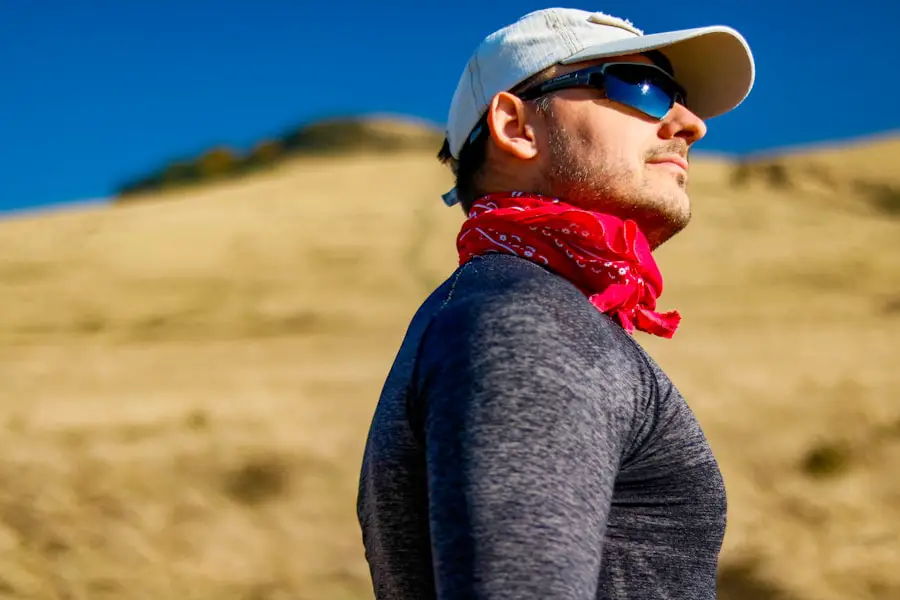
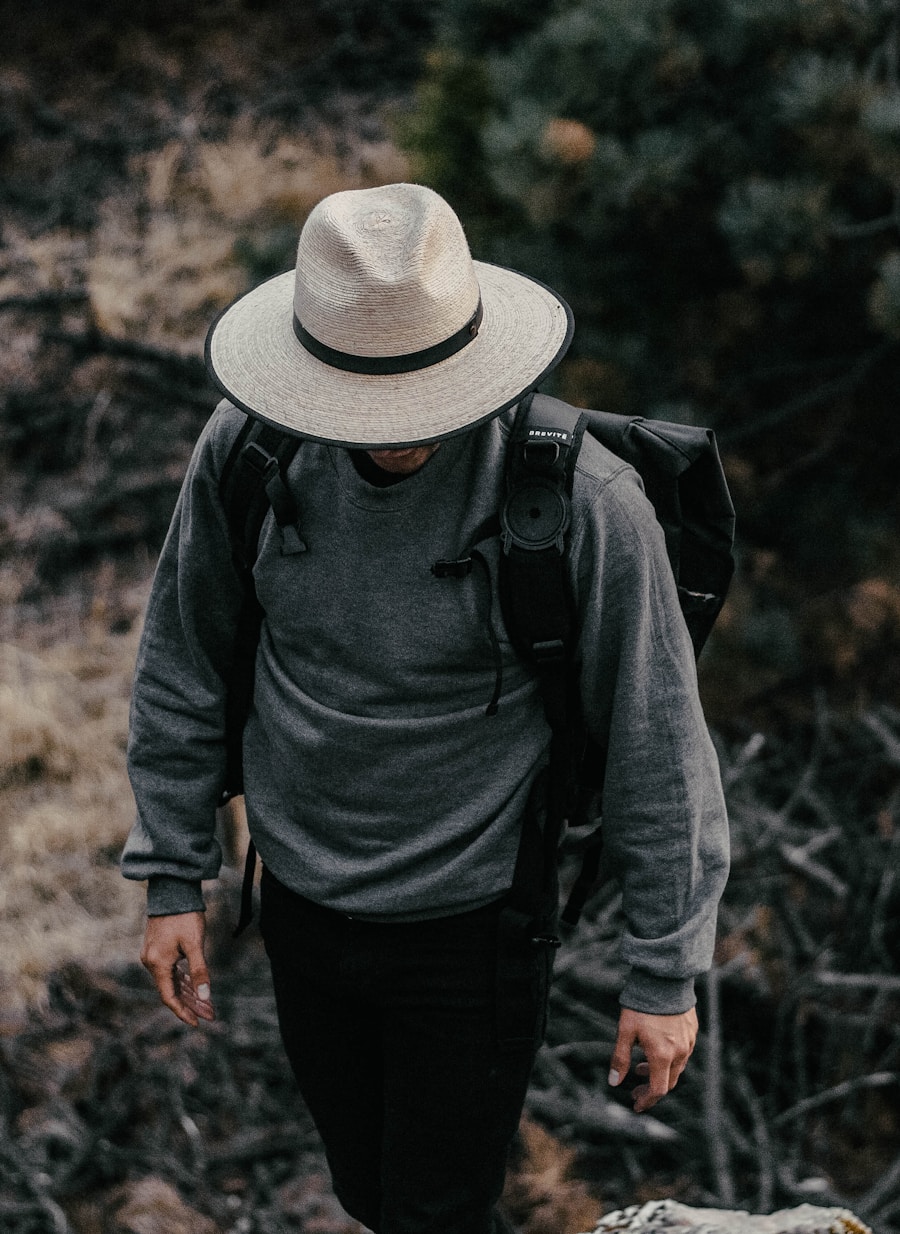
A wide-brimmed hat shades more of your face, ears, and neck than a typical baseball cap. A lightweight neck gaiter or bandana can add sun protection and may also be dampened with water for temporary cooling in dry conditions.
UPF-rated garments provide a tested level of ultraviolet protection. They can be particularly useful during long hikes through open terrain where shade is limited.
Sun Protection
Sun protection is a core part of warm-weather hiking. Long periods of ultraviolet exposure can cause sunburn, premature skin aging, eye damage, and increase skin-cancer risk.
The American Academy of Dermatology recommends a broad-spectrum, water-resistant sunscreen with SPF 30 or higher. Apply it before going outdoors and reapply about every two hours, as well as after swimming or heavy sweating, while following the directions on the product label.
The original recommendation to use a broad-spectrum sunscreen remains sound, but sunscreen works best as part of a larger strategy that also includes shade, clothing, a hat, and eye protection.
For sunglasses, look for a label stating UV400 or 100% UV protection. The U.S. Food and Drug Administration notes that these lenses block more than 99% of UVA and UVB radiation. Polarized lenses can reduce reflected glare, but polarization by itself does not guarantee ultraviolet protection.
Note: Sun exposure can remain substantial on cloudy days and at elevation. Do not use air temperature alone to decide whether you need sunscreen, protective clothing, or UV-rated sunglasses.
Hydration
| Hydration Metric | What It Means |
| General daily total-water Adequate Intake | About 3.7 L/day for adult men and 2.7 L/day for adult women, including water from food and all beverages. These are general daily values, not hiking-specific drinking targets. |
| Typical adult body-water percentage | Roughly 60% for adult men and 55% for adult women as broad averages, with substantial variation from age and body composition. |
| Possible dehydration or overheating symptoms | Thirst, dry mouth, headache, dizziness, unusual fatigue or weakness, nausea, dark urine, or reduced performance. |
| Why hydration matters | Water supports temperature regulation, circulation, physical performance, and normal cognitive function. |
Staying hydrated is especially important during hot-weather activity because sweat increases fluid loss. There is no single correct amount for every hiker. Temperature, humidity, elevation, exertion, hike duration, body size, sweat rate, and acclimatization all affect what you need.
As one practical planning reference, current National Park Service guidance for Great Smoky Mountains National Park recommends at least 1 liter for every two hours of hiking. Hotter, harder, or more exposed routes can require substantially more. Do not wait until you are severely thirsty before taking your first drink.
A water bottle or hydration bladder keeps fluids accessible. For longer, hotter outings with substantial sweating, an electrolyte-containing drink, tablet, or appropriately salty food can help replace some of the sodium and other electrolytes lost in sweat. Electrolytes are not a guaranteed remedy for muscle cramps, which can have several causes.
Plan water before leaving the trailhead. Check whether reliable sources actually exist along the route and whether they are flowing. Carry enough water to reach the next dependable source with a safety margin.
Natural water should not automatically be considered safe to drink. The National Park Service water-treatment guidance explains that filtration alone does not address every possible pathogen. Choose an appropriate treatment method for the location and follow the filter, purifier, disinfectant, or treatment manufacturer’s instructions.
Note: People who have been told to restrict fluids or who take medications that affect fluid balance should follow their clinician’s instructions rather than a generic hiking-water formula.
Heat Illness: Know When to Stop
Warm-weather hiking can progress from uncomfortable to dangerous faster than expected, especially on exposed climbs with little shade. The CDC recommends pacing strenuous activity, drinking regularly, and scheduling outdoor exercise for cooler parts of the day when possible.
Possible signs of heat-related illness include heavy sweating, headache, dizziness, weakness, nausea, unusual thirst, confusion, and muscle cramping. If you feel faint or weak, stop hiking, move to a cooler or shaded location, and begin cooling down.
Warning: Suspected heat stroke is a medical emergency. Confusion, loss of consciousness, severe neurologic symptoms, or dangerously high body temperature require immediate emergency help and rapid cooling. Do not force a seriously confused or unconscious person to drink.
Navigation
Navigating unfamiliar terrain requires both the right tools and the ability to use them. A topographic map can show trails, terrain, elevation changes, water features, and landmarks, while a compass helps orient the map and maintain direction.
GPS devices and smartphone navigation apps make route planning and location checks easier, but electronics should not be your only plan. Phones can run out of power, break, overheat, get wet, or lose useful connectivity. Download offline maps before leaving and carry backup navigation appropriate for the route.
The National Park Service includes a map, compass, and GPS system under the Ten Essentials and recommends learning how to use your navigation tools before you need them.
Check the Route and Weather Before Leaving
Review distance, elevation gain, trail conditions, water availability, closures, heat, and thunderstorms before starting. Summer weather can change quickly at elevation, and exposed ridgelines are poor places to be when lightning develops.
Tell a responsible person where you are going, the route you expect to follow, and when you expect to return. This simple step can make an overdue hiker easier to locate if something goes wrong.
If thunderstorms are possible, build a turn-around time into the day rather than assuming you will always reach the summit or destination. The National Weather Service emphasizes that there is no completely safe place outdoors during a thunderstorm; seek substantial shelter when it is available and avoid remaining on exposed high terrain when thunder develops.
First Aid Kit
Basic First Aid Kit Essentials
A basic hiking first aid kit should cover the injuries you can reasonably manage until you reach further help. Common contents include adhesive bandages, sterile gauze, medical tape, antiseptic supplies, blister treatment, gloves, and any personal medications you may need.
Consider adding elastic wrap, tweezers, small trauma shears, and other supplies that match your training and the remoteness of the route. A larger kit is not automatically better if you do not know how to use its contents.
Activity-Specific Additions
Adjust the kit for your destination. Where bites and stings are common, an over-the-counter antihistamine or hydrocortisone product may be useful for people who can use those products safely and follow the package directions. In remote areas, an emergency blanket and supplies for immobilizing an injured limb can be useful, but they do not replace wilderness first aid skills or professional medical care.
Maintenance and Preparation
Inspect your kit before major trips. Replace expired products, restock anything you used, and make sure water or previous trips have not damaged sterile dressings. Keep first aid supplies somewhere you can reach without completely unpacking your backpack.
Insect Repellent
Warm months can bring mosquitoes, ticks, and other biting insects. Beyond being irritating, some species can spread illnesses such as Lyme disease and West Nile virus.
The U.S. Environmental Protection Agency lists several active ingredients used in EPA-registered skin-applied repellents, including DEET, picaridin, IR3535, oil of lemon eucalyptus/PMD, and 2-undecanone. Choose a registered product appropriate for the insects and conditions you expect, then follow its label.
Apply skin repellent only as directed and avoid the eyes, mouth, cuts, and irritated skin. If you are using both sunscreen and insect repellent, CDC guidance recommends applying sunscreen first and insect repellent afterward.
Permethrin is different from ordinary skin repellent. Products labeled for treating clothing and gear can help repel or kill ticks and mosquitoes, but permethrin should not be applied directly to skin. Follow the product label and allow treated gear to dry as directed before use.
Clothing also helps. Long pants, sleeves, closed footwear, and staying toward the center of a trail can reduce contact with ticks and brush. After hiking in tick habitat, inspect your body and clothing for ticks rather than assuming repellent provides complete protection.
Backpack
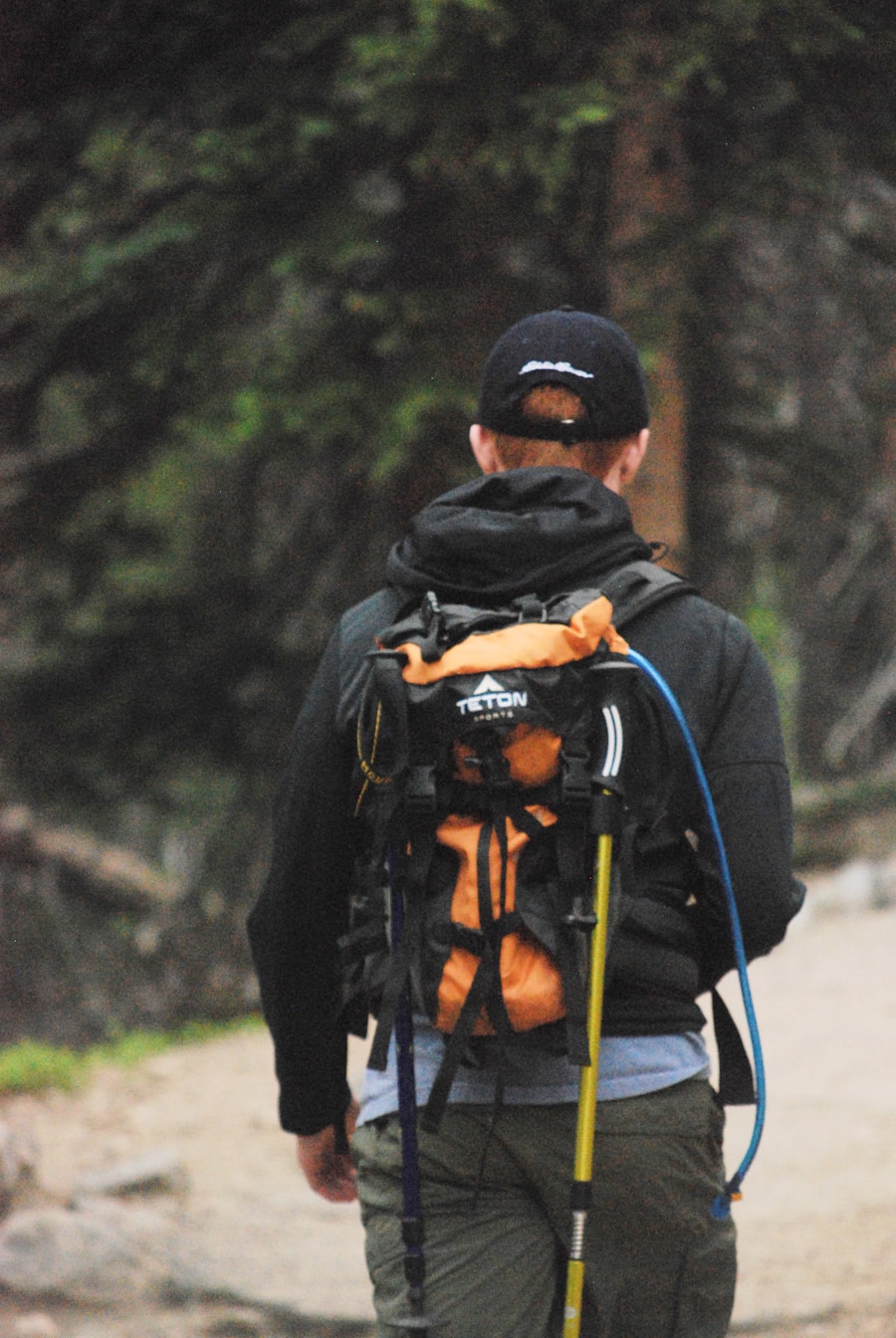
Your backpack should be large enough for the gear your trip genuinely requires without being so large that you fill it with unnecessary weight. A small daypack may be sufficient for short local hikes, while long day hikes, remote routes, and overnight trips require more capacity for water, layers, food, shelter, and other equipment.
Fit matters more than a specific liter number. Shoulder straps should sit comfortably, the pack should remain stable as you move, and heavier items should stay close to your back rather than swinging far behind you. A hip belt can move part of the load away from your shoulders when carrying a heavier pack.
Separate compartments or pockets make frequently used items easier to reach. Keep water, snacks, navigation, rain protection, sunscreen, and first aid accessible rather than burying them beneath everything else.
A hydration reservoir can make frequent drinking convenient, but pay attention to how much water remains. A bladder hidden inside a pack makes it less obvious when your supply is running low than a transparent bottle does.
Other Hiking Essentials You Should Not Skip
Clothing, water, navigation, first aid, sun protection, and insect repellent cover much of a hiking kit, but they are not the whole emergency system. The National Park Service’s Ten Essentials framework also includes illumination, extra food, insulation, fire where appropriate, repair tools, and emergency shelter.
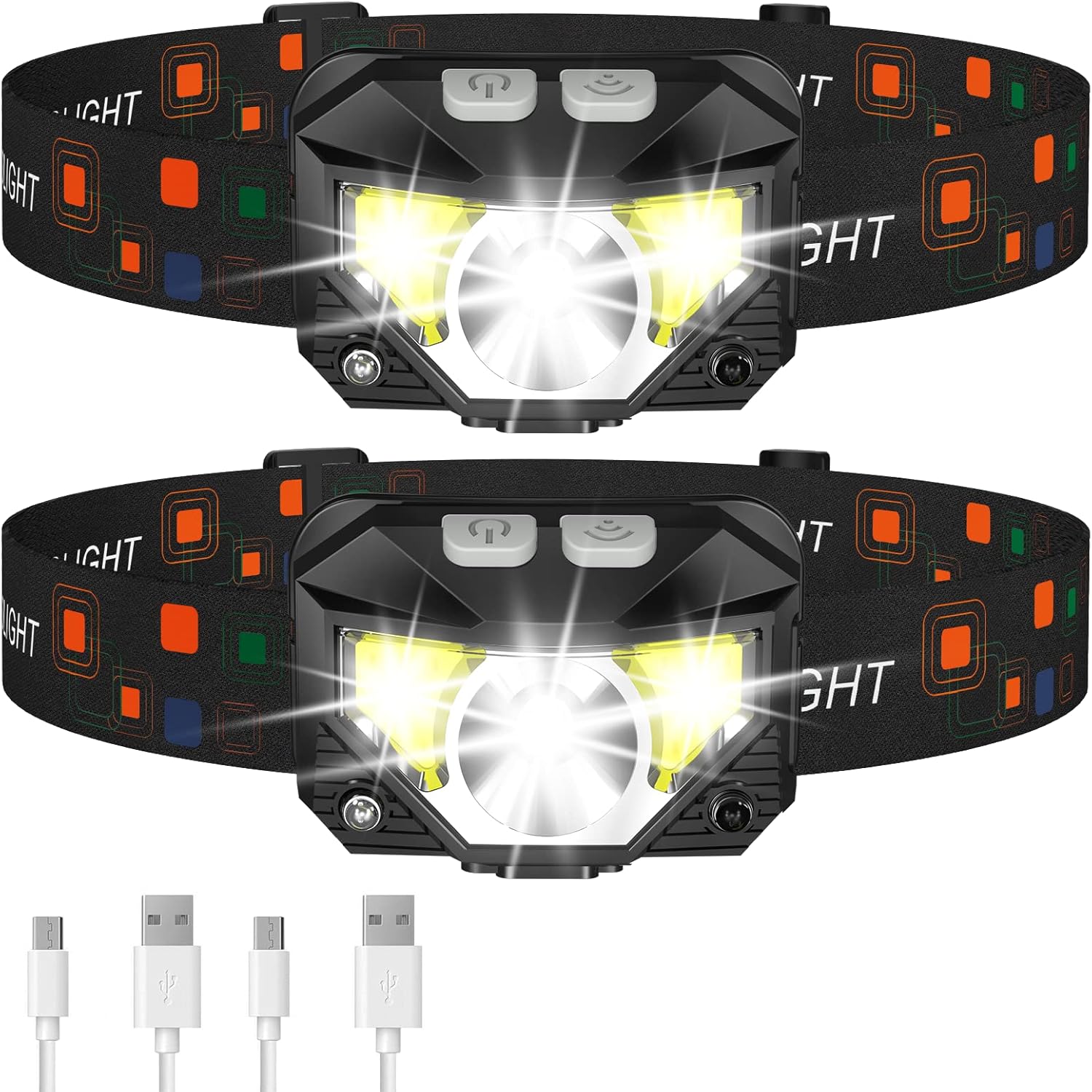
- Headlamp or flashlight: Carry a dedicated light even when you expect to finish before dark. A phone flashlight is a poor substitute for a hands-free headlamp during an unexpected delay.
- Extra food: Pack more food than you expect to need, especially on remote or demanding routes.
- Emergency shelter: A lightweight bivy, emergency blanket, tarp, or other route-appropriate shelter can reduce exposure if an injury forces you to stop.
- Repair gear: A small multitool, tape, cord, and repair materials matched to your equipment can solve minor failures before they become bigger problems.
- Backup power: A compact battery bank is useful when a phone provides navigation or communication, but it should supplement rather than replace non-electronic emergency planning.
- Whistle or emergency communicator: A whistle is lightweight, while a satellite communicator or personal locator device can add a communication option where cellular service is absent.
Optional Electronics and Comfort Items
Some gear becomes useful only for particular trips. A rechargeable hand warmer is generally unnecessary during a hot day hike, but it can be useful on trips involving cold high-elevation mornings, chilly evenings, or large temperature swings.
A solar charger can supplement a power strategy during extended trips, although a charged battery bank is usually simpler for a normal day hike. Do not rely on solar charging as your only emergency power source because shade, clouds, panel size, orientation, and available daylight affect output.
A lightweight laptop may make sense for a travel-and-work trip or established base camp, but it is rarely an essential item for a recreational day hike. Extra electronics add weight and must be protected from heat, impact, dust, and water.
Frequently Asked Questions
What should I wear for hiking in warm weather?
Wear lightweight, quick-drying clothing that manages sweat, plus hiking socks and footwear suited to the terrain. Add a wide-brimmed hat, UV-rated sunglasses, and sun-protective clothing where useful. Carry a light rain or wind shell even when the day begins warm.
What type of fabric is best for hiking in warm weather?
Quick-drying synthetic fabrics such as polyester and nylon work well, and lightweight merino wool is another good option. These materials generally manage moisture better than heavy cotton when you are sweating or could become wet.
Should I wear long pants or shorts for hiking in warm weather?
Both can work. Shorts maximize airflow, while lightweight hiking pants provide more protection from sun, insects, brush, and rough vegetation. Choose according to the weather and terrain rather than temperature alone.
What type of footwear is best for hiking in warm weather?
Breathable hiking shoes or trail runners work well for many warm-weather hikes, while sturdier boots can provide more protection on rough terrain or with heavier loads. Prioritize fit, traction, terrain suitability, and comfort. Open sandals are best reserved for routes where their reduced toe and side protection will not create unnecessary risk.
What accessories should I bring for hiking in warm weather?
Bring UV-rated sunglasses, broad-spectrum SPF 30+ sunscreen, a wide-brimmed hat, water, navigation, first aid, a headlamp, extra food, insect protection where needed, and a lightweight weather layer. Longer or remote hikes also call for emergency shelter, repair supplies, and reliable backup communication or signaling.
How much water should I carry for a warm-weather hike?
There is no universal amount. One useful planning baseline from current National Park Service guidance is at least 1 liter per two hours of hiking, but hot weather, strenuous climbing, high altitude, dry conditions, and individual sweat rate can increase your needs. Plan around the specific route and reliable water sources.
How can I avoid overheating while hiking?
Start during a cooler part of the day, choose breathable clothing, slow your pace in direct sun, rest in shade, drink regularly, and watch for headache, dizziness, weakness, nausea, confusion, or unusually heavy sweating. Turn around early when the heat is becoming harder to manage instead of waiting for symptoms to become severe.
Sources
- U.S. National Park Service — Ten Essentials — navigation, sun protection, hydration, emergency shelter, illumination, food, first aid, and other core hiking equipment.
- Centers for Disease Control and Prevention — Heat and Athletes — hot-weather exercise, hydration, pacing, and warning signs.
- American Academy of Dermatology — How to Apply Sunscreen — broad-spectrum SPF 30+ sunscreen and reapplication guidance.
- U.S. Food and Drug Administration — Sun and Sunglasses Safety — UV400 and 100% UV-protection guidance for sunglasses.
- U.S. Environmental Protection Agency — Skin-Applied Repellent Ingredients — EPA-registered insect-repellent active ingredients.
- U.S. National Park Service — Water Purification — treatment of water collected from natural sources.