
Last Updated on September 10, 2026 by Daniel Globe
How much water you should bring hiking depends on how long you will be on the trail, how hard you will be working, the weather, elevation, your own sweat rate, and whether dependable drinking water is available along the route. Planning enough water matters, but so does avoiding the opposite problem: forcing yourself to drink more fluid than your body needs.
Quick Answer
For most day hikes, plan carrying capacity around 0.5 liter (17 oz) per hour in mild conditions and closer to 1 liter (34 oz) per hour in hot, dry conditions. Treat those numbers as planning ranges, not drinking quotas: during exertion, current wilderness-medicine guidance favors drinking to thirst and avoiding forced overhydration.
Key Takeaways
- A practical planning range is roughly 0.5 liter per hour in mild conditions, increasing toward 1 liter per hour in hot, dry, strenuous conditions.
- Your actual drinking rate should respond to thirst rather than a rule that forces you to finish a fixed amount every hour.
- Heat, sun exposure, humidity, elevation gain, pack weight, hike duration, body size, acclimatization, and individual sweat rate can all change fluid needs.
- For long hikes with heavy sweating, food and electrolyte-containing drinks can help replace sodium, but electrolytes do not make excessive fluid intake safe.
- Always confirm water availability before relying on a refill point, and treat uncertain backcountry water before drinking it.
At a Glance
| Mild / Moderate Conditions | Plan roughly 0.5 liter (17 oz) of carrying capacity per hour as a starting estimate, then adjust for your route and body. |
| Hot / Dry Conditions | Capacity may need to approach 1 liter (about 1 quart) per hour, especially on exposed desert hikes. |
| Long / Sweaty Hikes | Include food containing sodium and consider a balanced electrolyte drink when sweating heavily for several hours. |
| Drinking Strategy | Start normally hydrated, keep water accessible, drink when thirsty, and do not force fluid simply to reach a preset hourly target. |
Disclosure: As an Amazon Associate I earn from qualifying purchases. Some links on this page are affiliate links, at no extra cost to you.
Why Hydration Matters While Hiking
Hiking increases heat production and breathing rate, while sweating removes water and sodium from the body. Adequate fluid supports circulation, temperature control, normal muscle function, and physical performance. As fluid losses increase, hiking can feel harder and your ability to shed heat can decline.
Dehydration is especially concerning when strenuous activity is combined with heat. The Wilderness Medical Society’s heat-illness guidance notes that dehydration increases physiological strain during exercise in hot environments.
Hydration is only one part of heat safety, however. Pacing, shade, acclimatization, clothing, rest breaks, and avoiding the hottest part of the day can be just as important as the amount of water in your pack.
Factors Affecting Hydration Needs
There is no single amount of water that fits every hiker. A steep climb with a heavy backpack can produce far more sweat than an easy walk on a cool, shaded trail.
Hike Length and Intensity
Longer hikes require more total carrying capacity. Steep terrain, fast pacing, scrambling, heavy packs, and sustained climbing can increase heat production and sweat loss even when the air temperature does not feel extreme.
Temperature, Sun, and Humidity
Hot weather usually raises fluid needs. Direct sun can add significant heat stress, while dry air can make sweat evaporate so quickly that you may not notice how much you are losing. High humidity creates a different problem: sweat evaporates less efficiently, which can make your body feel hotter even though your clothing is visibly wet.
Individual Sweat Rate and Acclimatization
People differ greatly in how much they sweat. Body size, genetics, pace, clothing, fitness, and heat acclimatization all matter. Someone accustomed to hiking in summer heat may respond differently from a visitor arriving from a cool climate.
For repeated long hikes, you can estimate your personal sweat rate by comparing body weight before and after a representative workout while also accounting for fluid consumed. The Wilderness Medical Society’s exercise-associated hyponatremia guidance recommends individualized estimates for endurance activities rather than assuming one fluid prescription works for everyone.
Age, Medical Conditions, and Medications
Older adults may experience a weaker thirst response, while some medical conditions and medications affect fluid balance, kidney function, sweating, or heat tolerance. People with heart, kidney, endocrine, or significant chronic medical conditions should follow individualized advice from their healthcare professional rather than relying on a generic hiking formula.
Recommended Water Intake for Hiking
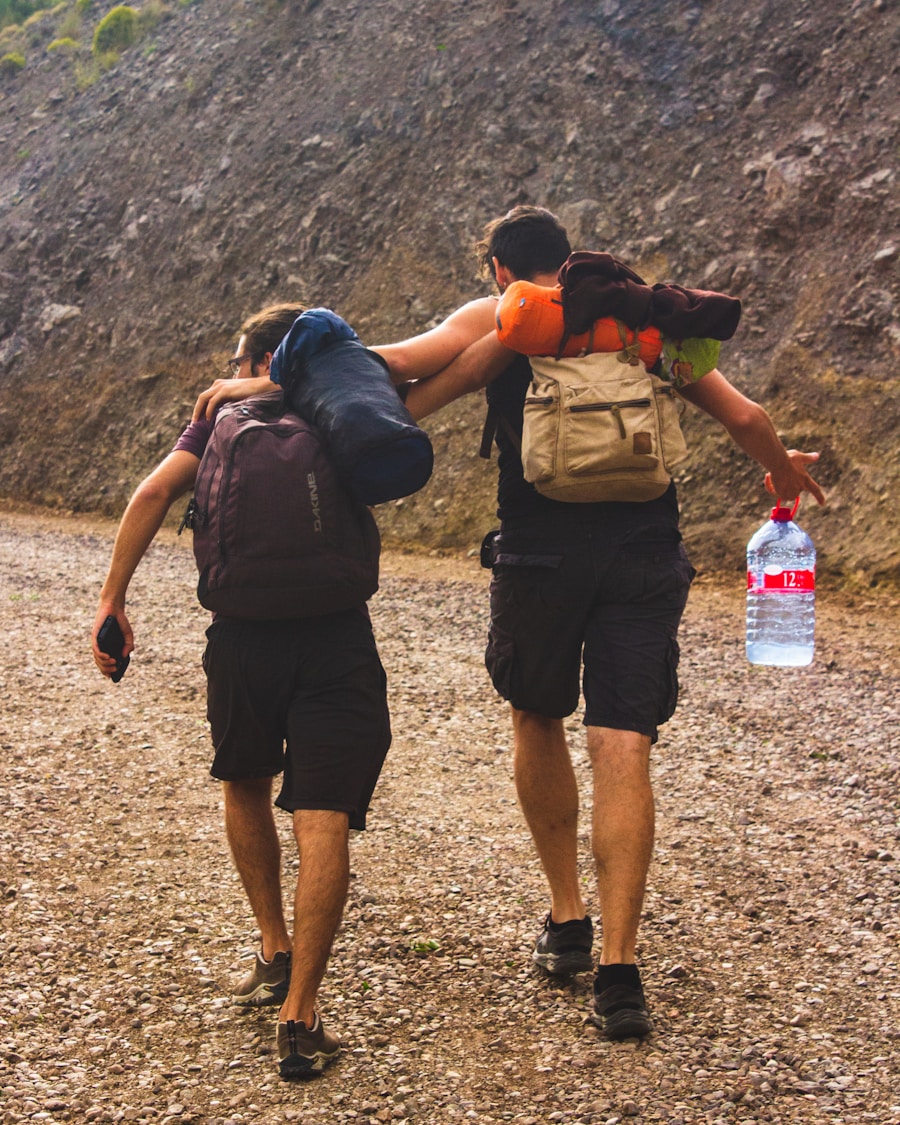
A useful way to plan water is to estimate how much carrying capacity your route may require and then let actual drinking respond to thirst. For many moderate hikes in mild weather, roughly 0.5 liter per hour is a reasonable starting point for planning. Conditions can push that number higher.
For example, Saguaro National Park advises hikers in hot, dry summer conditions to plan around 1 quart of water per hour. Other National Park Service guidance uses a broader range of about 1 liter every one to two hours. These recommendations show why trail conditions matter more than a single universal number.
In hot, dry desert conditions, carrying about 1 liter of water for every hour of hiking may be appropriate—but that is a planning figure, not an instruction to force down 1 liter every hour.
How to Calculate How Much Water to Carry
Use this simple process before leaving the trailhead:
- Estimate your total hiking time. Include the return trip, climbing time, rest stops, and a realistic delay margin.
- Choose a planning rate for the conditions. Around 0.5 liter per hour can be a starting point in mild weather; hot, dry, exposed terrain may require capacity closer to 1 liter per hour.
- Adjust for your personal history. If you know you sweat heavily, hike with a heavy pack, or are not acclimatized to heat, carry more.
- Verify refill points. Do not reduce your starting supply because a map shows a creek unless that source is dependable and you have an appropriate treatment method.
- Add a reserve. Carry enough flexibility for a navigation error, unexpected heat, a delayed return, or a dry water source.
For a three-hour moderate hike, for example, a planning baseline might be around 1.5 liters plus an appropriate reserve. In hot desert conditions, the same three-hour outing could require substantially more carrying capacity. Your actual consumption may be lower or higher depending on thirst and conditions.
Pro Tip: In hot, remote terrain, keep track of how much water remains as carefully as you track distance. Saguaro National Park advises hikers to turn back when half their water supply is gone rather than assuming the remaining route will be easier.
Do Not Turn the Estimate Into a Drinking Quota
The newest wilderness-medicine guidance is important here. The Wilderness Medical Society recommends drinking according to thirst during exertion instead of following a schedule that forces fluid intake. Drinking more than your body can excrete can dilute blood sodium and cause exercise-associated hyponatremia.
Warning: More water is not always safer. Overdrinking water or sports drinks can cause exercise-associated hyponatremia. Headache, nausea, vomiting, bloating, confusion, seizures, or collapse during or after prolonged exertion require urgent medical assessment rather than simply drinking more fluid.
Signs of Dehydration
| Possible Sign | What It May Mean |
|---|---|
| Thirst | A normal signal that your body is prompting you to drink. |
| Dark or Low-Volume Urine | Can be consistent with dehydration, but urine color and output should not be used alone to diagnose hydration status. |
| Dry Mouth | May occur as fluid deficit develops, especially in dry environments. |
| Fatigue or Weakness | Can accompany dehydration but also overlaps with heat illness, low energy intake, altitude illness, and other problems. |
| Dizziness or Headache | May occur with dehydration, heat illness, altitude illness, or hyponatremia and should be interpreted with the full situation. |
Mild dehydration may produce thirst, dry mouth, tiredness, reduced urine output, or darker urine. These clues are useful, but no single symptom proves that dehydration is the cause.
Note: Urine color is a rough field clue, not a perfect hydration test. Vitamins, foods, medications, time of day, and hormonal changes can alter urine color or volume. The Wilderness Medical Society also cautions that reduced urine output can occur with hyponatremia.
Know the Heat-Stroke Red Flags
Confusion, loss of coordination, seizures, collapse, or other altered mental status during strenuous activity in the heat is more serious than ordinary thirst. These signs can indicate exertional heat stroke, which is a medical emergency.
Stop exertion, call for emergency help or begin evacuation, and cool the person rapidly. The Wilderness Medical Society identifies cold-water immersion as the preferred rapid-cooling method when it is available. Do not delay cooling simply to make the person drink.
Tips for Staying Hydrated on the Trail
Good hiking hydration starts before you leave. Arrive normally hydrated rather than deliberately “loading” yourself with large amounts of water immediately before the hike. Keep water easy to reach so you can respond to thirst without having to unpack your bag.
- Check the forecast, expected shade, elevation gain, and trail exposure before deciding how much to carry.
- Start early during hot weather and reduce pace when conditions become hotter than expected.
- Drink when thirsty instead of forcing yourself to finish a bottle according to a rigid schedule.
- Eat during longer hikes; normal foods help replace energy and electrolytes lost during prolonged activity.
- Track your remaining water and turn around before your reserve becomes dangerously low.
- Carry extra capacity when a route has unreliable water sources or no easy bailout point.
Water-rich foods such as oranges, melon, grapes, and other fruit can contribute fluid and carbohydrate during rest stops, but they should supplement rather than replace your planned drinking-water supply.
When Do You Need Electrolytes?
For a short or moderate hike, plain water plus normal meals or snacks is usually adequate for many healthy hikers. Electrolyte replacement becomes more useful when sweating continues for several hours, especially in heat.
Salty snacks, meals containing sodium, or a balanced electrolyte drink can help replace sodium lost in sweat. A banana can provide carbohydrate and potassium, but it is not a high-sodium food.
Electrolytes also do not cancel the risk of drinking too much. The Wilderness Medical Society specifically warns that sports drinks can still contribute to hyponatremia when consumed in excessive quantities.
Hydration Gear for Hiking
Hydration packs are popular because the drinking tube stays within reach while you walk. This convenience can make it easier to take a drink when you become thirsty without stopping to remove your backpack.
Traditional bottles remain an excellent choice because they are simple, easy to inspect, and make it obvious how much water you have left. Wide-mouth bottles can also be easier to refill from a filter or water-treatment system.
For remote trips, redundancy matters. Carrying two containers instead of one large reservoir gives you a backup if a cap leaks, a bottle is dropped, or a hydration bladder fails.
Insulated bottles can keep water cooler in hot weather, but insulation adds weight. For most hikes, container capacity, leak resistance, accessibility, and durability matter more than keeping the water ice-cold.
Planning Refills and Treating Backcountry Water
Do not assume that a blue line on a map guarantees drinkable water. Seasonal streams can dry up, springs can stop flowing, and developed water systems can fail. Check current ranger or land-management information shortly before the hike whenever you plan to depend on a refill point.
Water from a lake, river, spring, or stream can look clear and still contain disease-causing microorganisms. The CDC’s backcountry water-treatment guidance says boiling is the best way to kill germs. If boiling is not practical, the CDC recommends filtering water and then disinfecting the filtered water.
The CDC advises bringing clear water to a rolling boil for one minute, or three minutes above 6,500 feet. Portable filters differ in what they remove, so follow the manufacturer’s instructions and understand whether your system addresses parasites, bacteria, and viruses.
Carry enough untreated-water capacity to reach the source, enough treatment equipment for the trip, and a backup plan if the expected source is dry or contaminated by chemicals or harmful algal toxins.
Hydration Strategies for Different Terrains
Hot and Arid Trails
Desert hiking creates some of the highest water-planning demands. Low humidity can make sweat evaporate almost immediately, so heavy fluid loss may be less obvious than it is in humid weather. Carry extra capacity, start early, seek shade during breaks, and avoid committing to a route that leaves no safe turnaround point after most of your water is gone.
Humid Trails
Humidity does not mean you need less attention to hydration. High humidity limits sweat evaporation and can increase heat strain. Slow your pace, rest when needed, and do not assume that damp air protects you from dehydration or heat illness.
Cold-Weather Hiking
You still lose water through breathing and activity in cold weather, even though thirst may feel less noticeable. Keep bottles from freezing, make drinking convenient, and continue responding to thirst throughout the hike.
High-Altitude Hiking
High-altitude environments are commonly cold and dry, and increased ventilation can add respiratory water loss. Staying adequately hydrated is sensible, but drinking extra water does not prevent acute mountain sickness.
The CDC Yellow Book’s altitude guidance emphasizes gradual acclimatization and appropriate ascent rates. Headache, dizziness, nausea, and fatigue at altitude can overlap with dehydration, so do not automatically treat every symptom by drinking more water.
Post-Hiking Hydration and Recovery
After the hike, continue drinking according to thirst and eat a normal recovery meal or snack. Food supplies carbohydrate, sodium, potassium, and other nutrients that help replace what was used or lost during activity.
You do not need to rapidly force large volumes of plain water immediately after finishing. The Wilderness Medical Society’s hydration review notes that drinking plain water along with a meal containing adequate sodium can support post-exercise recovery.
After a long, hot hike with heavy sweating, an electrolyte-containing beverage may also be useful. Continue to avoid excessive fluid intake, especially if you feel bloated, nauseated, confused, or unusually unwell.
Note: This article provides general hiking-safety information, not individualized medical advice. Fluid and electrolyte needs can be different for people with heart, kidney, endocrine, or other medical conditions or for those taking medications that affect fluid balance or heat tolerance.
When preparing for a hiking trip, hydration gear should be considered alongside the rest of your equipment. If you also hike with photography equipment, this guide to the best travel camera backpacks can help you organize camera gear while keeping bottle pockets or a hydration reservoir accessible. Whatever pack you use, make sure you can reach your water without unpacking everything on the trail.
Love travel? Join Our Facebook Community For More Tips.
Frequently Asked Questions
How much water should I bring for hiking?
For planning, roughly 0.5 liter per hour can be a useful starting point in mild conditions, while hot, dry hiking may require carrying capacity closer to 1 liter per hour. Adjust for terrain, weather, sweat rate, refill availability, and emergency reserve. Drink according to thirst rather than forcing yourself to consume the full planned amount.
How much water should I bring for a three-hour hike?
In mild conditions, around 1.5 liters plus a reasonable reserve can be a starting estimate for carrying capacity. A hot, exposed desert hike may require much more. Your route, pace, personal sweat rate, and reliable refill options should determine the final amount.
What factors affect how much hiking water I need?
Important factors include hike duration, climbing, pace, pack weight, temperature, humidity, sun exposure, altitude, body size, personal sweat rate, heat acclimatization, and whether reliable treated water is available along the route.
Should I drink water before I feel thirsty while hiking?
Start your hike normally hydrated and keep water easy to reach, but current Wilderness Medical Society guidance favors drinking according to thirst during exertion. Forcing fluid beyond thirst can increase the risk of exercise-associated hyponatremia.
Do I need electrolytes when hiking?
Not necessarily on every short hike. Plain water and normal food are often adequate during mild to moderate activity. During several hours of heavy sweating, especially in heat, salty foods or a balanced electrolyte drink can help replace sodium. Electrolytes do not protect you from hyponatremia if you overdrink.
Can I refill my bottle from a stream while hiking?
Do not assume untreated stream, lake, or spring water is safe. CDC guidance recommends boiling uncertain water when possible; otherwise, filtering followed by disinfection provides broader protection from waterborne germs. Also verify that the source is currently flowing before depending on it.
What are the risks of drinking too little or too much water while hiking?
Too little fluid can contribute to dehydration and greater heat strain. Too much fluid can dilute blood sodium and cause exercise-associated hyponatremia. Because the symptoms can overlap, severe headache, repeated vomiting, confusion, seizures, collapse, or altered mental status during or after exertion should be treated as a medical emergency.
Sources
- Wilderness Medical Society — Heat Illness Clinical Practice Guideline Summary — supports current drink-to-thirst guidance, dehydration risk, heat-stroke warning signs, and cooling recommendations.
- Wilderness Medical Society — Exercise-Associated Hyponatremia Guideline — supports warnings about excessive fluid intake, thirst-guided drinking, and overlapping symptoms.
- Wilderness Medical Society — Hydration for Adventurers — supports individualized hydration, avoidance of hyperhydration, and post-activity recovery guidance.
- National Park Service — Saguaro National Park Hiking Safety — supports hot, dry desert water-planning guidance and the recommendation to turn back before the water supply becomes critically low.
- CDC — Water Treatment Options When Hiking, Camping, or Traveling — supports boiling, filtration, disinfection, and backcountry drinking-water safety.
- CDC Yellow Book — High-Altitude Travel and Altitude Illness — supports altitude-acclimatization guidance and explains why symptoms at altitude should not automatically be blamed on dehydration.

