
Last Updated on September 10, 2026 by Daniel Globe
What you wear hiking should match the weather, trail surface, distance, elevation, and weight you plan to carry. A comfortable outfit usually starts with well-fitting trail footwear, moisture-managing socks and clothing, and layers you can add or remove. You should also carry enough protection for weather changes, even when the hike looks easy at the trailhead.
Quick Answer
For most hikes, wear moisture-wicking synthetic or merino clothing, supportive trail shoes or hiking boots, cushioned hiking socks, and flexible pants or shorts. Carry a warm layer and a waterproof shell when conditions may change. Avoid cotton in cold or wet weather because it holds moisture and dries slowly.
Key Takeaways
- Match your footwear to the terrain, weather, pack weight, and your own fit needs rather than assuming every hike requires a heavy boot.
- Use moisture-managing base layers, an insulating layer when needed, and a waterproof or wind-resistant shell for changing conditions.
- Wear wool or synthetic hiking socks and avoid cotton clothing when cold, rain, or prolonged moisture is possible.
- Carry navigation, sun protection, insulation, light, first aid, food, water, emergency shelter, and other appropriate hiking essentials.
- Check the forecast and trail conditions before leaving, and change your plans when heat, lightning, flooding, snow, or other hazards make the route unsafe.
What to Wear Hiking at a Glance
Hiking Outfit at a Glance
| Warm, dry trail | Moisture-wicking shirt, hiking shorts or light pants, hiking socks, trail runners or hiking shoes, hat, and sunglasses. |
| Cool or changeable weather | Base layer, hiking pants, fleece or light insulated layer, rain shell, hiking socks, and trail footwear. |
| Wet conditions | Quick-drying base clothing, waterproof/breathable jacket, rain pants when needed, wool or synthetic socks, and footwear suited to mud and wet terrain. |
| Cold conditions | Wicking base layer, fleece or insulated mid-layer, weatherproof shell, hiking pants or thermal bottoms as needed, warm socks, gloves, and a warm hat. |
| Rocky or rough terrain | Durable hiking pants, grippy hiking shoes or supportive boots, hiking socks, and enough foot protection for rocks, roots, scree, and the load you are carrying. |
Choose the Right Hiking Footwear
Selecting appropriate footwear is one of the most important clothing decisions for a hike. The right choice depends on the terrain, weather, duration, pack weight, and how the footwear fits your feet.
For a maintained trail with a light daypack, a low-cut hiking shoe or trail runner may provide all the traction and protection you need. Rougher trails, loose rock, off-trail travel, wet conditions, or heavier loads may make a stiffer mid- or high-cut hiking boot more useful. Current Salomon footwear guidance likewise recommends choosing shoe height according to terrain, exposure, pack size, duration, and experience rather than treating one style as best for every hike.
Traction matters on rocky paths, loose soil, mud, roots, and steep grades. Look for an outsole suited to the terrain, enough protection around the toes, and a secure heel. Higher boots can provide more coverage and a more supportive feel, while lighter low-cut footwear usually feels more agile and breathable.
Waterproof footwear can help in wet grass, shallow mud, snow, and sustained rain, but waterproof membranes can also feel warmer and less ventilated in hot, dry weather. A breathable trail shoe may therefore be more comfortable on dry summer hikes.
Products Worth Considering

TOTAL WATERPROOF PROTECTION: These hiking boots feature a sealed waterproof membrane that locks out rain, slush, and mud. Your feet stay dry and comfortable during all-day outdoor adventures, from forest trekking to wet camping mornings

Waterproof Hiking Performance: Features a waterproof membrane that seals out water while allowing moisture to escape, helping keep feet dry and comfortable on wet trails and unpredictable terrain.

LASTING COMFORT - Our womens hiking boots have a durable rubber sole that provides greater comfort, which reduces foot fatigue as you traverse over thick roots and rocks. Padded tongue & ankle for extra cushioning and all-day comfort.
How Hiking Shoes and Boots Should Fit
Fit matters more than the brand name on the shoe. Ill-fitting footwear can cause rubbing, hot spots, blisters, bruised toes, and heel movement.
Try hiking footwear on with the socks you expect to use on the trail. Salomon recommends trying shoes later in the day, when feet may be slightly swollen. Your heel and midfoot should feel secure, while your toes should have room to move without striking the front on descents.
Pro Tip: Test new footwear on stairs, an incline ramp, or a short local walk before committing to a long hike. Any pressure point that bothers you in the store is unlikely to improve after several miles.
Choose Hiking Socks and Avoid Cotton
Hiking socks help manage moisture, reduce friction, and add cushioning between your foot and shoe. Wool blends and synthetic hiking socks are common choices because they manage moisture better than ordinary cotton socks.
Choose the thickness to match your footwear and temperature. A thick sock is not automatically better. If it makes your shoe too tight, it can create pressure and rubbing. Carrying a dry spare pair is useful on long, wet, or multi-day hikes.
Cotton clothing is especially troublesome in cold or wet conditions because it absorbs moisture and dries slowly. The National Park Service recommends wool or synthetic clothing instead of cotton for cold-weather recreation because wet cotton provides poor insulation.
Products Worth Considering

SELECTED MATERIAL - These womens hiking crew socks made of 70% MERINO WOOL, 23% polyester, 5% spandex , 2% nylon.They can keep the temperature and warm up your feet in cold weather.

Premium Quality:Made with Australia extra fine merino wool and acrylic blending,nature fabrics breathable and comfortable for all seasons

Premium Merino Wool Blend + Breathable Design – All-Day Freshness: Crafted from 50% Merino wool mixed with tough nylon and polyamide, these hiking socks keep moisture under control and let your feet breathe easy. The breathable mesh helps you stay cool on spring hikes, summer camps, or any mild-weather adventure—no swampy, stuffy feet after hours on the trail
Layering for Comfort and Protection
Layering lets you change your clothing as your effort level and the weather change. You may start a hike in cool air, warm up quickly on a climb, then become chilled during a windy rest stop. Separate layers are easier to manage than one heavy garment.
Products Worth Considering

Lightweight – Womens Merino Base Layer Available in Lightweight 165 g/m², Midweight 250 g/m², Heavyweight 320 g/m². Merino Wool Hiking Socks ($21 Value!); Package includes Women Merino Wool Base Layer Top Lightweight 165 g/m² + Wool Socks. Cool Packaging! Makes a Great Gift;

Everyday Shirt: Womens Merino Wool Base Layer is ideal to be worn as a standalone piece or layered for year-round adventures;

Designed for hiking and snow sports
Base Layer: Manage Moisture
The base layer sits closest to your skin. Merino wool and synthetic fabrics are common choices because they move moisture away from the skin and dry more effectively than cotton. A lightweight shirt may be enough in mild weather, while colder trips may call for long-sleeve thermal tops and bottoms.
Insulating Layer: Hold Warmth
The insulating layer adds warmth. Fleece and synthetic insulation are dependable choices when conditions may be damp. Down insulation provides excellent warmth for its weight but should be protected from prolonged moisture unless the garment is specifically designed to handle it.
A fleece jacket is particularly versatile because you can put it on during breaks and remove it during strenuous climbing.
Outer Shell: Block Wind and Rain
The outer shell protects you from rain and wind. A waterproof and breathable shell can reduce exposure while allowing some water vapor from perspiration to escape. Products using GORE-TEX technology are one example, but many other waterproof/breathable fabrics are available.
No breathable rain jacket can eliminate sweat during hard exertion. Use pit zips or other vents when available, slow your pace when overheating, and remove unnecessary insulation before you become soaked from perspiration.
What to Wear in Hot, Cold, and Wet Weather
Hot and Sunny Hikes
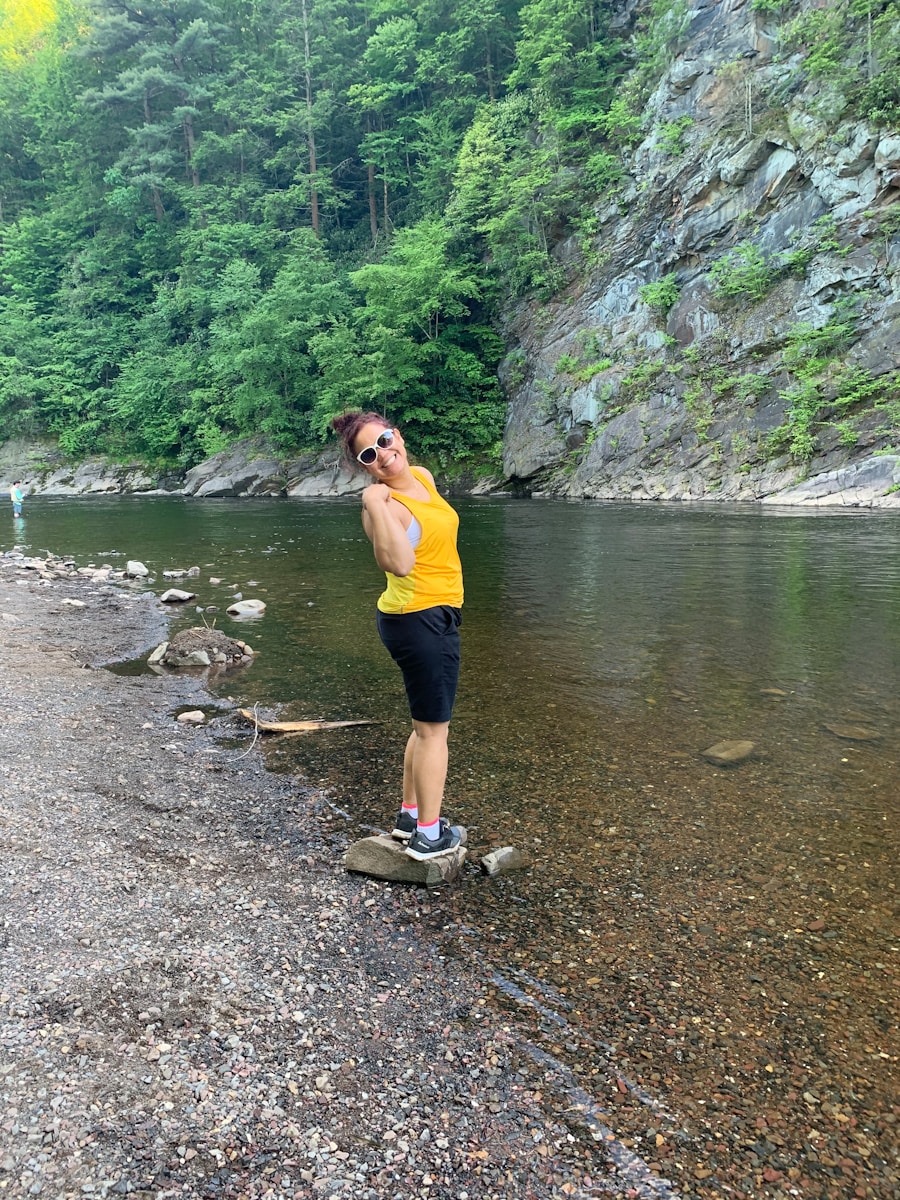
In hot weather, choose light, breathable clothing that does not restrict movement. A lightweight long-sleeve sun shirt can provide more skin coverage than a tank top while still allowing airflow. A brimmed hat, sunglasses, and sunscreen provide additional UV protection.
Hiking shorts can be comfortable on open trails, while lightweight pants give more protection from sun, brush, insects, and rough vegetation. In tick-prone areas, longer clothing can make it easier to reduce exposed skin.
Cold or Windy Hikes
Cold hiking requires enough insulation for both movement and rest. You may generate significant heat while climbing but cool quickly when you stop. Carry a warm layer even if you do not expect to wear it continuously.
A wicking base layer, fleece or insulated jacket, wind- and waterproof shell, gloves, and a warm hat form a flexible system. In colder conditions, thermal bottoms can be worn beneath hiking pants.
Rainy Hikes
A waterproof/breathable jacket is the main rain layer. Rain pants become more useful during prolonged rain, cold weather, wet vegetation, or exposed terrain. Keep spare clothing and other critical gear inside waterproof bags or pack liners.
Note: Waterproof clothing reduces exposure but does not guarantee protection from hypothermia. Cold temperatures, wind, wet clothing, fatigue, inadequate food, and delayed shelter can still create a dangerous situation.
Packing the Essential Backpack

When preparing for a hike, pack your backpack so that important gear is easy to reach and the load remains stable. Pack size depends on the trip. A 20- to 30-liter daypack works for many full-day hikes, while overnight and multi-day trips may require considerably more capacity depending on food, shelter, clothing, and weather.
Fit matters as much as capacity. Padded shoulder straps, an appropriate torso length, and a supportive hip belt can make heavier loads easier to manage.
How to Load a Hiking Backpack
Do not put your densest gear at the very bottom. Backpack makers such as Deuter recommend placing light, bulky items such as sleeping gear low in a large pack while keeping heavier equipment close to the back and generally around the middle to shoulder-height area. On difficult terrain, lowering the center of gravity slightly may improve balance.
Keep frequently used gear—such as snacks, a map, sunscreen, rainwear, and first aid supplies—in accessible pockets or near the top. Dry bags, stuff sacks, or a pack liner can help organize gear and protect critical items from moisture.
Remember the Ten Essentials
The National Park Service Ten Essentials are designed to help hikers handle minor injuries, weather changes, delays, and emergencies. Adapt them to your specific destination and trip:
- Navigation: map, compass, and/or GPS
- Sun protection: sunglasses, sunscreen, and hat
- Insulation: extra clothing and rain protection
- Illumination: headlamp or flashlight plus power or spare batteries
- First-aid supplies
- Fire-starting equipment where appropriate and legal
- Repair tools
- Extra food
- Water and water-treatment capability where needed
- Emergency shelter
Protecting Yourself from the Elements
| Element | Protection Method | What It Does |
|---|---|---|
| Sun | Broad-spectrum SPF 30+ sunscreen, sunglasses, hat, and protective clothing | SPF 30 filters about 97% of UVB rays when properly applied; no sunscreen blocks 100% |
| Rain | Waterproof/breathable jacket; rain pants when conditions warrant | Reduces wetting and helps limit heat loss in cool conditions |
| Wind | Wind-resistant or windproof outer layer | Reduces wind-driven heat loss and improves comfort |
| Cold | Layered clothing, gloves, warm hat, and dry insulation | Helps retain body heat and lowers exposure risk |
| Insects and ticks | Long clothing where appropriate and EPA-registered insect repellent used as directed | Helps reduce bites and tick exposure |
Sun exposure can cause sunburn and contributes to long-term skin damage. Wear sunglasses that protect against UV radiation, a hat, and sun-protective clothing where practical.
The U.S. Food and Drug Administration recommends broad-spectrum sunscreen and says it should generally be reapplied at least every two hours and more often when swimming or sweating. Dermatologists commonly recommend SPF 30 or higher for outdoor exposure.
In tick or mosquito country, the CDC recommends EPA-registered repellents such as products containing DEET, picaridin, IR3535, oil of lemon eucalyptus/PMD, or 2-undecanone, used according to the label. When both are used, CDC advises applying sunscreen first and insect repellent second.
Before leaving, check the current forecast, trail conditions, closures, and alerts for the exact area you plan to visit. Mountain and desert weather can differ greatly from conditions at the trailhead.
Warning: If you hear thunder, treat lightning as an immediate hazard. The National Weather Service says no place outdoors is safe during a thunderstorm. Leave exposed ridges and peaks and reach a substantial enclosed building or an enclosed hard-topped vehicle when one is accessible.
Navigational Tools and Safety Equipment
Unfamiliar trails require dependable navigation. A topographic map can show terrain, elevation changes, waterways, roads, and other features. A compass gives you a navigation option that does not depend on batteries or a cellular signal.
A GPS device or smartphone app can provide location information and route guidance, but download maps for offline use before leaving. Do not assume you will have cell service in the backcountry, and protect enough battery power for emergencies.
A whistle is useful for signaling without repeatedly shouting. A multi-tool or knife can help with simple repairs and food preparation. A dedicated headlamp or flashlight is preferable to relying only on a phone because it preserves phone battery power and provides hands-free illumination.
Before hiking, tell a responsible person where you are going, your intended route, and when you expect to return. The National Park Service specifically recommends leaving this information with someone who can report you overdue if necessary.
Hydration and Nutrition on the Trails
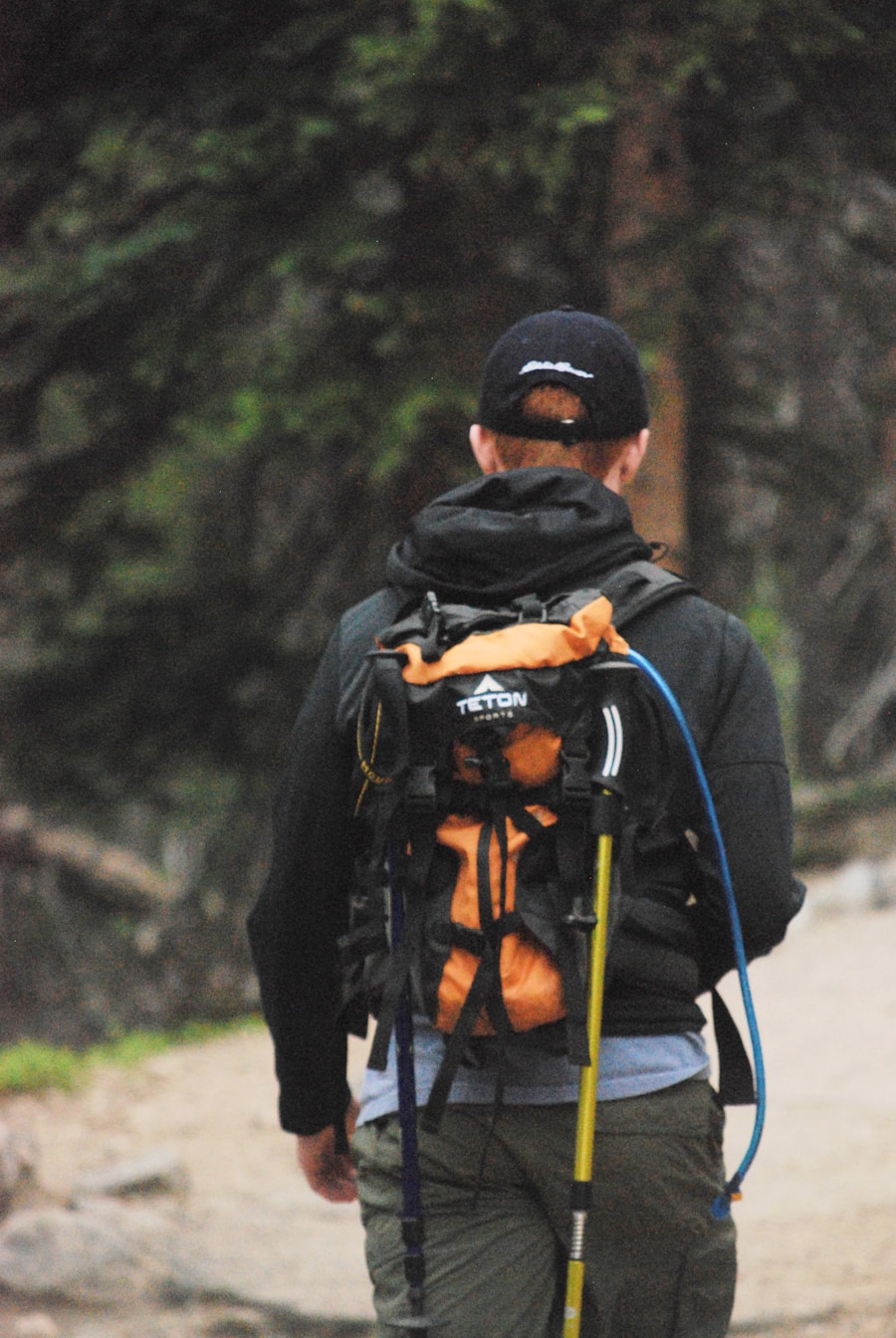
Maintaining hydration and energy matters for comfort, judgment, and physical performance. Dehydration can contribute to thirst, fatigue, dizziness, headache, and heat illness.
There is no single water amount that fits every hiker. As one planning benchmark, Great Smoky Mountains National Park recommends at least 1 liter of water for every two hours of hiking. Hot weather, high exertion, dry air, altitude, body size, and individual sweat rate can increase needs substantially.
Carry water where it is easy to reach and drink regularly according to conditions and your body’s needs. On long, hot hikes, food and electrolyte intake also matter. Drinking excessive amounts of plain water while losing large amounts of sodium through sweat can contribute to a dangerous electrolyte disorder called hyponatremia.
Warning: Confusion, fainting, seizures, severe weakness, altered mental status, or rapidly worsening heat illness are emergencies. Stop exertion, move to a safer environment when possible, begin appropriate cooling, and seek emergency medical help.
Food for the Trail
For quick energy, choose portable carbohydrate sources such as dried fruit, crackers, tortillas, pretzels, or energy bars. Trail mix can supply carbohydrates along with fat and protein. Nuts, nut butter, cheese where storage conditions permit, and jerky are useful protein- and fat-containing options rather than primary carbohydrate foods.
For longer hikes, bring enough food for the planned trip plus a sensible reserve for delays. Meals for overnight trips may include lightweight foods or dehydrated meals that require hot water, provided cooking is permitted and you carry appropriate equipment.
Treat Uncertain Backcountry Water
Clear-looking water is not necessarily safe to drink. The CDC recommends treating water when you are unsure of its safety. Boiling is the preferred way to kill germs; filtration followed by disinfection is another option when properly performed.
Essential First Aid Supplies
Accidents can happen even on a well-planned hike, so carry a first aid kit that matches the trip and your personal medical needs. A basic hiking kit may include adhesive bandages, blister care, sterile gauze, medical tape, antiseptic supplies, elastic wrap, gloves, and any personal medications you may require.
Over-the-counter pain relievers may be appropriate for some adults, but use medicines only according to the label and your own medical guidance.
Blister pads or moleskin are especially useful on long hikes. An emergency blanket or bivy can help reduce heat loss if an injury or unexpected delay leaves you exposed to cold weather.
First aid supplies are most useful when you know how to use them. Consider taking a recognized first-aid or wilderness first-aid course if you regularly hike in remote areas.
Note: A first aid kit does not replace professional medical care. Serious bleeding, major trauma, breathing problems, chest pain, severe allergic reactions, altered mental status, heat stroke, severe hypothermia, or an inability to evacuate safely require emergency assistance.
Other Considerations for a Safe and Enjoyable Hike
Gear selection is only part of hiking preparation. Choose a route that matches your fitness, experience, available daylight, and the current conditions. Overestimating your abilities can turn an enjoyable outing into an exhausting or dangerous one.
Trail etiquette also matters. Follow posted rules, avoid blocking narrow trails, keep unnecessary noise low, and give other users enough room to pass safely. Local right-of-way practices can vary, so follow signs and land-manager guidance.
Follow the Leave No Trace principles: plan ahead, travel on durable surfaces, dispose of waste properly, leave natural and cultural objects where they are, minimize fire impacts, respect wildlife, and be considerate of other visitors.
Hiking with a friend or group can provide useful support during an emergency. If you hike alone, trip planning becomes even more important: leave a route and expected return time with someone, understand the limits of cell coverage, and carry navigation and emergency equipment appropriate for the location.
For families, clothing and footwear are still the first priorities on trails. For travel days, paved park paths, accessible greenways, or getting between family attractions, a double stroller may also be useful. This guide to the best double stroller for travel covers options for family trips. A stroller should not be treated as a substitute for an appropriate child carrier on rough hiking trails that are not designed for wheeled access.
Love travel? Join Our Facebook Community For More Tips.
Frequently Asked Questions
What should I wear for hiking?
Wear comfortable moisture-managing clothing suited to the forecast and terrain. A typical outfit includes a synthetic or merino shirt, hiking pants or shorts, hiking socks, supportive trail footwear, and sun protection. Carry an insulating layer and waterproof shell when conditions may change.
What type of socks should I wear for hiking?
Wool-blend or synthetic hiking socks are good choices because they manage moisture and are available in different cushioning levels. Pick a thickness that fits comfortably inside your footwear without squeezing your toes or creating pressure points.
What accessories should I bring for hiking?
Useful accessories include a sun hat, sunglasses, sunscreen, insect repellent where needed, water, food, navigation tools, a headlamp, first aid supplies, and weather protection. For remote trips, also consider emergency shelter, repair tools, water treatment, and another reliable way to call or signal for help.
What should I avoid wearing for hiking?
Avoid footwear that cannot provide enough traction or foot protection for the trail, such as ordinary flip-flops on rough terrain. In cold or wet conditions, avoid cotton clothing and jeans because they absorb water and dry slowly. Clothing that restricts movement or causes rubbing is also a poor choice.
Do I need hiking boots, or are trail runners enough?
Trail runners or low hiking shoes are often suitable for maintained trails and light loads. Mid- or high-cut boots may be more useful on rough, loose, wet, snowy, or off-trail terrain and when carrying a heavier pack. Fit, traction, and comfort matter more than choosing the tallest boot.
Can I wear jeans on a hike?
Jeans may feel acceptable for a short, dry walk in mild weather, but they are a poor choice when rain, cold, snow, stream crossings, or heavy sweating are possible. Cotton denim absorbs moisture and dries slowly, so synthetic or wool-based hiking clothing is safer and more comfortable in changing conditions.
Sources
- National Park Service — Ten Essentials — navigation, insulation, lighting, first aid, food, hydration, tools, and emergency shelter.
- Great Smoky Mountains National Park — Hiking — current 2026 hiking essentials and water-planning guidance.
- U.S. Food and Drug Administration — Sun Safety — broad-spectrum sunscreen, sun-protective clothing, and reapplication guidance.
- CDC — Water Treatment When Hiking and Camping — treatment of uncertain natural water sources.
- National Weather Service — Lightning Safety — thunderstorm and lightning precautions.
- Leave No Trace — Seven Principles — responsible trail use and minimizing outdoor impact.
