
Last Updated on July 27, 2026 by Daniel Globe
Knowing what to bring hiking is about more than packing a water bottle and wearing comfortable shoes. A good hiking kit should help you navigate, handle changing weather, stay fueled, treat minor injuries, and cope with an unexpected delay. The exact gear changes with the trail, season, weather, distance, and whether you will be out for a few hours or overnight.
Quick Answer
For most hikes, bring the 10 Essentials: navigation, sun protection, extra clothing, a headlamp, first aid supplies, fire-starting equipment, repair tools, extra food, water and treatment supplies, and emergency shelter. Add supportive footwear, a comfortable backpack, personal medications, and any gear required for the trail, weather, wildlife, or overnight conditions.
Key Takeaways
- Pack the full 10 Essentials even when the planned hike is fairly short.
- Choose footwear and clothing for the actual terrain, weather, and temperature rather than the season alone.
- Carry a map or offline navigation option and do not depend on cellular service.
- Bring enough water for the route and treat natural water unless it is officially identified as potable.
- Check weather, closures, regulations, and trail difficulty, then leave your route and expected return time with someone you trust.
Footwear: Choose Shoes for the Terrain
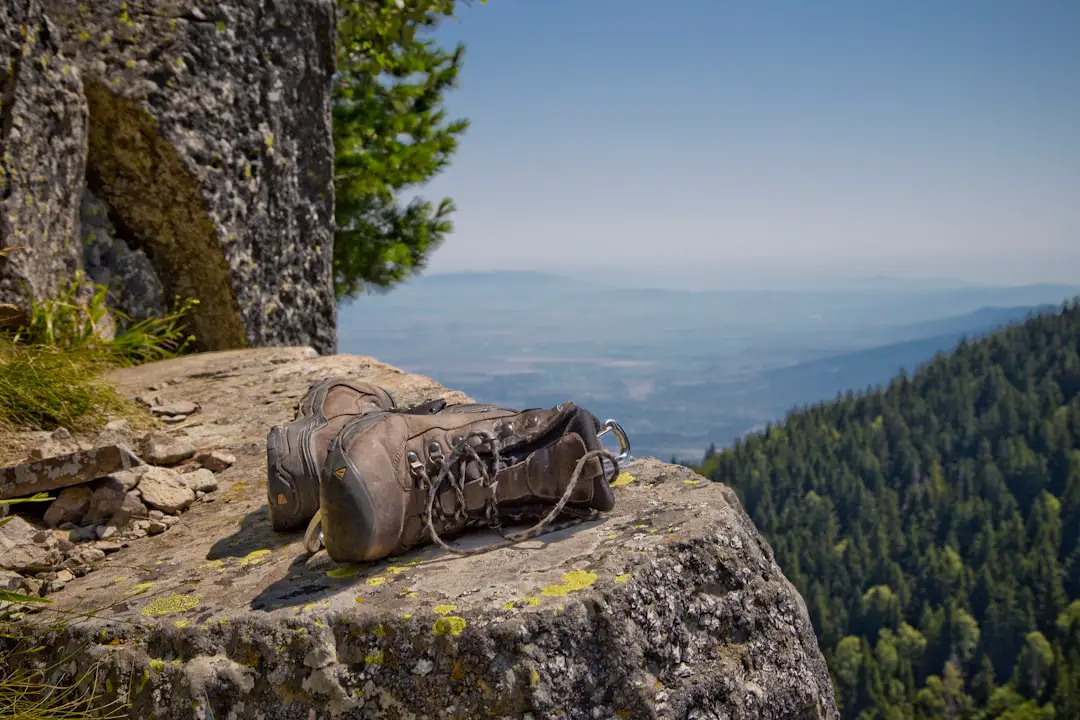
Footwear is one of the most important parts of a hiking setup. The best choice depends on the surface, distance, weather, pack weight, and how much support your feet need.
For rocky, loose, wet, or steep trails, look for hiking shoes or boots with a grippy rubber outsole and enough structure to keep your feet comfortable on uneven ground. Some Merrell, Salomon, and other hiking models use Vibram outsoles, but the brand of rubber alone does not determine traction. Tread pattern, rubber compound, fit, and trail conditions all matter.
Fit is more important than choosing a particular brand. Try hiking footwear with the socks you expect to wear. Your heel should feel secure, your toes should have room to move, and your foot should not slide around inside the shoe on descents.
Wear new footwear on shorter walks before committing to a long trail. Some lightweight hiking shoes need little break-in, while stiffer boots may become more comfortable after several outings. Wool or synthetic moisture-wicking socks can also reduce moisture and friction, and an extra dry pair is useful on longer hikes.
Pro Tip: Test your footwear on hills before a long hike. A shoe that feels fine on level ground may reveal heel slip on climbs or toe pressure on descents.
Products Worth Considering

Stronger and safer spikes: Featured 19 high quality stainless steel spikes per foot and firm chain system, providing excellent traction on a variety of terrain or other worst conditions, keep you safe and injury-free

Stronger and safer spikes: Featured 19 high quality stainless steel spikes per foot and firm chain system, providing excellent traction on a variety of terrain or other worst conditions, keep you safe and injury-free
Clothing: Dress in Layers for the Trail
Hiking clothing should help control moisture, protect you from the sun, and give you options when the temperature changes. Layering makes those adjustments easier.
Start with a moisture-wicking base layer rather than a cotton shirt that can stay wet for a long time. Merino wool and synthetic materials are common choices. In cooler conditions, add an insulating middle layer such as fleece or a lightweight insulated jacket.
Your outer layer should match the forecast. A wind-resistant or waterproof-breathable shell can help protect you from wind and rain. Even when the day begins warm, an extra layer can become important if you stop moving, gain elevation, encounter wind, or remain outside longer than planned.
Sun Protection
Sun exposure still matters on cool or cloudy hikes. The U.S. Environmental Protection Agency recommends broad-spectrum sunscreen with SPF 30 or higher along with protective clothing, a wide-brimmed hat, and UV-protective sunglasses.
Lightweight long sleeves and hiking pants can provide additional sun and insect protection. Convertible or zip-off pants can be useful where temperatures change substantially, although simple lightweight hiking pants work just as well for many trips.
Before You Leave: Plan the Hike
Good packing starts before anything goes into your backpack. Check the official land manager’s website for weather, trail conditions, closures, permits, water availability, fire restrictions, and wildlife concerns.
The National Park Service hiking-safety guidance also recommends choosing a route that matches your group’s ability and leaving a trip plan with a trusted person who is not on the hike. Include your route, trailhead, who is going, expected return time, and what that person should do if you do not return.
- Check the weather and expected temperature at the trail’s highest elevation.
- Check official trail alerts and closures.
- Know the distance, elevation gain, terrain, and expected hiking time.
- Set a turnaround time rather than hiking until you are exhausted.
- Tell someone where you are going and when you expect to return.
- Check permit, camping, food-storage, and fire rules.
- Know whether cellular service is available or unreliable.
Note: A downloaded map, phone charger, or satellite communicator can be useful, but technology works best as part of a backup plan rather than as your only navigation or emergency option.
Backpack: Carry Your Essentials Comfortably
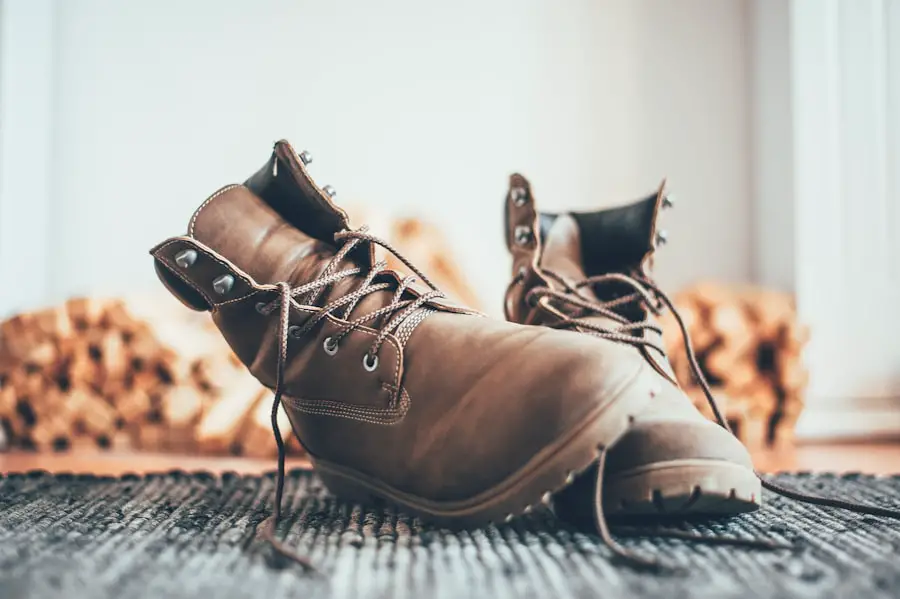
A well-fitted backpack keeps your hiking essentials organized and easier to carry. Capacity should be based on the length of the trip, climate, required water, and how bulky your extra clothing or emergency gear will be.
A small or medium daypack is usually enough for a simple day hike, while cold-weather, technical, or overnight trips often require substantially more space. Instead of choosing a pack only by its stated volume, make sure everything you need fits without forcing you to leave safety gear behind.
Look for comfortable shoulder straps and, on heavier loads, a supportive hip belt. Keep frequently used gear such as snacks, water, sunscreen, rain protection, navigation tools, and first aid supplies easy to reach.
Water-bottle pockets or a hydration reservoir can make it easier to drink regularly. External attachment points may also be helpful for trekking poles, but avoid leaving essential gear loosely attached where it can fall off.
Products Worth Considering

MINIMALIST HYDRATION DAYPACK: Designed for short hikes and excursions, this lightweight daypack features a streamlined yet capable design, an included hydration reservoir and durable ripstop main body fabric made from 100% recycled, ocean-sourced nylon

MINIMALIST HYDRATION DAYPACK: Designed for short hikes and excursions, this lightweight daypack features a streamlined yet capable design, an included hydration reservoir and durable ripstop main body fabric made from 100% recycled, ocean-sourced nylon

Lightweight 12 L Hydration Backpack: Super lightweight 8.5 oz hydration pack backpack with 2 L water bladder. Waterproof and tear-resistant fabric, PU coated nylon hydration pack bears 25 lbs
Navigation: Know Where You Are Going
Navigation at a Glance
| Primary Navigation | Current trail map, topographic map, or reliable offline mapping system |
| Backup | Paper map and compass where appropriate for the route |
| Power | Fully charged device plus backup battery for longer or remote hikes |
| Before Starting | Review trail junctions, turnaround points, water sources, hazards, and alternate exits |
Maps, compasses, GPS receivers, and offline mapping apps can all be useful, but carrying a tool is not the same as knowing how to use it. Review your route before leaving the trailhead and learn basic map-reading skills before entering unfamiliar backcountry.
A topographic map can show elevation changes, ridges, drainages, trails, and other landmarks. A compass can help orient the map and confirm direction when trail signs are absent.
Smartphone apps can provide downloaded maps and GPS positioning without cellular data, but batteries can fail and phones can be damaged or lost. In remote country, consider whether a satellite messenger or personal locator beacon is appropriate for the route.
Do not treat cellular reception as part of your safety plan. Remote trails may have little or no service, even when a phone’s GPS still works.
Hydration: Carry Enough Water
Dehydration can contribute to fatigue, headache, dizziness, and poor decision-making. Water needs vary widely with temperature, humidity, altitude, exertion, body size, and the individual hiker.
As a practical planning reference, Great Smoky Mountains National Park recommends at least 1 liter of water for every two hours of hiking. Hot weather or strenuous terrain may require more, so this should not be treated as a maximum.
Water bottles and hydration reservoirs both work. Choose whichever makes it easy for you to monitor your supply and drink while hiking. On long, hot, or strenuous outings, food and beverages containing electrolytes may also help replace what is lost through sweat.
Products Worth Considering

[5-Stage Filtration] - The Survimate water filter bottle utilizes advanced composite filter technology to effectively reduce a wide range of contaminants. The filter has passed authoritative NSF/ANSI 42 certification, it employs a coarse filter screen, a 0.01μm hollow fiber UF membrane, a sediment PP membrane, purification beads, and activated carbon fiber to reduce chlorine, unpleasant odors, heavy metals, sediment, soil, organic matter, and other impurities.

0.1 micron water filtration — 0.1 micron hollow fiber membrane filter for freshwater from lakes, rivers, streams. Under lab conditions, removes >99.9999% total coliform at start of life. For hiking, backpacking, camping, travel, emergency preparedness.

LifeStraw Go Series is the ULTIMATE SIDEKICK. The BPA-Free bottle filters out nasties so you can fill up from airport bathrooms, a tap in Mexico, or a gas station while road-tripping
Do Not Assume Natural Water Is Safe
Knowing where streams and springs are located can help with route planning, but a natural water source is not automatically safe to drink. The National Park Service water-treatment guidance warns that clear-looking water may still contain bacteria, viruses, and parasites.
Check whether reliable water is actually available before leaving and carry a treatment method appropriate for your destination. Follow the treatment manufacturer’s instructions and any local land-manager guidance.
Warning: Do not drink untreated stream, lake, or spring water simply because it looks clean. If a natural source is part of your plan, confirm its current availability and carry suitable treatment plus enough reserve water to handle a dry or contaminated source.
Food and Nutrition: Bring More Than You Expect to Eat
Pack foods that are easy to eat on the trail and provide useful energy without requiring cooking. Trail mix, nuts, nut or seed butter packets, dried fruit, sandwiches, bars, tortillas, and other compact foods can work well depending on your dietary needs.
For a short hike, bring enough for the expected outing plus a reserve snack. On longer or remote trips, extra food becomes more important in case the hike takes longer than planned. NPS hiking guidance recommends considering an extra day’s food for backcountry situations where an unexpected delay could occur.
Keep food protected from moisture and follow all local wildlife-food-storage requirements. In bear country or other regulated areas, a specific bear-resistant container or food-storage method may be mandatory.
Shelter: Prepare for an Unexpected Delay
Emergency Shelter Options
Even on a day hike, an unexpected injury, navigation problem, weather change, or late return can keep you outside longer than planned. A compact emergency bivy, tarp, or space blanket can provide some protection from wind and cold while adding little weight to a pack.
Investing in a Quality Shelter
For overnight trips, choose a tent, tarp, hammock system, or other shelter suited to the weather and campsite rules. Tents should provide adequate weather protection without being so heavy or complicated that they become impractical for your route. Brands such as Big Agnes and REI offer shelters in different sizes and weight ranges, but the best choice depends on the conditions rather than the brand.
Selecting the Right Shelter
Consider packed weight, weather resistance, interior space, ventilation, and how easily the shelter can be set up when you are tired or in poor weather.
Note: Check campsite, permit, and fire regulations before an overnight trip. Leave No Trace guidance emphasizes planning for local regulations, hazards, weather, and low-impact travel before entering the backcountry.
First Aid Kit: Handle Minor Injuries
Accidents can happen even on an easy trail, so every hiking group should have first aid supplies appropriate for the route and know how to use them. A basic kit may include adhesive bandages, sterile gauze, medical tape, antiseptic supplies, blister care, gloves, and personal medications.
The American Red Cross recommends checking first aid kits regularly and replacing used, damaged, or expired contents.
Blister treatment is especially useful for hikers. Hot spots are easier to manage before the skin breaks, so stop when you first notice rubbing rather than waiting until walking becomes painful.
Carrying supplies is only part of the preparation. Learn basic wound care and what to do for common trail problems such as sprains, heat illness, and hypothermia. Wilderness first aid training is particularly valuable for remote hikes where professional medical help may be far away.
Snakebite Safety
Do not rely on a suction-style snakebite kit. According to CDC/NIOSH snakebite guidance, a person bitten by a venomous snake should obtain emergency medical attention as soon as possible. Keep the person calm, remove rings or other constricting items before swelling develops, and cover the bite with a clean, dry dressing.
Do not cut the wound, attempt to suck out venom, apply ice, or apply a tourniquet unless a qualified medical professional specifically directs otherwise.
Emergency Supplies: Light, Fire, Repair, and Communication
Several small items can become especially important when a hike lasts longer than expected.
Headlamp or Flashlight
Carry a headlamp or flashlight even when you plan to finish well before dark. A headlamp leaves both hands free and is usually easier to use while walking. Check its battery before the hike and carry spare power when appropriate.
Whistle and Emergency Communication
A whistle can help attract attention without requiring you to shout repeatedly. Three repeated blasts are commonly recognized as a distress signal, although the most important step in a genuine emergency is to contact rescuers by the best method available.
Cellphones are useful but may not have service. For remote backcountry trips, consider whether a satellite messenger or personal locator beacon is appropriate.
Repair Kit and Tools
A small repair kit can solve problems that would otherwise end a trip. Depending on the route, it might contain strong tape, cord, a repair patch, safety pins, and a small multitool or knife where legal and appropriate.
Fire-Starting Equipment
Waterproof matches, a lighter, or another reliable fire starter are part of the traditional 10 Essentials. However, having fire-starting equipment does not mean you are allowed to build a fire. Check current fire restrictions and use a stove or other permitted alternative where open fires are prohibited.
Trip-Specific Extras
The 10 Essentials are a starting point, not a complete packing list for every destination. Add equipment based on local conditions and your personal needs.
- Insects: Bring appropriate repellent, long clothing, or head netting where mosquitoes, ticks, or biting flies are common.
- Wildlife: Check the land manager’s guidance for food storage and animal-specific safety equipment.
- Snow or ice: Traction devices, gaiters, insulated footwear, or technical equipment may be necessary depending on conditions and route difficulty.
- Long sun exposure: Bring enough sunscreen to reapply and consider additional skin coverage.
- Personal health: Carry required medications and any essential medical equipment you normally depend on.
- Remote travel: Consider additional navigation and emergency-communication equipment.
Extra Gear for Overnight Hikes
Overnight travel usually requires much more than an ordinary day-hiking kit. In addition to the core essentials, you may need a sleeping bag or quilt, sleeping pad, full shelter, extra clothing, additional food, food-storage equipment, more water-treatment capacity, hygiene supplies, and a larger backpack.
A portable camping stove is useful when your meal plan requires cooking, but it is not necessary for every day hike. This portable camping stove guide covers several options for trips where a stove makes sense. Always check local fire and stove restrictions before leaving.
Electronics also require more planning on multi-day or remote trips. A battery bank can keep a phone, headlamp, or other rechargeable equipment running, and this portable phone charger guide covers travel-oriented charging options. Do not let a battery bank replace non-electronic navigation or appropriate emergency planning.
If you use prescribed equipment such as CPAP therapy and plan to camp overnight, include its power requirements in your trip planning rather than assuming a normal campsite will have electricity. This travel CPAP guide discusses portable options. Follow the device manufacturer’s instructions and your healthcare provider’s guidance for your own treatment needs.
Frequently Asked Questions
What should you bring for hiking?
Bring the 10 Essentials: navigation, sun protection, extra insulation, illumination, first aid, fire-starting equipment, repair tools, extra food, water and water-treatment supplies, and emergency shelter. Also bring suitable hiking footwear, weather-appropriate clothing, a backpack, personal medications, and gear required for the specific trail.
What are the 10 Essentials for hiking?
The National Park Service lists navigation, sun protection, insulation, illumination, first aid supplies, fire, repair tools, food, hydration, and emergency shelter as the 10 essential systems hikers should carry.
How much water should I bring hiking?
A useful starting point is at least 1 liter for every two hours of hiking, which is the current Great Smoky Mountains National Park recommendation. You may need substantially more in hot weather, at altitude, or during strenuous hiking. Plan around the specific route rather than relying on one universal amount.
Do I need hiking boots for every hike?
No. Well-fitting trail shoes may be suitable for maintained trails and lighter loads, while supportive hiking boots can be useful on rocky, loose, wet, cold, or demanding terrain. Choose footwear based on the trail and your feet rather than assuming one style is best for every hike.
Is a phone enough for hiking navigation?
A phone with an offline map can be an excellent navigation tool, but it should not be your only plan on a remote route. Batteries fail, devices break, and cellular coverage may be absent. Know your route and carry an appropriate backup such as a paper map and compass.
What extra gear do I need for an overnight hike?
Overnight hikers commonly add a full shelter, sleeping bag or quilt, sleeping pad, extra clothing, more food, additional water treatment, food-storage equipment, hygiene supplies, and enough fuel or battery capacity for equipment that will be used overnight.
Sources
- National Park Service — Great Smoky Mountains Hiking — 10 Essentials, hiking preparation, and water-planning guidance.
- National Park Service — Hike Smart — trip plans, weather preparation, communication, footwear, food, and overnight equipment.
- National Park Service — Two Ways to Purify Water — risks from untreated natural water and backcountry treatment principles.
- CDC/NIOSH — Venomous Snakes — current snakebite first aid and unsafe practices to avoid.
- U.S. Environmental Protection Agency — UV Index Overview — sunscreen, protective clothing, hats, and sunglasses.
- American Red Cross — Make a First Aid Kit — recommended first aid supplies and kit maintenance.
