
Last Updated on July 27, 2026 by Daniel Globe
A good hiking setup is not about carrying as much gear as possible. It is about bringing the right equipment for the trail, weather, distance, terrain, and possible emergencies. Comfortable footwear, suitable clothing, navigation, water, food, first aid, light, and emergency shelter form the foundation of a safer day outdoors.
Quick Answer
For most hikes, bring suitable footwear, a comfortable backpack, weather-appropriate layers, navigation, sun protection, a headlamp, first aid supplies, food, water and a treatment method, basic repair and fire supplies where permitted, and emergency shelter. Adjust the list for the route, season, weather, remoteness, and your personal needs.
Key Takeaways
- Build your packing list around the Ten Essentials: navigation, sun protection, insulation, illumination, first aid, fire, repair tools, nutrition, hydration, and emergency shelter.
- Choose footwear for your terrain, load, weather, and foot shape rather than assuming everyone needs heavy hiking boots.
- Check the route, current trail conditions, weather, closures, water availability, and local regulations before leaving.
- Do not depend entirely on cellular service. Download maps for offline use and carry a map and compass when appropriate.
- Treat water from uncertain natural sources. A basic backpacking filter does not necessarily remove every type of disease-causing organism.
- Carry enough equipment to deal with a delay, sudden weather change, injury, or unexpected night outdoors.
The Ten Essentials for Hiking
The National Park Service recommends organizing basic outdoor safety equipment into ten systems. The exact items within each system can change depending on the hike, but the categories provide a useful starting point for almost any packing list.
- Navigation: map, compass, GPS device, or an offline navigation app.
- Sun protection: sunscreen, sunglasses, hat, and protective clothing.
- Insulation: extra clothing and rain protection appropriate for the conditions.
- Illumination: a headlamp or flashlight with adequate battery power.
- First aid: supplies appropriate for the group, activity, and trip length.
- Fire: a lighter, matches, or fire starter where fires are legal and safe.
- Repair kit and tools: a knife or multi-tool, tape, and gear-specific repair items.
- Nutrition: enough food for the planned hike plus a reasonable emergency reserve.
- Hydration: drinking water plus treatment equipment when natural sources may be used.
- Emergency shelter: a tarp, emergency bivy, space blanket, or other shelter suitable for the environment.
These categories are a minimum planning framework rather than a one-size-fits-all packing list. A short walk near a visitor center has different requirements from an exposed mountain hike several hours from help.
See the National Park Service Ten Essentials guidance for the official framework.
Products Worth Considering

Professional Survival Equipment: Our emergency survival kit Meets all your outdoor needs with our comprehensive professional tools. Includes a Multifunction Axe Hammer,...
Footwear
Footwear is one of the most important parts of a hiking setup. The right choice should fit your feet comfortably while providing the traction and protection required by the trail.
For rocky, uneven, muddy, or off-trail terrain, hiking shoes or boots with a durable outsole and secure fit can provide useful protection and stability. Higher boots may also help shield the ankle from rocks, brush, mud, and debris. They are not automatically the best choice for every hiker, however.
Trail runners and lightweight hiking shoes can work well on maintained trails, in warmer conditions, or for hikers who prefer less weight and more flexibility. Some modern trail runners also provide aggressive traction suitable for difficult trails.
Fit matters more than the brand name. Companies such as Merrell and Salomon make many types of hiking footwear, but each model uses a different shape. Try footwear with the socks you plan to hike in, make sure your heel is reasonably secure, and leave enough room for your toes during descents.
Pro Tip: Test new footwear on shorter walks before a long hike. Stiff backpacking boots usually need more break-in time than flexible hiking shoes or trail runners. No amount of breaking in will correct footwear that is fundamentally the wrong shape or size.
Products Worth Considering

OMNI-TECH: For prolonged exposure to moderate rain and snow. Multilayered, waterproof, seam-sealed construction that allows the inside to breathe, keeping feet dry and comfortable no matter the conditions.

Waterproof Protection: Helps keep feet dry and comfortable through wet trails, light rain and damp outdoor conditions while maintaining breathable comfort.

OMNI-TECH: For prolonged exposure to moderate rain and snow. Multilayered, waterproof, seam-sealed construction that allows the inside to breathe, keeping feet dry and comfortable no matter the conditions.
Backpacks and Daypacks
A well-fitted backpack carries your essentials while keeping the load stable and close to your body. Pack size should depend on what you actually need to carry rather than a fixed number of liters.
Small daypacks of roughly 10 to 20 liters can work for short outings with minimal equipment. Packs in the 20-to-35-liter range provide more room for food, water, layers, rain gear, first aid supplies, and other essentials and are a common choice for full-day hiking. Colder conditions or specialized activities may require more capacity.
For overnight trips, efficient backpackers may use approximately 30 to 50 liters for one to three nights. Packs around 50 to 80 liters are common for longer outings or trips that require bulkier sleeping systems, food, winter clothing, or additional equipment.
Features such as adjustable shoulder straps, a correctly positioned hip belt, a sternum strap, ventilation, water-bottle pockets, and hydration compatibility can improve comfort. Torso fit is particularly important with larger loads.
Brands such as Osprey and Deuter offer multiple suspension and fit systems, but a famous brand cannot compensate for a poorly fitting pack. Try a pack with weight inside whenever possible.
Note: Water-resistant pack fabric helps in light moisture but does not guarantee that everything inside will remain dry. Use a pack liner, dry bags, or waterproof storage for items such as insulation, electronics, and your sleeping system when wet conditions are possible.
Products Worth Considering
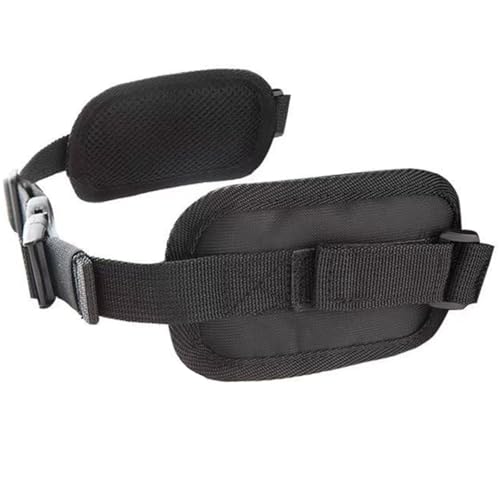

❤【SPACIOUS WITH MULTIPLE POCKETS】: This 15L capacity hiking backpack has 5 zippered locations including 2 waist zipper pockets to accommodate a book, phone, keys, snacks, first aid kit, basic essentials needed for day hikes.This small hiking backpack has one open pocket in the center for a bike helmet and two mesh side pockets for mineral water. This water pack still has room for a light jacket after filling up a 3L hydration bladder. NOTE: Bladder is NOT included.

❤ Water Resistant & DURABLE: Made of Water Resistant high-density polyester material. FENGDONG camping backpack is made of extra thick, tear-resistant, water-resistant and anti-abrasion polyester fiber. All stress points are reinforced with bar tacking to increase its longevity.
Clothing
Hiking clothing should help you manage sweat, wind, rain, sun, and temperature changes. A simple layering system is usually more versatile than relying on one heavy garment.
Base Layer
A base layer sits next to the skin. Synthetic fabrics and merino wool can move moisture away from the body and dry more quickly than many everyday fabrics.
Insulating Layer
A fleece, synthetic insulated jacket, or down jacket can provide warmth when temperatures fall. The amount of insulation you need depends on the expected temperature, wind, precipitation, altitude, and how long you may be stationary.
Outer Layer
A shell protects against wind and precipitation. For wet weather, carry rain protection appropriate for the forecast rather than assuming a water-resistant midlayer will be sufficient.
A hat, gloves, neck covering, rain pants, and spare socks may also be valuable in cold or wet conditions. In exposed sunny environments, lightweight long sleeves can provide useful sun protection.
Sun Protection
Sun exposure is easy to underestimate on long hikes, particularly at elevation or on snow, rock, and open terrain. Pack sunscreen, sunglasses that protect against ultraviolet light, and a brimmed hat. Clothing can provide additional coverage for the arms, shoulders, and legs.
Reapply sunscreen according to its label, especially after heavy sweating. Do not assume cool or cloudy conditions eliminate ultraviolet exposure.
Navigation Tools
| Navigation Tool | Best Use | Main Limitation |
|---|---|---|
| Topographic map + compass | Route planning and dependable non-electronic backup | Requires navigation skills and an appropriate map |
| Offline hiking map or GPS app | Following trails and checking position without cellular data | Depends on battery power and pre-downloaded map data |
| Dedicated GPS or satellite communicator | Remote travel, route tracking, and device-dependent satellite communication features | Requires charged equipment and may require a subscription |
Reliable navigation is essential when hiking in unfamiliar terrain. A topographic map can show trails, elevation, major terrain features, and other landmarks. A compass can help orient the map and establish direction without relying on a battery.
Phone applications and GPS devices can be extremely useful, but prepare them before leaving. Download the required maps for offline use because cellular data may be unavailable even when the phone’s GPS receiver still works. Start the trip with charged devices and consider carrying a backup power source on long or remote routes.
Learn how to use your navigation equipment before you need it. Technology is most valuable when you understand both what it can do and what happens when it fails.
First Aid Kit
A hiking first aid kit should match the size of the group, trip duration, remoteness, and likely hazards. Useful basics can include adhesive bandages, sterile gauze, medical tape, blister treatment, antiseptic supplies, gloves, and any personal medications you may need.
Pain relievers such as ibuprofen or acetaminophen may be appropriate for some adults, but medications have contraindications and dosing limits. Follow the label and your healthcare professional’s advice rather than treating them as universally suitable hiking supplies.
Inspect the kit periodically and replace damaged or expired items. A first aid guide can also be useful, but equipment is not a substitute for training.
For remote trips, climbing, backcountry skiing, or other higher-risk activities, wilderness first aid training can help you make better decisions when professional medical care is delayed.
Warning: Serious bleeding, breathing problems, loss of consciousness, major trauma, severe allergic reactions, heat illness, hypothermia, or other life-threatening conditions require emergency assistance. First aid supplies do not replace professional medical care.
Food and Water
Food and water requirements depend on temperature, exertion, altitude, trip length, and the individual hiker. Plan before leaving rather than assuming you will find usable water along the trail.
For day hikes, convenient foods can include nuts, trail mix, dried fruit, energy bars, sandwiches, jerky, or other foods that travel well. For backpacking, freeze-dried meals are popular because they are lightweight and easy to prepare, although they require adequate water and a safe way to heat it.
Carry enough food for the planned outing and consider an extra reserve on remote hikes in case the trip takes longer than expected.
Treat Backcountry Water Correctly
Do not assume clear-looking water from a stream, spring, lake, or river is safe to drink. The Centers for Disease Control and Prevention recommends treating water from sources of uncertain safety.
Boiling is the most reliable way to kill disease-causing germs. CDC guidance calls for bringing clear water to a rolling boil for one minute, or three minutes at elevations above 6,500 feet.
Portable filters vary considerably. Some filters remove parasites, some also remove bacteria, and ordinary filters may not remove viruses. Check the manufacturer’s specifications. When the microbiological safety of a source is uncertain, CDC recommends filtering and then disinfecting when boiling is not practical.
Boiling, filtering, and ordinary disinfectants also cannot make water contaminated by toxic chemicals or fuel safe to drink. Use another water source in that situation.
Note: There is no single water quantity that is correct for every hike. Hot weather, altitude, heavy exertion, long distances, and dry routes can substantially increase what you must carry. Check route-specific guidance before leaving.
Shelter
Emergency shelter can become important even on a day hike. An injury, navigation mistake, wildfire closure, sudden storm, or slower-than-expected pace can leave you outside much longer than planned.
For ordinary day hikes, a compact emergency bivy, tarp, or emergency blanket may provide useful protection without adding much weight. Choose something appropriate for the climate rather than assuming a thin reflective blanket can replace proper cold-weather equipment.
For overnight trips, tents remain one of the most common shelter options. Consider packed weight, interior space, setup, ventilation, weather resistance, season rating, and the number of people sharing the shelter.
Ultralight tents can reduce pack weight, while larger tents provide more interior space. Neither is automatically better. The right choice depends on the trip and conditions.
Safety and Emergency Gear
A headlamp is one of the most useful emergency items in a hiking pack. It keeps both hands free and can allow you to navigate or perform first aid after sunset. Check the battery before leaving and carry backup power when appropriate.
A whistle can signal over longer distances with less effort than repeatedly shouting. A knife or multi-tool can help with minor repairs, food preparation, and other practical tasks. A small amount of strong repair tape can also solve many temporary gear problems.
Fire-starting supplies can be useful in some environments, but they should never override local fire restrictions. During high fire danger, open flames and certain stoves may be restricted or prohibited.
In remote areas, consider a satellite communication device in addition to a phone. Satellite devices can provide communication or SOS functions in places without cellular service, but their capabilities, coverage, subscriptions, and operating requirements vary. Learn how to use the device before the trip.
Check the Route and Weather Before You Leave
Research the trail before packing. Check the distance, elevation gain, terrain, expected duration, water availability, current trail conditions, closures, permit requirements, transportation, sunset time, and local regulations.
Check the weather forecast shortly before leaving and continue watching changing conditions. Mountain weather can change quickly, and a forecast for a nearby town may not represent conditions at higher elevations.
Warning: The National Weather Service states that there is no safe place outdoors when a thunderstorm is in the area. If you hear thunder, seek a substantial enclosed building or hard-topped vehicle when one is accessible. Do not wait beneath an isolated tree, small rain shelter, or rocky overhang and assume it provides lightning protection.
Current lightning guidance is available from the National Weather Service.
Make an Emergency Plan
Before hiking, tell a responsible person where you are going, your planned route, who is with you, where you parked, and when they should expect you back. Give them enough information to contact the appropriate authorities if you fail to return as planned.
Do not assume you can call for help from every trail. Cellular coverage may be weak or completely absent in remote terrain.
Set realistic turnaround points. Reaching a summit or destination is optional; returning safely is not. Turn back when weather deteriorates, daylight becomes limited, water runs low, the route becomes unsafe, or someone in the group is struggling.
Wildlife and Trail Safety
Learn about wildlife hazards specific to the area before leaving. Bear, mountain lion, snake, insect, and food-storage guidance varies by destination. Follow the land manager’s current instructions rather than relying on one universal rule.
Stay on designated trails and within established areas where required. This can reduce the chance of becoming lost or injured while also limiting damage to vegetation and other natural resources. The National Park Service trip-planning guidance also recommends watching conditions, staying together, and turning around when necessary.
Optional Hiking Gear
Not every useful item belongs in the Ten Essentials. Depending on the trail and season, you may also want:
- Trekking poles for balance, steep climbs, descents, or stream crossings.
- Gaiters for mud, snow, sand, or loose debris.
- Microspikes or other traction devices where icy trail conditions require them.
- Insect repellent or a head net during heavy insect activity.
- Bear-resistant food storage where required.
- A sit pad for cold or wet ground.
- A portable battery for electronic navigation and communication.
- Extra prescription medication or other personal supplies.
Carry specialized equipment only when you know how and when to use it. For example, technical winter terrain may require skills and equipment far beyond ordinary hiking traction.
The best hiking kit is not the lightest or the largest. It is the one that matches the route and leaves you prepared for the realistic problems you could face.
Thorough preparation can make hiking more comfortable while reducing avoidable risk. Footwear, clothing, navigation, first aid, food, water, shelter, light, and emergency equipment all work together. The exact list should change with the terrain, season, weather, trip length, remoteness, and abilities of the group.
Destination and seasonal planning also matter when hiking abroad. For example, hikers planning routes in Australia or New Zealand should account for regional seasons and weather patterns when choosing dates and equipment. This guide to the best time to travel to Australia and New Zealand provides additional regional trip-planning context.
Frequently Asked Questions
What is hiking?
Hiking is recreational walking in natural environments, usually on trails or established routes. It ranges from short, easy walks to strenuous mountain and backcountry trips requiring greater fitness, navigation skills, and specialized equipment.
What do you need to go hiking?
At minimum, wear footwear and clothing appropriate for the trail and carry equipment covering navigation, sun protection, insulation, illumination, first aid, fire where appropriate, repair tools, food, water, and emergency shelter. The exact gear should match the route and conditions.
What are the most essential items to bring hiking?
The National Park Service Ten Essentials provide a useful framework: navigation, sun protection, insulation, illumination, first aid, fire, repair tools, nutrition, hydration, and emergency shelter. Longer, colder, hotter, more technical, or more remote hikes require additional equipment.
What are some important hiking safety tips?
Check current trail and weather conditions, tell someone your itinerary, carry navigation and emergency supplies, stay within your abilities, follow local wildlife guidance, treat uncertain water sources, and turn around when conditions become unsafe.
Do you need hiking boots to hike?
Not always. Hiking boots can provide useful protection and durability on rough or wet terrain, while hiking shoes and trail runners may be lighter and more comfortable on maintained trails. Traction, fit, weather, terrain, pack weight, and personal preference should guide the choice.
Can you drink water directly from a mountain stream?
Do not assume untreated surface water is safe just because it looks clear. Water can contain disease-causing microorganisms. Use an appropriate treatment method based on current CDC guidance and the capabilities of your filter, purifier, disinfectant, or boiling system.
What are some popular hiking destinations?
Popular hiking destinations include national parks such as Yosemite and Yellowstone and long-distance routes such as the Appalachian Trail and Pacific Crest Trail. State parks, national forests, nature reserves, local trail systems, and mountain ranges around the world also offer hiking opportunities for different skill levels.
Sources
- National Park Service — Ten Essentials — navigation, sun protection, insulation, illumination, first aid, fire, repairs, food, hydration, and emergency shelter.
- National Park Service — Hike Smart — hiking preparation, food, water, route research, and emergency planning.
- Centers for Disease Control and Prevention — Water Treatment While Hiking, Camping, or Traveling — boiling, filtration, disinfection, and treatment limitations.
- National Weather Service — Lightning Safety — thunderstorm and lightning precautions.
- National Park Service — Trip Planning Guide — trail safety, designated areas, wildlife awareness, group safety, and turnaround decisions.
- REI Expert Advice — How to Choose a Backpack — backpack capacity, fit, trip-duration ranges, and pack features.
