
Last Updated on September 10, 2026 by Daniel Globe
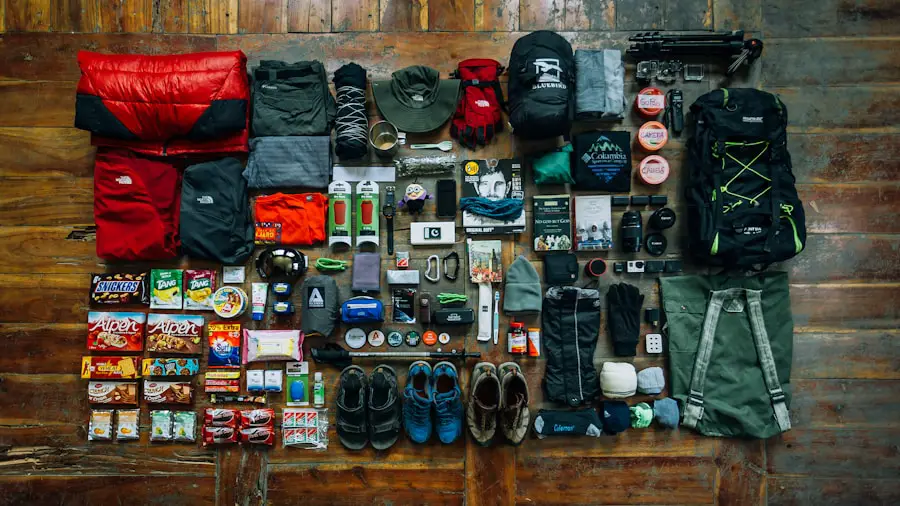
The right hiking gear does more than make a trail more comfortable. It helps you navigate, manage changing weather, stay hydrated, handle minor problems, and respond if the trip takes longer than planned. What you carry should match the trail, season, weather, distance, terrain, and remoteness rather than relying on one packing list for every hike.
Quick Answer
Essential hiking gear includes suitable footwear, a well-fitting backpack, navigation tools, sun protection, extra clothing, a headlamp, first-aid supplies, emergency shelter, extra food, water and treatment supplies, fire-starting equipment, and basic repair tools. Adjust the list for the weather, terrain, trip length, local hazards, and your own needs.
Key Takeaways
- Choose hiking footwear for fit, traction, terrain, pack weight, and weather rather than buying solely by style.
- Carry both electronic navigation and a backup method such as a paper map and compass, and know how to use them.
- Dress in layers and carry sun protection plus an extra layer for conditions that may become colder, wetter, or windier.
- Carry enough water for the planned hike and a reliable treatment method if you expect to refill from natural water sources.
- Pack a headlamp, first-aid supplies, emergency shelter, extra food, repair items, and other emergency equipment even when you expect to be back before dark.
- Check the route, weather, closures, and local hazards before leaving, and tell someone where you are going and when you expect to return.
Essential Hiking Gear Checklist
The National Park Service Ten Essentials are a useful starting point because they are designed around both normal hiking needs and unexpected delays or emergencies.
| Gear category | What to carry |
| Navigation | Map, compass, GPS or offline phone map, plus backup power when appropriate |
| Sun protection | Sunglasses, sunscreen, hat, and protective clothing |
| Extra clothing | Rain shell and insulating layers suitable for the worst reasonable conditions |
| Illumination | Headlamp or flashlight and spare batteries or backup power |
| First aid | Trip-appropriate first-aid kit, blister care, and personal medications |
| Fire | Lighter or waterproof matches and fire starter where legal and appropriate |
| Repair and tools | Duct tape, small multi-tool, and repair items specific to your equipment |
| Nutrition | Planned meals or snacks plus extra food for an unexpected delay |
| Hydration | Water plus treatment supplies when natural sources may be used |
| Emergency shelter | Emergency bivy, space blanket, tarp, or appropriate overnight shelter |
Pro Tip: Lay out your complete kit before the hike. Check the forecast and trail conditions, then remove unnecessary duplicates without cutting emergency items simply to reduce pack weight.
Footwear
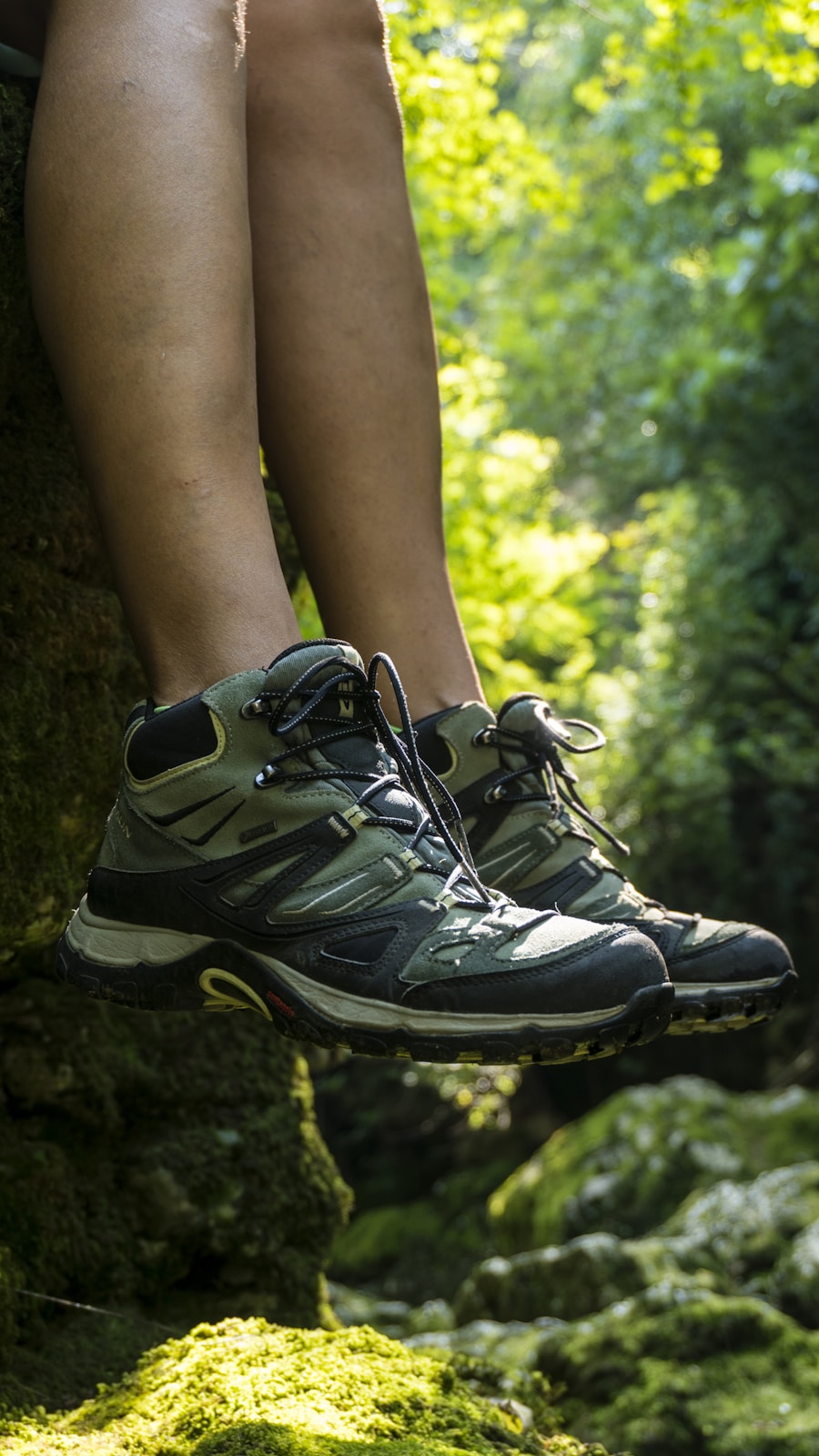
Footwear is one of the most important parts of any hiking, trekking, or mountaineering setup. Choose it according to the terrain, weather, pack weight, and your own feet. Rugged trails with loose rocks, mud, steep grades, or uneven surfaces generally call for sturdy footwear with dependable tread. On easier maintained paths, lightweight hiking shoes or trail runners may be comfortable and efficient.
Boots with higher collars can provide a supportive feel on rough ground or under heavier loads, but ankle height alone does not guarantee protection from injury. Fit and traction matter just as much. The National Park Service recommends sturdy hiking footwear for many unpaved trails and warns against smooth-soled shoes in terrain where secure footing is important.
Brands such as Merrell and Salomon make both hiking shoes and boots for different trail conditions, but the label on the shoe matters less than how well the footwear fits your foot and intended use.
Lightweight trail runners often use breathable mesh uppers and flexible midsoles. They can work well for maintained trails and hikers who prefer a lighter shoe, provided they have enough traction, cushioning, and stability for the route.
Try hiking footwear with the socks you plan to wear. Your heel should feel secure, your toes should have room to move without repeatedly hitting the front on descents, and there should be no obvious pressure points. Break in unfamiliar footwear on shorter walks before relying on it for a long or remote hike.
Note: Conditions can change the footwear you need. Mud, snow, ice, desert heat, wet rock, or scrambling may require different tread, insulation, waterproofing, or traction equipment.
Products Worth Considering

Waterproof Protection: Helps keep feet dry and comfortable through wet trails, light rain and damp outdoor conditions while maintaining breathable comfort.

Comfortableness: NORTIV 8 Men's Waterproof Hiking Boots certainly delivers on all-day comfort! Removable and shock-absorbent cushioned insoles offer the support for your feet.

Stronger and safer spikes: Featured 19 high quality stainless steel spikes per foot and firm chain system, providing excellent traction on a variety of terrain or other worst conditions, keep you safe and injury-free
Backpacks
A well-fitting backpack makes it easier to carry water, clothing, food, safety equipment, and other hiking essentials without placing all the load on your shoulders. Capacity should match the equipment you actually need rather than the longest trip you might someday take.
As a rough guide, many day-hiking packs fall in the 10- to 35-liter range, while 50-liter and larger packs are commonly used when multi-day trips require sleeping equipment, additional clothing, food, or other bulky gear. Current Osprey hiking-pack guidance uses similar ranges, but season and equipment can change what works best.
Brands such as Osprey and Deuter offer packs with adjustable torso systems, hip belts, hydration sleeves, external attachment points, and different ventilation systems. Rather than choosing a pack because of the brand alone, check whether the torso length fits and whether the hip belt transfers much of the load comfortably to your hips.
For heavier loads, an internal-frame backpack is the common choice because the suspension can keep the load stable and close to the body. External-frame designs still exist and may suit specialized uses, but frame type matters less than correct fit, load support, ventilation, and how the pack behaves when fully loaded.
Before a long trip, load the backpack with the equipment you plan to carry and walk with it. Adjust the hip belt first, then the shoulder straps, sternum strap, and load lifters if the pack has them.
Products Worth Considering

Built for Outdoor Adventures: Made from high-quality water-resistant, durable, and tear-resistant materials. Featuring a unique reflective hiking pattern and a chest strap with a whistle. Breathable mesh padding and straps reduce sweat, offering an enhanced experience for outdoor enthusiasts.

Unique Strap Design: Our small backpack features an innovative strap design with a zippered phone pocket on the left and a drawstring pocket on the right. The breathable mesh shoulder straps ensure comfort during your outdoor adventures, while reinforced stress points prevent strap breakage.

Built for Outdoor Adventures: Made from high-quality water-resistant, durable, and tear-resistant materials. Featuring a unique reflective hiking pattern and a chest strap with a whistle. Breathable mesh padding and straps reduce sweat, offering an enhanced experience for outdoor enthusiasts.
Navigation Tools
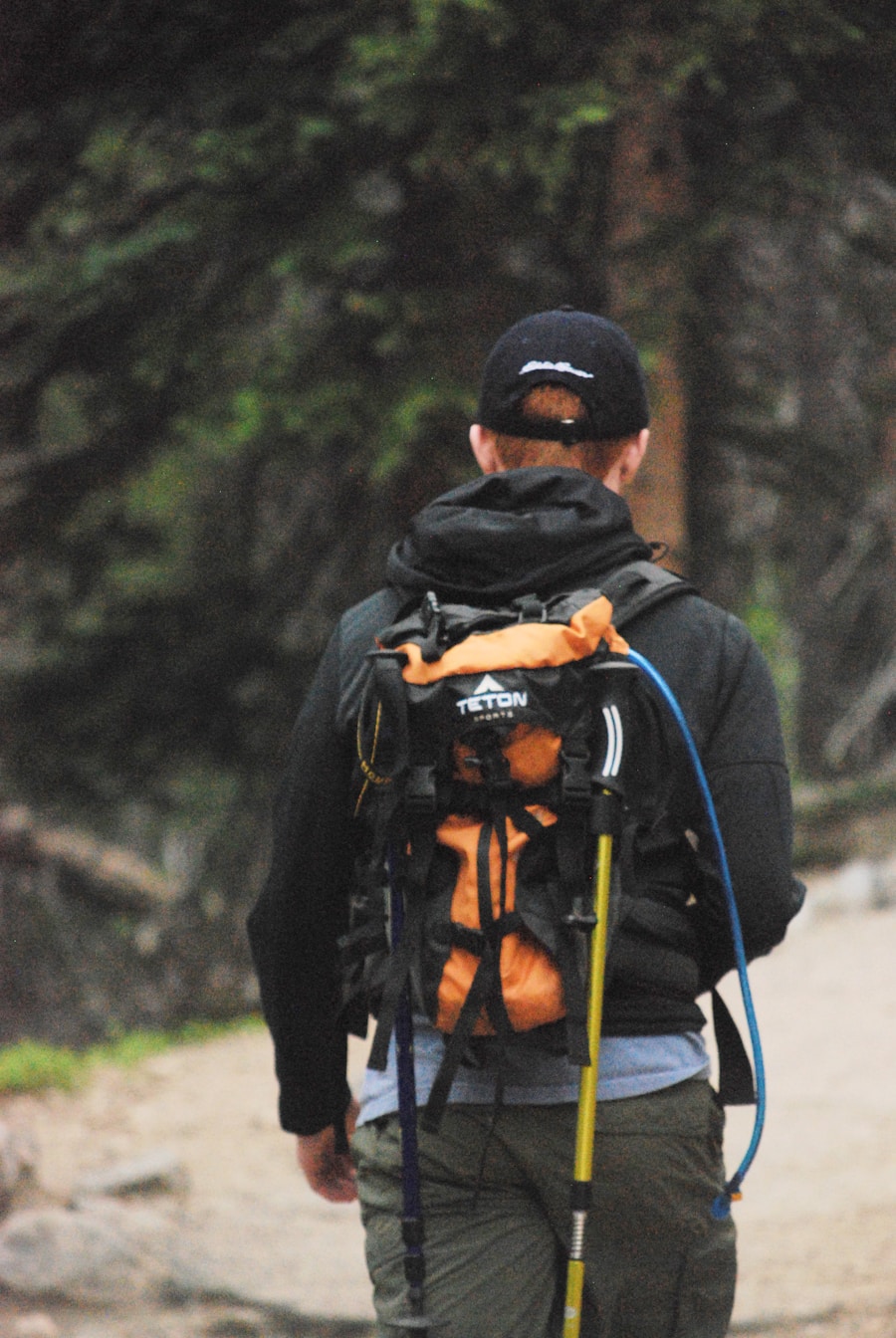
Reliable navigation matters even on trails that appear obvious at the trailhead. A topographic map can show trails, contour lines, terrain features, water, junctions, and other landmarks. A compass helps you orient the map and maintain a heading when trail markers are unclear.
Electronic navigation can add real-time location information and route tracking. GPS units and smartphone apps such as Gaia GPS or AllTrails can also store maps for offline use when downloaded before the trip.
The National Park Service recommends carrying navigation tools and keeping a physical map as a backup. It also advises bringing extra power for electronic devices. Cell service should never be assumed in remote terrain.
Warning: Do not make your phone your only navigation system on a remote hike. Batteries fail, screens break, devices get wet, and cellular service may disappear. Download maps in advance and carry an independent backup when getting lost would create a serious risk.
Clothing and Sun Protection
| Layer | Purpose | Typical choices |
| Base layer | Moves moisture away from skin | Synthetic fabric or merino wool |
| Mid layer | Adds insulation | Fleece, synthetic insulation, or down where conditions are suitable |
| Outer layer | Blocks wind and precipitation | Rain shell or waterproof-breathable jacket |
| Accessories | Protect exposed areas | Hat, gloves, neck gaiter, sunglasses, and sun hat as conditions require |
Layering lets you adjust your clothing as your effort and the weather change. A moisture-managing base layer helps keep damp fabric from sitting against your skin. Merino wool and synthetic materials are common choices because they can perform better when damp than ordinary cotton clothing.
The middle layer supplies insulation. Fleece, synthetic insulation, or a down garment can provide warmth without requiring one extremely bulky jacket. The outer layer protects against wind and rain. Waterproof-breathable shells, including jackets that use Gore-Tex or similar membranes, are one option.
Carry enough clothing for conditions that are worse than the forecast you expect, particularly in mountains where temperature, wind, and precipitation can change quickly. The NPS Ten Essentials specifically includes extra clothing such as a jacket, rain shell, hat, and gloves.
Sun protection is part of the same system. Pack sunglasses, sunscreen, and a hat, and consider long sleeves or other covering clothing on exposed routes. Sun exposure can still be significant in cool or windy weather.
Shelter
Shelter needs depend on whether you are planning a day hike or sleeping outside. For an overnight trip, your tent, hammock, tarp, or other sleeping shelter must provide suitable protection for the expected weather and environment.
Lightweight backpacking tents are designed to balance weather protection, packed size, weight, and durability. Brands such as Big Agnes and REI offer many options, but capacity, season rating, ventilation, pitching method, and weather resistance are more important than the logo.
Hammocks can be useful where suitable trees and local regulations allow them, while tarps provide lightweight and flexible weather protection. Any shelter that depends on stakes, guylines, trees, or trekking poles should be practiced with before relying on it in difficult weather.
Day hikers also need to think about emergency shelter. The NPS lists options such as a tent, tarp, bivy sack, or emergency space blanket because an injury, navigation error, severe weather, or other delay can turn a planned afternoon hike into an unexpected night outside.
Note: A tent protects you from rain and wind, but it is not safe lightning shelter. During thunderstorms, follow current National Weather Service guidance and move to a substantial enclosed building or hard-topped vehicle when one is accessible.
Hydration and Water Treatment
Carry enough water for the distance, time, weather, exertion, altitude, and availability of reliable refill points. Water bottles are simple and easy to monitor, while hydration reservoirs allow hands-free drinking through a hose.
There is no single amount that works for every day hike. As one current example, Great Smoky Mountains National Park advises at least 1 liter for every 2 hours of hiking. Hotter, drier, higher, or more strenuous routes may require more, so always check guidance for the specific area you are visiting.
If you expect to collect water from a lake, river, spring, or stream, do not assume clear-looking water is safe. The CDC’s current backcountry water-treatment guidance states that boiling is the most reliable method for killing germs. When boiling is not practical, filtering followed by disinfection is the next-best approach when water safety is uncertain.
Portable filters have different capabilities. Many common filters remove parasites but may not remove viruses or all bacteria. Chemical treatments can kill many bacteria and viruses but may be less effective against some parasites. Products from brands such as Sawyer and Katadyn vary by model, so read the manufacturer’s treatment claims and instructions rather than assuming every filter or tablet protects against the same organisms.
Warning: Boiling, filtering, or disinfecting cannot make water contaminated with harmful chemicals or toxins safe to drink. Use another water source when chemical contamination is possible.
Before leaving, identify reliable water sources, confirm whether they are seasonal, and check whether local authorities have issued water-quality warnings. A dry spring or broken water system can turn a route that normally has frequent refills into a serious problem.
Products Worth Considering
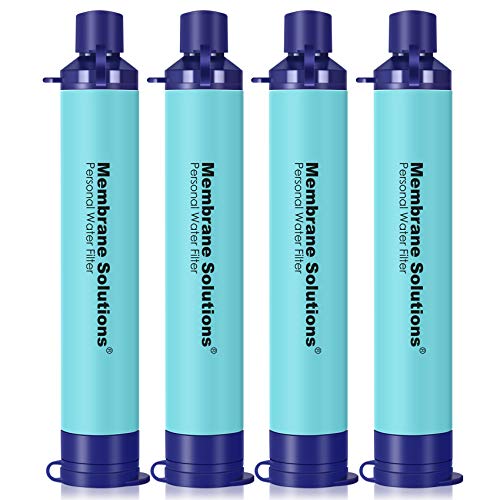
Drink Anywhere, Certified by Science - This survival-grade straw filter meets strict NSF/ANSI 42, 372, 401 standards (Test Report: NBF21-004693-01). It instantly removes 99.9999% of total coliforms (including E. coli and other representative organisms). It’s designed for extreme reliability during hiking, camping, international travel, or emergency preparedness—proven by science, trusted by adventurers.
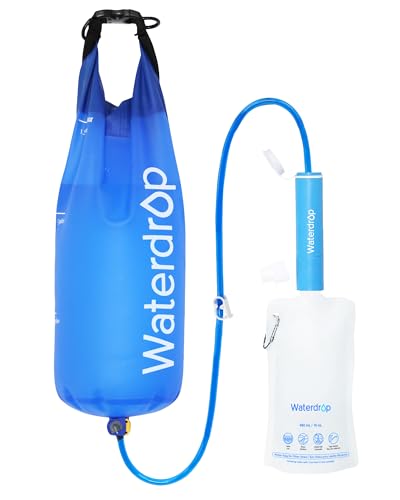
5-Stage Efficient Filtration: With adoption of premium-quality 0.1 um ultrafiltration membrane and other raw materials, the Water Filter Straw can effectively reduce harmful substances like chlorine, particulates, sediment, stones, sand, dirt, bad taste &odor in water to ensure the water safety and deliver better drinking experience.

DRINKING WATER, ANYTIME, ANYWHERE - Aquatabs are the world's most popular tablet and the ultimate choice for portable water treatment tablets. Removes 99.9999% of Bacteria, 99.99% of Viruses, and 99.9% of Cysts (Giardia).
Nutrition
Hiking food should be easy to carry, practical to eat, and sufficient for the amount of energy your trip requires. For longer trips, lightweight and calorie-dense food can reduce pack bulk while helping you maintain energy.
Dehydrated meals are popular with backpackers because they store compactly and usually require only hot water. Brands such as Mountain House offer many versions, although these meals require a stove or another safe way to heat water unless the product is suitable for cold soaking.
For hiking snacks, trail mix, nuts, dried fruit, jerky, crackers, nut-butter packets, and energy bars are convenient because they can be eaten without cooking. Longer outings may also include sandwiches, wraps, or other meals that tolerate the expected temperature and storage conditions.
Do not pack only the exact amount of food required for the planned hiking time. The NPS Ten Essentials recommends extra food so you have something to eat if weather, injury, navigation problems, or another delay extends your trip.
Consider allergies, dietary restrictions, and how the food will behave in heat or freezing temperatures. A good hiking food plan supplies carbohydrates for readily available energy along with protein and fat as part of an overall balanced intake.
Illumination, Fire, and Repair Gear
A hike can take longer than expected because of slow terrain, an injury, route-finding problems, or a simple late start. Carry a headlamp or flashlight even when you plan to finish in daylight. A headlamp is especially useful because it leaves both hands free. Pack spare batteries or another compatible backup power source.
Basic repair items can stop a small equipment failure from becoming a major problem. Depending on the trip, that may include duct tape, a small multi-tool, cord, zip ties, a patch kit, spare buckles, or repair supplies for a sleeping pad or tent.
The NPS Ten Essentials also includes matches or a lighter and fire starter. Carrying fire-starting capability does not mean you should build a campfire whenever you wish. Check local fire restrictions, seasonal bans, and wilderness regulations first. In some places, fires are prohibited entirely.
Safety Gear and First Aid
A first-aid kit should match the length of the hike, number of people, remoteness, and any known medical needs. At a minimum, consider wound-care supplies, blister treatment, bandages, antiseptic materials, and personal medications. Check expiration dates and replace used or damaged items before the next trip.
The equipment matters, but knowing how to use it matters just as much. Basic first-aid training can help you decide whether a minor problem can be managed on the trail or whether the safest choice is to turn around and seek professional care.
Other useful safety equipment includes a whistle, emergency shelter, headlamp, and repair tools. A multi-tool can help with simple equipment problems. An emergency blanket or compact bivy can reduce heat loss during an unexpected delay.
For remote travel, a personal locator beacon or satellite messenger can add a communication option where cellular service does not exist. These devices are not substitutes for route planning or emergency skills, and you should learn how your device works before depending on it.
Weather, Route Planning, and Emergency Communication
Check the weather forecast, trail conditions, closures, permits, and known hazards before leaving home. Conditions at a mountain, canyon, desert, or coastal trail can differ dramatically from conditions where you live.
Choose a trail that fits the experience and fitness of everyone in the group. Estimate the total distance and elevation change, allow time for breaks, and set a turnaround time if necessary. The National Park Service also recommends telling someone where you are going and when you expect to return.
Thunderstorms deserve special attention. The National Weather Service states that there is no safe place outdoors when a thunderstorm is nearby. If you hear thunder and a substantial enclosed building or hard-topped vehicle is accessible, move to it promptly. Do not treat a tent, small shelter, isolated tree, ridge, or rocky overhang as safe lightning protection.
Local hazards can also change your gear list. Depending on the destination, you may need insect protection, traction devices, wildlife-specific precautions, extra heat protection, cold-weather equipment, stream-crossing information, or additional emergency communication.
The best hiking checklist is not the lightest possible list. It is the lightest kit that still prepares you for the realistic conditions and emergencies of your specific route.
If your hiking trip also includes fishing, the article on the best travel fishing rods covers compact and portable options that may be easier to carry on foot.
Love travel? Join Our Facebook Community For More Tips.
Sources
- National Park Service — Ten Essentials — navigation, sun protection, extra clothing, illumination, first aid, fire, repair gear, food, water, and emergency shelter.
- National Park Service — Hike Smart — footwear, trip preparation, equipment, and hiking-safety guidance.
- Great Smoky Mountains National Park — Hiking — route planning, hiking safety, Ten Essentials, and local hydration guidance.
- Centers for Disease Control and Prevention — Backcountry Water Treatment — boiling, filtering, disinfection, and treatment limitations.
- National Weather Service — Lightning Safety — thunderstorm and lightning precautions for outdoor activities.
Frequently Asked Questions
What are the essential items for hiking?
A strong starting point is the Ten Essentials: navigation, sun protection, extra clothing, illumination, first aid, fire-starting equipment, repair tools, extra food, water and treatment supplies, and emergency shelter. Add suitable footwear, a backpack, personal medications, and any equipment required by the local terrain or hazards.
What type of footwear is best for hiking?
Choose sturdy, comfortable footwear with enough tread for the terrain. Hiking boots may be useful on rough ground, in wet or cold conditions, or with heavier loads, while hiking shoes or trail runners can work well on maintained trails. Fit, traction, comfort, and suitability for the route matter more than shoe height alone.
What should I pack in my hiking backpack?
Pack water, food, navigation equipment, sun protection, extra clothing, a headlamp, first-aid supplies, emergency shelter, repair items, fire-starting equipment where appropriate, and personal medications. Add route-specific equipment for heat, cold, wildlife, snow, insects, or other local conditions.
How much water should I bring for a hike?
There is no universal amount for every day hike. Your needs depend on duration, temperature, sun exposure, exertion, altitude, and refill opportunities. Great Smoky Mountains National Park uses at least 1 liter per 2 hours of hiking as local guidance, while hotter areas may require more. Check the recommendations for your specific destination and carry a treatment method if you plan to use natural water sources.
What should I wear for hiking?
Wear moisture-managing clothing and build a layer system that can handle changes in temperature, wind, and precipitation. Add suitable hiking footwear, sun protection, and an extra insulating or rain layer based on the most serious conditions you could reasonably encounter.
Do I need a first aid kit for hiking?
Yes. Carry a basic first-aid kit even on a day hike and customize it for the trip and your medical needs. Useful items include wound-care supplies, blister treatment, bandages, and personal medications. Check the kit before each trip so damaged, expired, or previously used items can be replaced.
What kind of food should I bring for a hike?
Choose portable foods that are easy to eat and appropriate for the trip, such as trail mix, nuts, dried fruit, energy bars, jerky, crackers, sandwiches, or wraps. On longer trips, lightweight dehydrated meals can reduce bulk. Carry some extra food in case your return is delayed.
What navigation tools should I bring for hiking?
Carry a map and compass or another independent backup along with a GPS device or smartphone navigation app. Download electronic maps before leaving areas with service, carry backup power when needed, and learn how to use your navigation tools before the hike.
Can I rely only on my phone GPS while hiking?
It is safer not to. A phone can provide excellent offline navigation, but batteries can run down and devices can fail or become damaged. On remote routes, carry downloaded maps, backup power, and an independent navigation method appropriate to the consequences of getting lost.
Do I need emergency shelter for a day hike?
For hikes where an unexpected delay could leave you exposed to cold, wind, or precipitation, a lightweight emergency bivy, space blanket, or small tarp can be valuable even when you are not camping. Choose the level of protection according to the remoteness and expected conditions.
Is clear stream water safe to drink while hiking?
Not necessarily. Clear water can still contain disease-causing microorganisms. The CDC recommends boiling when possible; when boiling is not practical, filtering followed by disinfection is the next-best approach when the water’s safety is uncertain. Always follow the instructions for the treatment system you use.
