
Last Updated on September 10, 2026 by Daniel Globe
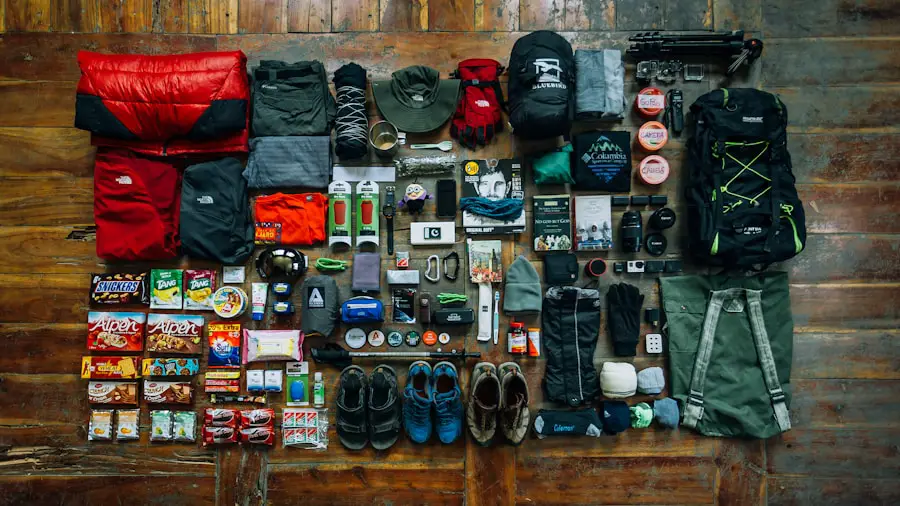
A good hiking packing list starts with the conditions you expect and the problems you could face if the hike takes longer than planned. Your footwear, backpack, clothing, water, food, navigation tools, first-aid supplies, and emergency gear should match the trail, weather, distance, remoteness, and season. A short local walk may require far less gear than an all-day mountain hike, but every hiker should still prepare for unexpected delays and changing conditions.
Quick Answer
For a hiking trip, bring suitable footwear and a comfortable backpack plus the Ten Essentials: navigation, sun protection, extra clothing, illumination, first aid, fire supplies, repair tools, extra food, water and water treatment, and emergency shelter. Check the forecast, leave a trip plan, and adjust everything for the trail and conditions.
Key Takeaways
- Choose hiking footwear for fit, traction, terrain, weather, and the load you will carry rather than assuming a taller boot automatically prevents injuries.
- Carry the National Park Service Ten Essentials, even when some items are only lightweight emergency backups.
- Use a map, compass, GPS or offline map as appropriate, and do not depend on cell service being available.
- Dress in adaptable layers and bring sun, rain, and cold-weather protection suitable for the worst reasonable conditions.
- Plan water by hike duration, exertion, weather, and reliable water sources; treat uncertain backcountry water correctly before drinking it.
- Customize your first-aid kit for the group, trip length, terrain, remoteness, and personal medical needs.
- Bring extra food, a headlamp, repair supplies, and emergency shelter in case a simple day hike turns into a much longer outing.
- Check current trail conditions and weather, tell someone your route and expected return time, and know how you would get help in an emergency.
At a Glance
| Time Required | About 15–30 minutes for a basic pre-hike gear, route, and weather check; longer for remote or overnight trips. |
| Difficulty | Easy for ordinary day hikes; more detailed planning is needed for remote, technical, winter, desert, or overnight routes. |
| Tools Needed | Pack, navigation tools, weather forecast, water system, first-aid kit, headlamp, emergency supplies, food, and appropriate clothing. |
| Cost | Varies widely. Hikers who already own suitable clothing and safety gear may need little additional equipment, while new footwear, packs, or overnight gear can raise the cost. |
Disclosure: As an Amazon Associate I earn from qualifying purchases. Some links on this page are affiliate links, at no extra cost to you.
Hiking Footwear
Appropriate footwear can make the difference between a comfortable hike and a painful one. The best choice may be a hiking boot, hiking shoe, or trail shoe depending on the terrain, weather, pack weight, fit, and your own feet.
A durable outsole with suitable tread can improve grip on loose dirt, mud, rock, and other uneven surfaces. Mid- and high-cut boots may also provide more coverage around the ankle and can feel more supportive, especially with heavier loads. However, boot height alone should not be treated as a guarantee against ankle injuries. Good fit, stable footing, suitable traction, conditioning, and careful movement on rough terrain also matter.
Material affects weight, drying time, breathability, and weather resistance. Leather footwear is often durable and can resist water well when properly constructed and maintained, but it may be heavier and slower to dry. Synthetic footwear is often lighter and faster drying, although actual breathability and waterproofing depend on the complete design, including any waterproof membrane.
Whatever style you choose, test it before a long hike. Modern hiking footwear does not always require a lengthy traditional break-in period, but several shorter walks can reveal heel slip, toe pressure, hot spots, sock problems, or lacing issues before you are miles from the trailhead.
Pro Tip: Try hiking footwear with the same socks you plan to wear on the trail. Check that your heel is secure and that your toes do not repeatedly hit the front of the shoe on descents.
Backpack
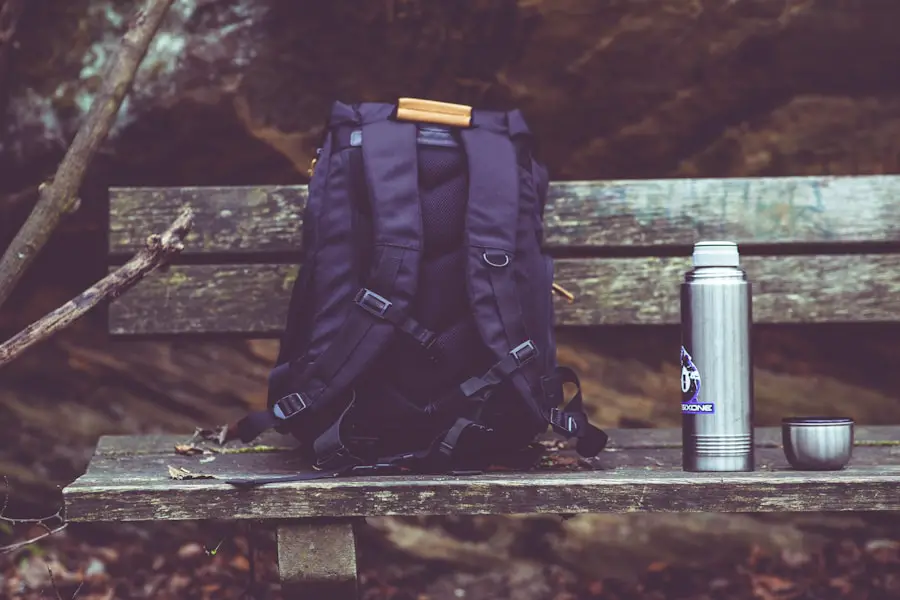
A well-chosen backpack carries your supplies without creating unnecessary pressure on your shoulders or back. Capacity should match the trip rather than an arbitrary number. A pack around 20–30 liters works for many day hikers, while overnight and multiday backpacking commonly calls for substantially more space. Current backpacking guidance from REI places many multiday packs in roughly the 50–80-liter range, although lighter or bulkier gear can move that number in either direction.
The most important test is whether the pack comfortably holds everything your specific trip requires. Look for secure shoulder straps and, when the load warrants it, a supportive hip belt. A ventilated back panel can also improve comfort in warm weather.
Organization matters too. Pockets or compartments can keep water, snacks, rain protection, maps, and first-aid supplies within easy reach. Hydration-reservoir sleeves and bottle pockets are useful when they make drinking easier, while external attachment points can carry trekking poles or other equipment without blocking access to the main compartment.
Do not choose an oversized pack simply because it offers more room. Extra capacity can encourage unnecessary packing and make a lightly loaded pack less stable. Lay out your actual gear first, then choose a pack that fits the load and your torso.
Navigation Tools
Carry navigation tools you know how to use. A topographic map can show terrain, elevation contours, water features, roads, boundaries, and other landmarks that help with route planning. The U.S. Geological Survey provides current topographic-map resources that can be useful when planning outdoor routes.
A compass provides a dependable non-electronic backup when paired with the knowledge needed to use it. A handheld GPS or smartphone with an offline map can add real-time position information and make route checking faster.
Do not rely on a live cellular connection. Download maps before leaving home and carry a physical map when the route or consequences of getting lost justify it. Keep your phone charged and consider an extra battery or power bank. In remote areas with little or no cell service, a personal locator beacon or compatible satellite-messaging device may provide another emergency-communication option.
Note: Navigation technology is a backup to preparation, not a substitute for it. Before leaving, review the route, major junctions, expected distance, elevation change, current closures, and your turnaround plan.
Leave a Trip Plan
Tell a trusted person where you are going, which trail or route you expect to use, who is with you, where you parked, and when you expect to return. The National Park Service recommends leaving a trip plan because those details can help rescuers if you become overdue.
Clothing
| Layer | Good Choices | Purpose |
| Base layer | Synthetic fabric or merino wool | Moves moisture away from the skin and dries faster than typical cotton clothing. |
| Insulating layer | Fleece or an appropriate insulated jacket | Adds warmth when temperatures drop or activity slows. |
| Outer layer | Rain shell or weather-resistant jacket matched to the forecast | Protects against wind and precipitation. |
| Accessories | Hiking socks, hat, gloves, sunglasses, and sun hat as conditions require | Protects exposed areas and helps you adapt to heat, cold, wind, and sun. |
Layering makes it easier to adjust as your body warms up, the wind increases, or the temperature changes. A moisture-managing base layer helps move sweat away from the skin. An insulating layer adds warmth, while an outer shell provides protection from rain and wind.
Synthetic fabrics such as polyester and nylon are common because they dry relatively quickly. Merino wool is another popular option because it manages moisture and temperature well and tends to resist odor. Whatever material you choose, bring enough clothing for conditions to become worse than the forecast suggests.
Socks deserve particular attention because dampness, friction, and poor fit can contribute to hot spots and blisters. Carrying a spare dry pair can be useful on wet or long hikes.
Sun Protection and Weather Readiness
Sun protection is one of the Ten Essentials. Carry sunglasses, a hat, suitable clothing, and sunscreen as appropriate for the conditions. Sun exposure can remain significant in cool weather and at higher elevations, so do not judge UV risk only by air temperature.
Check the current forecast before leaving and continue watching the sky during the hike. Conditions in mountains and exposed terrain can change quickly.
Warning: A hiking tent, tarp, picnic shelter, or rocky overhang is not a safe lightning shelter. The National Weather Service advises moving to a substantial enclosed building or an enclosed metal-topped vehicle when thunder is heard. Get off exposed high points and do not shelter under an isolated tree.
Water and Hydration
Staying hydrated is essential during physical activity, but there is no single water quantity that fits every hike. Great Smoky Mountains National Park currently gives a planning figure of at least 1 liter for every two hours of hiking. That is a useful starting point rather than a universal prescription.
Your actual needs depend on temperature, humidity, sun exposure, altitude, pace, exertion, body size, hike duration, and whether dependable refill points exist. Hot or strenuous conditions can increase your needs considerably. Plan your water before leaving rather than assuming a stream or faucet will be available.
A two-hour hike and an eight-hour summer hike should not use the same fixed water-packing rule. Plan by time, conditions, exertion, and reliable refill opportunities.
Hydration reservoirs make it easy to drink without stopping, while ordinary bottles are simple to inspect, refill, and clean. Either system works when it carries enough water for the route.
Treat Backcountry Water Correctly
Do not assume clear stream or lake water is safe to drink. According to the CDC’s current backcountry-water guidance, boiling is the most reliable way to kill germs. If boiling is not practical, filtering and then disinfecting the filtered water is the next-best general approach.
Different filters, purifiers, disinfectants, and UV systems have different limitations. Follow the manufacturer’s directions, including filter specifications and chemical contact times. Water contaminated with harmful chemicals or toxins cannot necessarily be made safe by ordinary boiling or disinfection.
First Aid Kit
A first-aid kit is an essential part of a hiking pack. What belongs in it depends on the number of hikers, trip length, terrain, remoteness, known medical needs, and the level of first-aid training within the group.
A useful basic hiking kit can include:
- Adhesive bandages in several sizes
- Sterile gauze pads
- Medical tape
- Antiseptic or wound-cleaning supplies
- Blister treatment
- Elastic wrap
- Nonlatex gloves
- Tweezers
- Small scissors or medical shears
- Any personal prescription medications you may need
- Appropriate over-the-counter medication you know how to use safely
- Emergency first-aid instructions
The American Red Cross hiking first-aid checklist also recommends customizing a kit to the environment and medical needs of the group.
If you have been prescribed an epinephrine auto-injector for a serious allergy, carry it according to your clinician’s instructions and personal emergency plan. Check medication and first-aid expiration dates before leaving.
Knowing how to use the kit matters as much as owning it. First-aid or wilderness first-aid training can help hikers respond more effectively to bleeding, sprains, illness, allergic reactions, and other emergencies while professional help is still far away.
Illumination, Fire, and Repair Tools
These easy-to-forget items are part of the Ten Essentials because a small problem can turn an afternoon hike into an after-dark emergency.
Headlamp or Flashlight
Carry a headlamp or flashlight even when you plan to return before sunset. A headlamp is especially useful because it leaves both hands free. Bring spare batteries or another reliable source of power.
Fire Supplies
Where local rules and conditions allow their use, waterproof matches, a lighter, or another appropriate fire starter can provide emergency heat or a signaling option. Always check current fire restrictions before the trip. During bans or extreme fire danger, follow the land manager’s rules rather than assuming you may build a fire.
Repair Kit and Tools
A small repair kit can keep damaged gear functional long enough to get home. Depending on the trip, useful items may include duct tape, a multitool or knife, cord, a small sewing or repair item, and equipment-specific spare parts.
Shelter
Shelter needs differ between a day hike and an overnight trip. For a day hike, the Ten Essentials concept focuses on lightweight emergency protection that could help if you are injured, lost, delayed, or forced to remain outside longer than planned. A compact emergency bivy, space blanket, or tarp can provide useful protection from wind and precipitation.
For planned overnight trips, a tent is the most common shelter. Choose one according to expected weather, season, group size, weight, setup requirements, and site conditions.
Tarps can provide lightweight rain or sun protection when correctly rigged, but they require suitable anchors and some practice. Hammocks are another sleeping option where they are permitted and suitable trees are available, but they still require weather protection and an insulation system in cool conditions.
Remember that an ordinary camping shelter provides protection from weather exposure but should not be treated as safe shelter from lightning.
Food and Snacks
Bring enough food for the planned hike plus an emergency margin appropriate to the trip. The National Park Service includes extra food among the Ten Essentials so an unexpected delay does not immediately become a nutrition problem.
Easy trail foods include:
- Nuts and trail mix
- Energy or granola bars
- Dried fruit
- Jerky or other shelf-stable protein sources
- Nut- or seed-butter packets
- Sandwiches or wraps for shorter trips when food-storage conditions are suitable
- Dehydrated meals for trips where you already plan to carry a stove and safe water
Choose foods that fit your dietary needs and are easy to eat in the conditions you expect. For long or overnight trips, plan each meal before packing so you know how much fuel, cookware, and water preparation will be required.
Pack out wrappers, food scraps, and other trash. Keeping waste contained protects wildlife and leaves the trail cleaner for the next visitor.
Extra Clothing and Emergency Communication
Bring an extra layer suited to the most severe reasonable conditions you could encounter. A warm layer or rain shell can become important if someone is injured and stops moving, if temperatures drop, or if the hike takes longer than planned.
A charged phone is useful, but the National Park Service warns hikers not to depend on cellular coverage. In remote locations, determine in advance whether a personal locator beacon or satellite-messaging device is appropriate. Whatever communication system you carry, know how to operate it before the trip.
Travel Logistics Before the Hike
If the hiking destination requires a flight or a longer vacation, trail equipment is only part of the packing problem. Travelers who prefer wheeled luggage can review this guide to hardside carry-on luggage with spinner wheels. Travelers who need convenient device charging during transit can also see this guide to a carry-on suitcase with a USB charger.
Families combining a destination hike with other sightseeing may also find this guide to double travel strollers for family trips useful. These are travel-planning items rather than substitutes for the hiking equipment and emergency supplies listed above.
Love travel? Join Our Facebook Community For More Tips.
Frequently Asked Questions
What should I bring on a hiking trip?
Bring suitable footwear, a comfortable backpack, and the Ten Essentials: navigation, sun protection, extra clothing, illumination, first aid, fire supplies, repair tools, extra food, water and water treatment, and emergency shelter. Adjust the list for weather, terrain, distance, remoteness, and personal needs.
What are the Ten Essentials for hiking?
The National Park Service groups the Ten Essentials as navigation, sun protection, insulation or extra clothing, illumination, first-aid supplies, fire, repair tools, nutrition or extra food, hydration plus water treatment, and emergency shelter.
How much water should I bring on a hiking trip?
A useful planning starting point is about 1 liter for every two hours of hiking, but there is no universal amount. Increase or adjust your supply for heat, exertion, altitude, hike duration, personal needs, and the availability of reliable water sources.
What kind of food should I bring on a hiking trip?
Pack lightweight foods that are easy to eat, such as trail mix, nuts, bars, dried fruit, jerky, or other shelf-stable options. Bring enough for the planned hike plus extra food appropriate to the remoteness and possible delays.
What navigation tools should I bring on a hiking trip?
Carry a map and compass when appropriate and know how to use them. A GPS device or smartphone with downloaded offline maps can provide additional navigation, but carry sufficient battery power and do not assume cellular service will be available.
What should I include in a first aid kit for hiking?
A basic hiking first-aid kit can include bandages, sterile gauze, medical tape, antiseptic or wound-cleaning supplies, blister treatment, an elastic wrap, gloves, tweezers, scissors, emergency instructions, and personal medications. Customize it for the group, terrain, trip length, and medical needs.
What clothing should I bring on a hiking trip?
Use moisture-managing clothing and adaptable layers. Depending on conditions, bring an insulating layer, rain shell, hiking socks, hat, gloves, sunglasses, and sun protection. Carry an extra layer for unexpected weather or delays.
What kind of backpack should I bring on a hiking trip?
Choose a pack that comfortably fits the gear required for your trip. Many hikers use roughly 20–30 liters for ordinary day hikes, while overnight and multiday trips may require 50 liters or more. Fit, load support, and easy access to water and safety gear matter more than a specific capacity number.
Do I need hiking boots, or are hiking shoes enough?
You do not always need boots. Hiking shoes or trail shoes can work well on many maintained trails, while boots may provide more coverage, durability, weather protection, or load support in rough conditions. Prioritize fit, traction, stability, terrain, weather, and comfort rather than boot height alone.
Sources
- U.S. National Park Service — Ten Essentials — core hiking emergency and safety equipment.
- U.S. National Park Service — Hike Smart — trip planning, emergency planning, communication, and weather preparation.
- Centers for Disease Control and Prevention — Water Treatment While Hiking and Camping — safe treatment of uncertain backcountry water.
- American Red Cross — Hiking and Backpacking First Aid Kit — recommended first-aid supplies and kit customization.
- U.S. Geological Survey — Topographic Maps — official U.S. topographic mapping resources.
- National Weather Service — Lightning Safety — safe shelter and response when thunderstorms threaten.
