
Last Updated on July 25, 2026 by Daniel Globe
Copa Airlines permits most passengers to bring one standard carry-on bag and one personal item into the cabin. The key is to measure the bag correctly, keep the carry-on at or below 10 kg (22 lb), and follow the security rules that apply at the airport where your trip begins or where you are screened again during a connection.
Quick Answer
Copa Airlines allows one carry-on bag up to 22 x 14 x 10 inches (56 x 36 x 26 cm) and 10 kg (22 lb), plus one personal item up to 17 x 10 x 9 inches (43 x 25 x 22 cm). Wheels, handles, and outside pockets count toward the measurements.
Key Takeaways
- The standard allowance is one carry-on bag and one personal item.
- The carry-on limit is 22 x 14 x 10 inches (56 x 36 x 26 cm) and 10 kg (22 lb).
- The personal item limit is 17 x 10 x 9 inches (43 x 25 x 22 cm) and it must fit under the seat.
- Security rules for liquids and prohibited items depend on the airport and country where screening occurs.
- Power banks and spare lithium batteries belong in carry-on baggage, not checked baggage.
- Oversized or overweight cabin bags may be checked and charged as additional baggage.
Disclosure: As an Amazon Associate I earn from qualifying purchases. Some links on this page are affiliate links, at no extra cost to you.
Copa Airlines Carry-On Allowance at a Glance
| Item | Maximum size | Weight | Where it goes |
| Carry-on bag | 22 x 14 x 10 in (56 x 36 x 26 cm) | 10 kg (22 lb) | Overhead bin |
| Personal item | 17 x 10 x 9 in (43 x 25 x 22 cm) | No separate published limit | Under the seat in front |
These measurements include wheels, handles, and exterior pockets. Measure the bag after packing because a soft-sided bag can expand beyond the permitted depth. Copa’s published carry-on allowance applies across its Economy and Business fare families, although checked-bag allowances differ by fare.
Pro Tip: Leave a small margin below the maximum dimensions and weight. A bag that is exactly at the limit when empty may become too large after the outside pockets are filled.
Dimensions and Weight Restrictions for Carry-On Luggage
Your main carry-on bag must be small enough to fit safely in the overhead compartment. Copa Airlines lists a maximum size of 22 inches high, 14 inches long, and 10 inches wide (56 x 36 x 26 cm), with a maximum weight of 10 kg (22 lb). The three dimensions total about 46 linear inches.
You should be able to lift and stow the bag safely. A bag that meets the published measurements may still be gate-checked when overhead space is limited, so keep medication, identification, travel documents, valuables, and required batteries in a smaller pouch that you can remove quickly.
Special Considerations for Personal Items and Small Bags
In addition to the main carry-on bag, Copa Airlines allows one personal item. Examples include a purse, small backpack, briefcase, or laptop bag. The personal item may measure up to 17 x 10 x 9 inches (43 x 25 x 22 cm) and must fit completely under the seat in front of you.
Do not assume that a second backpack counts as a free personal item simply because it is soft. If it exceeds the personal-item dimensions or cannot fit under the seat, the airline may treat it as an additional carry-on or require it to be checked.
Types of Items Allowed in Carry-On Luggage
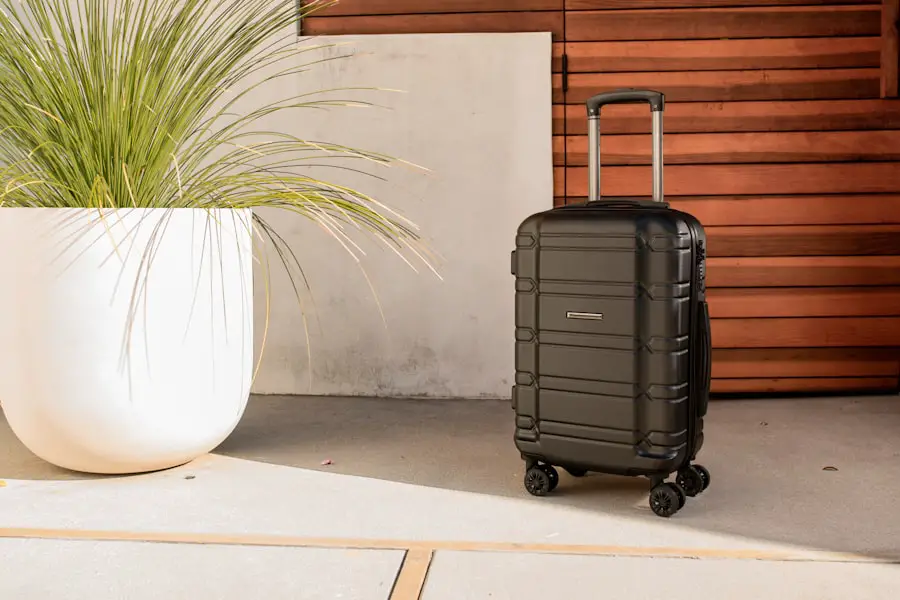
Common carry-on contents include clothing, books, travel documents, approved electronics, solid snacks, and other personal belongings. Security authorities make the final decision about what may pass through a checkpoint, while Copa Airlines controls whether an item can be safely accepted in the cabin.
Electronics and Valuables
Laptops, tablets, cameras, phones, jewelry, passports, keys, and other valuable or fragile items are best kept in carry-on baggage. Pack electronics so they can be removed for screening when requested. Do not place cash, irreplaceable documents, or essential devices in a bag that may be checked at the gate.
Food and Snacks
Solid food is generally easier to carry through security than liquid or gel food. Sauces, spreads, yogurt, and similar foods may be treated as liquids or gels. International travelers must also follow customs and agriculture rules at the destination, even when an item was allowed through airport security.
Medications and Medical Supplies
Copa Airlines recommends keeping prescription medication in carry-on baggage. Bring enough for the trip and keep it in clearly labeled packaging when possible. Travelers carrying injectable medication or syringes should keep the prescription or medical documentation available for security staff. Copa also notes that its aircraft do not provide onboard refrigeration for medication.
Note: Airport security rules are separate from airline baggage rules. An item can fit within Copa’s baggage allowance but still be restricted by the screening authority at your departure or connecting airport.
Restrictions on Liquids, Gels, and Aerosols in Carry-On Luggage
| Rule for U.S. security checkpoints | What it means |
| Container size | Each liquid, gel, aerosol, cream, or paste container must be 3.4 oz (100 ml) or smaller. |
| Bag | Containers must fit in one clear, quart-sized, resealable bag. |
| Allowance | One liquids bag per passenger. |
| Common exceptions | Medically necessary liquids, breast milk, formula, toddler drinks, and baby food may be allowed in larger reasonable quantities after separate screening. |
The familiar 3-1-1 rule is a U.S. Transportation Security Administration rule. Other countries often use a similar 100 ml limit, but the exact process and exceptions can differ. Check the official security guidance for every airport where you will pass through screening, including connections.
Items such as toothpaste, lotion, perfume, liquid makeup, creams, pastes, and gel foods count as liquids or gels. Drinks bought after security can usually be taken to the gate, but sealed duty-free liquids and beverages may face additional restrictions if you must pass through another security checkpoint. Customs rules at your destination are separate.
Lithium Batteries, Power Banks, and Smart Bags
Spare lithium batteries, portable chargers, and power banks must stay in carry-on baggage. Protect exposed terminals from short circuits by using the original packaging, a battery case, separate protective pouches, or nonmetallic tape over the terminals.
Most personal lithium-ion batteries up to 100 watt-hours are allowed. Batteries from 101 to 160 watt-hours generally require airline approval, and larger batteries are normally prohibited on passenger aircraft. Damaged, swollen, defective, or recalled batteries should not be packed for air travel.
Warning: If your carry-on is checked at the gate, remove all power banks, spare lithium batteries, electronic cigarettes, and vaping devices before handing over the bag. These items must remain in the cabin.
Smart luggage with a removable lithium battery may be accepted if the battery is removed when required. Check Copa’s restricted-baggage guidance before travel because battery limits and acceptance conditions can change.
Carry-On Luggage for Passengers Traveling With Infants or Young Children
Families traveling with an infant may bring one additional infant-related item from Copa’s listed options, such as a diaper bag, a small foldable stroller, or an approved infant seat when the child has a purchased seat. Copa also states that a baby stroller can be transported without an additional charge, although it may need to be checked at the counter or gate depending on its size and available cabin space.
Formula, breast milk, toddler drinks, baby food, and medically necessary cooling accessories may qualify for security exceptions. At U.S. checkpoints, tell the security officer before screening and remove these items for separate inspection. Rules at non-U.S. airports may differ, so confirm the requirements for your departure and connection points.
Carry-On Luggage for Passengers With Disabilities or Medical Needs
Copa Airlines provides assistance for passengers with disabilities and medical needs. Notify the airline as early as possible when you need wheelchair service, help boarding, approval for a portable oxygen concentrator, or another accommodation.
Assistive devices are generally handled separately from the ordinary baggage allowance when they meet the applicable safety requirements. Approved portable oxygen concentrators, ventilators, respirators, and CPAP machines may be transported under Copa’s medical-device rules. Personal compressed-gas or liquid-oxygen units are not accepted for use in flight.
Keep essential medication and supplies in the cabin. If a gate agent needs to check your main carry-on, remove medication, batteries, medical documents, and any item required during the flight before surrendering the bag.
Prohibited and Restricted Items in Carry-On Luggage
Restrictions come from several sources: Copa Airlines, aviation dangerous-goods rules, and the security authority at the airport. Common items that are prohibited or restricted in the cabin include:
- Firearms, ammunition, realistic replica weapons, and most defensive weapons.
- Knives, box cutters, utility blades, and other sharp weapons.
- Explosives, fireworks, flares, gasoline, lighter fluid, and many other flammable substances.
- Large sporting equipment such as baseball bats, golf clubs, and similar blunt objects.
- Power tools and many hand tools that exceed the security authority’s size limit.
- Damaged, defective, or recalled lithium batteries and battery-powered devices.
Rules for scissors and small tools are more specific than a simple ban. For example, U.S. TSA rules permit some scissors with blades shorter than 4 inches from the pivot point and some tools measuring 7 inches or less, but another country may apply different standards. Use Copa’s restricted-baggage page and the official security website for the airport where screening occurs.
Items That Must Remain in Carry-On Baggage
Some items are restricted from checked baggage rather than from the cabin. Power banks, spare lithium batteries, and electronic cigarettes must remain with the passenger in carry-on baggage. They should be protected from damage, accidental activation, and short circuits.
Tips for Packing Efficiently for Copa Airlines Carry-On
- Measure the packed bag. Include wheels, handles, pockets, and any bulging sides.
- Weigh it at home. Keep the main carry-on at or below 10 kg (22 lb).
- Use the personal item wisely. Keep identification, travel documents, medication, valuables, a charger, and one change of clothes under the seat.
- Separate liquids. Follow the rules of the airport where you will be screened.
- Protect batteries. Cover spare battery terminals and keep power banks easy to remove.
- Pack for a possible gate-check. Use a small removable pouch for anything that must stay with you.
- Keep screening items accessible. Place liquids, large electronics, medical supplies, and infant food where they can be removed quickly.
- Roll or bundle clothing. Use packing cubes to organize the bag without overstuffing it.
A compliant bag can still be checked when the cabin is full. Pack every carry-on so that essential medication, batteries, documents, and valuables can be removed in seconds.
Fees and Regulations for Oversized or Overweight Carry-On Luggage
A carry-on bag that exceeds Copa’s size, weight, or piece allowance may be sent to the aircraft hold and charged as additional checked baggage. The amount can depend on the route, fare, airport, and baggage conditions that apply to the ticket.
Do not rely on paying a fixed “oversize carry-on fee.” In practice, a noncompliant cabin bag is handled under the applicable checked or additional-baggage rules. Gate acceptance also depends on aircraft space and safety requirements. Review the baggage conditions in your reservation before leaving for the airport.
For travelers choosing a new cabin bag, this guide to softside carry-on luggage with wheels can help compare practical features. Confirm the bag’s exterior measurements against Copa’s current limits before buying or traveling.
Conclusion and Summary of Copa Airlines Carry-On Policy
Copa Airlines’ standard cabin allowance is one carry-on bag up to 22 x 14 x 10 inches (56 x 36 x 26 cm) and 10 kg (22 lb), plus one personal item up to 17 x 10 x 9 inches (43 x 25 x 22 cm). The personal item must fit under the seat, while the main bag goes in the overhead bin.
Measure and weigh your bag after packing, follow the security rules at every screening airport, and keep medication, valuables, travel documents, power banks, and spare lithium batteries in the cabin. Checking the current Copa baggage page before departure is the safest way to avoid delays or unexpected charges.
Frequently Asked Questions
What is Copa Airlines’ carry-on policy?
Copa Airlines allows one standard carry-on bag and one personal item. The carry-on goes in the overhead bin, and the personal item must fit under the seat in front of you.
What are Copa Airlines’ carry-on size and weight limits?
The maximum carry-on size is 22 x 14 x 10 inches (56 x 36 x 26 cm), including wheels and handles. The maximum weight is 10 kg (22 lb).
How large can a personal item be on Copa Airlines?
A personal item may measure up to 17 x 10 x 9 inches (43 x 25 x 22 cm). It must fit completely under the seat in front of you.
Does Copa Airlines charge for carry-on luggage?
Copa’s fare families include a carry-on bag up to 10 kg. A bag that exceeds the allowed size, weight, or number of pieces may be checked and charged under the applicable additional-baggage rules.
Can I bring liquids in a Copa Airlines carry-on?
Yes, but security rules depend on the airport. At U.S. checkpoints, each ordinary liquid, gel, aerosol, cream, or paste container must be 3.4 oz (100 ml) or smaller and fit in one clear quart-sized bag. Medical and infant-feeding exceptions may apply.
Can I pack a power bank in my checked bag?
No. Power banks and spare lithium batteries must remain in carry-on baggage. Remove them before a carry-on bag is checked at the gate.
What extra item can I bring when traveling with an infant?
Copa permits one additional infant-related item from its listed options, such as a diaper bag, small foldable stroller, or an approved infant seat when the infant has a purchased seat. Stroller handling can depend on size and cabin space.
Sources
- Copa Airlines: Carry-on baggage — current cabin-bag and personal-item allowance.
- Copa Airlines: Restricted baggage — prohibited, restricted, and battery-powered items.
- Copa Airlines Help Center: Medications — medication, syringes, prescriptions, and gate-check precautions.
- Copa Airlines Help Center: Baby strollers — stroller acceptance without an additional charge.
- Transportation Security Administration: Travel tips — U.S. 3-1-1 liquids rule and medical-liquid exceptions.
- Federal Aviation Administration: PackSafe lithium batteries — power-bank, spare-battery, watt-hour, and gate-check rules.
