
Last Updated on July 31, 2026 by Daniel Globe
Wingo is the Colombian low-cost airline brand associated with Copa Airlines. More precisely, Wingo’s passenger services are operated by AeroRepública S.A., a Colombian airline company within Copa Holdings. It offers a simpler, à-la-carte product than Copa Airlines, with lower base fares and separate charges or fare bundles for services such as larger baggage, seat selection, and priority boarding.
Quick Answer
Copa Airlines’ sister airline in Colombia is commonly identified as Wingo. Wingo is the low-cost brand operated by AeroRepública within Copa Holdings. It serves domestic and international routes with a single-class Boeing 737-800 fleet, but its fares, baggage rules, onboard service, and loyalty benefits differ from those offered by Copa Airlines.
Key Takeaways
- Wingo is Copa Holdings’ low-cost airline brand in Colombia and is operated by AeroRepública S.A.
- Wingo began operations on December 1, 2016, with a low-cost, single-cabin business model.
- Copa Holdings reported ten Boeing 737-800 aircraft dedicated to Wingo at the end of 2025, each configured with 186 economy seats.
- The lowest GO Basic fare includes only a small personal item that must fit under the seat.
- Food, larger bags, preferred seats, and other extras may cost more unless they are included in the selected fare.
- Wingo does not advertise a separate “Wingo Club” points program, although ConnectMiles members can use miles for eligible Wingo purchases.
Disclosure: As an Amazon Associate I earn from qualifying purchases. Some links on this page are affiliate links, at no extra cost to you.
How Wingo Is Related to Copa Airlines
Calling Wingo Copa Airlines’ “sister airline” is a useful shorthand, but the corporate relationship is more specific. Copa Holdings describes Wingo as its low-cost business model operated by AeroRepública S.A. AeroRepública operates Wingo passenger services under a Colombian air operator certificate.
Copa Airlines and Wingo therefore belong to the same airline group, but they sell different travel products. Copa Airlines primarily operates a full-service connecting network through Panama City, while Wingo focuses on lower-cost, mostly point-to-point travel in Colombia and nearby international markets.
Note: A Wingo ticket should not be treated as if it automatically includes Copa Airlines or Star Alliance benefits. Check the operating carrier, baggage conditions, connection arrangements, and loyalty rules shown in your reservation.
History of Wingo
Copa Holdings announced Wingo in October 2016 as a new low-cost option for travelers in Colombia, Central America, South America, and the Caribbean. Wingo began operating on December 1, 2016.
The airline launched with four single-class Boeing 737-700 aircraft and an initial network covering 16 cities in 10 countries. Many of its early routes had previously been associated with Copa Airlines Colombia. Its purpose was to give Copa Holdings a dedicated product for travelers who preferred a lower base fare and were willing to purchase optional services separately.
Wingo later transitioned away from the smaller Boeing 737-700. Copa Holdings said the move to the larger 737-800 provided greater seat density and lower unit costs, which are important features of a low-cost airline model.
Wingo’s Fleet and Destinations
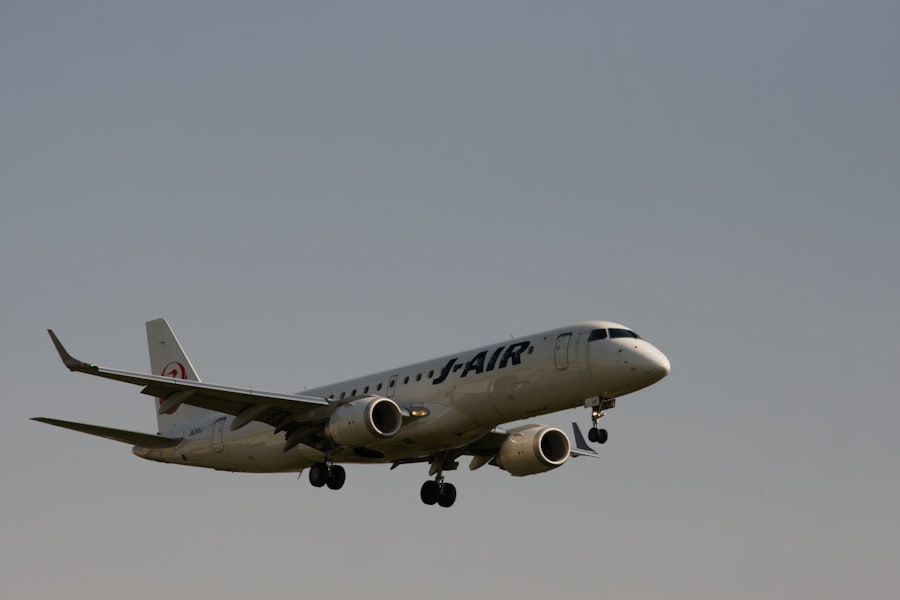
As of December 31, 2025, Copa Holdings reported that Wingo used ten Boeing 737-800 aircraft. Each aircraft was arranged with 186 seats in a single economy cabin. This differs from Copa Airlines aircraft that may include business-class or other premium seating.
At the end of 2025, Copa Holdings reported ten Boeing 737-800s dedicated to Wingo, with 186 economy seats on each aircraft.
Wingo’s network includes routes within Colombia and international services to destinations in Latin America and the Caribbean. Its current destination page advertises 19 destinations. Examples may include Bogotá, Medellín, Cali, Cartagena, Santa Marta, San Andrés, Panama City, Cancún, Punta Cana, Santo Domingo, Aruba, Curaçao, Caracas, Guatemala City, and San José.
Note: Airline routes are seasonal and can be added, suspended, or changed. Confirm the live destination list and flight schedule on Wingo’s website before planning a connection or booking nonrefundable accommodation.
Wingo at a Glance
| Airline type | Low-cost, single-cabin passenger airline brand |
| Operating company | AeroRepública S.A., within Copa Holdings |
| Operations began | December 1, 2016 |
| Reported passenger fleet | Ten Boeing 737-800 aircraft at December 31, 2025 |
| Cabin | Single economy cabin with 186 seats per aircraft |
| Current fare families | GO Basic, GO Standard, GO Plus, and GO Extra |
| Loyalty option | Eligible ConnectMiles redemptions; no verified separate Wingo Club points program |
How Wingo’s Low-Cost Model Works
Wingo keeps its entry fares lower by separating the flight from many optional services. Travelers can choose a fare bundle or add individual services according to their needs. This model can work well for someone traveling with a small backpack, but the total can rise after adding baggage, seats, flexibility, priority services, or onboard purchases.
Wingo currently markets four main GO fare options:
- GO Basic: Includes one personal item measuring up to 40 × 35 × 25 cm. It must fit under the seat in front of the passenger.
- GO Standard: Includes the personal item plus one cabin bag weighing up to 12 kg and measuring up to 55 × 45 × 25 cm.
- GO Plus: Includes the personal item, the 12 kg cabin bag, and one checked bag weighing up to 23 kg with maximum total dimensions of 158 linear cm.
- GO Extra: Includes the same main baggage allowance as GO Plus, along with additional seating, priority, or flexibility benefits shown during booking.
Exact inclusions, change conditions, and optional-service prices can depend on the route, travel date, currency, and point of purchase. The rules displayed in the checkout summary and confirmation email control the individual booking.
Warning: Measure baggage with its wheels, handles, pockets, and straps included. An oversized personal item or cabin bag may be charged at the airport, where optional-service prices can be higher than they are online.
Wingo’s Customer Experience
Wingo’s customer experience is designed around self-service and customization. Passengers can search for flights, choose fare bundles, add baggage, select seats, manage reservations, and complete eligible check-in steps through Wingo’s website or mobile app.
This system gives travelers control over the final price, but it also places more responsibility on the passenger. Before paying, review the route, airport, baggage allowance, seat selection, change conditions, and total price. The cheapest displayed fare may not be the cheapest practical option after all required extras are added.
Baggage
The baggage included in a Wingo ticket depends on the selected fare. GO Basic is intended for light travel because it includes only an under-seat personal item. Larger cabin and checked bags are included in higher fare bundles or may be purchased separately.
Travelers with sports equipment, musical instruments, pets, or additional checked bags should review the relevant special-item policy before check-in. Buying the service online before arriving at the airport is generally the safest way to confirm availability and see the applicable price.
Seats and boarding
Seat selection may be included with a higher fare or sold as an optional service. Passengers who do not purchase a seat should not assume that companions will always be assigned adjacent seats. Wingo also sells priority-related services for travelers who want earlier boarding or other included benefits.
Food and drinks
Wingo should not be treated as a full-service airline with universally free meals, snacks, or beverages. Its Wingo Market offers food and drinks for purchase onboard, subject to availability and the payment methods accepted on the flight.
Check-in
Wingo provides online and mobile check-in for eligible passengers. Some travelers may still need to visit an airport counter because of checked baggage, document verification, special assistance, pet travel, or destination-specific entry requirements.
Complete check-in early enough to resolve a missing boarding pass or document issue. Airport counter and boarding-gate closing times can vary, and arriving after a deadline may result in denied boarding.
Pro Tip: Compare the complete trip price rather than the base fare alone. Add the baggage, seat, food, payment, airport-transfer, and change-flexibility costs you will actually need before comparing Wingo with another airline.
Travelers who need internet access after arriving in Colombia should arrange roaming, an eSIM, a local SIM card, or portable Wi-Fi separately. Mobile data on the ground is not part of a Wingo airline fare.
Wingo’s Loyalty Options
Wingo does not advertise a separate flight-points program called “Wingo Club.” Travelers should therefore avoid information claiming that every Wingo flight earns Wingo Club points or upgrades.
However, ConnectMiles members can use miles for eligible Wingo purchases. The member selects an available redemption value and applies it under the program’s conditions.
This does not necessarily mean that a Wingo ticket earns ConnectMiles in the same way as a Copa Airlines ticket. Travelers should review the current ConnectMiles terms before booking and should not assume that Copa elite-status, lounge, baggage, upgrade, or Star Alliance benefits apply to a Wingo-operated flight.
Wingo’s Impact on the Colombian Aviation Market
Wingo added a dedicated low-cost product to Copa Holdings’ presence in Colombia. Its point-to-point model gives travelers another option on routes where they might otherwise choose a traditional carrier, another low-cost airline, a bus, or no trip at all.
The airline can support domestic and regional tourism by offering direct flights between Colombian cities and leisure destinations in the Caribbean, Central America, and northern South America. Its real effect on competition or fares varies by route, season, airport capacity, and the actions of other airlines, so broad claims that it alone transformed the entire Colombian market should be avoided.
Wingo’s Environmental and Operational Approach
Wingo’s use of a single passenger-aircraft type can simplify crew training, maintenance planning, spare-parts management, and cabin configuration. Copa Holdings has said that moving Wingo from the 737-700 to the higher-density 737-800 helped lower unit costs.
A higher number of seats can reduce operating cost per seat when flights are well filled, but that fact alone does not prove that every flight has a low environmental impact. Emissions depend on factors such as passenger load, route length, weather, aircraft condition, operating procedures, and fuel use.
Claims about recycling, plastic reduction, carbon offsets, or conservation partnerships should be based on a current published Wingo policy or report. Travelers interested in sustainability should review the airline’s latest corporate disclosures rather than relying on general marketing language.
Wingo’s Future Plans and Expansion
Wingo has continued adjusting its network by adding, restoring, increasing, or suspending routes according to demand and operating conditions. Recent changes have included expanded service from Colombian cities and new or resumed international links.
Future growth is likely to remain focused on routes that fit its low-cost, point-to-point model. However, a proposed route, seasonal flight, or promotional schedule should not be treated as permanent until it appears in Wingo’s active booking system.
Fleet size can also change as aircraft move within Copa Holdings, enter maintenance, or are reassigned. For that reason, the ten-aircraft figure in this article is dated to December 31, 2025, rather than presented as a live count.
Wingo’s Partnerships and Alliances
Wingo benefits from being part of Copa Holdings, including access to the group’s aviation experience, aircraft resources, and operational knowledge. That corporate relationship does not mean the Wingo product is identical to Copa Airlines.
Passengers should verify whether separate Wingo and Copa flights are issued on one ticket, whether baggage will be transferred, and whether a missed connection is protected. When flights are purchased separately, the traveler may be responsible for collecting baggage, checking in again, and absorbing the cost of a missed onward flight.
Wingo also works with third-party providers for services such as hotels, car rentals, insurance, vacation packages, and other travel products. Each partner service has its own terms and should be reviewed independently from the airline ticket.
Wingo’s Role in Copa Holdings’ Network
Wingo allows Copa Holdings to serve a different group of passengers from those who choose Copa Airlines’ traditional connecting product. Copa Airlines is centered on network connectivity through Panama, while Wingo is designed for travelers who value a low entry fare and direct regional service.
This two-brand approach lets the group compete in both full-service and low-cost markets. Wingo can focus on price-sensitive leisure and short-haul demand, while Copa Airlines continues to serve connecting passengers and customers who want a more bundled product.
The distinction matters when comparing tickets. A lower Wingo base fare can be attractive for someone with a small backpack and firm travel plans. A Copa or other bundled fare may be better for a traveler who needs checked baggage, protected connections, included refreshments, greater schedule frequency, or specific loyalty benefits.
Who Wingo Is Best For
Wingo can be a strong option for:
- Travelers taking a direct domestic or short international trip.
- Passengers who can travel with only a small personal item.
- People who are comfortable booking and managing services online.
- Travelers with fixed plans who do not need extensive flexibility.
- Passengers who compare the final price after adding all required extras.
Another airline or fare may offer better value for:
- Travelers checking several bags.
- Passengers making a time-sensitive connection on a separate ticket.
- People who need a fully flexible or refundable fare.
- Travelers expecting complimentary meals, lounge access, or premium cabins.
- Passengers relying on specific alliance or elite-status benefits.
Frequently Asked Questions
What is Copa Airlines’ sister airline in Colombia?
Wingo is commonly described as Copa Airlines’ sister airline or low-cost airline in Colombia. More precisely, Wingo is the low-cost brand operated by AeroRepública S.A. within Copa Holdings.
Is Wingo owned by Copa Airlines?
Wingo and Copa Airlines are part of Copa Holdings. Wingo passenger services are operated by AeroRepública under a Colombian air operator certificate, so saying that Wingo belongs to the Copa group is more precise than treating it as an identical Copa Airlines product.
Is Wingo the same airline as Copa Airlines?
No. The airlines are connected through Copa Holdings, but they use different business models. Wingo is a low-cost, single-cabin airline with unbundled services, while Copa Airlines operates a broader connecting network with a more traditional service structure.
What aircraft does Wingo use?
Copa Holdings reported ten Boeing 737-800 aircraft dedicated to Wingo as of December 31, 2025. Each was configured with 186 seats in a single economy cabin. Fleet assignments can change, so this is a dated figure rather than a live count.
What baggage is included with a Wingo ticket?
GO Basic includes one personal item up to 40 × 35 × 25 cm. GO Standard adds a 12 kg cabin bag up to 55 × 45 × 25 cm. GO Plus and GO Extra also include one checked bag weighing up to 23 kg, subject to the conditions displayed for the booking.
Does Wingo provide free food and drinks?
Travelers should not expect complimentary food and beverages as a standard Wingo benefit. Snacks, meals, and drinks are generally offered for purchase through Wingo Market, subject to availability on the flight.
Does Wingo have a frequent-flyer program?
Wingo does not advertise a separate Wingo Club flight-points program. ConnectMiles members can use miles for eligible Wingo purchases, but travelers should review the current rules before assuming that a Wingo fare earns miles or includes Copa elite benefits.
Do Copa or Star Alliance benefits apply on Wingo?
Not automatically. Wingo has its own fares and service rules. Check the exact ticket, operating carrier, baggage terms, connection protection, and ConnectMiles conditions instead of assuming that Copa Airlines or Star Alliance benefits will apply.
Sources
- Copa Holdings 2025 Annual Report — Wingo’s operating structure, fleet transition, aircraft count, and seating configuration.
- Wingo launch announcement — launch date, original low-cost model, initial fleet, and early network.
- Wingo destinations — current destination count and live network information.
- Wingo GO fares — current fare families and service inclusions.
- Wingo baggage policy — personal-item, cabin-bag, checked-bag, and baggage-condition guidance.
- ConnectMiles: Flying on Wingo — using ConnectMiles for eligible Wingo purchases.
