
Last Updated on July 27, 2026 by Daniel Globe
Tel Aviv-Yafo packs beaches, historic streets, food markets, modern architecture, art, nightlife, and waterfront recreation into a compact Mediterranean city. A first visit can easily combine a morning in Old Jaffa, lunch at Carmel Market, an afternoon on the beach, and an evening exploring restaurants or bars. Current security and transportation conditions can change quickly, however, so good trip planning matters more than usual in 2026.
Quick Answer
The best things to do in Tel Aviv include walking through Old Jaffa, relaxing on the Mediterranean beaches, exploring Carmel Market, seeing the UNESCO-listed White City around Rothschild Boulevard, visiting the Tel Aviv Museum of Art, wandering Neve Tzedek and Florentin, enjoying local food, and experiencing the city’s nightlife.
Travel Warning: Conditions in Israel can change quickly. As of July 2026, the U.S. Department of State advises travelers to reconsider travel to Israel because of terrorism and civil unrest and notes that security incidents and flight disruption can occur without warning. Check the latest official travel advisory, your own government’s guidance, your airline, and local emergency instructions immediately before and during your trip.
Key Takeaways
- Start with Old Jaffa, the beachfront promenade, Carmel Market, and the White City if this is your first visit.
- Tel Aviv-Yafo has 13 designated beaches along roughly 14 km of coastline, but swim only when lifeguard services are operating and conditions permit.
- Carmel Market, Jaffa Flea Market, and Nachalat Binyamin offer very different shopping, food, and local-culture experiences.
- Rothschild Boulevard, Neve Tzedek, Florentin, and Jaffa are easy areas to combine on foot when conditions and weather are suitable.
- Regular public transportation is affected by Shabbat, although Tel Aviv operates a separate free weekend transportation network on Fridays and Saturdays.
- Because security conditions can change rapidly, keep your itinerary flexible and verify attractions, flights, transport, and official safety guidance close to your travel date.
Disclosure: As an Amazon Associate I earn from qualifying purchases. Some links on this page are affiliate links, at no extra cost to you.
Beaches and Waterfront Activities in Tel Aviv
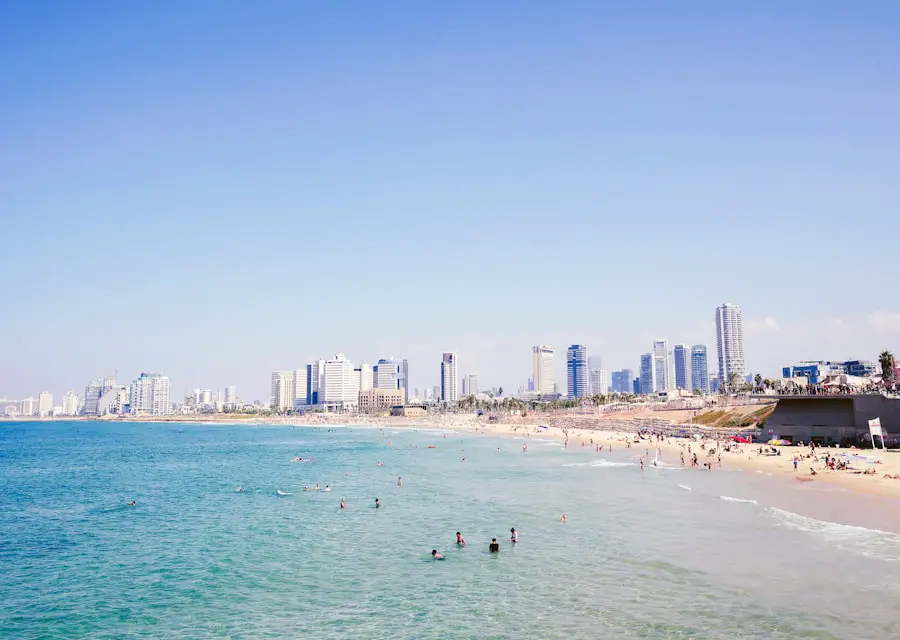
The Mediterranean coast is one of Tel Aviv’s defining attractions. According to the Tel Aviv-Yafo Municipality, the city has 13 designated beaches stretching along roughly 14 km of coastline. Popular areas include Gordon, Frishman, Jerusalem, Hilton, and the beaches leading south toward Jaffa.
The easiest waterfront activity is simply walking or cycling along the promenade. It connects much of the central beachfront and provides a scenic route toward Jaffa, with cafés, beach facilities, and numerous places to stop along the way.
Swimming, surfing, and paddleboarding are popular when conditions allow. Follow lifeguard flags and instructions rather than judging the sea by appearance alone. Municipal rules also prohibit motor sports such as jet skis and boats on bathing beaches, so the city’s waterfront should not be treated like a motorized water-sports zone.
Tel Aviv-Yafo’s 2026 bathing season runs from March 25 through October 10. The municipality lists lifeguard service from 07:15 to 18:45 during July and August, although visitors should always recheck same-day information.
Beach facilities and operating hours change seasonally. Swimming without active lifeguard supervision is considered dangerous, and municipal guidance says bathing is prohibited when no lifeguard is on duty or when a black flag is raised.
Pro Tip: Combine the beach with Old Jaffa by walking south along the promenade. It turns two major Tel Aviv experiences into one easy half-day rather than requiring separate trips across the city.
Cultural and Historical Landmarks
Tel Aviv-Yafo’s history is easier to understand when you explore both ancient Jaffa and the much younger center of Tel Aviv. The contrast between stone lanes in Jaffa and 20th-century modernist architecture around central Tel Aviv is one of the city’s most distinctive features.
Explore Old Jaffa and Jaffa Port
Old Jaffa is one of the best places to begin. The historic district includes narrow lanes, religious buildings, galleries, viewpoints, restaurants, and access to the old port. Around the Clock Tower and nearby streets, the atmosphere becomes busier, with cafés, shops, and the Jaffa Flea Market.
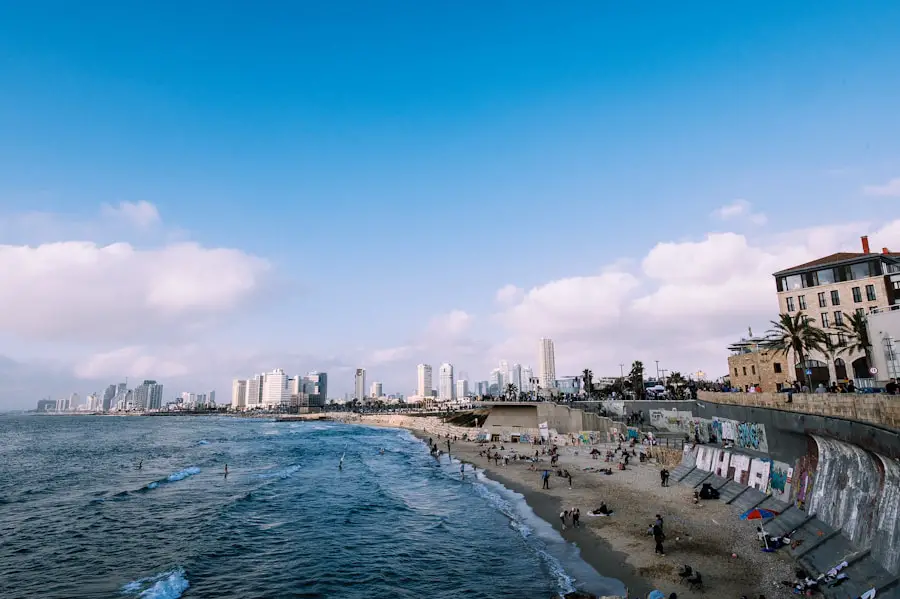
Allow time simply to wander instead of moving from landmark to landmark. The elevated areas around Old Jaffa also provide excellent views north toward Tel Aviv’s modern shoreline.
See the White City and Rothschild Boulevard
Central Tel Aviv contains one of the world’s most important concentrations of Modern Movement architecture. UNESCO inscribed the White City of Tel Aviv on the World Heritage List in 2003, recognizing its adaptation of modernist architecture and town planning to local conditions.
Rothschild Boulevard is an easy place to start exploring this architectural heritage. Walk slowly enough to notice balconies, horizontal lines, shaded façades, rounded corners, and other climate-conscious features rather than expecting every building to resemble the Bauhaus school itself.
At the northern end of Rothschild Boulevard, the Habima Theatre and surrounding Culture Square make a natural continuation of the walk.
Walk Through Neve Tzedek
Neve Tzedek offers another layer of local history. Built before Tel Aviv itself, the neighborhood is known for narrow streets, restored low-rise buildings, cafés, boutiques, galleries, and cultural venues. Its location makes it easy to combine with Rothschild Boulevard, Carmel Market, the beach, or Jaffa.
Vibrant Nightlife and Entertainment
Tel Aviv is known for evenings that start late and can continue well into the night. Rather than having one single nightlife district, the city offers different scenes in central Tel Aviv, around Rothschild Boulevard and nearby streets, in Florentin, and around parts of Jaffa.
Florentin has a more casual and alternative feel, with bars, street art, and small venues. Central areas offer a wider mix of cocktail bars, restaurants, clubs, and late-night cafés. Jaffa provides a different atmosphere, where bars and restaurants sit near older streets and the flea-market district.
Entertainment is not limited to clubs. Visitors can look for theater, dance, live music, exhibitions, and other current events through Tel Aviv’s official tourism site. Event schedules can change, so checking what’s actually happening during your dates is much more useful than planning around a generic list of venues months in advance.
Note: Shabbat begins Friday evening and ends Saturday evening. Many Tel Aviv bars, cafés, and restaurants continue operating, but regular transit, shops, museums, and individual businesses may follow different schedules. Check hours before making fixed plans.
Outdoor Markets and Shopping
Tel Aviv’s markets are far more useful to visitors than generic shopping districts because they combine food, everyday life, souvenirs, local design, and neighborhood atmosphere. Three stand out for first-time travelers.
| Market | Best For | What to Expect |
| Carmel Market | Food and local atmosphere | Produce, spices, baked goods, prepared food, drinks, household items, and busy market lanes. |
| Jaffa Flea Market | Vintage finds and neighborhood browsing | Secondhand goods, antiques, design shops, cafés, restaurants, and streets that become lively later in the day. |
| Nachalat Binyamin | Local arts and crafts | Handmade jewelry, ceramics, decorative objects, and work sold by local creators during the arts-and-crafts market. |
Carmel Market is the best choice if food is the priority. Its narrow central lane and surrounding Kerem HaTeimanim area can keep visitors busy well beyond a quick walk through the stalls.
The Jaffa Flea Market is better for slow browsing. Alongside traditional secondhand and antique sellers, the surrounding streets now contain boutiques, restaurants, cafés, and bars, making the area worth visiting even for travelers who are not shopping.
Nachalat Binyamin, close to Carmel Market, is particularly useful for travelers looking for locally made gifts. Market schedules can change around holidays and special events, so confirm current operating times before building your day around a specific market.
Culinary Experiences and Food Tours
Food is one of the easiest ways to explore Tel Aviv because excellent choices are spread through markets, neighborhood cafés, bakeries, casual counters, and restaurants rather than confined to formal dining rooms.
Carmel Market and the surrounding streets are a strong starting point. Depending on where you stop, you may find hummus, falafel, shakshuka, sabich, bourekas, grilled meats, fresh bread, olives, cheeses, juices, sweets, and dishes reflecting cuisines from across the region and wider Israeli society.
Jaffa is another worthwhile food area, particularly for hummus, seafood, bakeries, cafés, and restaurants in and around the flea-market district. Levinsky and Florentin are better choices when you want spice shops, casual dining, drinks, and neighborhood exploration in the same outing.
Guided food tours can be useful on a short first visit because they provide historical and cultural context while letting you taste several specialties without choosing every stop yourself. Travelers with kosher, halal, vegetarian, vegan, allergy, or other dietary requirements should still confirm preparation practices directly with each business.
Pro Tip: Visit a food market hungry but avoid ordering a full meal at the first stall. Sampling several small items makes the market experience far more interesting.
Art and Design Districts
Tel Aviv’s visual culture ranges from major museums to street art, architecture, small galleries, and design shops. For formal art, the Tel Aviv Museum of Art is the city’s essential stop. Its collections and changing exhibitions span modern, contemporary, Israeli, and international art.
Current 2026 visitor information lists the museum as closed on Sunday and Monday during a normal week, with varying hours Tuesday through Saturday. Holiday schedules differ, so check the museum’s own page immediately before visiting.
For art in public space, walk through Florentin. Murals, tags, commissioned work, workshops, and changing street art make the neighborhood feel more spontaneous than a museum visit. Because street art changes constantly, a guided walk can provide useful context about individual artists and local issues.
Neve Tzedek and Jaffa offer yet another side of the city’s creative scene through galleries, boutiques, studios, restored architecture, and locally designed goods. The contrast between these neighborhoods and the White City’s modernist architecture makes Tel Aviv particularly rewarding for visitors interested in design.
Wellness and Outdoor Recreation
Relaxation in Tel Aviv does not require booking an all-day retreat. The beachfront itself provides easy opportunities for walking, swimming when supervised, stretching, and simply spending time outdoors.
Yarkon Park provides a greener alternative to the coast. The large urban park follows the Yarkon River and is used for walking, jogging, cycling, picnics, sports, and general recreation. It is particularly useful when you want outdoor time without spending another full day on the sand.
Yoga studios, hotel spas, massage services, gyms, and wellness businesses are also available throughout the city. Treat these as relaxation or fitness experiences rather than medical treatment, and check qualifications and current reviews before booking specialized services.
Practical Tips for Getting Around Tel Aviv
Central Tel Aviv is relatively compact, and many sightseeing days work best on foot. Old Jaffa, Neve Tzedek, Carmel Market, Rothschild Boulevard, Florentin, and sections of the beach can be combined without constantly taking taxis.
Cycling is another popular option, but use designated infrastructure where available and stay alert around pedestrians, scooters, intersections, and busy roads.
The city’s light-rail Red Line connects Tel Aviv with other parts of the metropolitan area and can be useful for longer urban trips. Buses remain important for areas away from the rail line.
Plan Around Shabbat
Regular public transportation is heavily affected by Shabbat. However, the Tel Aviv metropolitan area also operates a free weekend transportation system on Fridays and Saturdays. Municipal information currently describes buses operating approximately every half hour during defined Friday-evening and Saturday-daytime windows.
This does not mean every route or destination remains accessible exactly as on a weekday. Check current weekend maps and schedules before relying on the service, particularly around holidays.
Taxis, bicycles, scooters, and some other private transportation options may also be available during Shabbat. Some restaurants and bars stay open, while many shops and individual attractions close or shorten their hours.
Note: Jewish holidays can alter transportation, museum hours, markets, restaurants, beach services, and other attractions beyond normal weekly schedules. Always verify specific dates rather than relying solely on standard opening hours.
Safety and Emergency Planning
Ordinary urban precautions still matter: protect valuables in busy areas, keep hydrated in hot weather, cross bike and scooter lanes carefully, and follow lifeguard instructions at the beach. In 2026, visitors also need to plan for the possibility of security alerts and transportation disruption.
The U.S. Department of State currently describes the security environment in Israel, including Tel Aviv, as unpredictable and warns that rocket, missile, mortar, and unmanned-aircraft incidents can occur without warning. Travelers should also avoid demonstrations and follow instructions from local authorities.
Israel’s official emergency information for tourists instructs visitors to follow official alerts and immediately move to an appropriate protected place if a siren sounds. Ask your hotel or host where the nearest suitable protected space is when you arrive rather than waiting for an emergency.
Keep airline notifications enabled and avoid building an itinerary that depends on inflexible connections. Regional tensions can cause flight cancellations or operational changes with little notice.
Day Trips and Excursions to Nearby Attractions
Tel Aviv itself can easily fill several days, so first-time visitors should not feel pressured to leave the city immediately. Old Jaffa, the coast, White City architecture, markets, museums, parks, and neighborhoods already provide a varied itinerary.
When regional conditions permit, common excursions include Jerusalem and the archaeological sites around Caesarea. These destinations provide very different experiences from Tel Aviv, but conditions, transportation, attraction access, and official travel guidance should be checked again on the morning of departure.
Longer excursions toward the Dead Sea or other parts of Israel require more planning and should never be booked solely from an old itinerary without checking current road conditions, security guidance, weather, attraction status, and transport.
Caution: Do not assume that a day trip described in an older travel guide is appropriate under current conditions. Official restrictions and advisories can differ substantially by region and may change with little notice.
If you’re bringing photography equipment, carrying it comfortably can make long sightseeing days much easier. This guide to the best travel camera backpacks can help you choose a practical way to carry camera gear while walking the promenade, Old Jaffa, markets, and city neighborhoods.
Frequently Asked Questions
What are the top things to do in Tel Aviv?
Top experiences include exploring Old Jaffa and Jaffa Port, walking the beachfront promenade, relaxing on a supervised beach, visiting Carmel Market, seeing the UNESCO-listed White City around Rothschild Boulevard, exploring Neve Tzedek and Florentin, and visiting the Tel Aviv Museum of Art.
What are some popular cultural attractions in Tel Aviv?
Popular cultural attractions include the Tel Aviv Museum of Art, Old Jaffa, the White City and Rothschild Boulevard, Habima Theatre and Culture Square, Neve Tzedek, local galleries, and Florentin’s changing street-art scene.
What outdoor activities are available in Tel Aviv?
Visitors can walk or cycle the seafront promenade, swim at designated beaches when lifeguards are on duty, surf or paddleboard when conditions permit, explore Yarkon Park, walk through Jaffa and central neighborhoods, or relax on the beach.
What foods should I try in Tel Aviv?
Look for hummus, falafel, sabich, shakshuka, bourekas, fresh breads, salads, grilled dishes, market snacks, sweets, and Mediterranean seafood. Carmel Market, Jaffa, Kerem HaTeimanim, Florentin, and the Levinsky area are useful places to explore.
What is the best way to explore Tel Aviv?
Walking works especially well in central Tel Aviv and Jaffa. For longer distances, use buses, the light-rail Red Line, taxis, or other locally available transport. Cycling can also be convenient where suitable infrastructure is available.
Is Tel Aviv safe to visit right now?
Security conditions can change quickly. As of July 2026, the U.S. Department of State advises travelers to reconsider travel to Israel and warns that security incidents and transportation disruption can occur with little notice. Consult your own government’s current advisory, local authorities, your airline, and your accommodation before making a travel decision.
What should visitors know about Shabbat in Tel Aviv?
Shabbat runs from Friday evening through Saturday evening. Regular public transportation is limited, although Tel Aviv operates a separate free weekend bus network. Many restaurants and bars remain open, while shops, attractions, and other businesses may close or use shorter hours.
Sources
- U.S. Department of State — Israel, West Bank and Gaza Travel Advisory — current security and travel-risk guidance.
- U.S. Department of State — Worldwide Caution — regional tensions and potential flight or airspace disruption.
- Tel Aviv-Yafo Municipality — Beaches — 2026 bathing season, lifeguard hours, coastline and beach-safety information.
- Tel Aviv-Yafo Municipality — Public Transportation — free Friday/Saturday weekend transportation information.
- UNESCO World Heritage Centre — White City of Tel Aviv — World Heritage status and architectural significance.
- Tel Aviv Museum of Art — Visitor Information — current museum hours, admission and visitor details.
