
Last Updated on July 31, 2026 by Daniel Globe
Seoul combines royal palaces, traditional neighborhoods, street-food markets, mountain trails, modern shopping, and late-night entertainment in one easy-to-navigate city. First-time visitors can see many of its highlights in three to five days by grouping nearby attractions and using the subway between districts.
Quick Answer
The best things to do in Seoul include touring Gyeongbokgung and Changdeokgung palaces, walking through Bukchon and Insadong, eating at Myeongdong and Gwangjang Market, seeing the skyline from N Seoul Tower, exploring Hongdae, relaxing beside the Hangang River, and hiking in Bukhansan National Park.
Key Takeaways
- Gyeongbokgung Palace, Bukchon Hanok Village, Insadong, and Cheonggyecheon are close enough to combine in one sightseeing day.
- Myeongdong and Gwangjang Market offer two different food experiences: modern shopping streets and a traditional covered market.
- N Seoul Tower provides broad city views, while Hangang Park offers a more relaxed look at everyday life in Seoul.
- Hongdae is best for busking, cafes, live music, and nightlife.
- Bukchon is a residential district with enforced visitor restrictions in its red zone, so visit quietly and only during permitted hours.
- Bukhansan National Park is a strong choice for outdoor travelers, but trail conditions and closures should be checked before departure.
At a Glance
| Time Required | Three to five days for the main sights; longer if you plan museum visits, hiking, or day trips. |
| Difficulty | Easy city sightseeing with substantial walking; moderate to difficult if hiking Bukhansan. |
| Useful Items | Comfortable shoes, a transit card, mobile data, a reusable water bottle, and weather-appropriate clothing. |
| Cost | Many neighborhoods, streams, parks, and museum galleries are free. Palaces, observation decks, cable cars, meals, and special exhibitions cost extra. |
Disclosure: As an Amazon Associate I earn from qualifying purchases. Some links on this page are affiliate links, at no extra cost to you.
Visit Gyeongbokgung Palace
Gyeongbokgung Palace is the largest of Seoul’s Five Grand Palaces and was established in 1395 as the primary palace of the Joseon Dynasty. It is one of the best places to begin learning about Korea’s royal history and traditional architecture.
The palace did not operate continuously for centuries. It was destroyed during the Japanese invasion of 1592, remained in ruins for about 270 years, and was restored in 1867. Additional restoration work has continued in modern times.
What to See Inside the Palace
Geunjeongjeon Hall was the main throne hall, where kings handled major state affairs and held formal ceremonies. Its raised stone platform, painted wooden structure, tiled roof, and broad courtyard show how royal architecture was designed to express authority.
The wider palace grounds include gates, living quarters, pavilions, gardens, and courtyards. Allow enough time to walk beyond the first few buildings, because much of the palace’s character appears in its quieter side areas.
The Royal Guard Changing Ceremony is another popular attraction. Guards wear recreated military clothing and perform a formal ceremony near the palace entrance. The event follows a set schedule but may be canceled because of weather, palace closures, or special events.
Pro Tip: Visit Gyeongbokgung early, then continue to Bukchon Hanok Village and Insadong. These attractions are close enough to combine without repeatedly crossing the city.
Note: Palace closing days, admission rules, guided tours, and ceremony schedules can change. Check the official Royal Palaces and Tombs Center website before visiting.
Shop and Eat in Myeongdong
Myeongdong is one of Seoul’s best-known shopping districts. Its streets combine department stores, fashion retailers, K-beauty shops, restaurants, cafes, and evening food stalls.
The area is especially popular with visitors looking for Korean skincare and makeup. Brands such as Innisfree, Etude, and Missha have long been associated with Myeongdong, although individual branches, shop locations, and flagship designations change over time.
Street-food options often include tteokbokki, grilled skewers, dumplings, hotteok, tornado potatoes, and other quick snacks. Korean fried chicken, bibimbap, noodle dishes, barbecue, and soups are usually easier to enjoy in the surrounding restaurants than at the smallest street stalls.
Myeongdong becomes busier in the evening as food vendors set up and shoppers arrive after work. Go earlier for easier browsing or later for a livelier street atmosphere.
Visit N Seoul Tower for Panoramic Views
N Seoul Tower stands on Namsan Mountain and is one of the city’s most recognizable landmarks. The approximately 236-meter structure functions as a telecommunications and observation tower, with viewing areas that look across central Seoul and the surrounding mountains.
Visitors can walk through Namsan Park, use public transportation, or take the Namsan Cable Car. The uphill walk can be steep, while the cable car is convenient but may have queues during weekends, holidays, and sunset hours.
The observation areas provide broad views during the day and a field of city lights after dark. Sunset is popular because visitors can watch the city change from daylight to evening, but it is also one of the busiest times.
The tower complex is known for its “Locks of Love” displays, where couples attach padlocks to designated fences and terraces. Restaurants, cafes, photo areas, and souvenir shops are also available around the tower.
Wander Through Bukchon Hanok Village
| Metrics | Verified Visitor Information |
| Number of Hanok Houses | Hundreds of hanok remain across Bukchon; exact totals vary according to the boundary and building category used. |
| Area Size | Bukchon is a broad residential district. The regulated red zone around Bukchon-ro 11-gil covers approximately 34,000 square meters. |
| Visitor Count | The neighborhood receives heavy visitor traffic. Annual totals vary by year and by the area included in the count. |
| Historical Significance | Bukchon has deep historical roots. The well-known Gahoe-dong hanok cluster around Bukchon-ro 11-gil was developed during the 1930s. |
| Accessibility | Accessible by public transportation near Anguk Station, but many lanes are steep, narrow, stepped, or uneven. |
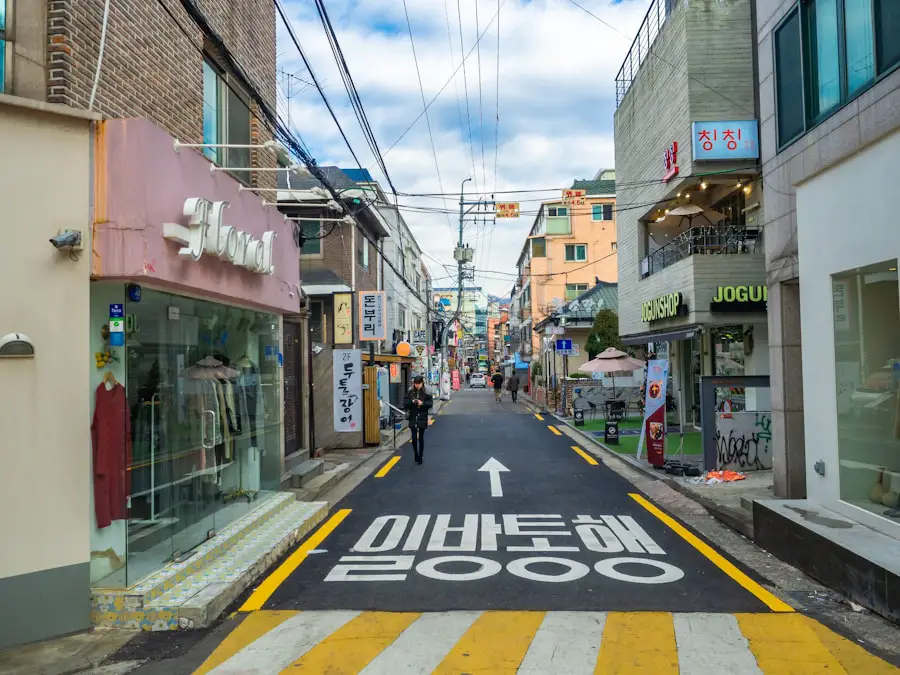
Bukchon Hanok Village lies between Gyeongbokgung Palace and Changdeokgung Palace. Its lanes contain hundreds of traditional and restored hanok, along with workshops, galleries, tea houses, cultural spaces, guesthouses, and private homes.
The district’s roots reach back to the Joseon period, when government officials and noble families lived in the area. However, many of the compact urban hanok seen today were built or redeveloped during the late nineteenth and early twentieth centuries. Seoul’s official walking guide identifies the famous Bukchon-ro 11-gil cluster as a 1930s development.
Visitors can explore craft studios, cultural centers, tea houses, and spaces offering pottery, traditional art, or hanbok experiences. Some homes and workshops welcome visitors, but many buildings remain private residences.
Warning: Bukchon is a residential neighborhood. In the designated Bukchon-ro 11-gil red zone, tourist visits are prohibited from 5 p.m. to 10 a.m., and violations can bring a KRW 100,000 fine. Visit between 10 a.m. and 5 p.m., keep noise low, do not enter private property, and avoid photographing through windows or doorways.
Experience Korean Traditional Culture in Insadong
Insadong is one of Seoul’s best areas for traditional crafts, art, antiques, tea, and souvenirs. Its main street and smaller lanes contain galleries and shops selling ceramics, handmade hanji paper, calligraphy supplies, paintings, carved objects, and other Korean-made goods.
Traditional tea houses are a major part of the neighborhood. Visitors can try green tea, herbal infusions, rice cakes, sweet red-bean pastries, and other snacks in quieter settings away from the main shopping streets.
Insadong also hosts exhibitions, performances, workshops, and seasonal events. It works especially well after Gyeongbokgung or Bukchon because the three areas are close together and share a strong cultural focus.
Enjoy Hongdae Nightlife and Street Culture
Hongdae is one of Seoul’s main districts for youth culture, live music, art, cafes, shopping, and nightlife. Its name comes from nearby Hongik University, and the surrounding streets attract students, musicians, artists, and visitors throughout the week.
The evening scene includes K-pop clubs, hip-hop venues, indie performances, bars, karaoke rooms, and street busking. The atmosphere varies by street, so visitors who do not want a club can still enjoy music, shopping, cafes, and late-night food.
Hongdae is also known for themed cafes, photo booths, fashion shops, art markets, board-game cafes, and casual restaurants. Late-night foods may include spicy chicken skewers, pancakes, fried snacks, noodles, barbecue, and convenience-store meals.
The district is liveliest on Friday and Saturday nights. Quieter visitors may prefer a weekday afternoon or early evening, while travelers looking for nightlife can stay later.
Explore Changdeokgung Palace and the Secret Garden
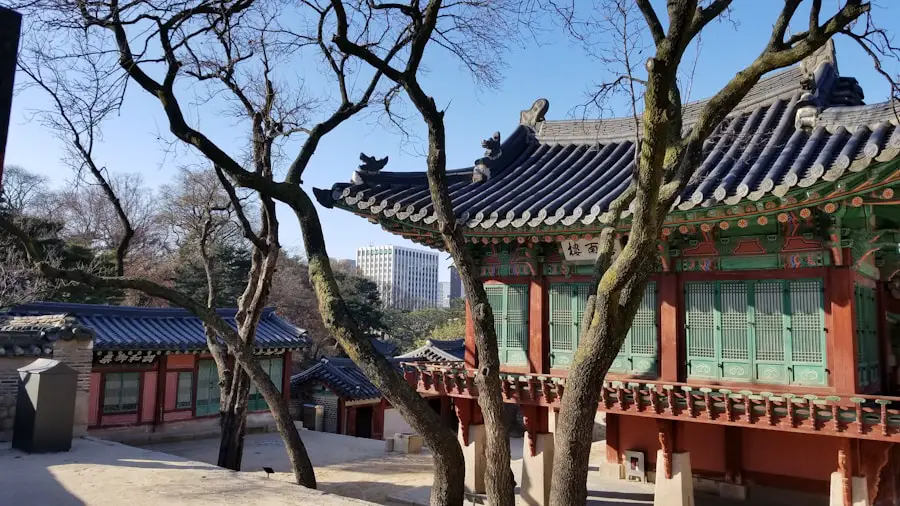
Changdeokgung Palace was built in 1405 as a secondary palace to Gyeongbokgung. It later served as the principal royal residence for several Joseon kings and is valued for the way its buildings follow the natural terrain rather than imposing a rigid layout.
The Changdeokgung Palace Complex was inscribed on the UNESCO World Heritage List in 1997. UNESCO recognizes its combination of palace architecture, garden design, indigenous vegetation, and adaptation to the surrounding landscape.
The palace’s rear garden, often called the Secret Garden, contains ponds, pavilions, wooded paths, stone features, and landscaped areas once used by the royal family. Spring blossoms and autumn foliage make it especially attractive during seasonal color changes.
Access arrangements for the garden can differ from general palace admission, and some visits follow scheduled or guided-entry systems. Check the current palace information before arriving rather than assuming that every area is open for unrestricted entry.
Walk Along Cheonggyecheon Stream
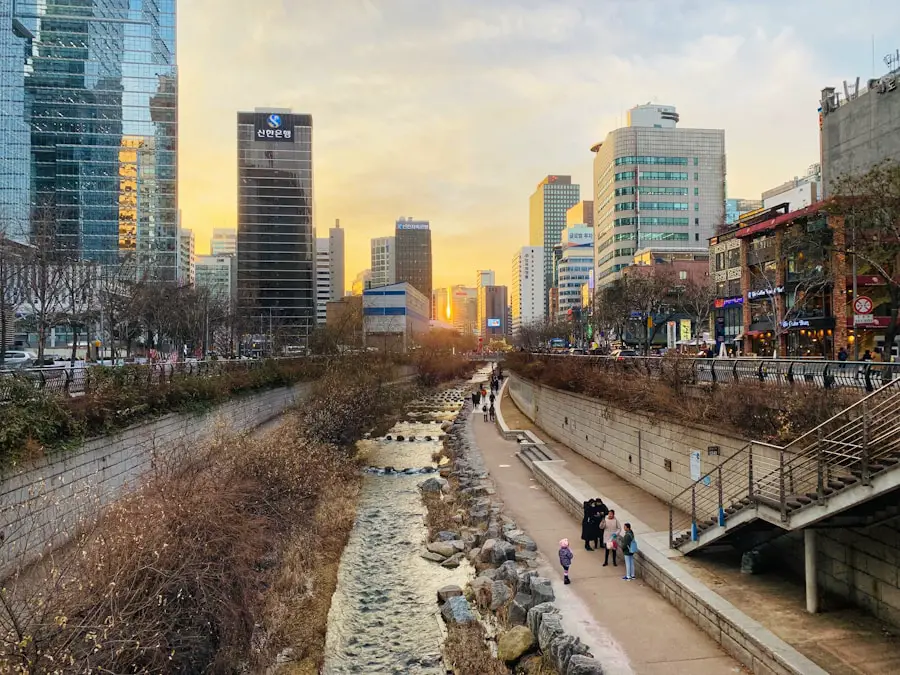
Cheonggyecheon Stream is an approximately 11-kilometer waterway running through central Seoul. Once covered by roads and elevated infrastructure, it was restored as a public pedestrian space and reopened in 2005.
The paths beside the stream offer a calmer route through the city center. Visitors can see bridges, stepping stones, fountains, landscaping, lighting, sculptures, and seasonal installations while remaining below much of the surrounding road traffic.
The stream is popular for short walks, photography, lunchtime breaks, and evening strolls. Different access points make it easy to walk only one section rather than the full route.
Cheonggyecheon runs for about 11 kilometers, but first-time visitors can enjoy its central section in less than an hour and continue on foot toward Gwangjang Market.
Eat at Gwangjang Market
Gwangjang Market is one of Seoul’s best-known traditional markets and is described by the Korea Tourism Organization as Korea’s first permanent market. Its covered lanes contain prepared-food counters, textile vendors, traditional goods, groceries, and vintage-clothing shops.
Popular foods include bindaetteok, which is a crisp mung-bean pancake; mayak gimbap, or small seaweed rice rolls; tteokbokki; dumplings; noodles; and a range of meat and seafood dishes.
Look at posted menus and prices before ordering, especially when several stalls sell similar items. Food lanes can become crowded, so keep bags close, avoid blocking narrow walkways, and order only what you can comfortably finish.
Visit the National Museum of Korea
The National Museum of Korea is a valuable stop for understanding the history behind Seoul’s palaces, temples, artworks, and archaeological sites. Its collections cover Korean prehistory, ancient kingdoms, Buddhist art, calligraphy, ceramics, sculpture, painting, and the Joseon period.
General admission to the permanent galleries is free, although special exhibitions may require separate tickets. The museum is large enough to fill several hours, making it a useful choice during rain, extreme heat, or cold winter weather.
Rather than trying to see every gallery, choose two or three areas that match your interests. Visitors planning to tour the royal palaces may find the medieval, early modern, sculpture, and decorative-art galleries especially helpful.
Relax at Hangang Park
Seoul’s Hangang parks stretch along the Han River and provide space for walking, cycling, picnics, exercise, and evening skyline views. Popular choices include Yeouido, Banpo, Ttukseom, Ichon, and Jamwon, each with a somewhat different setting and mix of facilities.
Visitors can rent bicycles in some areas, buy picnic food nearby, watch buskers, or sit beside the river as the city lights come on. The parks are especially popular during mild spring and autumn weather.
Riverside events, fountains, rentals, and seasonal facilities do not operate on identical schedules. Check the specific park or activity before planning your day around it.
Hike in Bukhansan National Park
Bukhansan National Park covers mountain terrain in northern Seoul and neighboring Gyeonggi Province. It offers wooded paths, temples, fortress remains, granite peaks, and routes ranging from gentle foothill walks to steep summit climbs.
Beginners can choose lower trails or sections of the Bukhansan Dulle-gil rather than attempting a difficult peak. Experienced hikers may consider routes toward Baegundae or other summits, but these can involve steep rock, stairs, railings, and exposed terrain.
Warning: Check the Korea National Park Service for current trail controls, entry-time rules, weather, and closures before leaving. Carry water, wear shoes with good grip, start early enough to return before dark, and do not attempt a difficult summit route in unsafe conditions.
Practical Tips for Visiting Seoul
Use Public Transportation
Seoul’s subway and bus network reaches most major attractions. A reloadable transit card reduces the need to buy a separate ticket for every ride. Navigation apps with Korean map data can be more useful than relying only on a global map service.
Group nearby places together. Gyeongbokgung, Bukchon, Insadong, and central Cheonggyecheon fit naturally into one day. Myeongdong, Namsan, and N Seoul Tower also combine well.
Plan for Walking and Weather
Even with public transportation, a sightseeing day can include long station corridors, palace courtyards, hills, stairs, and uneven lanes. Wear comfortable shoes and keep the day flexible if anyone in your group has limited mobility.
Summers can be hot, humid, and rainy, while winters can be cold and dry. Spring and autumn are often comfortable for walking, but popular blossom and foliage periods also bring larger crowds.
Check Hours Before Each Day
Palaces may close on different weekdays. Ceremonies can be canceled, museum hours may vary by day, and outdoor attractions can change operations because of weather. Confirm current information on the official website shortly before visiting.
Sample Three-Day Seoul Itinerary
- Day 1: Gyeongbokgung Palace, Bukchon Hanok Village, Insadong, and a walk along Cheonggyecheon.
- Day 2: National Museum of Korea, Hangang Park, Myeongdong, and N Seoul Tower around sunset.
- Day 3: Bukhansan National Park in the morning and Hongdae in the evening. For a less active day, replace the hike with Changdeokgung Palace and Gwangjang Market.
Pack for the Season and Protect Your Information
Cold-weather visitors may find a rechargeable hand warmer useful during palace walks, markets, and outdoor viewpoints; this rechargeable hand warmer for travel guide explains what to consider. Travelers planning camping or extended outdoor adventures can also review this solar-powered camping lantern guide.
When using travel websites to compare products, tours, or services, review how personal information is collected and used. Take Travel Info provides its website terms in its privacy policy.
Frequently Asked Questions
What are the top things to do in Seoul?
Top choices include Gyeongbokgung Palace, Changdeokgung Palace, Bukchon Hanok Village, Insadong, Myeongdong, N Seoul Tower, Hongdae, Cheonggyecheon Stream, Gwangjang Market, the National Museum of Korea, Hangang Park, and Bukhansan National Park.
What are some popular cultural experiences in Seoul?
Visitors can tour a royal palace, rent a hanbok, watch a traditional guard ceremony, join a tea experience, visit a craft workshop, see a Korean performance, explore museum galleries, or stay in a registered hanok guesthouse.
What are the must-visit neighborhoods in Seoul?
Bukchon and Insadong are strong choices for traditional architecture and crafts. Myeongdong is known for shopping and food, Hongdae for youth culture and nightlife, Gangnam for modern shopping and entertainment, and areas such as Seongsu and Itaewon for cafes, dining, and contemporary city life.
What outdoor activities can you do in Seoul?
Outdoor options include hiking in Bukhansan National Park, cycling beside the Han River, picnicking at a Hangang park, walking along Cheonggyecheon Stream, exploring Namsan Park, and following sections of the Seoul City Wall.
What are the best food experiences in Seoul?
Try Korean barbecue, bibimbap, fried chicken, noodle soups, dumplings, and street snacks. Gwangjang Market is known for traditional market foods, while Myeongdong mixes evening food stalls with restaurants and modern cafes.
How many days do you need in Seoul?
Three full days are enough for several major attractions, but four or five days provide a more comfortable pace and leave room for museums, hiking, shopping, or a day trip.
What is the best way to get around Seoul?
The subway is usually the easiest option for first-time visitors, with buses filling gaps between stations and attractions. Use a reloadable transit card and group nearby sights together to reduce travel time.
Sources
- Royal Palaces and Tombs Center: Gyeongbokgung Palace History — establishment, destruction, restoration, and historical role.
- UNESCO World Heritage Centre: Changdeokgung Palace Complex — heritage status, architecture, and integration with the landscape.
- Seoul Metropolitan Government: Bukchon Visitor Restrictions — red-zone hours, boundaries, enforcement, and fines.
- N Seoul Tower: Official Access Information — cable-car access and operating-condition notices.
- National Museum of Korea — current visitor information, admission, and exhibitions.
- Korea National Park Service: Bukhansan National Park — routes, maps, entry rules, and live trail controls.
