
Last Updated on July 27, 2026 by Daniel Globe
Hamburg blends centuries of maritime history with striking modern architecture, museums, waterfront neighborhoods, green spaces, nightlife, and some of Germany’s most distinctive food traditions. First-time visitors can see many of the city’s best attractions within a compact area around Speicherstadt, HafenCity, the Elbe, the Alster lakes, and the historic center, while St. Pauli adds a very different side of Hamburg after dark.
Quick Answer
The best things to do in Hamburg include exploring UNESCO-listed Speicherstadt, visiting Miniatur Wunderland and the Elbphilharmonie, walking through HafenCity, cruising the Alster or harbor, seeing St. Michael’s Church and the Kunsthalle, enjoying St. Pauli nightlife, relaxing in Planten un Blomen, and visiting the Sunday Fischmarkt.
Key Takeaways
- Speicherstadt, Miniatur Wunderland, HafenCity, and the Elbphilharmonie are close enough to combine in one waterfront sightseeing route.
- Hamburg is best experienced from both land and water, with different views available from harbor boats, public ferries, and Alster cruises.
- St. Michael’s Church, City Hall, the Kunsthalle, and Planten un Blomen add history, art, architecture, and green space to a city itinerary.
- St. Pauli and the Reeperbahn are the center of Hamburg’s best-known nightlife scene.
- Visit the Fischmarkt early on Sunday morning and always check current attraction times and ticket rules before your trip.
Disclosure: As an Amazon Associate I earn from qualifying purchases. Some links on this page are affiliate links, at no extra cost to you.
Explore the Historic Speicherstadt
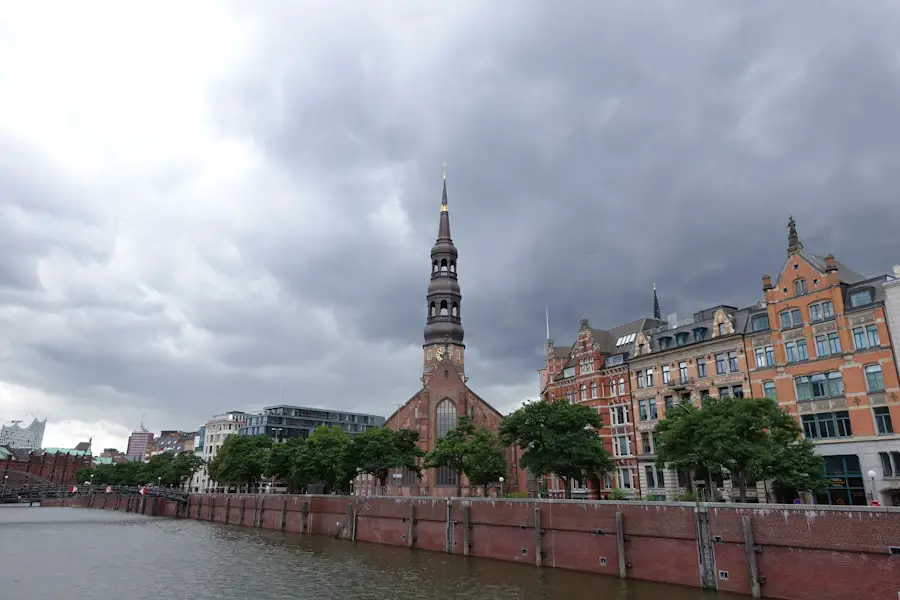
The Speicherstadt, or “Warehouse City,” is one of Hamburg’s defining sights. It forms part of the UNESCO World Heritage property officially known as Speicherstadt and Kontorhaus District with Chilehaus, which was inscribed on the World Heritage List in 2015.
UNESCO dates the main development of Speicherstadt to 1885–1927. Its red-brick warehouses were built on islands and supported by timber-pile foundations, creating a vast port storage district closely tied to Hamburg’s trading economy. Coffee, spices, tea, carpets, and other imported goods passed through the area.
Walk along the cobbled streets and narrow waterways and look closely at the neo-Gothic brick facades, bridges, loading doors, and gables. The district becomes especially atmospheric around dusk, when lights from the warehouses and bridges reflect in the canals.
Speicherstadt developed mainly between 1885 and 1927 and remains one of the world’s largest unified historic port warehouse complexes.
There is more here than architecture. Miniatur Wunderland occupies part of the district, while the Hamburg Dungeon uses actors, theatrical sets, special effects, and rides to turn episodes from Hamburg’s darker history into an immersive entertainment experience. It is better described as a historical attraction than as a conventional museum.
Pro Tip: Speicherstadt, Miniatur Wunderland, HafenCity, and the Elbphilharmonie sit close together. Plan them on the same day to reduce backtracking, then stay into the evening to see the illuminated warehouse district.
See Miniatur Wunderland
Miniatur Wunderland deserves more than a passing mention. Guinness World Records recognizes the Hamburg attraction for the world’s largest model train set, and the constantly expanding miniature world includes detailed landscapes, cities, railways, airports, vehicles, and day-to-night lighting effects.
The appeal goes well beyond model-train enthusiasts. Tiny scenes reward slow observation, with humorous details and moving elements hidden throughout the displays. It is also a useful rainy-day attraction and works particularly well for families.
Because Miniatur Wunderland is one of Hamburg’s busiest attractions, reserving a timed entry through the official Miniatur Wunderland website is sensible during weekends, school holidays, and peak travel periods.
Visit the Elbphilharmonie
The Elbphilharmonie is more than a concert hall; it is one of Hamburg’s modern architectural landmarks. Designed by Herzog & de Meuron, its glass upper structure rises above the historic Kaispeicher A warehouse on the Elbe waterfront. Construction was completed in 2016, and the concert venue officially opened in January 2017.
Even without a concert ticket, visitors can go up to the Elbphilharmonie Plaza, a public viewing level 37 meters above ground that looks across the harbor, HafenCity, Speicherstadt, and central Hamburg.
The venue has two main concert halls as well as the Kaistudios. Its Grand Hall uses vineyard-style seating around a central stage and accommodates 2,100 guests. The hall’s Klais organ contains 4,765 pipes integrated into the surrounding architecture.
A concert offers the fullest experience, but guided building tours and Plaza visits are good alternatives when performances do not fit your schedule.
Note: Elbphilharmonie ticket rules are changing in 2026. As of July 2026, spontaneous Plaza admission remains free when capacity is available through October 4. From October 5, 2026, the venue has announced a €5 standard Plaza admission fee. Check the official Plaza page when planning your visit.
Wander Through the HafenCity District
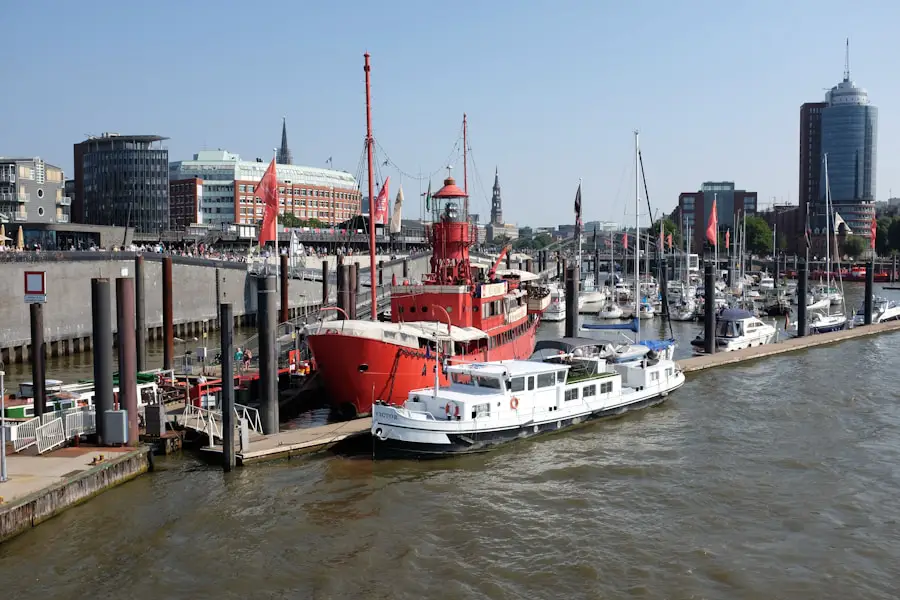
HafenCity represents Europe’s largest inner-city urban development project, transforming former port and industrial land into a mixed-use waterfront district. Modern apartments, offices, public spaces, cultural venues, shops, and restaurants now occupy an area once dominated by docks and warehouses.
As you walk through HafenCity, contemporary buildings create a sharp contrast with the historic brick architecture of neighboring Speicherstadt. Waterfront promenades and public squares make the district pleasant for an unhurried walk, particularly around the Elbphilharmonie and Sandtorhafen.
One of HafenCity’s highlights is the International Maritime Museum Hamburg, located in the historic Kaispeicher B warehouse. Its exhibitions cover maritime exploration, naval history, shipbuilding, navigation, models, and seafaring culture across nine exhibition decks.
Cafes and restaurants throughout HafenCity provide places to stop with views over the harbor basins. The combination of restored industrial structures and ambitious new architecture makes the district one of the clearest examples of how Hamburg continues to develop without severing its connection to the port.
See Hamburg from the Harbor
Hamburg’s identity is inseparable from the Elbe and its working port, so a harbor trip adds a perspective you cannot get from the streets. Commercial sightseeing cruises usually depart around Landungsbrücken and travel past docks, container terminals, shipyards, waterfront architecture, and parts of Speicherstadt when water levels and routes permit.
A lower-cost alternative is to use an HVV harbor ferry as part of the city’s public transport network. The experience is not the same as a narrated sightseeing cruise, but ferries offer excellent river views while functioning as normal transit. The HVV network includes buses, U-Bahn and S-Bahn trains, regional services, and harbor ferries under the appropriate tickets.
Choose a narrated harbor cruise when you want historical context and explanations. Choose a public ferry when you mainly want the views and flexibility.
Enjoy a Boat Tour on the Alster Lakes
A boat trip on the Alster offers a calmer contrast to the industrial Elbe harbor. The Inner and Outer Alster occupy the heart of Hamburg, surrounded by parks, villas, waterfront paths, hotels, and city-center architecture.
The lakes trace their origins to medieval water engineering rather than the 13th century as previously stated. A dam built around 1190 turned part of the Alster River into a millpond, eventually shaping the Inner and Outer Alster seen today.
| Boat Tour Option | Typical Duration | Verified 2026 Adult Fare / Status |
| Classic Alster sightseeing trip | About 50 minutes | €25 on the operator’s 2026 booking schedule |
| Extended Alster routes | About 2 hours | €35 on published 2026 departures |
| Seasonal evening or special cruises | Varies | Schedule and fare vary by program |
| Hop-on hop-off Alster service | Route-dependent | Seasonal; use the current operator timetable |
| Private charter | Customizable | Quote varies by vessel, route, and duration |
The main sightseeing boats depart from Jungfernstieg. Depending on the route, passengers see the lakeside neighborhoods, elegant homes, green banks, sailboats, and city skyline. Some services provide English audio commentary, while longer trips follow waterways extending beyond the central lake.
In summer, the Alster becomes particularly lively with sailing, kayaking, rowing, and picnicking around the shore. Current departures and fares are available from Alster-Touristik.
Experience St. Pauli and the Reeperbahn
St. Pauli is renowned for its nightlife, live music, theaters, bars, restaurants, and unconventional atmosphere. Its best-known street is the Reeperbahn, long nicknamed Hamburg’s “sinful mile” because of the entertainment and red-light district that developed around it.
The neighborhood changes noticeably after dark. Traditional pubs sit alongside cocktail bars, clubs, theaters, music venues, restaurants, and late-night food counters, attracting both locals and visitors.
Live music remains central to St. Pauli. Venues such as Molotow and Gruenspan host touring and local performers across rock, indie, alternative, and other genres. Check current schedules before choosing a night out because programs and door times change frequently.
The district also has a strong theatrical tradition. St. Pauli Theater and other stages around Spielbudenplatz provide alternatives for travelers who want culture without spending the whole evening in bars or clubs. Late-night eateries make it easy to extend a night out with German street food or international dishes.
Stroll Along the Alster Promenade
Scenic Strolls and Charming Cafes
The paths around the Inner Alster and nearby Jungfernstieg offer some of central Hamburg’s easiest scenic walking. Tree-lined sections overlook the water and passing boats, while cafes provide convenient places to stop for coffee or pastries.
Sunset is particularly attractive when reflections from the city and sky spread across the lake. Early mornings offer a quieter experience before the shopping streets and waterfront become busy.
Historical Landmarks and Natural Beauty
Elegant buildings and grand hotels frame parts of the Alster. One notable landmark is the historic Hotel Atlantic Hamburg, now part of Marriott’s Autograph Collection and no longer branded as Hotel Atlantic Kempinski.
The nearby city center combines the waterfront with major landmarks, shopping streets, churches, and Hamburg City Hall, making an Alster walk easy to combine with other sightseeing.
A Hub for Outdoor Activities
Joggers, cyclists, walkers, sailors, rowers, and paddlers all use the Alster area. A complete circuit of the Outer Alster is a longer outing, while visitors short on time can stay around the Inner Alster and Jungfernstieg.
Whether you want a peaceful waterfront break or an active morning, the Alster provides a useful change of pace from Hamburg’s museums, warehouses, and busy shopping streets.
Visit St. Michael’s Church and Hamburg City Hall
St. Michael’s Church, usually called the “Michel,” is one of Hamburg’s traditional landmarks. Its copper-domed tower rises 132 meters, while an observation platform about 106 meters above ground provides wide views across the city and harbor.
The current church was completed in 1912 after earlier buildings on the site were destroyed, and the interior remains an important example of northern German Baroque church architecture. Visitors can also explore the crypt and tower during published opening periods. Current admission information is available from the official St. Michael’s Church website.
Hamburg City Hall, or Rathaus, is another worthwhile stop in the historic center. The neo-Renaissance building opened in 1897 and remains the seat of Hamburg’s parliament and senate. Its grand facade faces Rathausmarkt, while the inner courtyard provides a quieter look at the complex.
City Hall, Jungfernstieg, the Inner Alster, and the main shopping streets are close enough to explore on foot as one central-Hamburg route.
Experience the Culture at Hamburger Kunsthalle
The Hamburger Kunsthalle is one of Germany’s major art museums and offers a journey through roughly eight centuries of European art history. Its holdings range from medieval works and Old Masters to Romanticism, Impressionism, Modernism, and contemporary art.
Caspar David Friedrich is particularly important here, and the museum’s collection includes his famous Wanderer Above the Sea of Fog. Works associated with artists including Edvard Munch and Pablo Picasso also form part of its wider collection and exhibition history.
The Kunsthalle combines historic museum buildings with later additions, creating a large complex that deserves more than a quick walk-through. Temporary exhibitions change throughout the year, so check the Hamburger Kunsthalle program before visiting.
As of 2026, regular opening hours are Tuesday through Sunday from 10:00 a.m. to 6:00 p.m., with Thursday opening extended to 9:00 p.m.; special dates can differ.
Relax in Planten un Blomen
For a break from museums and brick architecture, head to Planten un Blomen, a large central park near St. Pauli, Dammtor, and the exhibition grounds. Gardens include roses, medicinal plants, Japanese landscaping, ponds, lawns, and other seasonal displays.
The park works well for picnics, quiet walks, families, or an inexpensive pause between attractions. Summer brings one of its best-known events: the free Water & Light Concerts, when illuminated fountains are synchronized with music after dark.
Hamburg’s published 2026 program runs from May through September, with the shows starting later during the brighter summer months. Check Hamburg’s official event page for current times.
Indulge in Local Food at the Fischmarkt
The Hamburg Fischmarkt has been a city institution since 1703. Every Sunday morning, vendors along the Elbe sell fish alongside fruit, vegetables, flowers, baked goods, souvenirs, and other products while market callers compete for attention.
Come hungry. A Fischbrötchen — a bread roll filled with fish and garnishes — is the classic market breakfast. Nearby stalls and eateries also provide opportunities to sample seafood and other northern German specialties. Labskaus, traditionally made with potatoes and cured meat and often served with beetroot, egg, or herring, reflects Hamburg’s maritime food heritage.
For something sweet, try Franzbrötchen, Hamburg’s distinctive cinnamon pastry, ideally with coffee.
Timing matters more here than at most Hamburg attractions. The official Hamburg visitor information lists Sunday opening from 5:00 to 9:30 a.m. from April through October and 7:00 to 9:30 a.m. from November through March.
Arriving early gives you more time to walk the market before it closes and makes it easy to continue afterward toward Landungsbrücken, St. Pauli, or the harbor.
Plan Your Hamburg Sightseeing
Use Public Transportation Between Neighborhoods
Central Hamburg is walkable, but the HVV network makes longer jumps straightforward. U-Bahn and S-Bahn trains cover the city center and outer districts, buses fill in gaps, and harbor ferries connect several waterfront locations.
Single, day, and group tickets are available through HVV. For visitors making several journeys in one day, compare the current day-ticket price with individual fares before buying.
Group Nearby Attractions Together
A practical first-day route is Speicherstadt → Miniatur Wunderland → HafenCity → Elbphilharmonie → Landungsbrücken or a harbor cruise. These attractions form a logical waterfront cluster.
On another day, combine City Hall → Jungfernstieg and the Inner Alster → Hamburger Kunsthalle → Planten un Blomen. St. Michael’s Church can then lead naturally toward St. Pauli and the Reeperbahn for the evening.
The Fischmarkt is different because of its Sunday-morning schedule. Build the rest of that day’s itinerary around its early opening rather than trying to squeeze it into an ordinary sightseeing afternoon.
Book the Most Popular Attractions First
Miniatur Wunderland and ticketed Elbphilharmonie performances are the attractions most likely to reward advance planning. Guided tours, special cruises, and temporary exhibitions can also sell out or operate only at selected times.
Museum hours, cruise schedules, seasonal events, and admission rules change, so use the official websites linked throughout this guide rather than relying on old screenshots or third-party price tables.
Pack for a Full Day of Exploring
If you’re planning a trip to Hamburg, pack for walking, changing weather, and long sightseeing days. Consider using packing cubes to keep clothing and accessories organized.
A reliable portable phone charger is useful when you rely on your phone for transit directions, attraction tickets, photos, and restaurant searches throughout the day. Photographers may also benefit from a protective travel camera backpack while moving between waterfront areas, museums, and neighborhoods.
Frequently Asked Questions
What are the top things to do in Hamburg?
Top choices include Miniatur Wunderland, Speicherstadt, the Elbphilharmonie, HafenCity, a harbor or Alster boat trip, St. Michael’s Church, Hamburger Kunsthalle, St. Pauli and the Reeperbahn, Planten un Blomen, and the Sunday Fischmarkt.
What are some popular attractions in Hamburg?
Popular Hamburg attractions include Miniatur Wunderland, the Elbphilharmonie, Speicherstadt, St. Michael’s Church, Hamburg City Hall, Hamburger Kunsthalle, Planten un Blomen, Landungsbrücken, and the Reeperbahn entertainment district.
What cultural experiences can be found in Hamburg?
Cultural options include the International Maritime Museum, Hamburger Kunsthalle, performances at the Elbphilharmonie and Thalia Theater, concerts and clubs in St. Pauli, historic churches, maritime heritage in Speicherstadt, and seasonal festivals and exhibitions.
Are there outdoor activities in Hamburg?
Yes. Visitors can walk or cycle around the Alster, take harbor and lake cruises, explore Planten un Blomen, walk the Elbe waterfront, rent a kayak or paddleboat, visit Tierpark Hagenbeck, or enjoy viewpoints such as the Altonaer Balkon.
What is the best way to explore Hamburg?
Combine walking with Hamburg’s HVV public transportation. Walk compact areas such as Speicherstadt, HafenCity, Jungfernstieg, and St. Pauli, then use the U-Bahn, S-Bahn, buses, or harbor ferries for longer journeys. A boat trip adds a useful water-level perspective of the city.
How many days do you need in Hamburg?
Two full days are enough to cover many central highlights, but three days provide a more comfortable pace for museums, a harbor or Alster cruise, nightlife, and longer stops at Miniatur Wunderland or the Kunsthalle. Add extra time for day trips or specialized museums.
Which Hamburg attractions should be booked in advance?
Reserve Miniatur Wunderland during busy periods and book Elbphilharmonie concerts as early as possible when you have a specific performance in mind. Timed tours, special cruises, and popular temporary exhibitions are also worth reserving ahead when your travel dates are fixed.
Sources
- UNESCO World Heritage Centre — Speicherstadt and Kontorhaus District with Chilehaus — World Heritage status and historical development of Speicherstadt.
- Elbphilharmonie Hamburg — Plaza — Plaza access, visitor information, opening times, and 2026 admission changes.
- HafenCity Hamburg GmbH — About HafenCity — official development scale and district information.
- Alster-Touristik — current Alster cruise routes, schedules, and fares.
- City of Hamburg — Fish Market — Fischmarkt history, Sunday hours, and visitor information.
- Hamburger Kunsthalle — museum collection, exhibitions, and current visitor information.
