
Last Updated on July 26, 2026 by Daniel Globe
Somatic hiking combines ordinary hiking with mindful attention to breathing, movement, physical sensations, and the surrounding environment. Instead of focusing only on distance, speed, or reaching a viewpoint, you periodically notice how your feet meet the ground, where you hold tension, how hard you are working, and what you can see, hear, smell, and feel.
Quick Answer
Somatic hiking is an informal mindful-movement practice that adds body awareness, comfortable breathing, and sensory observation to a normal hike. It may help you slow down, notice tension, pace yourself, and feel more present. It is not a standardized therapy or a substitute for medical or mental-health care.
Key Takeaways
- Somatic hiking combines hiking with attention to breathing, movement, balance, muscle tension, and sensory information.
- Research supports benefits from physical activity, mindfulness, and nature exposure, but somatic hiking itself has not been established as a medical treatment.
- Trail awareness always comes first. Perform deeper body scans only after stopping in a secure place.
- A beginner can practice for 20 to 60 minutes on a familiar, well-marked, low-risk trail.
- Pain, dizziness, severe shortness of breath, emotional distress, bad weather, or unsafe terrain are reasons to pause, modify, or end the hike.
At a Glance
| Time Required | 20 to 60 minutes for a beginner session |
| Difficulty | Easy to moderate, depending on the trail |
| Tools Needed | Suitable footwear, water, navigation, weather-appropriate clothing, and normal hiking safety supplies |
| Cost | Free beyond normal transportation, parking, permit, and hiking-gear costs |
Warning: Somatic hiking is a wellness practice, not medical or psychological treatment. Do not use inward attention as a reason to ignore the trail, weather, pain, breathing difficulty, or other hazards. Speak with a qualified healthcare professional before starting if you have a medical condition, significant balance problems, recent injury, or concerns about exercise.
Disclosure: As an Amazon Associate I earn from qualifying purchases. Some links on this page are affiliate links, at no extra cost to you.
What Is Somatic Hiking?
Somatic hiking is a form of mindful walking in nature that emphasizes the felt experience of movement. The word “somatic” relates to the body as it is experienced from within. During a somatic hike, you may notice pressure under your feet, the movement of your hips and shoulders, your breathing rhythm, muscle effort, balance, temperature, fatigue, and emotional reactions.
The practice also includes awareness of the outside world. You might notice birdsong, moving clouds, sunlight, the texture of bark, or the smell of wet soil. This combination of internal and external attention can turn a goal-focused hike into a slower, more observational experience.
Somatic hiking is not a standardized clinical technique, and there is no single required method. It borrows ideas from mindful walking, body scans, sensory grounding, pacing, and other body-awareness practices. It should not be confused with somatic psychotherapy, which is provided by a trained mental-health professional.
Somatic Hiking vs. Other Walking Practices
| Practice | Main Focus | Typical Goal |
|---|---|---|
| Regular hiking | Distance, scenery, recreation, fitness, or reaching a destination | Complete or enjoy a route |
| Somatic hiking | Body sensations, movement quality, pacing, and the environment | Increase awareness while hiking safely |
| Walking meditation | Sustained attention to steps, breathing, or present-moment experience | Practice mindfulness |
| Somatic therapy | Body-related experiences within a professional therapeutic process | Address a clinical or personal concern with a qualified provider |
The Potential Benefits of Somatic Hiking
Somatic hiking brings together three activities that have been studied separately: physical activity, mindfulness, and time in natural settings. Regular physical activity has well-established health benefits, while research on mindfulness and nature-based activity suggests possible improvements in stress, mood, and well-being. However, these findings do not prove that every person will experience every claimed benefit from somatic hiking.
Enhanced Body Awareness
Noticing how your body responds to a trail may help you recognize fatigue, tension, an uneven stride, or a pace that is too fast. You can then shorten your steps, slow down, rest, or adjust your pack before discomfort becomes more intense.
This awareness may also help you observe how posture and balance change on roots, rocks, inclines, and descents. Body awareness should support safe movement, not replace visual attention to the path.
Emotional Awareness and Resilience
Quiet movement can create space to notice thoughts, feelings, or tension that were less obvious during a busy day. The goal is not to force an emotional release. Instead, you can observe what is present, decide whether continuing feels helpful, and return attention to the trail whenever needed.
Some people find this process calming. Others may feel restless, uncomfortable, or emotionally activated. All of these responses are possible. You do not need to remain focused on an uncomfortable sensation.
Greater Clarity and a Slower Pace
Reducing performance pressure may make a hike feel less rushed. Rather than thinking constantly about distance or speed, you can direct attention to one step, one breath, or one sound at a time. This may provide a temporary break from repetitive thinking and help you notice what your body needs.
Note: The strongest evidence relates to physical activity, mindfulness practices, and nature-based activity broadly. Direct research on a standardized practice specifically called somatic hiking is limited.
How Somatic Hiking May Support Mental Well-Being
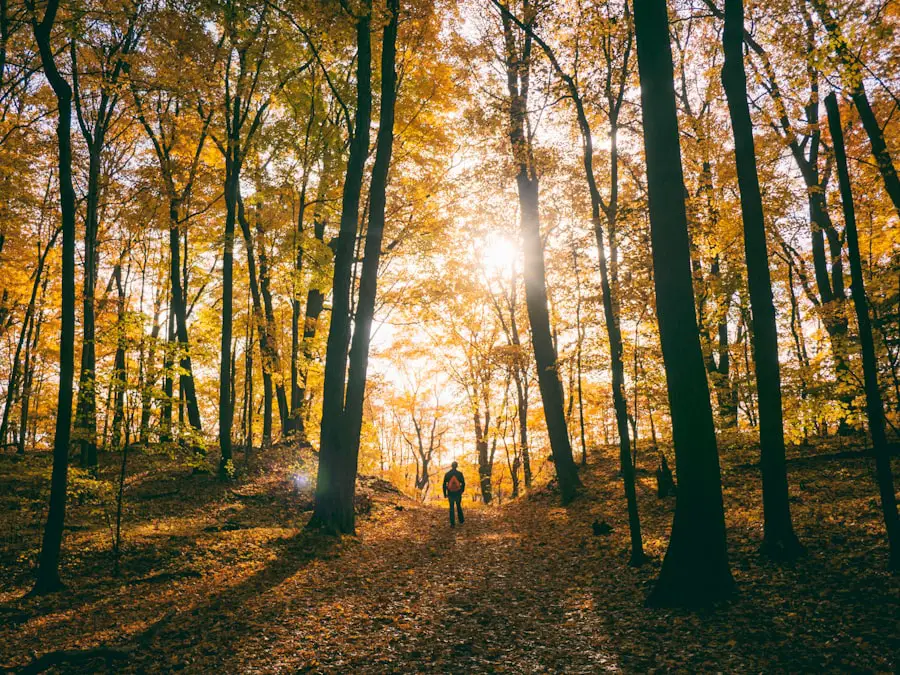
Nature-based activity and mindfulness may help some people feel calmer or less mentally overloaded. A 2026 systematic review reported positive mental-health effects from green exercise, although study methods, settings, and participant groups varied. Research on mindfulness also suggests possible benefits for stress, anxiety, and depression, but the quality and results of studies are not uniform.
The practical value of somatic hiking may come from redirecting attention. Instead of following every stressful thought, you can notice the contact of your shoes with the ground, the movement of air, nearby sounds, and the effort of climbing. This does not eliminate difficult thoughts, but it can provide another point of focus.
Somatic hiking should not be described as a treatment for anxiety, depression, trauma, or another mental-health condition. A hike can be part of a personal wellness routine, but it should not replace counseling, medication, emergency support, or another treatment recommended by a qualified professional.
Somatic hiking is best understood as a way to practice awareness during a hike, not as a guaranteed method for healing, emotional release, or nervous-system regulation.
The Physical Benefits of Somatic Hiking
The physical benefits come primarily from hiking itself. Depending on pace, terrain, duration, and personal fitness, hiking can provide aerobic activity and challenge muscles used for climbing, descending, stabilizing, and carrying a pack. Regular physical activity is associated with benefits for heart health, bone health, sleep, mood, balance, and chronic-disease risk.
| Potential Physical Benefit | How Hiking May Contribute |
|---|---|
| Cardiovascular fitness | Sustained walking, especially on inclines, can increase heart rate and breathing. |
| Muscle strength and endurance | Hills, steps, and uneven ground can challenge the legs, hips, and trunk. |
| Joint movement | Comfortable walking moves the hips, knees, and ankles through repeated ranges of motion, but it may not be suitable during an active injury. |
| Energy expenditure | Longer or more demanding hikes use energy, although calorie use varies widely. |
| Long-term health | Hiking can contribute to regular weekly physical activity associated with lower risk of several chronic conditions. |
| Balance and coordination | Changing surfaces require foot placement and postural adjustments, but difficult terrain also increases fall risk. |
Somatic attention can complement these physical demands by helping you notice whether your steps feel controlled, your breathing matches your effort, or a movement is causing discomfort. It does not guarantee improved posture, flexibility, or pain relief.
How to Practice Somatic Hiking Step by Step
- Choose a suitable route. Start with a familiar, well-marked trail that matches your fitness, mobility, experience, and available daylight.
- Check conditions. Review the weather, trail alerts, distance, elevation, surface, water availability, and turnaround time before leaving.
- Pause before walking. Stand in a secure place and notice your energy, mood, breathing, footwear, pack fit, and any pain or stiffness.
- Set a simple intention. Examples include “I will notice when I need to slow down” or “I will return to my senses when my mind wanders.”
- Begin at an easy pace. Keep your eyes on the route. Notice the pressure beneath each foot without staring at your feet continuously.
- Rotate your attention. Spend a short period noticing breathing, then movement, then sights and sounds. Keep most of your attention available for trail conditions.
- Stop for a fuller body scan. At a wide, stable stopping place, notice the feet, legs, hips, shoulders, jaw, temperature, thirst, and effort. Adjust your pace or equipment as needed.
- Finish with a brief check-in. After the hike, notice how your body and mood compare with the start. Drink water, cool down, and record any useful observations if desired.
Pro Tip: Use short awareness intervals rather than trying to monitor every sensation for the entire hike. For example, check your body for 20 seconds, then return your full attention to navigation and terrain.
Techniques for Practicing Somatic Hiking
Comfortable Breath Awareness
Notice whether your breathing is easy, strained, shallow, or unusually rapid. Let the breath remain natural rather than forcing deep inhalations. On a climb, use breathing and speaking ability as pacing clues. If you cannot recover after slowing down, stop in a safe place.
Forced or overly rapid breathing may cause lightheadedness. The purpose is awareness, not taking the largest possible breath.
Safe Body Scanning
A body scan involves moving attention through different areas of the body. While walking, keep it brief and simple, such as noticing the feet or shoulders. For a longer scan, stop away from traffic, trail edges, water, loose rock, and other hazards.
Notice sensations without immediately labeling them as good or bad. A sensation may be ordinary muscle effort, or it may be a warning that you need to adjust or stop. Sharp, increasing, or unusual pain should not be treated as something to push through.
Sensory Awareness
Move attention through the senses:
- Sight: Notice colors, shadows, trail markers, roots, rocks, and changes in weather.
- Sound: Listen for wind, water, birds, vehicles, cyclists, animals, or approaching hikers.
- Touch: Feel air temperature, clothing, pack straps, and the ground under your shoes.
- Smell: Notice plants, soil, rain, smoke, or other environmental clues.
- Taste: Notice thirst or dryness rather than tasting unknown plants, berries, or water.
Mindful Pacing
Notice whether you are speeding up from excitement, pressure, or an attempt to match someone else. Shorten your stride on steep or unstable ground. Let the slowest person set the group pace, and allow time for the return journey.
Movement Variations
You may gently roll your shoulders, relax your hands, or shift your weight while stopped. Do not walk backward, close your eyes, or side-step on an active trail. Any movement experiment should be performed only in a flat, dry, open, obstacle-free place where it does not block other users.
Finding the Right Somatic Hiking Trail
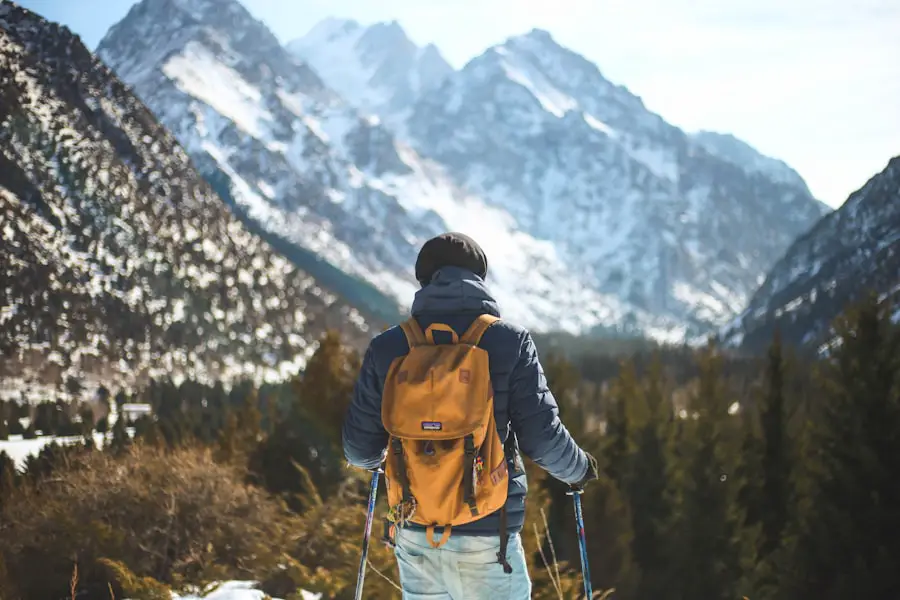
The best trail is not necessarily the most remote or beautiful. It is a route that lets you move safely without using all your attention to manage technical terrain.
Beginners should look for:
- A clearly marked route
- A manageable distance and elevation gain
- A stable surface with limited exposure or steep drop-offs
- Reliable information about closures and conditions
- A route that can be shortened if needed
- Enough daylight for the full out-and-back or loop
- Legal parking and clear access
- Rest areas or safe places to pause
Forests, waterfront paths, grasslands, and quiet park loops can all work. Complete solitude is not required. A familiar urban greenway or paved park path may be a better starting point than an isolated backcountry trail.
Accessibility and Adaptations
Somatic awareness does not require difficult terrain. The practice can be adapted to a paved path, mobility-aid-friendly trail, short neighborhood walk, garden, or seated outdoor setting. A person who cannot hike continuously may alternate short periods of movement with seated sensory observation.
People with visual, hearing, balance, or mobility limitations should choose a setting and support plan that matches their needs. This may include a companion, trekking poles, a mobility aid, a familiar route, or guidance from a rehabilitation professional.
Hiking Safety Comes First
Mindfulness does not make normal hiking precautions optional. The National Park Service advises hikers to research the route, check conditions, bring suitable supplies, manage time, and carry the Ten Essentials.
Basic Planning Checklist
- Tell someone where you are going and when you expect to return.
- Check the official weather forecast, trail alerts, closures, and fire or flood conditions.
- Carry navigation and know how to use it.
- Bring sufficient water and food, plus extra for an unexpected delay.
- Carry weather-appropriate layers, sun protection, illumination, first aid, fire-starting supplies where legal, a repair tool, and emergency shelter.
- Wear footwear suitable for the surface and conditions.
- Set a turnaround time and leave enough daylight for the return.
- Keep phones and headphones from blocking important environmental sounds.
- Follow local wildlife, water-treatment, permit, fire, and waste rules.
When to Stop
End the practice and seek appropriate help if you experience chest pain, fainting, confusion, severe or unusual shortness of breath, signs of heat illness, a serious fall, sudden weakness, or another possible emergency. Stop or turn around for worsening weather, smoke, flooding, darkness, unstable footing, navigation uncertainty, or pain that changes your gait.
If focusing on internal sensations increases panic, dissociation, traumatic memories, or emotional distress, shift attention to visible surroundings and immediate safety. Leave the trail if needed and contact a qualified mental-health professional for continuing concerns.
Tips for Getting Started with Somatic Hiking
Start with short sessions instead of turning the first outing into a major endurance challenge. A 20- to 30-minute walk on an easy route is enough to practice the basic skills. You can gradually increase time or terrain difficulty as your fitness and confidence improve.
Comfortable footwear is important, but no specialized “somatic” equipment is required. Bring the same clothing, water, navigation, food, and emergency items that the route normally demands.
A small notebook or phone note can help you record observations after the hike. Useful questions include:
- When did my breathing or pace change?
- What helped me feel steady and attentive?
- Did any equipment cause pressure or rubbing?
- Did I ignore thirst, fatigue, pain, weather, or time?
- What should I change on the next hike?
Practice as often as it fits safely into your routine. One mindful walk per week may be useful, while others may prefer brief awareness exercises during regular hikes. Consistency matters more than completing a fixed number of sessions.
Incorporating Mindfulness into Somatic Hiking
Begin with a practical intention rather than expecting a special emotional state. “I will check my pace at each trail marker” is often more useful than “I must feel calm.”
During the hike, notice each step for a few moments. Feel the ground supporting your foot, the transfer of weight, and the movement of your legs. Then widen attention to include the route, weather, sounds, other trail users, and changing conditions.
Your mind will wander. That is normal. Gently return to a visible landmark, the sensation of walking, or a nearby sound. You do not need to criticize yourself or start the practice again.
Mindfulness should remain flexible. On an easy, open section, you may have room for more inward attention. On a technical descent, road crossing, wildlife encounter, or exposed ridge, give the environment your full attention.
Somatic Hiking for Stress Relief
A hike can provide temporary distance from work, screens, noise, and daily demands. Physical movement may also reduce feelings of anxiety in the short term, and some research suggests that nature-based activity can support mood and well-being.
Somatic techniques may add a simple structure to that experience. You can notice clenched hands, raised shoulders, a hurried pace, or held breath and make a comfortable adjustment. This is different from claiming that stress is physically stored and then released from a particular body part.
Do not judge the hike by whether you feel completely calm afterward. Fatigue, frustration, sadness, or continued stress do not mean you practiced incorrectly. Weather, sleep, health, trail difficulty, and current life events can all influence the experience.
Connecting with Nature through Somatic Hiking
Somatic hiking encourages active observation rather than treating nature as a background image. Noticing temperature, bird calls, plant textures, water movement, and seasonal change can make a familiar trail feel more detailed.
This attention may also increase awareness of how easily natural areas can be damaged. Stay on designated routes where required, avoid disturbing wildlife, respect closures, carry out waste, and follow local rules for plants, fires, pets, food, and water.
A connection with nature does not require touching every object or walking barefoot. Unknown plants, insects, contaminated water, sharp surfaces, and wildlife can create hazards. Observe without interfering when contact is unsafe or prohibited.
Somatic Hiking as a Form of Self-Care
Somatic hiking can be one part of a broader self-care routine that includes sleep, food, hydration, supportive relationships, healthcare, and rest. It offers a reason to slow down and check whether your current effort matches your physical and emotional capacity.
Listening to your body may mean taking a break, shortening the route, choosing a paved path, turning around, or deciding not to hike that day. These choices are not failures. They are practical responses to the information available.
The practice can also make hiking less performance-driven. Distance, elevation, and speed are optional goals. A short, attentive walk may be more useful than a long outing completed while exhausted, distracted, or in pain.
Common Problems and Troubleshooting
| Problem | What to Do |
|---|---|
| I keep getting distracted. | Choose one simple anchor, such as the next ten steps or three nearby sounds. Wandering attention is normal. |
| I feel unsteady while focusing inward. | Stop the exercise, look at the trail, slow down, and use a stable stopping place for future body scans. |
| I notice pain. | Reduce effort and check footwear, pack fit, and terrain. Stop for sharp, increasing, unusual, or gait-changing pain. |
| The trail is crowded. | Keep moving predictably, do not block the path, and save longer pauses for a designated rest area. |
| The practice increases anxiety. | Shift attention to visible objects and sounds, walk with a trusted companion, or end the session. Seek professional support if distress continues. |
| I cannot find a quiet natural trail. | Use a park loop, greenway, garden, paved path, or calm neighborhood route. Safety and accessibility matter more than remoteness. |
| The weather or route changes. | Follow your turnaround plan, use an alternate route only if it is known and safe, or end the hike. |
Sources
- National Center for Complementary and Integrative Health: Meditation and Mindfulness — supports the discussion of possible benefits, evidence limitations, safety, and conventional care.
- Centers for Disease Control and Prevention: Health Benefits of Physical Activity for Adults — supports the general physical and mental benefits of regular activity.
- National Park Service: Hike Smart — supports route planning, water, food, pacing, equipment, and turnaround guidance.
- National Park Service: Ten Essentials — supports the recommended emergency and safety equipment.
- Effects of Green Exercise on Mental Health: A Systematic Review and Meta-Analysis — supports the qualified discussion of green exercise and mental well-being.
- Nature-Based Outdoor Activities for Mental and Physical Health: Systematic Review and Meta-Analysis — supports the broader discussion of structured outdoor activity and mental-health outcomes.
Frequently Asked Questions
What is somatic hiking?
Somatic hiking is an informal practice that combines hiking with attention to physical sensations, breathing, movement, effort, balance, and sensory information from the environment. It is a mindful way to hike rather than a standardized medical or psychological treatment.
What are the possible benefits of somatic hiking?
It may help you notice tension, fatigue, breathing, pacing, and environmental details while receiving the general benefits of physical activity and time outdoors. Research does not establish somatic hiking itself as a treatment or guarantee stress, pain, anxiety, or mood improvements.
How is somatic hiking different from regular hiking?
Regular hiking may focus on fitness, distance, scenery, or reaching a destination. Somatic hiking adds planned moments of body awareness and sensory observation. Both still require the same route planning, equipment, navigation, and safety precautions.
What are some safe somatic hiking techniques?
Safe techniques include noticing comfortable breathing, observing pressure beneath the feet, relaxing unnecessary shoulder or hand tension, rotating attention through the senses, checking effort, and performing a fuller body scan only after stopping in a stable place.
Who can benefit from somatic hiking?
It may appeal to hikers who want a slower, less performance-focused experience or who want to practice body and sensory awareness. The route and practice should be adapted to the person’s fitness, health, mobility, experience, and current conditions.
Is somatic hiking a form of therapy?
No. A personal somatic hiking practice is not the same as somatic psychotherapy or another treatment delivered by a qualified clinician. It may be used as a wellness activity, but it should not replace professional care.
How long should a beginner somatic hike last?
A beginner can start with 20 to 30 minutes on an easy, familiar route. The session may be shorter when weather, fitness, pain, daylight, or trail conditions require it. Duration can increase gradually as long as safety and recovery remain acceptable.
Can somatic hiking be practiced on a paved or urban path?
Yes. A paved park path, accessible greenway, garden, or quiet neighborhood route can support body and sensory awareness. Remote wilderness and difficult terrain are not required.

