
Last Updated on July 25, 2026 by Daniel Globe
Scandinavian Airlines, usually called SAS, connects Denmark, Norway, and Sweden with destinations across Scandinavia, Europe, North America, and Asia. The airline has changed significantly in recent years, including a move from Star Alliance to SkyTeam, updated travel-class names, a more Airbus-focused fleet, and a larger role for Copenhagen as its international gateway. This guide explains what travelers can currently expect from SAS.
Quick Answer
SAS is a full-service Scandinavian network airline and a SkyTeam member. It operates short- and long-haul flights through Copenhagen, Stockholm, and Oslo, with Economy, Premium, and Business options depending on the route. Its strongest advantages are Scandinavian connectivity, EuroBonus benefits, and convenient SkyTeam connections.
Key Takeaways
- SAS was founded in 1946 and celebrates its 80th anniversary in 2026.
- The airline left Star Alliance in 2024 and officially joined SkyTeam on September 1, 2024.
- Its mainline fleet is centered on Airbus aircraft, while regional services may use Embraer, Bombardier, ATR, or partner-operated aircraft.
- Current cabin names are Economy, Premium, and Business, but availability and benefits vary by route and ticket type.
- Travelers should confirm the operating carrier, baggage allowance, aircraft, and current schedule before booking.
Disclosure: As an Amazon Associate I earn from qualifying purchases. Some links on this page are affiliate links, at no extra cost to you.
History and Background of SAS Airlines
SAS was formed on August 1, 1946, by the international operations of airlines from Denmark, Norway, and Sweden. Its first intercontinental flight departed Stockholm for New York on September 17, 1946, using a Douglas DC-4 named Dan Viking. The trip included stops in Copenhagen, Prestwick, and Gander.
The airline later became known for several aviation milestones. In 1954, SAS opened the scheduled Copenhagen–Los Angeles polar route, shortening travel between Scandinavia and the U.S. West Coast. SAS entered the jet age in 1959 with the Sud Aviation Caravelle. The Douglas DC-8 joined its operations later; it was not introduced in 1954.
SAS helped found Star Alliance in 1997. That relationship ended on August 31, 2024, and SAS joined SkyTeam on September 1, 2024. EuroBonus members now receive alliance benefits through participating SkyTeam airlines rather than Star Alliance.
The company also completed major restructuring proceedings in August 2024. Since then, it has focused on improving reliability, expanding Copenhagen connections, updating its onboard product, and renewing its fleet.
Fleet and Destinations
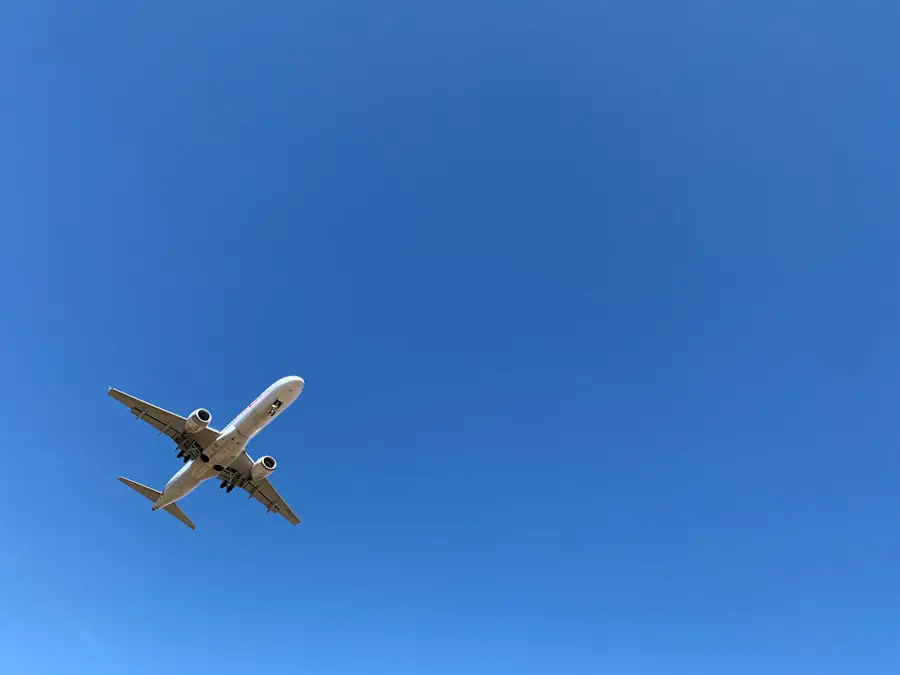
SAS uses a mixed fleet designed for regional, European, and intercontinental flying. According to the airline’s fiscal-year 2025 report, the fleet in SAS Group traffic was led by the Airbus A320 family, supported by Airbus A330 and A350 wide-body aircraft. Regional operations also included Embraer E195, Bombardier CRJ, and wet-leased ATR aircraft. A very small number of Boeing 737 aircraft remained listed, including aircraft being phased out.
For long-haul flying, the important aircraft are the Airbus A330-300, Airbus A350-900, and Airbus A321LR. The Boeing 787 Dreamliner is not listed as part of the SAS fleet. Aircraft assignments can change, so the SAS app or booking page is the best place to confirm the aircraft planned for a specific flight.
Main Hubs and Network
SAS has major operations at Copenhagen Airport, Stockholm Arlanda Airport, and Oslo Airport. Copenhagen is the airline’s primary international gateway and has received much of its recent long-haul and connecting growth. Stockholm and Oslo remain important for domestic, Scandinavian, and European service.
The airline serves more than 100 destinations across its network, but the exact list changes by season. Current and announced schedules include extensive European service plus selected routes to North America and Asia. Some leisure and regional destinations operate only during summer or winter.
Note: A destination shown on the SAS website may be seasonal, partner-operated, or available only from a particular hub. Check the travel dates, operating carrier, and connection details before relying on a route list.
Onboard Experience and Services
| Travel Class | Typical Experience | Important Limits |
|---|---|---|
| Economy | Complimentary coffee, tea, and water. Meals are included on flights to and from Asia and North America. Food can usually be purchased or pre-ordered on European flights. | Seat selection, carry-on baggage, checked baggage, and flexibility depend on the ticket type. |
| Premium | Added comfort, priority services, meals, and extra baggage benefits. Long-haul Premium has wider seats and more legroom than Economy. | The seat and lounge benefits differ between domestic, European, and long-haul routes. |
| Business | Priority airport services, lounge access where available, upgraded meals, and an empty middle seat on many European flights. Long-haul Business offers a fully flat bed. | Business is not offered on domestic routes within Scandinavia, and specific benefits can vary by airport and aircraft. |
SAS renamed its travel classes for departures from October 1, 2025. The former SAS Go, SAS Plus, and SAS Business names became Economy, Premium, and Business. The airline also reintroduced a dedicated European Business product, which is different from long-haul Business because European aircraft do not have lie-flat seats.
Food and Drinks
Food service depends on the route and cabin. Economy passengers on European flights receive complimentary coffee, tea, and water, while snacks and meals may cost extra. Long-haul Economy includes meals. Premium and Business offer more complete meal service, but the menu, serving format, and included drinks can change by route.
Entertainment, Power, and Wi-Fi
Long-haul aircraft generally provide seatback entertainment and power access. Short-haul aircraft may not have seatback screens, so passengers may prefer to download entertainment before departure.
SAS is rolling out Starlink-powered high-speed Wi-Fi, with free access for EuroBonus members on equipped aircraft. Until the installation is complete, standard Wi-Fi availability and pricing vary by aircraft, travel class, and EuroBonus level. The SAS app can show the expected Wi-Fi type on the day of travel.
Baggage, Check-In, and Airport Services
SAS baggage rules are tied to the ticket type, route, and EuroBonus status. An underseat bag can measure up to 40 × 30 × 15 cm. When a regular carry-on is included, its maximum size is 55 × 40 × 23 cm and its maximum weight is 8 kg. Economy Light may not include a full-size carry-on on some European trips, while Standard, Flex, Premium, and Business tickets include more.
Checked-bag allowances also vary. Economy Standard commonly includes one bag up to 23 kg, while Premium commonly includes two 23 kg bags and Business commonly includes two 32 kg bags. These are general patterns, not a substitute for the allowance shown in the booking.
Online check-in for most SAS-operated flights opens 30 hours before departure and normally remains available until one hour before departure. Airport check-in, bag-drop, and boarding deadlines differ by destination. Partner-operated flights may require check-in through the operating airline.
Pro Tip: Open the booking in the SAS app before travel and confirm four items: the operating carrier, included baggage, aircraft type, and check-in deadline. These details matter more than the marketing name of the fare.
Sustainability and Corporate Responsibility
SAS presents fleet renewal, operational efficiency, sustainable aviation fuel, waste reduction, and industry partnerships as central parts of its environmental strategy. Its public goals include net-zero carbon emissions before 2050 and several 2030 targets related to sustainable aviation fuel, noise, customer-facing materials, and recycling.
The original 25% emissions-reduction target had a 2025 deadline and should not be presented as a future goal in a current article. Readers who want to judge progress should review the latest annual and sustainability report rather than relying on an older target statement.
Sustainable aviation fuel can reduce greenhouse-gas emissions on a lifecycle basis, but it does not make a flight emissions-free. The result depends on the fuel pathway, feedstock, production process, and accounting method. Fleet upgrades can also reduce fuel use per seat, although total environmental impact still depends on how much the airline flies.
Note: Sustainability rankings and airline statements measure different things. A consumer-perception award is not the same as independently verified emissions performance.
Loyalty Programs and Partnerships

EuroBonus is the SAS loyalty program. Members can earn and use points on SAS flights and through eligible airline, hotel, rental-car, payment-card, shopping, and travel partners. SAS reported more than 9 million EuroBonus members in July 2026. Award availability, taxes, fees, and partner rules vary, so the best redemption depends on the route and date.
EuroBonus has four membership levels: Member, Silver, Gold, and Diamond. Higher tiers can add benefits such as priority services, extra baggage, lounge access, Wi-Fi, and higher point earnings. Benefits are subject to the ticket, airport, operating airline, and published program rules.
Through SkyTeam, EuroBonus Silver corresponds to SkyTeam Elite, while Gold and Diamond receive SkyTeam Elite Plus recognition. Eligible members can receive alliance benefits such as priority handling and lounge access on participating itineraries. SAS also maintains selected partnerships outside the alliance, so travelers should check the current partner chart before assuming that points or status benefits apply.
Awards and Recognitions
Awards should be described with a date and method because results change from year to year. Cirium’s full-year 2025 on-time performance review placed SAS third among global airlines, with 86.09% of measured arrivals on time. Cirium also recognized SAS as second in Europe for the full year. In April 2026, SAS ranked first in both Cirium’s global and European monthly lists with an 89.53% on-time arrival rate.
Cirium recorded SAS at 86.09% on-time arrivals for the full 2025 calendar year, ranking it third globally. Monthly results can be higher or lower and should not be treated as a permanent rating.
SAS was also named “European Airline of the Year 2026” at Norway’s Grand Travel Awards, a travel-industry award based on votes from travel trade professionals. Skytrax’s 2025 regional ranking placed SAS second among airlines in Northern Europe. These recognitions are useful context, but passengers should still compare the exact route, aircraft, fare rules, and schedule that they plan to book.
Future Plans and Innovations
SAS is expanding Copenhagen’s role as its primary global hub while adding routes and frequencies across Europe, North America, and Asia. Its summer 2026 program included new service such as Copenhagen–Mumbai and additional European routes. Future schedules remain subject to demand, aircraft availability, regulation, and geopolitical conditions.
Fleet renewal is another major focus. On June 30, 2026, SAS announced an investment covering up to 40 Airbus wide-body aircraft, combining new Airbus A330-900neo aircraft with additional A330-300 capacity for nearer-term growth. These aircraft are part of a future long-haul plan, not the current fleet snapshot described above.
In July 2025, SAS agreed to acquire 45 Embraer E195-E2 aircraft, with purchase rights for 10 more. Deliveries are scheduled to begin in late 2027, so these aircraft should also be described as future fleet additions rather than part of today’s normal passenger experience.
The airline is also expanding high-speed onboard internet. Starlink service began rolling out in 2026, initially across parts of the Airbus A320 family, with broader fleet installation planned over time. Claims about artificial intelligence, electric passenger aircraft, or other experimental technology should be included only when SAS publishes a specific project, timeline, and operational use.
Who Is SAS Best For?
| SAS May Be a Strong Choice For | Compare Carefully If |
|---|---|
| Travelers flying to, from, or within Scandinavia | You need the lowest fare and plan to bring several bags |
| EuroBonus members and travelers connecting through SkyTeam | Your itinerary includes partner-operated regional flights |
| Passengers who value a full-service long-haul option | A specific seat, aircraft, lounge, or Wi-Fi feature is essential |
| Travelers who benefit from Copenhagen connections | A nonstop competitor offers a more convenient schedule |
Practical Tips Before Booking SAS
- Check who operates every segment. A flight sold with an SK number may be operated by SAS, another SAS Group carrier, or a partner.
- Compare the complete fare. Add seat selection, baggage, meals, lounge access, and change fees before deciding which ticket is cheaper.
- Review the aircraft. The onboard experience differs greatly between a regional aircraft, an A320-family jet, an A321LR, an A330, and an A350.
- Confirm connection time. Copenhagen is the main international hub, but the shortest connection is not always the safest choice during winter or peak travel periods.
- Recheck the trip before departure. Schedule, gate, aircraft, and operating-carrier changes can affect baggage, seats, and check-in.
Travel Comfort Tip: For a long SAS flight, odor-resistant Merino wool travel socks can help keep your feet comfortable and fresh. For more practical present ideas, see these travel gifts for her.
Sources
- SAS History Milestones — formation, first flight, polar route, jet-age milestone, and alliance history.
- SAS Officially Joins SkyTeam — alliance date and EuroBonus status recognition.
- SAS Annual and Sustainability Report FY2025 — fleet composition and current company reporting.
- SAS Travel Classes — current Economy, Premium, and Business services.
- EuroBonus Membership Levels — Member, Silver, Gold, Diamond, and published benefits.
- EASA: How Sustainable Are SAF? — lifecycle-emissions context for sustainable aviation fuel.
Frequently Asked Questions
What is SAS Airlines?
SAS is Scandinavian Airlines, a network airline associated with Denmark, Norway, and Sweden. It operates domestic, regional, European, and intercontinental flights under the IATA code SK.
When was SAS founded?
SAS was formed on August 1, 1946. Its first intercontinental flight departed Stockholm for New York on September 17, 1946.
Is SAS in Star Alliance or SkyTeam?
SAS is a SkyTeam member. It left Star Alliance after August 31, 2024, and officially joined SkyTeam on September 1, 2024.
Where does SAS fly?
SAS operates a broad Scandinavian and European network plus selected routes to North America and Asia. Copenhagen is its main international gateway, while Stockholm and Oslo remain major hubs. Routes and frequencies change seasonally.
What aircraft does SAS use?
The fleet is centered on the Airbus A320 family for short- and medium-haul flying, with Airbus A330, A350, and A321LR aircraft for intercontinental service. Regional flights may use Embraer E195, Bombardier CRJ, ATR, or partner-operated aircraft.
What travel classes does SAS offer?
SAS uses the names Economy, Premium, and Business. The available classes, seats, meals, lounge access, baggage, and flexibility depend on the route and ticket type.
Does SAS include carry-on and checked baggage?
It depends on the fare. Economy Light can have limited baggage, while Standard, Flex, Premium, and Business tickets normally include more. Always use the allowance shown in the booking confirmation.
Does SAS have Wi-Fi?
Many SAS aircraft offer Wi-Fi. Starlink high-speed service is being installed across the fleet and is free for EuroBonus members on equipped aircraft. Standard Wi-Fi access and pricing vary by aircraft, cabin, and membership level.
What are the EuroBonus membership levels?
The four levels are Member, Silver, Gold, and Diamond. Silver maps to SkyTeam Elite, while Gold and Diamond receive SkyTeam Elite Plus recognition on eligible trips.
Is SAS a good airline?
SAS can be a strong choice for Scandinavian travel, Copenhagen connections, SkyTeam itineraries, and travelers who value EuroBonus. The best choice still depends on the fare, schedule, aircraft, operating carrier, and baggage needs for a specific trip.
How sustainable is SAS?
SAS is investing in newer aircraft, operational efficiency, and sustainable aviation fuel, but flying still creates climate impacts. Sustainability claims are best judged through current, independently checked emissions data and lifecycle accounting rather than broad labels.
