
Last Updated on July 31, 2026 by Daniel Globe
A boutique hotel is designed to feel distinctive rather than standardized. It usually combines a strong design concept, a smaller or more intimate atmosphere, personalized service, and a close connection to its neighborhood or destination. Some are independent, while others belong to a collection or larger hotel company.
The word boutique is not a regulated hotel category, so the label alone does not guarantee luxury, a certain room count, or a specific level of service. The best way to judge a property is to look at its design, guest experience, location, amenities, policies, and recent reviews.
Quick Answer
A boutique hotel is a design-focused hotel with a distinct personality, an intimate feel, and service shaped around the individual property. It may be small, but there is no universal room limit. Boutique hotels often highlight local art, food, architecture, and neighborhood experiences instead of using the same look and service model everywhere.
Key Takeaways
- Boutique hotels are defined more by a unique concept, design, and guest experience than by a fixed room count.
- Many offer personalized service, locally influenced decor, distinctive food and drink, and a strong sense of place.
- A boutique hotel can be independent, part of a small group, or affiliated with a major hotel company.
- Amenities vary widely, so travelers should confirm room size, accessibility, parking, breakfast, fitness facilities, and extra fees before booking.
- The best choice depends on whether you value character and neighborhood connection more than brand consistency and a long list of facilities.
Disclosure: As an Amazon Associate I earn from qualifying purchases. Some links on this page are affiliate links, at no extra cost to you.
What Is a Boutique Hotel?
A boutique hotel is a lodging property built around an individual identity. Its architecture, interior design, service style, food, music, art, and public spaces often support one clear story or theme. That identity may come from a historic building, a local neighborhood, a design movement, or the vision of the owner and creative team.
Many boutique hotels have fewer rooms than large convention or resort hotels, which can make the stay feel quieter and more personal. However, “fewer than 100 rooms” is a common guideline, not a universal definition. Academic and industry discussions have long noted that there is no single agreed standard for the term. Some widely recognized boutique and lifestyle hotels have well over 100 rooms.
Note: Boutique does not automatically mean independent, five-star, adults-only, historic, or expensive. Check the property details rather than relying on the label.
A boutique hotel is best understood as a distinct experience, not a legally fixed room-count category.
The History and Evolution of Boutique Hotels
The modern boutique hotel movement took shape in the 1980s as travelers and hotel creators looked for alternatives to standardized chain properties. Ian Schrager and Steve Rubell, who had previously created Studio 54, opened Morgans Hotel in New York City in 1984. Ian Schrager Company describes Morgans as introducing the boutique hotel concept to the world.
Morgans used bold design, a social atmosphere, and a strong point of view to challenge the conventional hotel model. Similar properties later appeared in major cities, resort areas, historic districts, and rural destinations. By the early 2000s, boutique hospitality had become a recognized segment rather than a small urban trend.
The category has continued to expand. Some boutique hotels remain owner-operated, while others belong to small groups, soft-brand collections, or major hospitality companies. This growth has blurred the line between boutique and lifestyle hotels, but the central idea remains the same: the property should feel specific to its concept and location rather than interchangeable with another hotel.
The Unique Design and Decor of Boutique Hotels
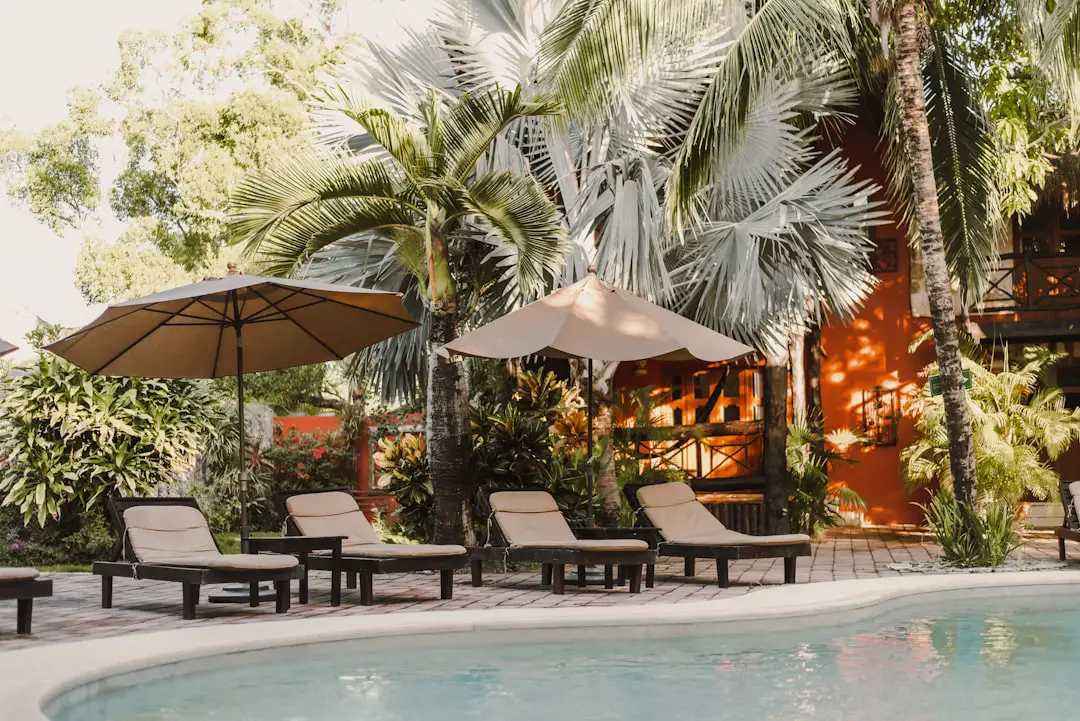
One of the clearest features of a boutique hotel is its commitment to distinctive design. A Paris property may combine traditional French architecture with contemporary art, while a hotel in Mexico may use local colors, textiles, tilework, and craftsmanship. A converted warehouse, townhouse, monastery, bank, or theater can become part of the guest experience rather than just a shell for standardized rooms.
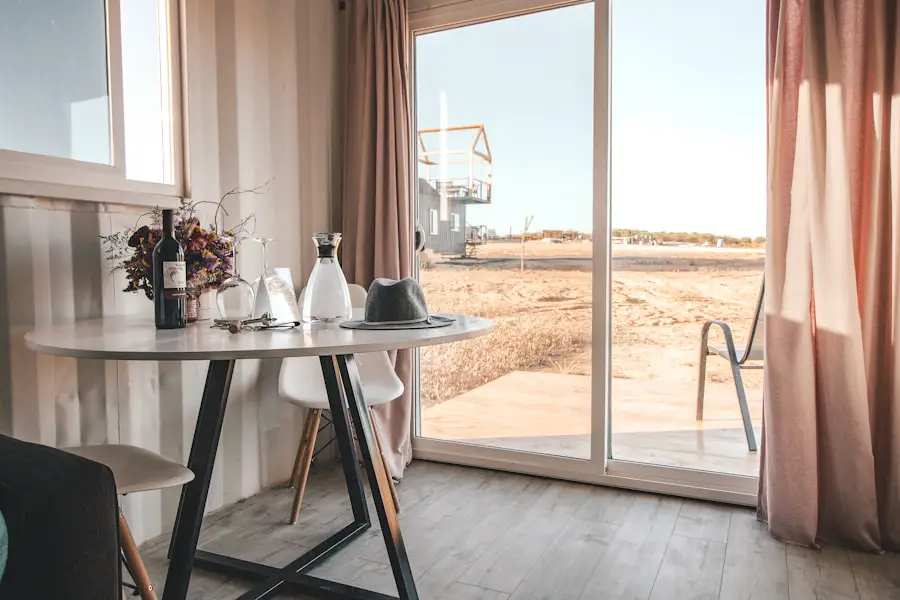
Decor often includes original artwork, custom furniture, unusual lighting, curated books, locally made products, or preserved architectural details. The strongest properties use these elements to create a coherent story instead of filling a space with random decorative objects.
Some boutique groups also collaborate with regional artists and artisans. Ace Hotel Kyoto, for example, describes an East-meets-West design concept and displays work by local and West Coast artists. The point is not simply to look fashionable; it is to make the hotel feel connected to its setting.
The Personalized Service and Attention to Detail
Boutique Hotel at a Glance
| Typical Atmosphere | Intimate, design-led, and tied to a specific concept or neighborhood |
| Room Count | Often smaller than a major full-service hotel, but there is no universal maximum |
| Service Style | More individualized when staffing and operations support it |
| Common Strengths | Distinctive design, local character, memorable public spaces, food, and staff recommendations |
| Possible Trade-Offs | Smaller rooms, fewer facilities, less consistency, nightlife noise, or limited loyalty benefits |
Personalized service is a hallmark of many boutique hotels, but it should be described realistically. Staff may learn a guest’s preferences, recommend neighborhood restaurants, arrange a special occasion, or adjust a stay when a problem occurs. Smaller teams can sometimes respond more flexibly than a large operation with rigid procedures.
That does not mean every employee will know every guest by name or that every request can be granted. Service quality depends on staffing, training, management, occupancy, and the hotel’s price level. Recent guest reviews are often more useful than marketing language when judging whether the service is genuinely attentive.
Pro Tip: Before arrival, send the hotel one or two specific requests, such as a quiet room away from the elevator or help planning a special dinner. A clear request is easier to fulfill than a vague request for “the best room.”
When a problem occurs, a well-run boutique hotel may offer a room change, maintenance response, amenity, or other practical solution. The important measure is not whether issues never happen, but whether the staff communicates clearly and resolves them fairly.
The Culinary Experience at Boutique Hotels
Food and drink can be a major part of the boutique hotel identity. Some properties operate destination restaurants, cocktail bars, rooftop venues, bakeries, or intimate breakfast rooms. Menus may emphasize regional ingredients and seasonal dishes, while the dining space continues the hotel’s design story.
The Farmhouse Inn in Sonoma County is a current example. Its restaurant describes an ingredient-led approach connected to Sonoma, local farms, trusted producers, and the property’s culinary gardens. This kind of dining program can help a hotel express its location through flavor as well as design.
However, an on-site restaurant is not guaranteed. Smaller properties may serve only breakfast, partner with nearby businesses, or have limited operating days. Travelers should check current dining hours and reservation requirements before assuming every meal will be available at the hotel.
The Local and Authentic Experience of Boutique Hotels
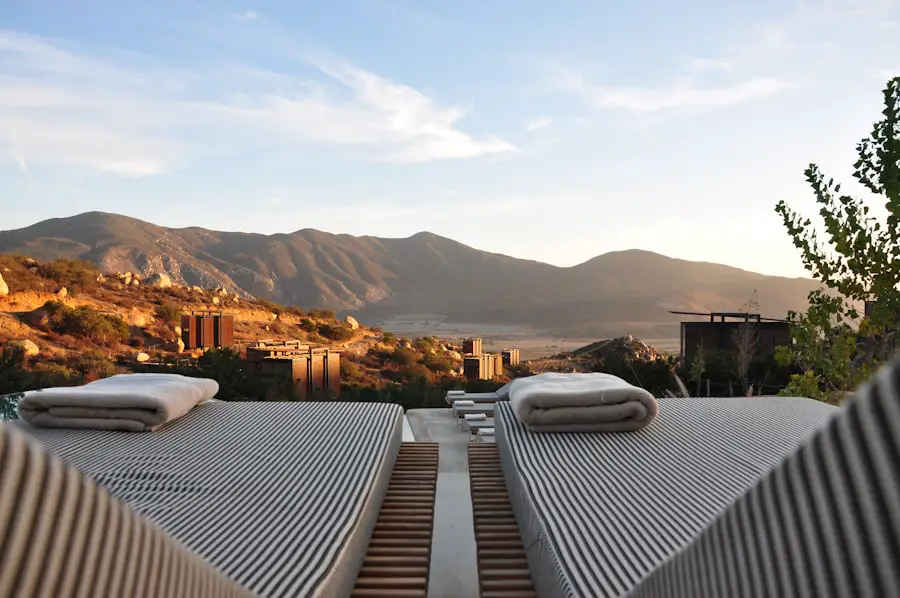
Boutique hotels often try to connect guests with the surrounding area. They may occupy a historic building, sit in a residential or creative district, display local art, sell products from nearby makers, or recommend independent restaurants and shops. Some organize tours, workshops, performances, tastings, or other experiences with local partners.
The strongest programs go beyond using the word “local” in marketing. They explain who created the artwork, where ingredients come from, how the building was restored, or which community organizations they support. This gives guests a clearer sense of place and directs more attention toward the destination itself.
The original NoMad Hotel helped make neighborhood-driven hospitality popular in New York, but that property is no longer operating under its former identity. Today, travelers looking in the same area will find properties such as The Ritz-Carlton New York, NoMad, which uses bespoke furnishings, artwork, restaurants, and neighborhood experiences to create a location-specific stay.
The Intimate and Exclusive Atmosphere of Boutique Hotels
A smaller footprint can create a quieter and more intimate atmosphere. Guests may pass through the same lobby, lounge, courtyard, bar, or rooftop each day, making the hotel feel more residential than institutional. Fewer rooms can also reduce long elevator waits, crowded breakfast rooms, and the sense of anonymity common in very large hotels.
Many boutique hotels use public spaces as social hubs. The Hoxton, Holborn, for example, promotes a bright open lobby, all-day food and drink, and neighborhood programming. These spaces can help guests work, relax, or meet other travelers.
Intimate does not always mean quiet. A boutique hotel with a popular bar, nightclub, rooftop, or street-facing restaurant may stay lively late into the evening. Read reviews that mention noise, ask about the room’s location, and check whether the property hosts events during your stay.
Boutique Hotel vs. Chain, Independent, and Lifestyle Hotel
These terms overlap, but they do not mean the same thing:
- Boutique hotel: A property defined by a distinct concept, design, atmosphere, and guest experience. It may be independent or affiliated with a larger company.
- Independent hotel: A hotel that is not operated under a major brand. It may be boutique, traditional, budget, luxury, or resort-style.
- Chain hotel: A property that uses a shared brand, reservation system, operating standards, and often a loyalty program. Some chain-owned or franchised hotels are designed to feel boutique.
- Lifestyle hotel: A design-conscious hotel aimed at a particular way of living or social identity. Lifestyle hotels often have active public spaces and may be larger or more standardized than classic boutique properties.
- Bed-and-breakfast or inn: Usually a smaller lodging business with a residential feel and breakfast included. It may have boutique design, but the operating model is different.
Benefits and Drawbacks of Staying at a Boutique Hotel
Common Benefits
- Distinctive rooms and public spaces that feel memorable rather than interchangeable
- More direct interaction with staff and stronger neighborhood recommendations
- Historic architecture, local artwork, and regional food or drink
- Smaller scale and fewer crowded common areas at many properties
- A stay that can feel like part of the trip rather than only a place to sleep
Possible Drawbacks
- Room layouts and sizes may vary, especially in converted historic buildings
- Facilities such as pools, spas, gyms, business centers, or 24-hour dining may be limited
- Service and maintenance standards can be less predictable than at a tightly standardized brand
- Popular bars and central neighborhoods may create noise
- Rates may be high because guests are paying for design, location, and exclusivity
- Some properties offer fewer loyalty points, elite benefits, or upgrade options
How to Choose and Book the Right Boutique Hotel
- Start with location. Decide whether you want nightlife, walkability, beaches, historic streets, business districts, or a quiet residential area.
- Study the room category. Boutique rooms can differ in size, view, floor plan, bathroom type, and noise exposure. Do not assume every room resembles the featured photos.
- Check the full amenity list. Confirm air conditioning, elevator access, parking, Wi-Fi, breakfast, fitness facilities, pool access, workspace, and front-desk hours.
- Read recent reviews by traveler type. A hotel loved by couples seeking nightlife may not suit a family with young children or a light sleeper.
- Compare the total price. Include mandatory fees, parking, breakfast, taxes, and cancellation terms rather than comparing only the first nightly rate shown.
- Review accessibility details. Ask about entrances, elevators, door widths, bathroom setup, roll-in showers, visual alarms, and routes to public spaces when those features matter.
- Contact the property directly for special needs. Confirm bed type, adjoining rooms, late arrival, pet rules, dietary needs, or celebration arrangements in writing.
- Choose the booking channel carefully. Direct booking may offer easier communication or property-specific perks, while a third-party site may provide a lower rate or broader comparison tools. Read both sets of terms.
Note: In the United States, the Federal Trade Commission’s Rule on Unfair or Deceptive Fees took effect on May 12, 2025. Sellers of short-term lodging must disclose the total price, including most mandatory fees, more prominently than other pricing information. Optional charges and taxes may still appear separately, so review the final breakdown.
Pro Tip: Save screenshots or emails showing the room type, included benefits, cancellation deadline, and total price. This gives you a clear record if the reservation details change.
Are Boutique Hotels Good for Families, Business Trips, and Accessible Travel?
Boutique hotels can suit many types of travelers, but the fit depends on the individual property.
Families
Families should check room occupancy limits, crib or rollaway availability, connecting rooms, elevator access, breakfast options, and noise. A small room in a nightlife district may be less practical than a larger suite in a quieter neighborhood.
Business Travelers
Business travelers may appreciate central locations, fast Wi-Fi, comfortable lounges, and personal service. They should also confirm desk space, early breakfast, receipt handling, meeting rooms, and late-arrival procedures.
Travelers With Disabilities
Do not rely only on the word “accessible.” The U.S. Department of Justice’s ADA guidance explains that lodging reservation systems should describe accessible features in enough detail for travelers to judge whether a room meets their needs. Ask the hotel to confirm the exact room and features, particularly in older or converted buildings.
The Future of Boutique Hotels: Trends and Innovations
Boutique hotels continue to change with traveler expectations. Sustainability is becoming more structured, with properties focusing on energy and water use, waste, purchasing, cultural heritage, and benefits to local communities. The Global Sustainable Tourism Council Hotel Standard provides a recognized framework for evaluating these practices.
Travelers should still look for specific evidence rather than broad claims such as “eco-friendly.” Useful details include third-party certification, published reduction targets, refillable amenities, responsible sourcing, staff training, and transparent reporting.
Technology is also becoming more common. Mobile check-in, digital keys, messaging, smart-room controls, and self-service tools can improve convenience. The best boutique hotels use these tools without removing the human service that makes the category appealing. Guests should still be able to reach a knowledgeable person when they need help.
Another important trend is the growth of boutique-style collections backed by large hotel companies. These properties can combine individual design with wider distribution and loyalty benefits. The trade-off is that the word “boutique” now covers a wider range of sizes and ownership models than it did in the 1980s.
If you are planning a design-focused stay and want practical gear for photographing the property and destination, see our guide to the best travel camera backpacks.
Frequently Asked Questions
What is a boutique hotel?
A boutique hotel is a lodging property with a distinct design, atmosphere, and service concept. It often feels more intimate than a large conventional hotel and may highlight local art, architecture, food, and neighborhood experiences.
How many rooms does a boutique hotel have?
There is no universal room limit. Many boutique hotels are small and have fewer than 100 rooms, but some recognized boutique or lifestyle properties are much larger. Concept, design, and guest experience matter more than a fixed number.
What sets a boutique hotel apart from a regular hotel?
Boutique hotels usually place more emphasis on an individual identity, design story, intimate atmosphere, and local connection. A regular hotel may focus more on consistent brand standards, broad facilities, and predictable room layouts.
Are boutique hotels always luxury hotels?
No. Boutique hotels can be luxury, upscale, midrange, or relatively simple. The term describes the property’s concept and character, not an official star rating or price level.
What amenities do boutique hotels offer?
Amenities vary. Common features include premium bedding, distinctive toiletries, an on-site restaurant or bar, curated art, local products, Wi-Fi, and personalized recommendations. Pools, spas, gyms, parking, elevators, and 24-hour service are not guaranteed.
Are boutique hotels only found in cities?
No. They are common in urban neighborhoods, but they also operate in beach destinations, wine regions, mountain towns, historic villages, and rural areas.
Can a boutique hotel belong to a chain?
Yes. A boutique hotel may be independent, part of a small group, affiliated with a soft-brand collection, or operated by a major hospitality company. Ownership does not determine whether the guest experience feels distinctive.
What is the history of boutique hotels?
The modern movement developed in the 1980s as an alternative to standardized hotels. Morgans Hotel, opened in New York by Ian Schrager and Steve Rubell in 1984, is widely associated with introducing the modern boutique hotel concept.
Sources
- Ian Schrager Company — Morgans Hotel’s 1984 opening and its role in the boutique hotel movement
- Cornell University eCommons — academic description of boutique hotels as properties centered on an individual concept, design, style, or theme
- Federal Trade Commission — U.S. total-price disclosure rule for short-term lodging
- U.S. Department of Justice, ADA.gov — hotel reservation and accessible-feature disclosure requirements
- Global Sustainable Tourism Council — sustainability standards for hotels
- Farmhouse Inn — current example of a boutique hotel’s locally connected culinary program
