
Last Updated on July 30, 2026 by Daniel Globe
Love hotels are one of Japan’s most distinctive forms of accommodation. They rent private rooms to adults for a short daytime visit or an overnight stay, usually with more privacy and fewer face-to-face interactions than a conventional hotel. Although they are mainly designed for couples, some also accept tourists, solo guests, or small groups under property-specific rules.
Quick Answer
A love hotel in Japan is an adult-oriented hotel offering short “rest” bookings and overnight “stay” plans. Guests often choose a room from a photo panel or touchscreen, pay at a kiosk or discreet reception window, and enjoy amenities that may include a large bath, karaoke, mood lighting, or themed decor.
Key Takeaways
- Love hotels mainly serve adults who want a private room for a few hours or overnight.
- A daytime short stay is normally advertised as a “rest,” while an overnight booking is called a “stay.”
- Typical prices are about ¥4,000–¥8,000 for a rest and ¥8,000–¥14,000 for an overnight stay, although weekends and premium rooms can cost more.
- Themes and amenities vary. Some rooms are elaborate, while many modern love hotels look more like boutique or resort hotels.
- Payment, identification, re-entry, group, and reservation rules differ by property, so check the terms before selecting a room.
Disclosure: As an Amazon Associate I earn from qualifying purchases. Some links on this page are affiliate links, at no extra cost to you.
What Is a Love Hotel in Japan?
A love hotel, called rabu hoteru in Japanese, is a lodging property built around privacy and flexible booking periods. Its main customers are couples, but the rooms may also appeal to travelers who want a large bath, a spacious room, late-night accommodation, or an unusual themed stay.
Unlike a standard hotel, a love hotel normally displays separate rates for a short visit and an overnight stay. Many properties have discreet entrances, partially screened reception desks, automated room-selection panels, or payment machines that reduce contact between guests and staff.
At a Glance
| Short Stay | Usually called a “rest”; commonly one to three hours, depending on the hotel and time of day |
| Overnight Stay | Usually begins later in the evening and ends the following morning |
| Typical Cost | About ¥4,000–¥8,000 for a rest and ¥8,000–¥14,000 overnight; premium rooms and weekends may cost more |
| Booking | Walk-in room selection is common, although some properties accept online reservations |
| Payment | Cash, card, reception window, kiosk, or an in-room machine, depending on the property |
History and Evolution of Love Hotels
The history of love hotels is more complicated than the idea that ordinary Edo-period inns simply became modern love hotels. Japan had earlier establishments where people could meet discreetly, including teahouses and rented rooms designed to protect customers’ identities. These are better understood as cultural antecedents rather than direct versions of today’s hotels.
The recognizable modern industry developed mainly in postwar Japan. From the 1950s, private lodgings known as tsurekomi-yado offered couples rooms away from crowded or multigenerational homes. Rising car ownership, urban growth, and changing social habits helped roadside motels and short-stay properties expand during the 1960s and 1970s.
Competition encouraged increasingly dramatic buildings and rooms. Castle facades, mirrored ceilings, unusual beds, fantasy sets, and science-fiction themes became part of the public image of the love hotel. The Meguro Emperor, which opened in Tokyo in 1973, is often cited as an influential example of the castle-style era.
Regulation tightened during the 1980s and again through later amendments to amusement-business rules. Operators increasingly adopted subtler exteriors and terms such as “fashion hotel,” “boutique hotel,” “leisure hotel,” or “couples hotel.” Many modern properties now resemble conventional boutique hotels or tropical resorts rather than the flamboyant castles commonly shown in older media.
For a detailed scholarly treatment of this development, Sarah Chaplin’s Japanese Love Hotels: A Cultural History examines the industry as a reflection of social, architectural, and cultural change in postwar Japan.
Unique Features and Themes of Love Hotels

Love hotels are known for giving guests a choice of room styles instead of offering only one standard design. Some use romantic lighting and luxury-hotel decor, while others draw on fantasy, retro, tropical, anime-inspired, horror, medieval, or science-fiction themes.
The most extravagant rooms are memorable, but they are not representative of every property. Many current love hotels have simple, modern interiors with a large bed, television, refrigerator, microwave, and a more spacious bathroom than a typical budget business hotel.
Depending on the property and room grade, amenities may include:
- A large bathtub, whirlpool tub, or private sauna
- Karaoke equipment or a media system
- Adjustable mood lighting
- Massage chairs or beauty appliances
- Video games, streaming services, or movie channels
- Room-service meals, drinks, and desserts
- Costume rental or themed accessories
- Amenities such as toiletries, robes, slippers, and bath products
An older Japan Times history of Japanese love hotels illustrates how design, privacy, and changing customer expectations shaped the industry.
Note: Do not assume that every love hotel has rotating beds, costumes, karaoke, or an elaborate theme. Check the photographs and room description for the exact room you are selecting.
How Love Hotels Work
Rest, Stay, and Free Time
Most love hotels divide bookings into two main plans. A rest, often shown as 休憩 or kyūkei, is a short booking during the day or evening. A stay, shown as 宿泊 or shukuhaku, is an overnight booking that commonly begins later in the evening.
Some properties also offer “free time” or “service time.” This is a longer daytime package sold for a flat price within specified hours. It can be better value than paying for an extension to a basic rest period.
Choosing a Room
At many properties, the entrance area has a board or touchscreen showing photographs, amenities, prices, and availability. Rooms that are illuminated or marked as available can normally be selected immediately. Depending on the system, you press a button, touch the screen, collect a ticket, or proceed to a reception window.
Checking In and Paying
Check-in may take place at a screened reception desk, an automated kiosk, or an in-room payment unit. Some hotels collect payment before the stay, while others collect it before checkout. Cash and credit cards are both common, but individual systems vary.
Although the process may feel anonymous, licensed lodging operators have guest-record obligations. Visitors from outside Japan who do not have a Japanese address may be asked to provide their nationality and passport number and to show a passport.
Checking Out
Pay close attention to the stated end time. Remaining beyond the plan can trigger an extension fee or a switch to a more expensive rate. Some rooms require the outstanding bill to be paid before the exit door unlocks, so contact reception if the system is unclear.
Warning: Confirm the plan, checkout time, total price, and extension fees before entering the room. Love hotels are intended for adults, and every guest must participate freely and consent to the visit.
How Much Does a Love Hotel Cost?
According to Japan Guide’s current love-hotel overview, a rest generally costs about ¥4,000–¥8,000, while an overnight stay commonly costs about ¥8,000–¥14,000. These figures are broad estimates rather than fixed national prices.
Rates can change based on:
- City and neighborhood
- Room size and amenities
- Day of the week
- Public holidays and peak travel dates
- Length of the rest period
- Overnight check-in time
- Membership or online-booking discounts
In central Tokyo, premium themed rooms and suites may cost considerably more. Weekend and pre-holiday rates can also be higher than weekday prices.
Pro Tip: Photograph the room-selection screen or rate display before checking in. It gives you a record of the selected plan, price, and checkout time if the payment system is difficult to understand later.
The Role of Love Hotels in Japanese Society
Love hotels address a practical need for private space. Couples may live with parents, share small apartments, have thin walls, or lack a comfortable place where they can spend uninterrupted time together. Discreet entrances and limited staff interaction make the hotels useful in a society where many people prefer to keep intimate relationships private.
They also function as entertainment and leisure spaces. A couple may choose a room for its bath, karaoke system, meal service, decor, or celebratory atmosphere rather than simply because it provides a bed.
Tourists have become another visible customer group. Some travelers book love hotels because they are curious about Japanese popular culture, while others use them as late-night accommodation or choose them for their large bathrooms and unusual rooms. However, they should not be treated as direct substitutes for regular hotels without checking luggage, re-entry, booking, and identification policies.
Love hotels are best understood as both private lodging businesses and cultural spaces shaped by housing conditions, changing relationships, design trends, and the demand for discretion.
Older books and media reports have estimated that Japan once had roughly 30,000 or more love hotels and that the industry generated about ¥4 trillion per year. Those figures date largely from the mid-2000s and should not be presented as current official statistics. A dependable, current nationwide count, revenue figure, or standard occupancy rate is not readily available.
Tips for Visiting a Love Hotel
Research the Exact Property
Look for recent photographs and reviews rather than relying only on the hotel’s exterior. Check room amenities, cleanliness comments, smoking policies, accessibility, accepted guest combinations, and whether English instructions are available.
Carry Cash, a Card, and Your Passport
Some payment machines are cash-only, while others accept major cards. Carrying both avoids problems. International visitors without a Japanese address should also carry a passport because the property may need guest-register information.
Check Who the Hotel Accepts
Policies vary for solo travelers, same-sex couples, groups of more than two people, and guests using a room for a party or social gathering. Some hotels openly welcome these bookings, while others restrict rooms to two adult guests.
Ask About Re-Entry
A love hotel may expect guests to remain inside until checkout. Leaving for dinner and returning later may not be possible unless the front desk approves it. This makes some properties inconvenient for a multi-night sightseeing trip.
Plan for Luggage
Many love hotels do not provide the same luggage storage, concierge service, or early check-in support as a conventional hotel. Confirm storage arrangements before arriving with large suitcases.
Confirm Smoking and Accessibility
Older buildings may have smoking rooms, lingering smoke odors, stairs, narrow entrances, or limited accessible facilities. Check the individual room and building details rather than assuming standard hotel accessibility.
Use a Translation App
Automated panels may display only Japanese. Useful words include 休憩 for rest, 宿泊 for overnight stay, 空室 for vacancy, 満室 for full, and 延長 for extension.
Note: Discreet service does not mean that a licensed hotel can ignore lodging laws. Be prepared to provide required guest information, especially when booking an overnight stay as a foreign visitor.
Comparing Love Hotels to Traditional Hotels
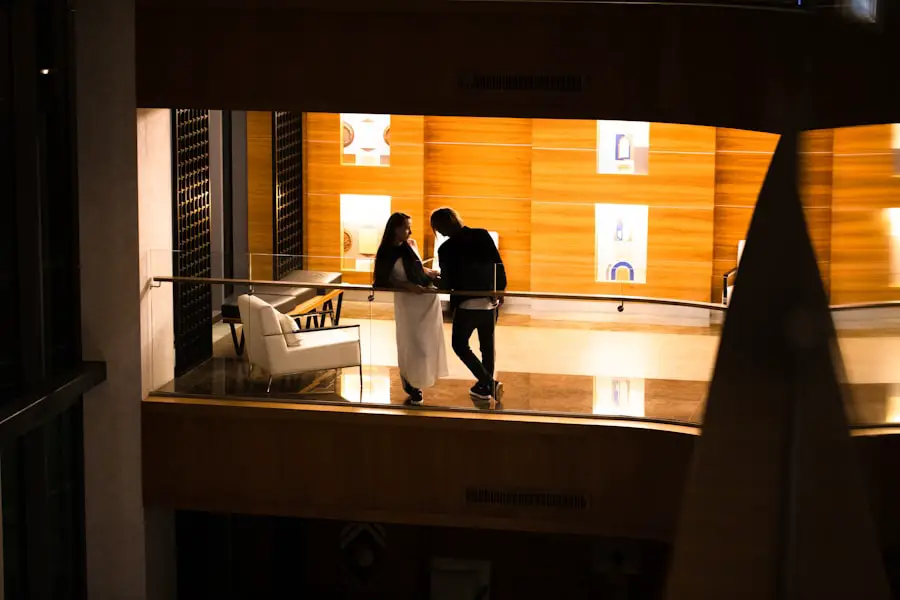
Traditional hotels are usually designed around overnight travelers, families, business guests, and longer stays. They commonly provide a staffed lobby, standard check-in and checkout times, luggage storage, housekeeping schedules, and support for guests who leave and re-enter the building.
Love hotels prioritize flexible room use, privacy, and in-room entertainment. They may have larger baths, more toiletries, mood lighting, room service, and a choice of individually designed rooms. Staff interaction is often deliberately limited.
| Feature | Love Hotel | Traditional Hotel |
| Booking Length | Short rest, free time, or overnight | Usually one or more nights |
| Check-In | Room panel, kiosk, or screened desk | Staffed front desk or standard kiosk |
| Privacy | Designed to minimize guest contact | Normal lobby and staff interaction |
| Amenities | Often emphasizes baths, entertainment, and themed rooms | Usually emphasizes lodging, business, dining, and travel services |
| Best Use | Private short visits or an unusual overnight stay | Sightseeing, business trips, families, and multi-night stays |
The pay-per-use structure can make a love hotel economical for a few private hours. It does not always make it cheaper for an overnight tourist, especially when overnight check-in begins late or premium weekend rates apply.
Are Love Hotels Legal in Japan?
Yes, properly operated love hotels are legal lodging businesses. Like other lodging properties, they are subject to Japan’s Hotel Business Act and must operate under the appropriate local license. The law also requires lodging operators to maintain guest records.
Some properties that meet specified structural, equipment, and customer-use criteria may additionally be regulated as store-based adult entertainment businesses under the Act on Control and Improvement of Amusement Business. Zoning, signage, operating procedures, youth access, and other requirements can therefore differ by classification and location.
The Ministry of Health, Labour and Welfare’s Hotel Business Act guidance explains the current national lodging framework, including amendments that took effect on December 13, 2023.
International Influence and Popularity of Love Hotels
Short-stay hotels designed around privacy are not unique to Japan. Comparable establishments can be found in South Korea, parts of Latin America, and other regions. Some borrow Japan’s room-selection systems or themed-room marketing, while others developed from local motel and hospitality traditions.
Japan’s love hotels remain especially recognizable because of their place in postwar architecture and popular culture. Social media, travel videos, and booking platforms have also made them more visible to international visitors.
That visibility has encouraged some operators to add multilingual websites, online reservations, conventional front desks, and rooms aimed at tourists. Even so, the experience is not standardized, and smaller local properties may offer little or no English support.
The Future of Love Hotels in Japan
Love hotels continue to change with customer preferences, technology, regulation, and Japan’s hospitality market. Touchscreen check-in, mobile booking, streaming entertainment, smart lighting, and automated payment are increasingly common in newer or renovated properties.
Operators are also broadening their appeal. Some advertise spa-like bathrooms, celebrations, photography-friendly rooms, solo relaxation plans, or group gatherings sometimes marketed as joshikai, or women’s social gatherings. These uses do not replace the hotels’ traditional role, but they show how businesses are adapting their rooms to more types of customers.
Sustainability may become more important as properties renovate. Energy-efficient lighting, refillable toiletries, water-saving fixtures, and reduced single-use packaging could help modernize an industry known for generous in-room amenities.
Love hotels have moved from discreet postwar lodgings to themed leisure spaces, subdued boutique properties, and increasingly automated accommodation. Their designs may keep changing, but their central appeal remains the same: flexible access to a private room.
Travelers who are sensitive to hallway noise or unfamiliar hotel sounds may also find a portable white noise machine for travel useful. Wired noise-cancelling earbuds can provide another quiet option, while travel pants with hidden pockets can help keep a passport, cash, and payment cards secure during late-night check-in.
Frequently Asked Questions
What is a love hotel in Japan?
A love hotel is an adult-oriented lodging property that rents private rooms for short daytime visits or overnight stays. It usually emphasizes privacy, flexible booking periods, large bathrooms, in-room entertainment, or distinctive room designs.
What is the difference between a rest and a stay?
A rest is a short booking, commonly lasting one to three hours. A stay is an overnight plan that usually begins later in the evening and ends the following morning. Exact hours differ by hotel.
How much does a love hotel cost in Japan?
A rest commonly costs about ¥4,000–¥8,000, while an overnight stay commonly costs about ¥8,000–¥14,000. Location, room quality, weekends, holidays, and premium amenities can raise the price.
Can foreign tourists stay at love hotels?
Many love hotels accept foreign tourists, but policies and language support vary. Travelers without an address in Japan should carry a passport because the hotel may request nationality, passport details, and a passport copy for its lodging register.
Can you book a love hotel in advance?
Some love hotels accept reservations through their websites or booking platforms, especially for overnight stays. Others operate mainly on a first-come, first-served basis using an availability panel at the entrance.
Are love hotels only for couples?
Couples are the main customers, but some hotels accept solo guests, same-sex couples, or small groups. Admission and pricing policies vary, so check the property’s terms before arriving.
Are all Japanese love hotels themed?
No. Some have fantasy rooms, karaoke, jacuzzis, or unusual decor, but many modern properties use simple boutique, resort, or minimalist designs.
Are love hotels legal in Japan?
Yes. Properly licensed love hotels are legal. They are subject to the Hotel Business Act, local lodging rules, and, in some cases, additional regulation under Japan’s amusement-business law.
Sources
- Ministry of Health, Labour and Welfare — Hotel Business Act amendments — current national lodging-law guidance.
- Japanese Law Translation — Hotel Business Act — licensing and guest-register requirements.
- Japanese Law Translation — Act on Control and Improvement of Amusement Business — additional regulation that may apply to specified accommodation facilities.
- Japan Guide — Love Hotels — current rest, stay, price, location, and check-in overview.
- Routledge — Japanese Love Hotels: A Cultural History — scholarly history of the postwar love-hotel industry.
- Nippon.com — Japan’s Affection for Love Hotels — historical development from early meeting places to modern hotels.
