
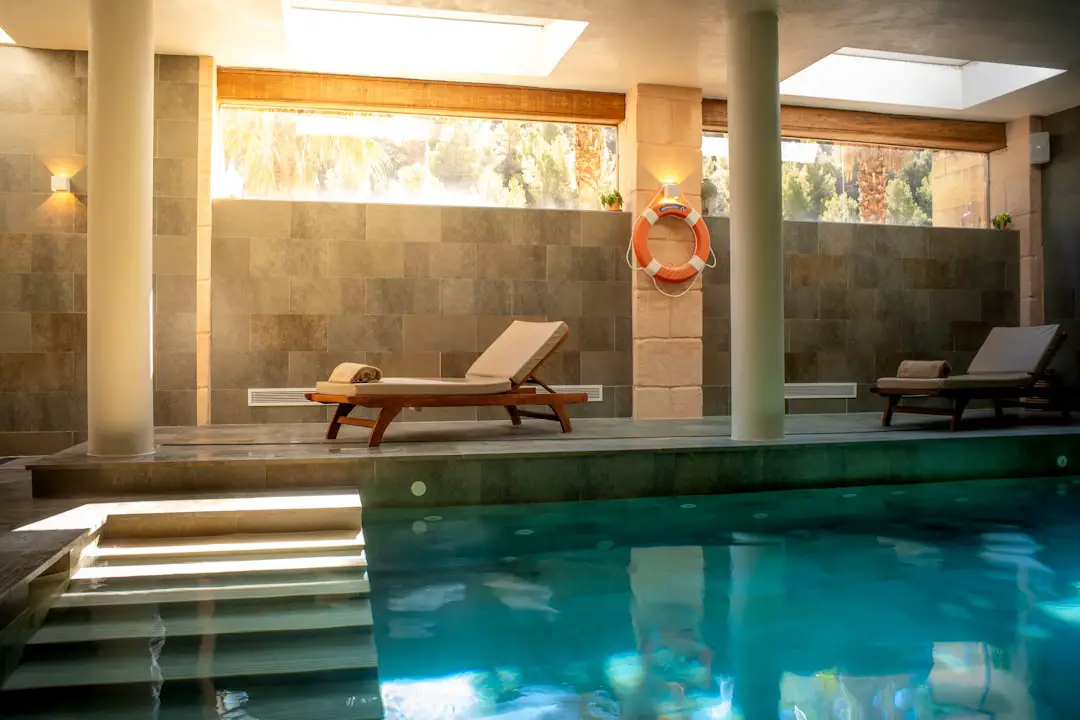
Last Updated on July 25, 2026 by Daniel Globe
A boutique hotel offers more than a room for the night. It usually combines a distinct design identity, an intimate atmosphere, attentive service, and a strong connection to its neighborhood or setting. Some occupy historic homes or converted warehouses, while others are modern, purpose-built properties with a carefully developed theme.
Quick Answer
A boutique hotel is a small or deliberately intimate hotel with a strong design identity, personalized service, and a clear connection to its location or concept. There is no universal room-count rule, and some boutique hotels belong to larger groups. The real test is individuality, thoughtful service, and a distinct guest experience.
Key Takeaways
- Boutique hotels are known for individual design, a strong sense of place, and a more personal service style.
- Fewer than 100 rooms is a common guideline, but there is no universally accepted size or ownership rule.
- A boutique hotel may be independent, part of a small group, or affiliated with a larger hospitality collection.
- The trade-off for character may be smaller rooms, fewer facilities, less predictable layouts, or limited loyalty benefits.
- Before booking, compare the full price, room details, cancellation rules, accessibility, noise, parking, and included amenities.
Disclosure: As an Amazon Associate I earn from qualifying purchases. Some links on this page are affiliate links, at no extra cost to you.
The History of Boutique Hotels
The modern boutique-hotel movement is generally traced to the late 1970s and early 1980s rather than the late 1980s or 1990s. There is no single uncontested “first boutique hotel,” but several properties helped establish the model.
Blakes Hotel in London opened in 1978 and describes itself as one of the earliest design-led luxury boutique hotels. Its highly individual interiors offered an alternative to the formal, standardized hotel experience common at the time.
In New York, Ian Schrager and Steve Rubell opened Morgans Hotel in 1984. According to the Ian Schrager Company, Morgans introduced the boutique-hotel concept to a broad international audience by combining distinctive design, social energy, and a more residential atmosphere.
Boutique hospitality developed as a response to standardized lodging, but individuality—not a fixed room count—is still its most useful defining feature.
During the 1990s and 2000s, the approach spread to major cities, coastal destinations, wine regions, and rural retreats. Historic townhouses, warehouses, factories, banks, and other older buildings were frequently adapted into hotels, allowing operators to preserve architectural character while creating modern guest rooms.
Online booking platforms later gave smaller properties access to a much wider audience. At the same time, major hospitality companies introduced lifestyle brands and curated collections that adopted many boutique qualities. As a result, “boutique” no longer automatically means independently owned.
Characteristics of Boutique Hotels
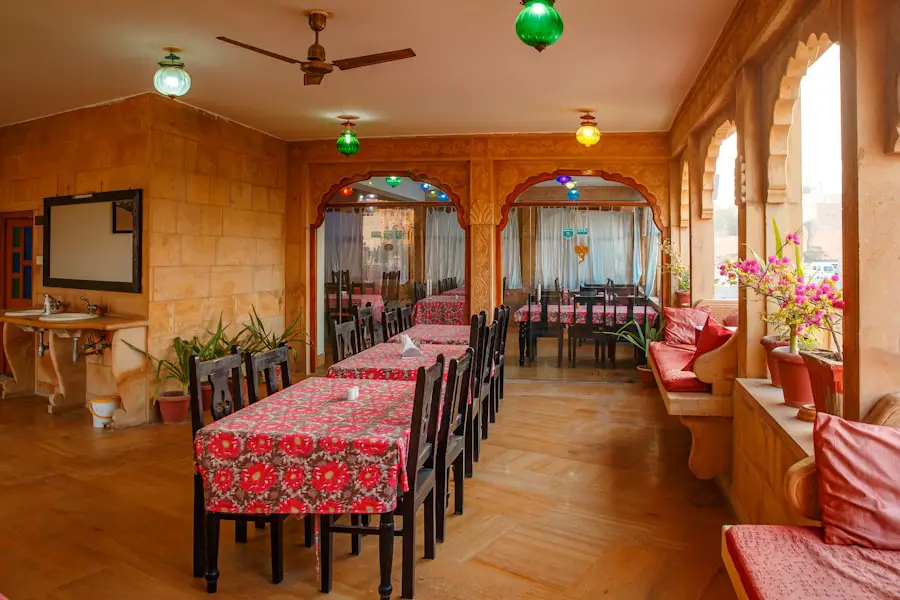
Boutique hotels vary widely, but the strongest examples usually share several characteristics.
A Distinct Design Identity
Instead of repeating the same room and lobby design in every location, a boutique property normally has its own visual identity. The design may reflect local architecture, the history of the building, a creative theme, or the work of a particular designer.
Common details include local artwork, custom furniture, unusual lighting, restored materials, curated books, handmade textiles, and individually decorated rooms. A distinctive design does not have to be expensive or luxurious, but it should feel intentional rather than generic.
An Intimate Scale
Many boutique hotels have fewer than 100 rooms, and some have fewer than 20. However, the hospitality industry has no universally accepted room-count limit. A larger property can still market itself as boutique when its design, service, and atmosphere feel personal and cohesive.
Personalized but Professional Service
Smaller teams may have more opportunities to learn a guest’s preferences, provide local recommendations, or respond flexibly to special requests. Personalized service can include remembering dietary needs, arranging transportation, recommending a quiet neighborhood restaurant, or helping organize a special occasion.
This does not mean every boutique hotel provides flawless or luxury-level service. Staffing, training, operating hours, and service standards vary by property.
A Strong Sense of Place
Many boutique properties connect guests with the surrounding area through their architecture, menus, artwork, activities, or partnerships. A city hotel may feature neighborhood artists and independent food producers, while a rural property may focus on local landscapes, farming, crafts, or outdoor activities.
Curated Common Spaces
Restaurants, courtyards, lounges, libraries, rooftop bars, gardens, and small galleries often form part of the experience. These spaces may also attract local residents, helping the hotel feel connected to the community rather than isolated from it.
Note: “Boutique hotel” is not a universal certification. A property may use the term even when it offers little local character or personalized service. Judge the hotel by its room details, policies, recent reviews, design, and guest experience—not the label alone.
Common Types of Boutique Hotels
Boutique hotels are not limited to fashionable city properties. Common models include:
- Independent urban hotels: Small city properties with local design, neighborhood dining, and individually styled rooms.
- Historic and adaptive-reuse hotels: Former homes, banks, warehouses, schools, factories, or civic buildings converted into accommodations.
- Design-led hotels: Properties built around architecture, interiors, art, fashion, or a specific creative concept.
- Resort and nature properties: Small coastal, mountain, desert, island, or countryside hotels focused on their natural setting.
- Wellness boutique hotels: Properties emphasizing spas, yoga, sleep, nutrition, thermal bathing, or outdoor wellness activities.
- Lifestyle and soft-brand hotels: Individually designed properties affiliated with a larger collection, reservation system, or loyalty program.
Why Choose a Boutique Hotel Over a Chain Hotel?
A boutique hotel can make a trip feel more connected to its destination. However, a chain hotel may be the better choice when consistency, a large loyalty program, extensive facilities, or a familiar room layout matters more than individuality.
| Criteria | Boutique Hotel | Traditional Chain Hotel |
| Design | Usually individual and tied to a place, building, or concept | Usually follows recognizable brand standards, although lifestyle brands may vary |
| Service style | Often informal, flexible, and locally knowledgeable | Usually standardized and supported by larger operating systems |
| Room consistency | Rooms may differ in size, layout, view, and features | Room categories and layouts are often more predictable |
| Local identity | Frequently central to the experience | Varies; some brands incorporate strong local elements |
| Facilities | May have a few carefully selected facilities | Larger properties may offer pools, gyms, business centers, and multiple restaurants |
| Loyalty benefits | Often limited unless the hotel belongs to a collection | Often includes points, status benefits, and broad redemption options |
| Best for | Travelers who value character, design, and local connection | Travelers who value consistency, facilities, and loyalty programs |
Benefits of a Boutique Hotel
- A stay that feels specific to the destination
- More individual design and architecture
- Potentially more flexible and personal service
- Locally informed dining and activity recommendations
- Interesting common spaces and social areas
- Access to unusual historic or scenic properties
Possible Trade-Offs
- Smaller or irregularly shaped rooms
- Different layouts within the same room category
- Limited elevators or accessibility in older buildings
- Fewer restaurants, pools, gyms, or business facilities
- Less extensive loyalty-program coverage
- More noise when the hotel includes a popular bar or nightlife venue
- Less predictable service than a tightly standardized brand
A boutique hotel is often a strong choice for couples, solo travelers, design enthusiasts, food-focused travelers, and guests who enjoy exploring neighborhoods. A conventional chain may be more convenient for large families, group travel, loyalty-point users, or anyone who needs highly predictable facilities and room layouts.
Unique Amenities and Services Offered by Boutique Hotels
Boutique properties often use a smaller number of carefully selected amenities rather than trying to offer every possible facility. Availability varies, so guests should check the exact property instead of assuming that an amenity is included.
Possible amenities and services include:
- Restaurants or bars featuring regional ingredients
- Local wine, coffee, tea, or welcome snacks
- Libraries, listening rooms, galleries, or rooftop spaces
- Small spas, treatment rooms, yoga areas, or fitness studios
- Cooking classes, tastings, art workshops, or guided walks
- Bicycle rentals or outdoor equipment
- Custom neighborhood maps and concierge recommendations
- Locally made toiletries, furniture, textiles, or artwork
- Turntables, curated books, unusual minibars, or custom room fragrances
- Airport transfers, private tours, or celebration planning
These details can add value, but they should not distract from practical needs. Confirm whether breakfast, parking, Wi-Fi, housekeeping, spa access, transportation, and activities are included in the rate or charged separately.
Popular Destinations for Boutique Hotel Stays

Boutique hotels appear in almost every type of destination. Major cities such as New York, London, Paris, Tokyo, Mexico City, Lisbon, and Bangkok support design-led hotels in historic districts, creative neighborhoods, and converted buildings.
Coastal towns and islands often use smaller-scale properties to highlight ocean views, local architecture, and outdoor living. Santorini, the Greek islands, Bali, the Caribbean, and Mediterranean coastal communities are well known for intimate hotels and small resorts, although room size, privacy, and transportation access can vary greatly.
Wine and food regions such as Napa Valley, Tuscany, Bordeaux, and parts of South Africa attract boutique properties built around vineyards, restaurants, farms, and tasting experiences. Mountain and rural destinations may offer restored lodges, cabins, manor houses, or farm stays with hiking, wellness, and nature-focused activities.
The best destination depends on the type of experience you want. A city property may provide nightlife and walkability, while a rural retreat may offer space and quiet but require a car or arranged transportation.
How to Tell Whether a Hotel Is Genuinely Boutique
Marketing language alone is not enough. Use the following checks to decide whether a property delivers the experience it promises:
- Review the room categories individually. Boutique rooms may differ significantly in size, floor plan, bathroom design, stairs, and view.
- Look for a clear design story. The website should explain the building, designer, local influences, or concept instead of relying only on decorative adjectives.
- Check the location carefully. A hotel can claim to be neighborhood-focused while sitting far from the places shown in its marketing.
- Read recent reviews for patterns. Repeated comments about staff knowledge, noise, cleanliness, maintenance, and room accuracy are more useful than one extreme review.
- Check who owns or manages it. Chain affiliation is not automatically negative, but it helps set expectations about loyalty benefits and standardization.
- Verify local claims. Look for named artists, suppliers, guides, farms, or community partnerships rather than vague statements about authenticity.
- Confirm essential facilities. Design should not substitute for reliable heating, cooling, hot water, Wi-Fi, security, cleanliness, and responsive service.
How to Find and Book Boutique Hotels
Travelers can find boutique properties through mainstream hotel-booking platforms, specialist directories, travel publications, map searches, and hotel websites. Booking.com may show a broad range of hotels, while some properties also list selected rooms through Airbnb or other accommodation platforms.
Use booking sites for discovery and comparison, but verify important details on the hotel’s own website or by contacting the property.
1. Decide What Matters Most
Before comparing hotels, list your non-negotiable needs. These may include:
- A specific neighborhood or distance from an attraction
- Elevator access
- Air conditioning or heating
- On-site parking
- A desk and reliable Wi-Fi
- A quiet room
- Breakfast
- A pool, gym, spa, or restaurant
- Pet-friendly or child-friendly policies
- Accessible entrances, bathrooms, or communication features
2. Compare the Total Stay Price
Compare the same dates, room type, number of guests, cancellation terms, meal plan, and taxes across booking channels. Look for destination fees, resort fees, cleaning charges, parking, breakfast, service charges, and required deposits.
For lodging offers covered by the U.S. Federal Trade Commission’s rule, businesses that display a price must show the total price including calculable mandatory fees upfront, apart from permitted exclusions such as government charges and optional extras. Review the FTC guidance on lodging fees for details.
3. Read the Cancellation and Payment Rules
Check the deadline and local time zone for free cancellation. Also confirm whether the reservation is prepaid, partially refundable, secured with a deposit, or charged at check-in. A lower rate may have stricter conditions.
4. Inspect the Exact Room
Do not rely only on photographs of the hotel’s best suite. Confirm:
- Room and bed size
- Private or shared bathroom
- Shower, bathtub, or wet-room layout
- Window type and view
- Floor level and elevator access
- Air conditioning and heating
- Noise exposure
- Maximum occupancy
- Whether the room shown is representative or individually designed
5. Verify Accessibility Details
Travelers with accessibility requirements should ask about the specific route from the entrance to the room, door widths, elevator access, bathroom layout, roll-in showers, grab bars, visual alarms, and other required features.
In the United States, lodging reservation systems must describe accessible features in enough detail to help travelers assess whether a room meets their needs. The U.S. Department of Justice Title III regulations explain these reservation requirements.
Warning: Historic boutique hotels may have narrow stairs, uneven floors, small elevators, or rooms in separate buildings. Do not assume that “accessible” describes every feature you need. Confirm the exact room and access route before paying a nonrefundable rate.
6. Compare Direct and Third-Party Booking
A direct booking may include flexible communication, property-specific packages, or easier room-request handling. A third-party platform may provide a useful interface, loyalty credit, bundled travel, or centralized customer support.
Do not assume that either channel is always cheaper. Compare the full terms, not just the first displayed nightly rate. Keep your confirmation email and verify that the property has received the reservation, especially when booking an individually managed hotel.
Pro Tip: After booking, send the hotel a short message confirming your room category, arrival time, bed setup, and any essential request. A boutique property may have fewer duplicate rooms, so early confirmation can prevent misunderstandings.
Booking Red Flags
- The website does not provide a physical address or working contact details.
- Room descriptions are vague or use the same photos for every category.
- Mandatory charges appear only at the final payment stage.
- Cancellation and deposit terms are difficult to find.
- Recent reviews repeatedly mention reservation errors, cleanliness, security, or missing amenities.
- The hotel claims extensive local partnerships but names none.
- Accessibility questions receive vague or contradictory answers.
- The property pressures you to pay outside the booking platform through an unusual method.
Tips for Making the Most of Your Boutique Hotel Stay
Contact the hotel before arrival when you have a special occasion, dietary need, late arrival, transportation request, or strong room preference. The staff may be able to help, but upgrades and special amenities should never be assumed.
Ask for neighborhood recommendations that match your interests and budget. Instead of requesting the “best restaurant,” explain whether you want a quiet café, family meal, local market, live music venue, accessible attraction, or late-night option.
Use the hotel’s distinctive facilities when they fit your plans. A tasting, cooking class, guided walk, spa treatment, gallery event, or garden breakfast may be more memorable than trying to visit every major attraction.
Take time to notice the property’s architecture, artwork, materials, and history. Many boutique hotels place information in guest books, room directories, lobby displays, or conversations with staff.
Finally, report problems while the hotel still has a chance to resolve them. A room may be changed, maintenance issue corrected, or missing service restored more easily during the stay than after checkout.
The Rise of Boutique Hotels in the Travel Industry
Boutique hotels expanded as travelers gained more ways to compare independent properties online. Photos, maps, guest reviews, social media, and direct booking tools made it easier for a small hotel to reach international guests without relying entirely on a major chain’s reservation system.
The success of design-led independent hotels also influenced larger hospitality companies. Many now operate lifestyle brands or curated collections in which each property keeps some individual architecture and character while gaining access to wider distribution, management support, and loyalty programs.
This overlap means travelers should not treat “boutique,” “independent,” “lifestyle,” and “luxury” as interchangeable terms:
- Boutique generally describes individuality, design, atmosphere, and personal scale.
- Independent describes ownership or operation outside a major hotel company.
- Lifestyle usually describes a brand or property built around a particular social, design, or cultural identity.
- Luxury describes service level, quality, exclusivity, or price and is not required for a hotel to be boutique.
Sustainability and Community Claims
Some boutique hotels support local businesses, preserve historic buildings, reduce waste, conserve water, or use regional food and materials. However, a small property is not automatically sustainable, and locally themed decoration does not prove that local communities benefit.
Look for specific evidence such as:
- Named environmental certifications
- Published energy, water, or waste-reduction practices
- Local hiring and purchasing policies
- Protection of cultural or historic features
- Clear wildlife and animal-welfare policies
- Community partnerships with measurable outcomes
- Guest guidance on transportation, water, and waste
The Global Sustainable Tourism Council Hotel Standard organizes responsible hotel practices around sustainable management, community benefits, cultural heritage, and reduced environmental impact. It provides a more useful benchmark than vague claims such as “green,” “eco,” or “conscious.”
The Future of Boutique Hotels
Boutique hotels are likely to keep balancing individuality with practical convenience. Mobile check-in, digital room information, messaging, smart controls, and flexible work areas can make a stay easier, but technology should support rather than replace responsive hospitality.
Properties may also continue adapting historic buildings and underused commercial spaces. Adaptive reuse can preserve character, although it may create challenges involving room layouts, soundproofing, elevators, energy efficiency, and accessibility.
Some hotels will cater to longer stays and remote work by offering desks, reliable internet, communal work areas, kitchens, or discounted weekly rates. Others will remain focused on short leisure stays, dining, wellness, nightlife, or special events. Guests should evaluate the actual facilities rather than assuming every boutique hotel suits work and leisure equally well.
Personal Experiences and Reviews of Boutique Hotel Stays
Guest reviews often focus on the same qualities that make boutique hotels appealing: individual rooms, memorable design, staff interaction, local recommendations, and unusual amenities. Those qualities can also produce mixed experiences because guests may have different expectations about room size, noise, privacy, and service style.
When reading reviews, look for repeated themes rather than relying on one very positive or negative account. Give extra weight to recent reviews from travelers with needs similar to yours. A solo traveler attending nightlife may judge location noise differently from a family with young children or a business traveler preparing for an early meeting.
Useful reviews mention the exact room type, travel dates, floor, noise conditions, cleanliness, staff response, accessibility, and whether the listing matched reality. Vague statements such as “amazing atmosphere” or “terrible hotel” provide less help without supporting detail.
When writing your own review, separate objective facts from personal preference. A compact room may be accurately described and acceptable to one guest but uncomfortable for another. Explaining the room dimensions, storage, layout, and length of stay helps future travelers make a better decision.
In summary, boutique hotels are defined less by a rigid size limit than by individuality, thoughtful design, personal-scale hospitality, and a meaningful connection to their setting. They can provide an immersive alternative to standardized accommodation, but travelers should still verify practical details such as total price, room layout, noise, accessibility, facilities, and cancellation terms.
Travelers who use positive airway pressure equipment can also review this guide to the best travel CPAP machines when preparing for a hotel stay.
Frequently Asked Questions
What is a boutique hotel?
A boutique hotel is an accommodation property with a distinct design, intimate atmosphere, and personalized service style. It commonly has fewer than 100 rooms, but there is no universally accepted room-count rule. Its individuality and sense of place matter more than its exact size.
What sets a boutique hotel apart from other hotels?
Boutique hotels usually emphasize individual design, local character, curated amenities, and a more personal guest experience. Traditional chain hotels generally place more emphasis on consistent rooms, standardized service, broad facilities, and loyalty-program benefits, although the categories can overlap.
What are the main characteristics of a boutique hotel?
Common characteristics include a distinctive design identity, a relatively intimate scale, individually styled rooms, attentive service, curated common spaces, and links to local culture, food, art, architecture, or history.
What amenities can a boutique hotel offer?
Amenities may include a locally focused restaurant, rooftop bar, small spa, yoga space, library, gallery, bicycles, tastings, guided tours, custom toiletries, or personalized concierge service. Facilities vary greatly, so travelers should check what is included before booking.
Are boutique hotels more expensive than traditional hotels?
Not always. Some boutique hotels charge luxury rates, while others are modest independent properties. Price depends on the location, season, room type, service level, facilities, and demand. Compare the full stay price and cancellation terms rather than the nightly rate alone.
Can a boutique hotel be part of a chain?
Yes. Some boutique-style hotels belong to lifestyle brands, small groups, or soft-brand collections operated by larger hospitality companies. Affiliation may provide reservation and loyalty benefits while allowing the property to retain individual architecture and design.
Are boutique hotels suitable for families?
Some are, but others focus on couples, nightlife, wellness, or adults-only stays. Families should verify maximum occupancy, connecting rooms, cribs, elevators, child policies, pool safety, restaurant hours, and the amount of usable room space.
How can I verify that a boutique hotel is worth booking?
Read recent room-specific reviews, inspect the location on a map, compare full prices and policies, review the exact room layout, and contact the hotel about essential needs. Look for concrete evidence of good service and local partnerships instead of relying only on the word “boutique.”
Sources
- Blakes Hotel London FAQs — early boutique-hotel history and the property’s 1978 opening.
- Ian Schrager Company — Morgans Hotel’s 1984 opening and role in popularizing the boutique concept.
- Emerging Definitions of Boutique and Lifestyle Hotels — academic evidence that no universally accepted definition exists.
- Federal Trade Commission lodging-fee guidance — U.S. total-price and mandatory-fee disclosure rules.
- U.S. Department of Justice ADA Title III Regulations — accessibility information and lodging-reservation requirements.
- Global Sustainable Tourism Council Hotel Standard — recognized sustainability principles for hotels.
