

Last Updated on July 27, 2026 by Daniel Globe
Few rock songs have generated as much fascination as “Hotel California” by the Eagles. Released as the title track of their 1976 album and later as a single on February 22, 1977, the song turned a haunting guitar melody and a cryptic story into one of the most analyzed pieces of music in American history. Decades later, listeners are still trying to work out exactly what it means.
Quick Answer
“Hotel California” is widely read as a metaphor for the excess, hedonism, and hollow glamour of the 1970s Los Angeles music scene. Lead singer and songwriter Don Henley has described it as an exploration of lost innocence, the dark underbelly of the American Dream, and the golden cage of fame and achievement.
Key Takeaways
- Grammy Winner: “Hotel California” is the title track of the Eagles’ 1976 album, released as a single on February 22, 1977, and awarded the Grammy Award for Record of the Year in 1978.
- Songwriting Trio: The music was composed by guitarist Don Felder as an instrumental demo, with lyrics written by Don Henley and Glenn Frey — all three share songwriting credit.
- Cultural Critique: The lyrics act as an allegory for the music industry, substance dependency, and the hedonistic traps of success in Southern California.
- Iconic Cover Artwork: The album cover features a real photo of the Beverly Hills Hotel taken by David Alexander at twilight, symbolizing surface beauty masking underlying darkness.
- Enduring Cultural Impact: The song remains a cornerstone of classic rock radio, generating ongoing scholarly analysis, covers across genres, and public debate over its hidden references.
The Lyrics and Imagery
The lyrics of “Hotel California” build a vivid, unsettling narrative through a weary traveler’s arrival at a mysterious luxury hotel that at first seems charming and welcoming. That early sense of comfort quickly turns uneasy as the narrator realizes he has entered a trap — a place where guests can check out anytime they like, but can never truly leave. That central idea of being seduced by pleasure and then rendered unable to escape has become the song’s most quoted and debated concept.
Much of the imagery operates on multiple symbolic levels. Specific phrases in the song have inspired decades of listener decoding:
- “Warm smell of colitas”: Often debated by fans, colitas is Spanish slang (“little tails”) referring to the buds of the cannabis plant, setting an immediate atmosphere of 1970s counterculture and relaxation.
- “Steely knives”: A playful, lyrical nod to fellow jazz-rock group Steely Dan, who had referenced the Eagles in their 1976 song “Everything You Did” (“Turn up the Eagles, the neighbors are listening”).
- “We haven’t had that spirit here since 1969”: While literally referring to wine, the line double-functions as a commentary on the death of 1960s social idealism, replaced by the commercial cynicism of the 1970s.
The hotel itself functions as a metaphor for the music business and consumerist culture, where artists and seekers become consumed by fame, wealth, and hedonism. Other lines suggest that people are complicit in constructing their own prison walls — a reminder that personal choices, not just external forces, dictate the heavy price of chasing public validation.
Note: Because song lyrics are protected by copyright, this article analyzes the themes, symbolism, and narrative structure of “Hotel California” rather than reproducing its complete text. Licensed lyrics can be viewed via the official Eagles portal or authorized music streaming services.
The Music and Instrumentation
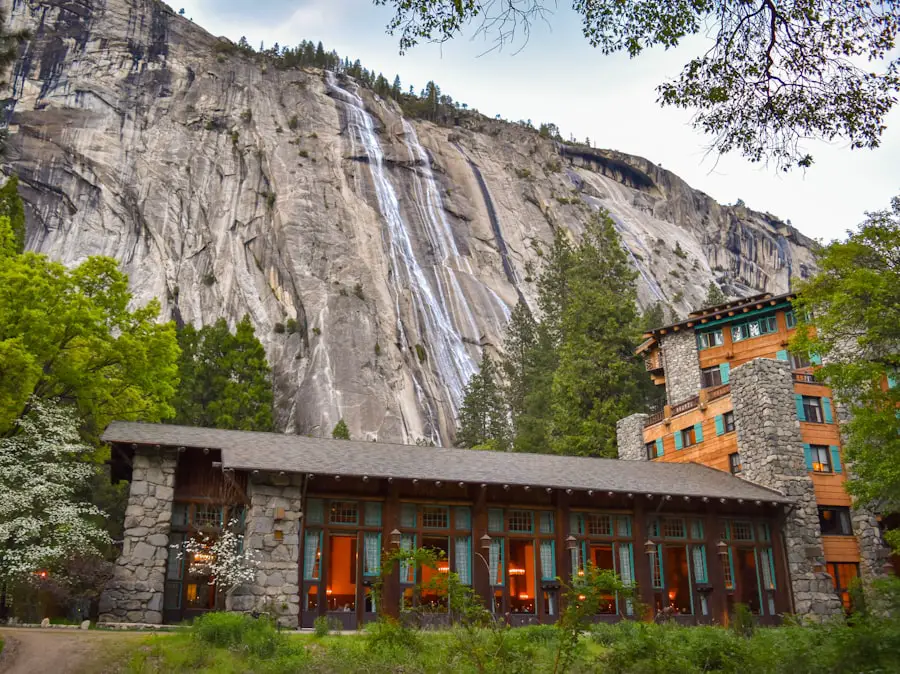
Musically, “Hotel California” stands out for its intricate guitar arrangements, unusual harmonic structure, and layered production. Guitarist Don Felder originally composed the instrumental track on an acoustic 12-string in a rented Malibu beach house, naming the initial cassette demo “Mexican Reggae” due to its Latin and reggae-influenced rhythm.
When Don Henley heard the instrumental tape, he immediately envisioned the lyrical narrative. During the recording sessions, the key was transposed from E minor down to B minor to perfectly match Henley’s vocal range. The song opens with a famous Spanish-tinged 12-string acoustic guitar intro that sets a reflective, slightly ominous mood before the vocal storytelling begins.
Acoustic and electric guitars alternate throughout the verses to build emotional tension. The track culminates in one of rock history’s most celebrated guitar solos — a dual-lead harmony and arpeggiated trade-off played by Don Felder (on a Gibson EDS-1275 double-neck) and Joe Walsh (on a Fender Telecaster). Producer Bill Szymczyk helmed the recording at Criteria Studios in Miami and the Record Plant in Los Angeles, using innovative studio techniques like backward cymbal swells to heighten the eerie ambiance.
Products Worth Considering


The Cultural and Historical Context
| Time Period | Significant Events | Key Figures |
|---|---|---|
| 1970s United States | End of the Vietnam War, the Watergate scandal, economic inflation and oil crises | Richard Nixon, Gerald Ford, Jimmy Carter |
| California Music Scene | Rise of mega-budget stadium rock, corporate music labels, widespread drug culture | The Eagles, Jackson Browne, Fleetwood Mac, Linda Ronstadt |
| Recording of the Album | Sessions held March–October 1976 at Criteria Studios (Miami) and Record Plant (Los Angeles) | Don Henley, Glenn Frey, Don Felder, Joe Walsh, Randy Meisner |
To fully grasp “Hotel California,” it helps to examine the decade from which it emerged. The mid-1970s was a period of national disillusionment in America. The optimism of 1960s youth culture had faded into post-Watergate cynicism, economic strain, and a music industry that had evolved from grassroots idealism into a multi-million-dollar corporate enterprise.
Having achieved massive commercial success with previous hits, the Eagles found themselves living at the center of this high-stakes celebrity environment. Don Henley described the album’s core theme as an exploration of the gap between idealism and reality, calling California a microcosm for the entire American experiment. The track captured a collective feeling that the rewards of material success often came with spiritual burnout.
Products Worth Considering

Product Note: These are genuine vinyl records, not blank discs. Each record is an officially released pressing sourced internationally. While most are playable, some may exhibit minor wear or label fading.

Height: 7.75in / 20cm, Width: 6in / 15cm

Theories and Interpretations
Over the past half-century, “Hotel California” has given rise to countless fan theories and literary readings. Some popular interpretations include:
- Allegory for Substance Addiction: Many listeners view the hotel as a metaphor for drug or alcohol dependency — an inviting retreat that quickly turns into an inescapable addiction.
- Critique of Materialism & Hedonism: Others interpret the resort as a symbol for decadent Southern California living, where superficial luxury replaces genuine human connection.
- Literary Parallel to The Magus: Critics have drawn parallels to John Fowles’ 1965 novel The Magus, which features a protagonist drawn into a wealthy recluse’s psychological labyrinth on a remote island.
- Metaphor for State Mental Hospitals: Persistent urban legends once claimed the song was about Camarillo State Mental Hospital or Church of Satan headquarters, though the band has repeatedly debunked these rumors.
In the 2013 documentary History of the Eagles, Don Henley summarized the song simply as “a journey from innocence to experience… that’s all.” The band has deliberately avoided endorsing a single narrow explanation, choosing to let the lyrics remain a canvas for listener imagination.
Products Worth Considering


The Legacy of Hotel California
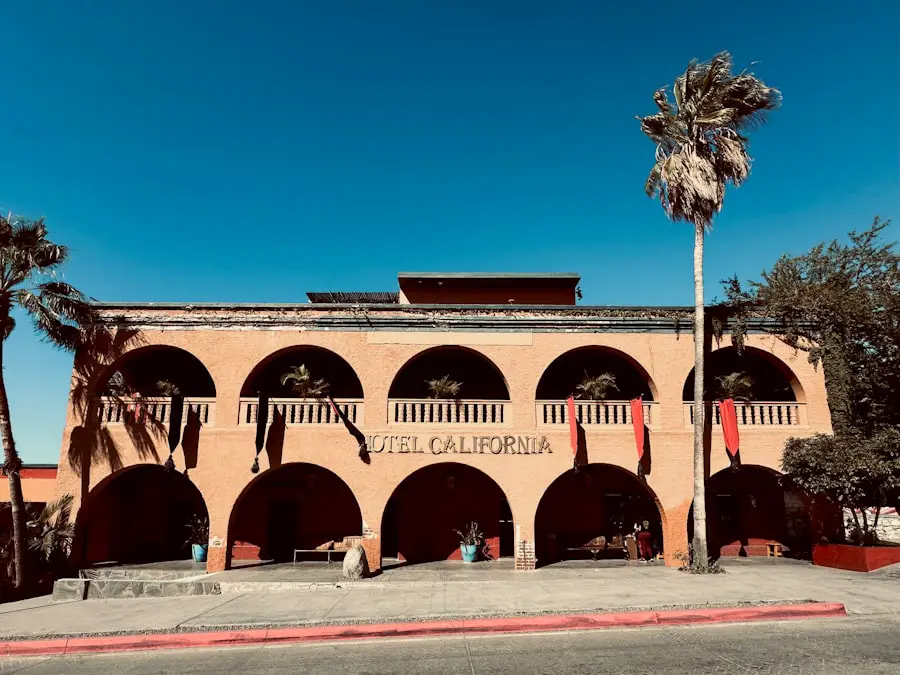
The legacy of “Hotel California” remains monumental. The song reached No. 1 on the Billboard Hot 100 in May 1977, and the parent album went on to sell over 32 million copies worldwide, making it one of the best-selling records in music history.
The song also evolved significantly during live performances. On the Eagles’ 1994 Hell Freezes Over reunion project, the group unveiled an acoustic live arrangement featuring an extended flamenco-style nylon-string guitar introduction arranged by Don Felder. This acoustic version introduced the classic track to a new generation and became a radio staple in its own right.
The Impact on Popular Culture
The influence of “Hotel California” on global popular culture is profound. Its opening guitar chords are among the most instantly recognizable motifs in modern rock, frequently featured in feature films, television soundtracks, and guitar instructional literature.
The album’s cover photograph — featuring the Beverly Hills Hotel captured at sunset by photographer David Alexander and art designer John Kosh — became an iconic visual symbol. The image of palm trees against a twilight sky perfectly mirrors the song’s aesthetic: warm, attractive, and tinged with underlying shadow.
Don Henley noted that the song’s dark themes were written during a creative period when the band felt “ecstatic” and unstoppable — creating a striking contrast between the recording’s haunting mood and the band’s creative energy.
The Enduring Mystery of Hotel California
Decades after its original release, the lasting allure of “Hotel California” lies in its refusal to offer easy answers. Its combination of musical craftsmanship, vivid storytelling, and metaphorical depth ensures that listeners continue to find fresh meaning in its verses.
Pro Tip: To explore the song’s historical background, consult Don Henley’s archival interviews and production reflections from producer Bill Szymczyk rather than unverified internet fan forums. Their primary insights provide the clearer window into the band’s artistic intent.
Ultimately, “Hotel California” endures because it speaks to a universal human experience: the allure of ambition, the danger of excess, and the sobering discovery that checking out of a trap is far easier than truly leaving it behind. For travelers and music lovers visiting California landmark hotels or exploring iconic hotel guides, the song remains an eternal soundtrack to the West Coast journey.
Frequently Asked Questions
What is the real meaning of the song “Hotel California”?
The song is a metaphor for the excess, hedonism, and empty glamour of the 1970s Los Angeles music industry. Don Henley has described it more broadly as a story about the loss of innocence and the darker underbelly of the American Dream.
What are the most common interpretations of the song’s lyrics?
Common interpretations include an allegory for drug addiction, a critique of Western materialism, a commentary on the commercialized music business, and a symbolic tale of a personal journey from naiveté to experience.
Did the band members ever explain the meaning of “Hotel California”?
Yes. Don Henley and Glenn Frey addressed the song’s themes across numerous interviews and in the 2013 documentary History of the Eagles, confirming it reflects the excesses of fame while leaving exact details open to personal interpretation.
Is “Hotel California” based on a real, physical hotel?
No. The band clarified that the hotel is a fictional metaphor rather than a specific building. However, the famous album cover features a real photograph of the Beverly Hills Hotel on Sunset Boulevard.
Has the band ever confirmed a single official interpretation?
No single interpretation has been declared final. The Eagles purposely kept the lyrics atmospheric and multi-layered so listeners could relate their own experiences to the song’s themes.
Sources
- Hotel California — Wikipedia — Songwriting credits, release details, chart achievements, and awards
- Hotel California (Album) — Wikipedia — Recording locations, studio dates, and album artwork origin
- Best Classic Bands — Bill Szymczyk Interview — Primary producer insights on guitar tracking and audio mixing
- Last.fm — Hotel California Background — Songwriting history and cultural reception notes
