
Last Updated on September 11, 2026 by Daniel Globe
After World War I, commercial airline travel did not become practical overnight. Wartime advances left behind trained pilots, improved engines, and a larger aircraft industry, but early airlines still struggled with high costs, rough flights, weak navigation, and limited public trust. Air mail contracts, federal safety rules, better airports, the Douglas DC-3, postwar growth, jet aircraft, and deregulation gradually turned flying from an elite experiment into everyday transportation.
Quick Answer
Commercial air travel grew after World War I because military aviation had produced better aircraft, engines, pilots, and manufacturing skills. U.S. air mail contracts then supplied dependable work, while federal regulation improved safety and navigation. The DC-3, postwar aircraft, jetliners, and later fare competition made passenger flying faster, safer, and affordable to far more people.
Key Takeaways
- World War I accelerated aircraft development and created a pool of trained pilots, but passenger airlines still needed government support and safer infrastructure.
- The 1925 Air Mail Act let the Post Office contract with private carriers, helping airlines build routes and regular schedules.
- The Air Commerce Act of 1926 and Civil Aeronautics Act of 1938 strengthened licensing, aircraft certification, airways, safety oversight, and economic regulation.
- The 21-seat Douglas DC-3 made passenger service more practical in the 1930s, while postwar airliners and jets later expanded speed, range, and capacity.
- Deregulation increased fare and route competition, but its benefits were uneven, especially for some small communities and less competitive markets.
How Airline Travel Took Off After WWI
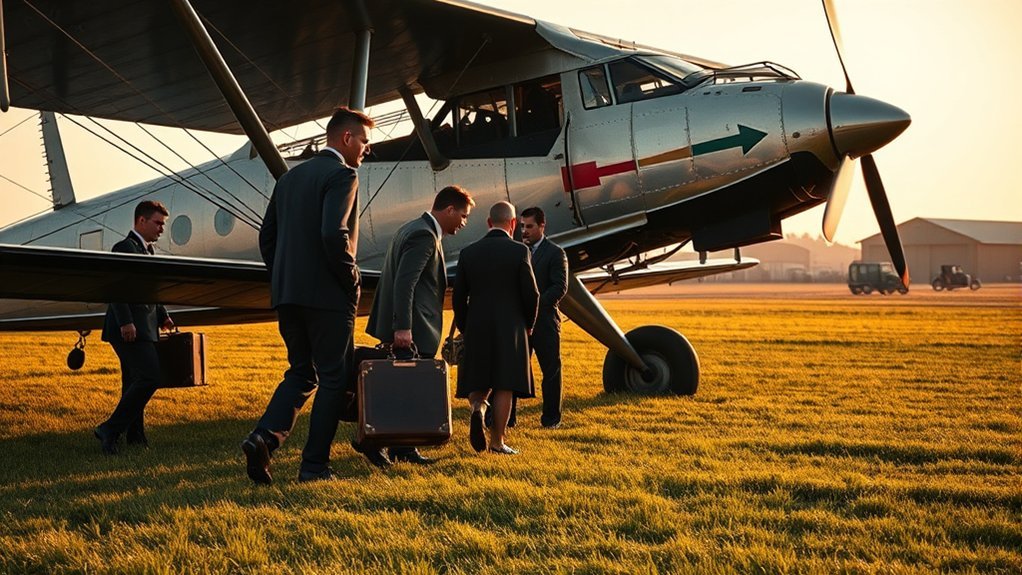
World War I showed that airplanes could carry people and supplies over long distances, and it pushed rapid advances in engines, structures, navigation, maintenance, and pilot training. When the war ended in 1918, many trained aviators and aircraft entered civilian life. That created opportunity, but it did not guarantee a profitable airline business. Early operators faced expensive aircraft, unreliable weather information, limited airports, and very few paying passengers.
The St. Petersburg-Tampa Airboat Line provides an important starting point. It began service on January 1, 1914, before U.S. entry into World War I, and is widely recognized as the first scheduled passenger airline using a heavier-than-air aircraft. Its flight crossed Tampa Bay in about 23 minutes, but the airline lasted only three months. The short life of that service showed that technical success alone was not enough to create a lasting industry.
Commercial aviation became more stable during the 1920s. The Air Mail Act of 1925, also called the Kelly Act, authorized the Post Office to award mail-carrying contracts to private companies. The Air Commerce Act of 1926 then created federal responsibilities for pilot licensing, aircraft certification, air traffic rules, airways, and navigation aids. Together, these policies helped turn scattered experiments into a national transportation system.
Commercial Aviation Timeline After World War I
| Year | Milestone | Why It Mattered |
|---|---|---|
| 1914 | St. Petersburg-Tampa Airboat Line begins | Proved scheduled passenger service was possible, although the business was not yet sustainable. |
| 1918 | Regular U.S. airmail service begins | Created routes, operating experience, and demand for navigation infrastructure. |
| 1925 | Air Mail Act authorizes private contracts | Gave private carriers a dependable source of work and revenue. |
| 1926 | Air Commerce Act becomes law | Established federal licensing, certification, airways, and navigation responsibilities. |
| 1930 | Ellen Church becomes the first female airline stewardess | Added trained cabin assistance and helped calm passengers who feared flying. |
| 1936 | Douglas DC-3 enters airline service | Made passenger routes more economical and reliable. |
| 1938 | Civil Aeronautics Act creates stronger oversight | Expanded federal control of safety, accident investigation, fares, and routes. |
| 1958 | Boeing 707 begins U.S. international jet service | Cut long-distance travel times and increased passenger capacity. |
| 1978 | Airline Deregulation Act becomes law | Reduced federal control of domestic fares, routes, and market entry. |
Why Early Flights Felt So Rough
Early passenger flights were rough because aircraft were small, lightly insulated, and often unable to rise above bad weather. The earliest services used open cockpits, while many later 1920s and 1930s airliners had enclosed but unpressurized cabins. Passengers still experienced engine noise, vibration, cold air, turbulence, fumes, and frequent stops.
Open Cockpit Conditions
On the 1914 St. Petersburg-Tampa service, the single passenger sat beside the pilot in an open cockpit. Wind, spray, rain, heat, and engine noise were part of the trip. Similar early aircraft offered little protection because they had been designed around basic flight performance rather than passenger comfort.
By the late 1920s, enclosed cabins were becoming more common, so it would be inaccurate to describe every interwar airline flight as an open-cockpit journey. Even with a roof and windows, however, cabins remained drafty, cramped, and unpressurized. Aircraft flew lower, where weather and turbulence were harder to avoid.
Noise, Cold, and Sickness
The National Air and Space Museum reports that a Ford Tri-Motor could reach nearly 120 decibels during takeoff. Cabin crew sometimes used small megaphones so passengers could hear instructions. Air sickness was also common because low-altitude aircraft bounced through weather, and cabins offered limited ventilation and temperature control.
| Problem | Passenger Effect | Early Response |
|---|---|---|
| Engine and wind noise | Difficulty hearing and possible hearing harm | Megaphones, later insulation, and quieter aircraft |
| Cold, drafts, and low cabin temperatures | Discomfort and fatigue | Blankets, enclosed cabins, and improved heating |
| Turbulence and vibration | Nausea and anxiety | Trained cabin staff, airsickness bags, and improved aircraft design |
| Pressure changes | Ear discomfort | Chewing gum and, later, pressurized cabins |
Frequent fuel, meal, and overnight stops could turn a transcontinental journey into a multi-day trip. Early passengers were paying for speed compared with surface travel, not for the smooth and predictable experience associated with modern airlines.
Who Flew on the First Commercial Airlines?
The first commercial passengers were usually wealthy travelers, business executives, public officials, journalists, and adventurous tourists. Tickets were expensive, routes were limited, and many people still considered flying risky. Trains remained more comfortable, familiar, and practical for most intercity travel.
Former St. Petersburg mayor Abram C. Pheil paid $400 at an auction for the honor of taking the first St. Petersburg-Tampa Airboat Line flight. That was a ceremonial first-ticket price, not the normal fare. Regular tickets cost $5 for the short trip across Tampa Bay. The distinction matters because the original $400 figure can make ordinary fares seem far higher than they were, even though regular air travel was still beyond the budget of many households.
- Early passengers often valued saved time more than comfort.
- Business travelers could justify high fares when a faster trip helped them close deals or reach distant offices.
- Wealthy tourists treated flying as an experience and a status symbol.
- As capacity increased and fares fell, the passenger base gradually widened.
How Air Mail Built the Airline Industry
Air mail helped build commercial aviation because mail moved on a regular schedule even when few passengers were willing to buy tickets. The first regularly scheduled U.S. airmail service began on May 15, 1918, between Washington, Philadelphia, and New York. The Post Office took full control of the service on August 12, 1918 and operated it until private contract carriers took over in 1927.
The Post Office also helped create the physical system aviation needed. It developed routes, lighted airfields, and navigation beacons. By 1924, scheduled transcontinental airmail could operate day and night. These investments taught pilots and planners how to run reliable long-distance services before passenger demand was strong enough to support the system by itself.
Air Mail Funding Model
The 1925 Kelly Act allowed the Postmaster General to contract with private airlines to carry mail. That did not make every carrier permanently profitable, and early airline economics remained fragile. It did, however, give selected companies predictable work and helped them buy aircraft, hire crews, and maintain scheduled routes.
- Mail contracts supplied dependable traffic.
- Regular schedules encouraged operational discipline.
- Route networks later supported passenger service.
- Government policy reduced some of the risk of entering a new industry.
Passenger traffic still started from a very small base. According to the National Air and Space Museum, U.S. airlines carried about 6,000 passengers in 1929, more than 450,000 in 1934, and 1.2 million in 1938. The growth was dramatic, but flying still represented only a small share of public travel.
Navigation and Mail Routes
Early pilots often followed railroads, roads, rivers, and landmarks because cockpit instruments and radio navigation were limited. Airmail pushed the government to improve that system. Lighted beacons, marked airways, weather reporting, radio communication, maps, and designated landing fields made routes easier to repeat safely.
The Air Commerce Act of 1926 placed many of these responsibilities under the Department of Commerce. The federal government began licensing pilots, certifying aircraft, issuing air traffic rules, establishing airways, and maintaining navigation aids. Those steps made scheduled passenger service more trustworthy and helped airlines move beyond visual navigation alone.
What Flying Felt Like From 1927 to 1941
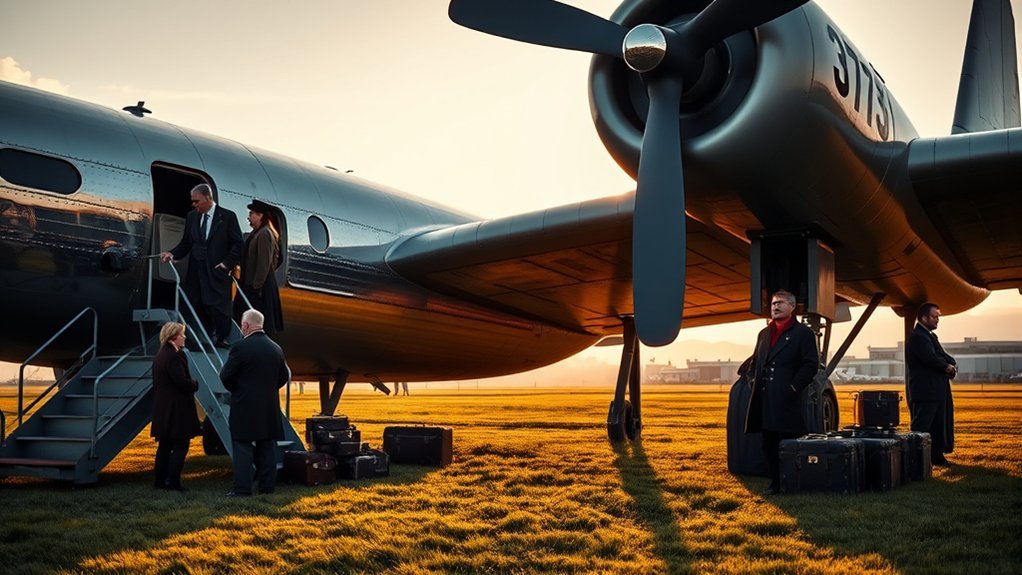
From 1927 to 1941, airline travel changed quickly, but it was still noisy, expensive, and physically demanding. You might board a Ford Tri-Motor, Boeing 247, Douglas DC-2, or DC-3. Cabins were increasingly enclosed, but most were not pressurized. Flights often stayed low enough to encounter turbulence, and long trips included several stops.
- You could save time compared with rail travel, especially on long routes.
- You would hear loud engines and feel constant vibration.
- You might receive a meal, chewing gum, an overnight bag, or help from a steward or stewardess.
- You still needed money and confidence to accept the cost and perceived risk.
Airlines promoted speed, modern design, and personal service to reduce public fear. In 1930, Ellen Church became the first female airline stewardess after persuading Boeing Air Transport that trained nurses could assist passengers and make flying feel safer. The role combined safety, reassurance, and service, although employment rules of the period were often discriminatory.
U.S. airline passenger totals rose from about 6,000 in 1929 to 1.2 million in 1938, even though flying remained expensive and represented only a small part of intercity travel.
How Airlines Kept Passengers Comfortable
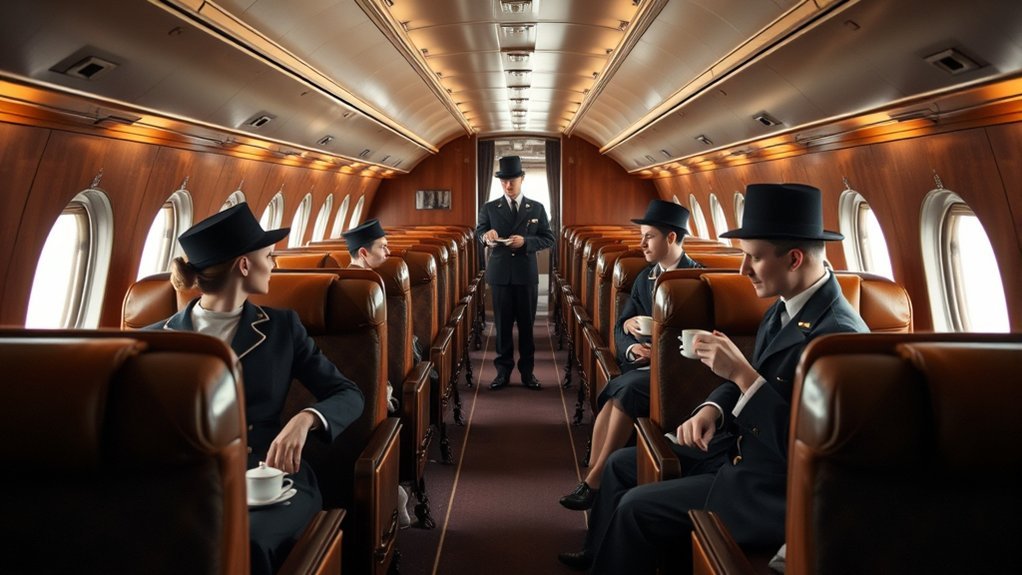
Airlines used practical comforts and personal service to make early flights less intimidating. Improvements included enclosed cabins, heating, upholstered seats, meals, blankets, lavatories on some aircraft, overnight kits, and trained cabin staff. These features did not remove the noise and turbulence, but they helped airlines present flying as organized transportation rather than a dangerous stunt.
Open Cockpit Challenges
The open-cockpit problem belongs mainly to the earliest passenger services, including the 1914 Tampa Bay route and other small aircraft of that era. Passengers had little protection from wind and weather. As airlines adopted enclosed cabins, the problem changed from direct exposure to poor insulation, weak heating, vibration, and unpressurized flight.
- Enclosed cabins protected passengers from direct wind and rain.
- Cabin heating and blankets reduced cold-weather discomfort.
- Better windows, seals, and insulation slowly reduced drafts and noise.
Early Cabin Comforts
Comfort became part of airline competition. Carriers used meals, attentive service, overnight bags, and improved seating to persuade travelers that the time savings justified the fare.
| Comfort | Purpose |
|---|---|
| Padded or upholstered seats | Reduced discomfort on longer flights |
| Overnight flight bags | Helped passengers manage multi-stop and overnight journeys |
| Chewing gum | Encouraged swallowing to ease ear pressure changes |
| Meals and drinks | Made long trips feel more refined and convenient |
| Cabin attendants | Provided safety help, information, reassurance, and service |
Inflight Ease Measures
Communication was one of the first cabin challenges. Crew members sometimes used megaphones to speak over engine and wind noise. Airlines also used gum to help with ear pressure, airsickness bags for nausea, and blankets for cold cabins. As aircraft grew larger, cabin service became more organized and visible.
- Stewardesses introduced in 1930 helped calm nervous passengers and support safety.
- Meals and branded service helped airlines compete when fares and routes were regulated.
- Pressurization, better heating, and improved sound insulation later addressed the causes of discomfort rather than only the symptoms.
How Regulation and Infrastructure Made Flying Safer
Commercial aviation needed more than better aircraft. It also needed common rules, trained pilots, certified equipment, reliable airports, weather information, and air traffic control. The Air Commerce Act of 1926 gave the federal government responsibility for many of these functions.
High-profile accidents increased pressure for stronger oversight. The Civil Aeronautics Act of 1938 created the Civil Aeronautics Authority and an Air Safety Board. It also expanded federal control over airline fares and routes. In 1940, those responsibilities were divided between the Civil Aeronautics Administration and the Civil Aeronautics Board.
Air traffic control also became more organized. Early controllers used flags, maps, telephones, and position markers. The first en route centers were created by airlines in the mid-1930s and then taken over by the federal government. This growing system helped separate aircraft and support more dependable schedules.
Note: Economic regulation and safety regulation are different. The 1978 Deregulation Act reduced federal control over domestic fares, routes, and market entry, but it did not eliminate federal aircraft, pilot, airline, or air traffic safety oversight.
Why the DC-3 Changed Commercial Aviation
The Douglas DC-3 first flew in December 1935 and entered airline service in 1936. A common passenger layout had 21 seats, not 32. It cruised at roughly 180 to 205 mph depending on the version and operating conditions. Its combination of range, reliability, capacity, and lower operating cost made passenger routes more practical.
The DC-3 could earn more from passengers than many earlier airliners, reducing dependence on mail revenue. By 1938, the aircraft carried most U.S. commercial airline traffic. Its military version, the C-47, also became one of the most important transport aircraft of World War II.
Why Postwar Air Travel Became Mass Market
After World War II, commercial flying moved toward a mass market because the war had expanded aircraft production, airports, maintenance skills, navigation systems, and the supply of experienced pilots and mechanics. Airlines also gained access to improved four-engine aircraft that could carry more passengers farther and more comfortably than the DC-3.
Rising household incomes, paid vacations, business expansion, and growing tourism increased demand. Aircraft such as the Lockheed Constellation and Douglas DC-6 made long domestic and international routes more practical. Pressurized cabins allowed aircraft to fly higher, where trips could be smoother and weather avoidance was easier.
Low-fare competition also existed before nationwide deregulation. Southwest began service in 1971 as an intrastate Texas carrier, where federal interstate fare and route controls did not apply in the same way. Its simple service and quick aircraft turnarounds helped demonstrate the potential of a lower-cost airline model.
How Jets Changed Airline Travel
Jet aircraft made long-distance travel much faster. The British de Havilland Comet introduced the first commercial jet service in 1952. In the United States, Pan American began Boeing 707 international service in October 1958, and American Airlines opened regular transcontinental 707 service with its own aircraft in January 1959.
The Boeing 707 could carry about 160 passengers in the configuration developed for Pan Am, although capacity varied by model and airline layout. Smithsonian records note that later nonstop New York-San Francisco jet flights took about five hours, roughly three hours less than comparable piston-airliner service. Jets also flew higher, offered longer range, and lowered operating cost per seat on busy routes.
- Long trips became hours shorter.
- Higher capacity spread operating costs across more seats.
- International tourism and business travel expanded.
- Airports had to build longer runways, larger terminals, and more advanced traffic systems.
How Deregulation Made Flying Cheaper
The Airline Deregulation Act was signed on October 24, 1978. It gradually reduced Civil Aeronautics Board control over domestic fares, routes, and market entry, while safety oversight remained federal. Airlines gained much more freedom to choose where they flew and what they charged.
The original claim that fares fell 30% in the first years and that the number of major airlines jumped from about 10 to more than 50 is too precise without a defined measure or reliable source. A better-supported conclusion is that real fares declined over the longer term and service expanded, although the results varied by market. A 2006 U.S. Government Accountability Office review found that median fares had fallen nearly 40% in real terms since 1980, while also warning that benefits were smaller in some short-distance, lightly traveled, and less competitive markets.
Deregulation encouraged new entry, discount fares, and hub-and-spoke networks. It also brought tradeoffs. Some airlines failed, the industry became financially unstable at times, and some smaller communities lost convenient unsubsidized service. Congress created the Essential Air Service program to protect a minimum level of access for eligible communities.
The Lasting Legacy of Commercial Air Travel
Commercial aviation grew through a chain of connected changes rather than one invention. World War I accelerated technical development and pilot training. Air mail created routes and regular operations. Federal laws added licensing, certification, navigation, safety oversight, and economic rules. The DC-3 improved airline economics, World War II expanded aviation infrastructure, and jets made long-distance travel far faster.
- You inherited a transportation network built from mail routes, beacons, airports, and regulated airways.
- You can cross distances in hours that once required days by rail or ship.
- You benefit from continuing competition among airlines, aircraft makers, airports, and service models.
- You also face modern tradeoffs, including congestion, emissions, security procedures, and uneven service between large and small markets.
The lasting change is not simply that aircraft became faster. Flying became a coordinated public system with common rules, trained crews, certified equipment, scheduled networks, and prices that a much wider share of the public could consider.
Frequently Asked Questions
Why Avoid Seat 11A on a Plane?
There is no universal reason to avoid seat 11A. Seat numbering and cabin layouts vary by airline and aircraft. On one plane, 11A may be a normal window seat; on another, it may be near a wing, exit, lavatory, missing window, or restricted-recline row. Check the airline’s seat map for the exact flight.
What Drinks Are Not to Order on a Plane?
There is no evidence-based rule that every passenger must avoid tap water, coffee, tea, soda, or dairy. U.S. aircraft drinking water is covered by the EPA Aircraft Drinking Water Rule. Choose sealed drinks if you remain concerned, and limit alcohol because it can worsen dehydration, sleep disruption, and impairment.
Where Does the Waste Go When You Flush an Airplane Toilet?
A vacuum system moves the waste into a sealed onboard holding tank. The tank remains closed during flight. After landing, trained ground crews connect servicing equipment, remove the waste, and send it into an approved treatment or disposal system.
How Did World War I Affect Aviation?
World War I accelerated aircraft production, engine development, maintenance systems, navigation experience, and pilot training. After the war, those skills and machines moved into civilian use. The war did not create a profitable passenger industry by itself, but it supplied much of the technical and human foundation that later airlines used.
What Was the First Scheduled Passenger Airline?
The St. Petersburg-Tampa Airboat Line, which began on January 1, 1914, is widely recognized as the world’s first scheduled passenger airline using a heavier-than-air aircraft. It crossed Tampa Bay in about 23 minutes and operated for roughly three months.
When Did Commercial Air Travel Become Common?
Passenger flying grew rapidly in the 1930s but remained expensive. It became much more common after World War II as incomes, airport networks, aircraft capacity, and route availability increased. The jet age of the late 1950s and 1960s then made long-distance flying faster and more attractive to a mass market.
Conclusion
Commercial flying after World War I grew because technology, government policy, infrastructure, and consumer demand advanced together. Trained pilots and improved aircraft provided a starting point, but air mail contracts and federal oversight made regular operations possible. The DC-3 improved passenger economics, postwar growth widened access, jets reduced travel time, and deregulation increased competition. Today’s airline system is the result of more than a century of gradual technical, legal, and business change.
Sources
- National Air and Space Museum: Early Commercial Aviation – early passenger totals, cabin conditions, fares, and flight attendants.
- National Air and Space Museum: Air Mail and the Birth of Commercial Aviation – the role of mail contracts and federal policy.
- U.S. Postal Service: 100th Anniversary of U.S. Air Mail Service – 1918 airmail dates, routes, beacons, and night operations.
- Federal Aviation Administration: A Brief History of the FAA – the 1926 and 1938 laws, air traffic control, jet service, and deregulation.
- National Park Service: Modern Aviation – DC-3 seating, entry into service, and postwar aircraft development.
- U.S. Government Accountability Office: Airline Deregulation – long-term fare, competition, and service effects.
