
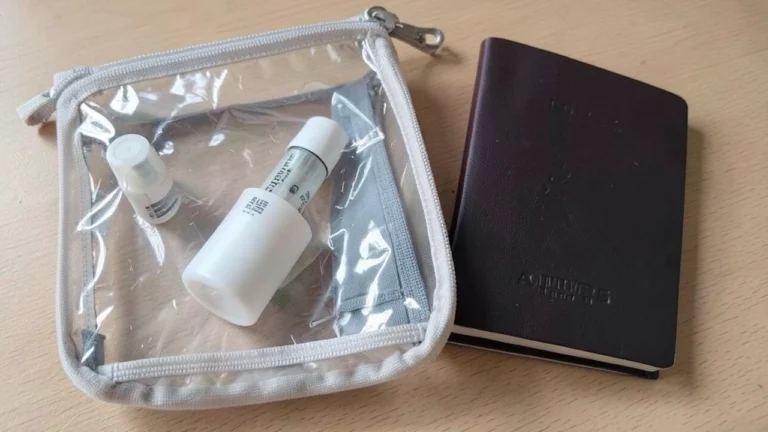
For anyone with asthma or COPD, an inhaler is not optional, and it needs to be within reach during a flight. If you are asking can you bring an inhaler on a plane, the answer is yes. TSA allows inhalers and related devices in carry-on and checked bags in the quantities you need.
Here is how screening works, what to do about spacers and nebulizers and how to prepare for the flight and for destinations abroad.
Quick Answer
Yes. Inhalers, spacers, peak flow meters and nebulizers are allowed in carry-on and checked luggage. Keep your inhaler in your carry-on so you can reach it in flight. Liquid medication such as nebulizer solution is exempt from the 3.4 oz rule if you declare it to the officer, and original pharmacy labels make screening easier.
Key Takeaways
- Inhalers are allowed in carry-on and checked bags.
- Always keep a rescue inhaler in your carry-on, not in checked luggage.
- Declare liquid medication at the start of screening.
- Original labels help at security and customs.
- Travel with a spare device and a doctor’s letter if the trip is long or international.
What TSA Says About Inhalers
Inhalers are treated as medically necessary items. You do not need to take them out of your bag unless an officer asks. If you want a visual inspection instead of X-ray, you can ask for it. You can bring more than 3.4 ounces of liquid medication, including nebulizer solution, if you tell the officer at the beginning of the screening, and it may be tested separately.
Respiratory Items Compared
| Item | Carry-on | Checked bag |
|---|---|---|
| Metered-dose inhaler | Allowed | Allowed, carry-on advised |
| Dry powder inhaler | Allowed | Allowed |
| Spacer or holding chamber | Allowed | Allowed |
| Nebulizer machine | Allowed | Allowed, padded |
| Nebulizer solution | Allowed above 3.4 oz if declared | Allowed |
| Peak flow meter | Allowed | Allowed |
| Portable oxygen concentrator | Allowed if FAA-approved | Check airline |
If you use an oxygen concentrator, contact the airline well before the flight, because only approved models are allowed in flight.
Tips for a Smooth Flight
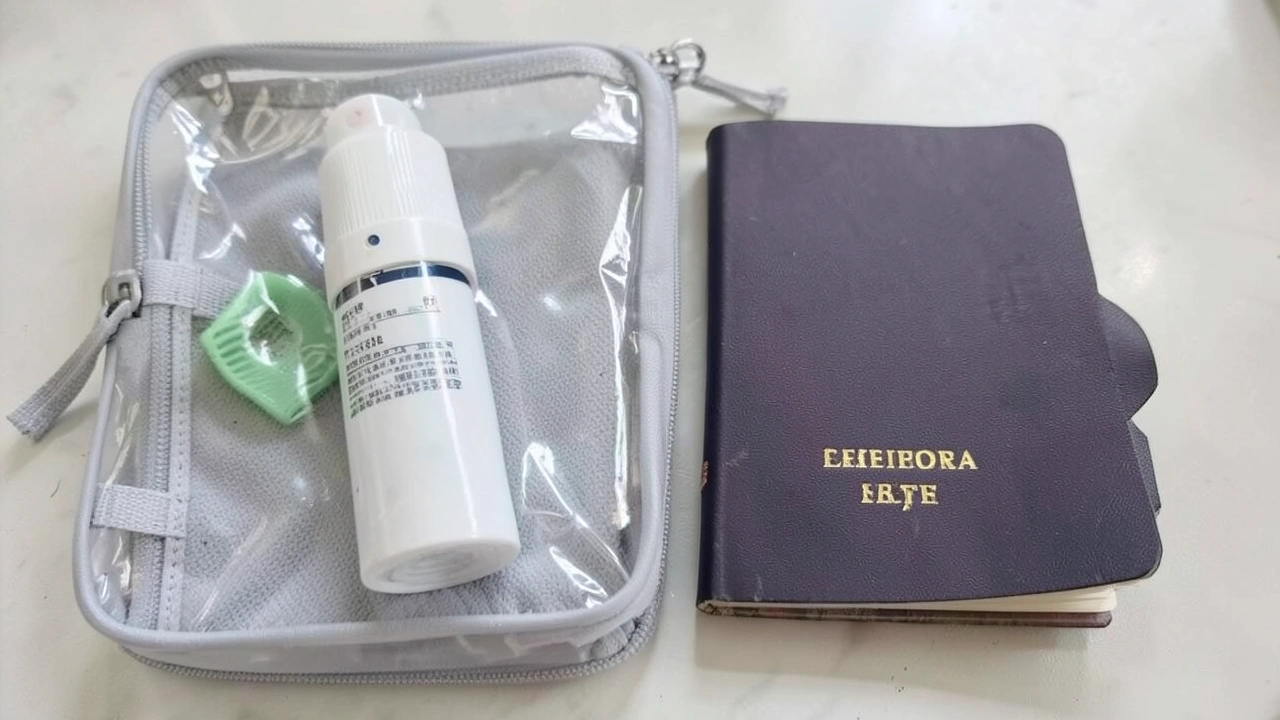
- Keep your rescue inhaler in a pocket or the seat pouch, not in an overhead bin.
- Carry a spare inhaler in case of loss or damage.
- Bring a letter from your doctor if you need devices such as a nebulizer.
- Pack extra tubing, masks and batteries for a nebulizer, with batteries in the carry-on.
- Avoid known triggers such as strong perfume on the plane, and have a plan for dry cabin air.
Traveling With an Inhaler Abroad
Most countries accept inhalers as personal medication, but a few regulate certain medicines. Carry the pharmacy label or a prescription, and check the destination’s rules for the active ingredient. For more on carrying medicine, see our guide to pills on a plane, and for other items that need special handling, see lithium batteries.
Frequently Asked Questions
Can you bring an inhaler in your carry-on?
Yes. It is the best place for it.
Can you bring a nebulizer on a plane?
Yes. Nebulizers and solution are allowed, and solution must be declared if it exceeds 3.4 oz.
Does an inhaler count as a liquid?
It is a medical item, and TSA allows it in medically necessary quantities.
Can you use an inhaler on a plane?
Yes. Use it as needed and tell the crew if you need help.
Do you need a prescription for an inhaler?
Not for TSA, but having one helps at customs and with airline staff.
Conclusion
So, can you bring an inhaler on a plane? Yes. Keep it in your carry-on, declare any liquid medication at screening, carry a spare and bring paperwork for international trips.
Keep Reading
- Can You Bring Pills on a Plane? Medication Rules for Flying: Medication rules
- Can You Bring Lithium Batteries on a Plane? FAA Rules: Batteries
- How Many Oz Can You Bring on a Plane? Liquid Limits: Liquid limits
- TSA Rules for Backpacks: Quick Guide & Helpful Tips: Carry-on basics
Sources
- TSA: Accepted identification at airport checkpoints
