
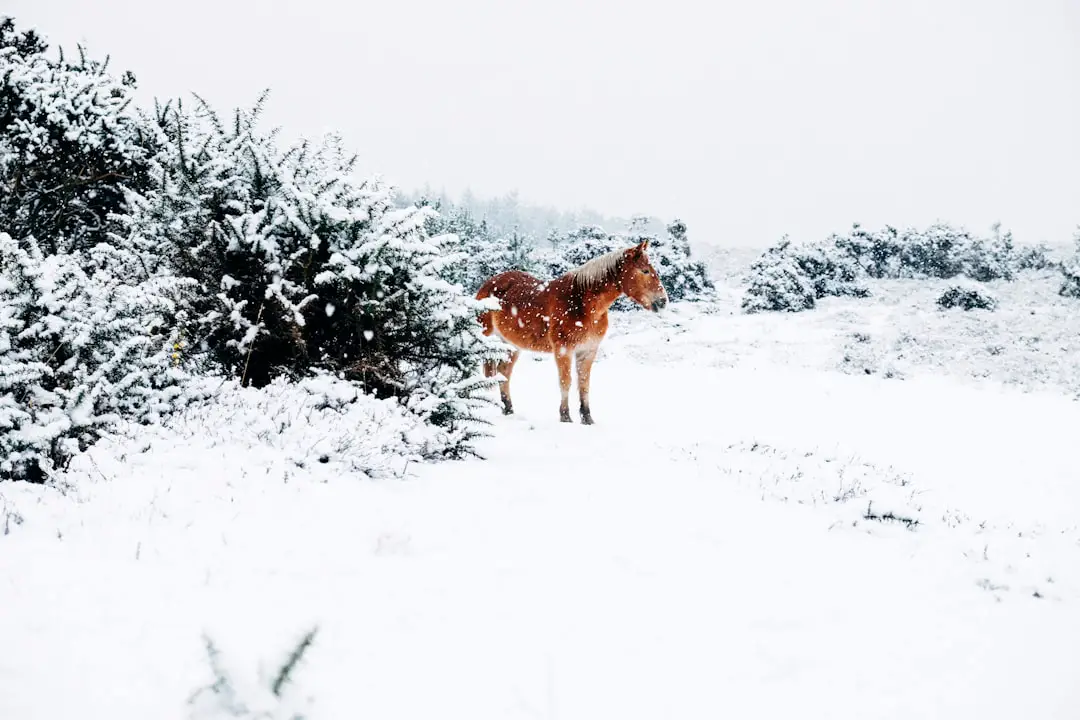
Last Updated on July 26, 2026 by Daniel Globe
Hiking boots can work well in snow, but the answer depends on the boots, the weather, and the trail. A waterproof summer boot may be enough for a short walk on shallow, packed snow. Deep powder, hard ice, severe cold, or technical mountain terrain usually calls for warmer footwear and extra traction.
Quick Answer
Yes, you can wear hiking boots in snow when they are waterproof, fit without squeezing your toes, and match the temperature and trail. Add gaiters for deeper snow and traction devices for packed snow or ice. For severe cold, deep powder, glaciers, or technical terrain, use purpose-built winter or mountaineering boots.
Key Takeaways
- Waterproof hiking boots are suitable for many short hikes on shallow or packed snow.
- Insulation matters more as temperatures fall, exposure lasts longer, or your pace becomes slower.
- Boot tread helps on snow, but hard ice often requires over-the-shoe traction devices.
- Gaiters help keep snow from entering around the boot collar.
- A secure fit is important, but boots and socks must not be so tight that they restrict circulation.
Disclosure: As an Amazon Associate I earn from qualifying purchases. Some links on this page are affiliate links, at no extra cost to you.
Can You Wear Hiking Boots in the Snow?
Yes. Hiking boots are often a practical choice for snow because they provide foot protection, a supportive platform, and tread for uneven ground. However, not every hiking boot is a winter boot. A lightweight, non-waterproof boot with a thin upper may leave your feet wet and cold, while a waterproof mid-cut boot may perform well on a maintained trail with only a few inches of snow.
The safest choice is based on the actual conditions rather than the word “hiking” on the label. The National Park Service winter hiking guidance recommends waterproof boots, gaiters, and over-the-shoe traction devices for snowy trips.
| Trail condition | Suitable footwear setup | Main concern |
|---|---|---|
| Light snow on a maintained trail | Waterproof hiking boots with wool or synthetic socks | Wet snow and hidden uneven ground |
| Packed snow or icy patches | Waterproof boots plus suitable traction devices | Slipping on hard snow or ice |
| Soft, deep snow | Insulated winter hiking boots, gaiters, and snowshoes | Sinking, snow entering the boots, and heat loss |
| Steep snow, glaciers, or technical alpine terrain | Compatible mountaineering boots and crampons, used with proper training | Falls, boot-crampon incompatibility, and technical hazards |
Warning: A rubber hiking sole is not a substitute for traction equipment on hard ice. Turn around when the trail is steeper, icier, colder, or more exposed than your equipment and skills can safely handle.
The Importance of Proper Footwear in Snowy Conditions
Snow changes the trail. It can hide rocks, roots, holes, stream edges, and trail markers. Packed snow may become slick, while fresh snow can slow your pace and increase fatigue. Waterproof footwear helps keep outside moisture away from your feet, and a stable sole helps you move across uneven ground.
Cold and moisture also raise the risk of cold injury. Boots are only one part of prevention, but dry socks, adequate insulation, proper circulation, and the ability to add traction can make a major difference. Footwear that is too tight can reduce circulation. Footwear that is too loose can allow heel movement, blisters, and poor control.
Do not rely on boots alone to prevent frostbite or hypothermia. Safe winter travel also requires suitable clothing, food, water, navigation, weather checks, emergency gear, and the judgment to turn around.
Features to Look for in Hiking Boots for Snow
Waterproof Construction
Look for a waterproof membrane or a properly treated leather upper if you expect snow, slush, or puddles. Waterproof footwear helps block outside moisture, but no membrane can stop water that enters over the collar. A gusseted tongue and well-fitted gaiters add protection in deeper snow.
Insulation That Matches the Trip
Insulation is useful in very cold weather, during slow-paced hikes, and on routes where you may stand still for long periods. Synthetic insulation such as insulated footwear materials can add warmth without the bulk of a heavy felt liner.
More insulation is not always better. A heavily insulated boot can make your feet sweat during high-output hiking. Moist socks can later feel cold when you stop. Treat manufacturer temperature ratings as rough guidance rather than a guarantee because warmth also depends on activity level, exposure time, circulation, fit, socks, wind, and moisture.
A Fit That Protects Circulation
The heel should feel secure, the midfoot should not slide, and the toes should have room to move. Your toes should not hit the front of the boot while walking downhill. Try the boots with the exact sock thickness you plan to wear. Do not automatically buy a larger size just because the boot is insulated.
Thicker socks may add warmth, but they can make a correctly sized boot too tight. The REI cold-weather hiking guide advises using wool or synthetic socks that fit well and avoiding a boot-and-sock combination that restricts circulation.
Outsole Grip and Traction Compatibility
Deep, widely spaced lugs can improve grip in soft snow and shed mud or slush better than a smooth outsole. Rubber compounds also behave differently in cold temperatures. Still, tread alone may provide limited security on polished ice.
For hard-packed snow and ice, carry traction devices that fit the boot securely. Lightweight ice cleats or microspike-style devices are common on nontechnical trails. Full mountaineering crampons are technical tools and must match the boot and terrain. Standard hiking or backpacking boots are not automatically crampon-compatible. Consult the boot and crampon manufacturers before combining them.
Boot Height, Gaiter Fit, and Protection
A mid- or high-cut boot can help block shallow snow and protect the ankle area from brush and buried debris. For deeper snow, gaiters are more reliable than shaft height alone because they seal the gap between your pants and boot collar.
Support Without Unnecessary Weight
Winter boots are often heavier and stiffer than warm-weather hiking shoes. That can improve protection and stability, but it can also increase fatigue. Choose enough structure for the terrain and your pack weight without buying a technical mountaineering boot for a simple, flat winter walk.
Pro Tip: Bring your traction device when trying on boots. Confirm that it sits flat, does not crush the upper, and cannot slip off the heel or toe.
Benefits of Wearing Hiking Boots in Snow
| Benefit | How it helps |
|---|---|
| Insulation | Reduces heat loss when the boot, sock, activity level, and weather are properly matched. |
| Water protection | Helps keep melting snow and slush away from socks. |
| Traction | Lugged soles improve grip in many snow conditions and provide a base for compatible traction devices. |
| Foot protection | Sturdy uppers and toe protection help guard against hidden rocks, roots, and trail debris. |
| Stable platform | A supportive midsole can improve control on uneven, snow-covered ground. |
The main advantage is not any single feature. It is the combination of moisture protection, warmth, fit, and traction. A balanced setup helps you move with more confidence and spend less time thinking about wet, cold, or slipping feet.
Potential Drawbacks of Wearing Hiking Boots in Snow
Winter-ready hiking boots can be heavier and less flexible than trail shoes. Extra weight may become tiring on long routes, especially if the boot is more technical than the terrain requires.
Waterproof boots are also usually less ventilated than highly breathable, non-waterproof footwear. During hard uphill travel, sweat can build inside the boot. This is why sock choice, pacing, and insulation level matter.
Stiff boots may need some break-in time, especially if they use thick leather. Many modern synthetic boots need much less. Test new footwear on short walks before a long winter hike, but do not assume painful pressure points will disappear with use.
Finally, no boot handles every winter surface. Deep snow may require snowshoes, packed snow may require traction devices, and technical slopes may require mountaineering equipment and training.
Tips for Choosing the Right Hiking Boots for Snow
Fit the Boots With Your Winter Socks
Try on boots later in the day, when feet may be slightly swollen. Wear the wool or synthetic socks you expect to use. Lace the boots firmly enough to secure the heel without creating pressure across the top of the foot. Walk up and down an incline if the store provides one.
- Your heel should not lift noticeably with each step.
- Your toes should be able to wiggle.
- Your toes should not strike the front on a downhill slope.
- You should not feel numbness, pinching, or a sharp pressure point.
Choose the Boot for the Hike
For short trips on plowed or packed trails near freezing, a waterproof hiking boot may be enough. For longer outings, lower temperatures, or deep snow, choose a warmer winter hiking boot with a taller collar and room for an appropriate sock. For steep snow, glaciers, or routes that require full crampons, use a mountaineering boot designed for that equipment.
Match Traction to the Surface
The National Park Service traction guidance recommends traction devices for hard-packed snow and ice, then switching to snowshoes in soft, deeper snow. Carry the equipment before you reach the difficult section, and practice putting it on while wearing gloves.
Use the Right Socks and Gaiters
Choose one well-fitting hiking sock made from wool or synthetic fibers. Carry a dry spare pair in a waterproof bag. Avoid cotton because it holds moisture and dries slowly. Add gaiters when snow is deep enough to reach the boot collar or when wind is blowing loose snow into your footwear.
Research and Allow Break-In Time
Read the manufacturer’s fit, insulation, waterproofing, and traction guidance. Check whether the boot is compatible with your chosen gaiters, snowshoes, or traction devices. Wear new boots around home and on short local walks before using them on a remote trail.
Note: A warmer rating does not fix a poor fit. Tight boots can reduce circulation, while oversized boots can cause heel movement and blisters.
How to Properly Care for Hiking Boots in Snowy Conditions
Snow, road salt, mud, and repeated wet-dry cycles can damage uppers, stitching, adhesives, and hardware. Clean and dry the boots after each wet trip.
- Remove loose dirt: Take out the laces and removable insoles. Shake out grit, then brush away mud and salt.
- Clean gently: Use lukewarm water and a soft brush or cloth. Follow the boot manufacturer’s instructions, especially for leather.
- Dry at moderate temperature: Air-dry the boots away from radiators, fireplaces, stoves, and other direct heat. A convection-style boot dryer may be used if the manufacturer allows it.
- Dry the inside: Leave the tongue open and dry removable insoles separately.
- Restore water repellency when needed: Apply a treatment approved for the upper material and membrane. Do not assume one wax, grease, or spray is suitable for every boot.
- Inspect before the next trip: Check the outsole, seams, eyelets, laces, and traction-device contact points for damage.
The GORE-TEX footwear care instructions recommend removing laces and insoles, cleaning with lukewarm water, drying naturally at moderate temperatures, and avoiding direct heat.
Alternatives to Hiking Boots for Snow
Hiking boots are not the only option, but each alternative has limits.
- Insulated winter boots: A good choice for severe cold, slower activity, and deep snow. Confirm that the sole and fit are suitable for walking longer distances.
- Waterproof trail runners: They may work for short, high-output outings on mild, packed routes. They provide less insulation, collar height, and protection than most winter boots.
- Mountaineering boots: Built for technical alpine travel and compatible crampon systems. They are usually too stiff, heavy, and expensive for ordinary winter walking.
- Snowshoes: These are not a replacement for boots. They attach over suitable winter footwear and add flotation in soft, deep snow.
Choose the least bulky footwear that still provides enough warmth, water protection, fit, and equipment compatibility for the route.
Precautions to Take When Wearing Hiking Boots in Snow
Check the forecast, wind chill, daylight, trail reports, closures, and avalanche information before leaving. Snow can hide the route, and a familiar summer trail may be difficult to recognize in winter. Tell someone where you are going and when you expect to return.
Carry the Ten Essentials, including navigation, insulation, illumination, first aid, fire, repair supplies, food, water, and emergency shelter. Bring extra dry socks and gloves in a waterproof bag. Do not depend on a phone as your only map or light.
Avoid walking on frozen lakes, streams, or snow bridges unless the route is managed and officially declared safe. In avalanche terrain, a forecast alone is not enough. Proper education, rescue equipment, route selection, and partner skills are required.
Use trekking poles when they improve balance, but remember that poles do not replace traction devices. Slow your pace on icy ground and take shorter steps.
Warning: Winter hiking can involve frostbite, hypothermia, falls, thin ice, whiteouts, and avalanche danger. This guide is general information, not a substitute for local advisories, professional instruction, or emergency medical care.
How to Stay Safe and Comfortable While Wearing Hiking Boots in Snow
Manage sweat before it becomes a problem. Adjust clothing layers early, slow your pace when necessary, and use socks that move moisture away from the skin. Keep a dry pair of socks protected inside your pack.
Check your feet when you stop in a sheltered place. Loosen laces if they cause pressure, clear snow from the collar, and change wet socks when you can do so without exposing your feet to blowing snow or extreme cold. Do not routinely remove boots in an exposed area just to let your feet “breathe.”
Drink and eat regularly. Cold weather can make thirst less noticeable, and low energy makes it harder to stay warm. Keep bottles inside your pack or use insulation so the cap does not freeze shut.
Pay attention to early warning signs. Numbness, unusually pale or waxy skin, confusion, fumbling hands, slurred speech, or unusual drowsiness require immediate action.
Cold, wet feet are not a normal discomfort to ignore. Stop, assess the cause, add protection, and turn back before numbness or loss of coordination develops.
The CDC frostbite guidance lists numbness, pale or waxy skin, and loss of feeling among warning signs. The CDC hypothermia guidance lists shivering, exhaustion, confusion, fumbling hands, memory loss, slurred speech, and drowsiness. Hypothermia is a medical emergency.
Conclusion and Final Thoughts on Wearing Hiking Boots in Snow
You can wear hiking boots in snow when the boots are waterproof, fit correctly, and provide enough warmth for the conditions. Their lugged soles and supportive construction are useful on many winter trails, but they do not make every snowy route safe.
Carry traction devices for hard-packed snow or ice, use gaiters and snowshoes for deeper snow, and choose compatible mountaineering equipment for technical terrain. Keep your socks dry, avoid overly tight footwear, check weather and trail conditions, and turn back when the route exceeds your gear or experience.
If your winter hiking trip also involves air travel, this guide to the best carry-on suitcase with a USB charger may help with the travel-planning side of the trip.
Frequently Asked Questions
What are hiking boots?
Hiking boots are outdoor footwear designed to protect the feet and provide traction and stability on uneven terrain. Designs range from flexible, lightweight hiking shoes to stiff backpacking and mountaineering boots.
Can I wear regular hiking boots in snow?
Yes, regular hiking boots can work in shallow snow on a maintained trail if they are waterproof, fit properly, and provide enough warmth. Add gaiters or traction devices when conditions require them.
Do hiking boots need insulation for snow?
Not always. Mild temperatures and active hiking may require little or no built-in insulation. Colder weather, longer exposure, slower movement, and frequent stops usually require a warmer boot.
Are there hiking boots made specifically for snow?
Yes. Winter hiking boots often combine waterproof construction, insulation, cold-weather outsoles, taller collars, and features that work with gaiters or snowshoes.
Do waterproof hiking boots still need gaiters?
They often do in deep or windblown snow. Waterproofing protects the upper, while gaiters help stop snow from entering over the boot collar.
Do I need microspikes or crampons with hiking boots?
Lightweight traction devices are commonly used on packed snow and nontechnical ice. Full crampons are intended for steeper or technical terrain and must be compatible with the boot. Do not attach technical crampons to ordinary hiking boots without confirming compatibility.
Should I size up for winter hiking boots?
Do not size up automatically. Fit the boot while wearing your planned winter sock. You need toe room and good circulation, but too much space can cause heel lift, poor control, and blisters.
How should I care for hiking boots after walking in snow?
Remove laces and insoles, brush off dirt and salt, clean with lukewarm water, and dry the boots naturally away from direct heat. Restore water repellency only with a product approved for the boot material.
Sources
- National Park Service: Winter Hiking Tips — waterproof footwear, gaiters, traction, route checks, and winter safety.
- National Park Service: Hiking With Traction Devices — traction for hard-packed snow and ice, plus snowshoes for deeper snow.
- REI Expert Advice: Cold-Weather Hiking Tips — socks, boot fit, gaiters, insulation, hydration, frostbite, and hypothermia.
- REI Expert Advice: Mountaineering Gear Essentials — mountaineering boots and crampon compatibility.
- CDC: Preventing Frostbite and CDC: Preventing Hypothermia — cold-injury signs and emergency guidance.
- GORE-TEX: Footwear Care Instructions — cleaning, natural drying, and water-repellent treatment guidance.

