
Last Updated on July 27, 2026 by Daniel Globe
Hiking shoes and running shoes can look similar, but they are built around different priorities. Hiking footwear usually emphasizes traction, underfoot protection, durability, and stability on uneven ground, while running footwear emphasizes a smooth stride, lower weight, flexibility, and cushioning. The best choice depends on whether you are running or walking, the terrain, the weather, the distance, and the load you are carrying.
Quick Answer
Yes, you can run in some hiking shoes for short, easy efforts, especially on rough trails, but they are usually heavier, stiffer, and less responsive than running shoes. For regular running, choose road or trail-running shoes that fit the terrain. Running shoes can also work for hiking when the trail and pack are appropriate.
Key Takeaways
- Hiking shoes favor traction, protection, and durability; running shoes favor lower weight, flexibility, and running comfort.
- Low-cut hiking shoes should not be confused with hiking boots: most do not wrap above the ankle or provide boot-like collar support.
- A hiking shoe may be acceptable for a short, easy trail run, but a trail-running shoe is usually the better crossover option for people who regularly both hike and run.
- Road-running shoes can handle pavement and some smooth, dry trails, while trail-running shoes offer more grip and protection for dirt, roots, rocks, and mud.
- Fit, terrain, pack weight, weather, and personal comfort matter more than the category name printed on the shoe box.
Hiking Shoes vs. Running Shoes: What Is the Difference?
Hiking shoes are built for walking over varied outdoor surfaces. Many models use durable uppers, protective toe areas, firmer midsoles, and lugged rubber outsoles that help the foot feel more stable on dirt, roots, loose gravel, and rock. They are commonly lower-cut than hiking boots, so they should not automatically be described as ankle-supporting footwear.
Running shoes are designed around repeated running strides. Road-running shoes are generally light and flexible, with cushioning intended to make repeated impacts comfortable on pavement, tracks, and treadmills. Trail-running shoes use the same running-focused approach but add features such as deeper lugs, more durable uppers, debris protection, and sometimes rock plates or reinforced toe areas.
This distinction matters because “running shoe” covers more than one type of footwear. A road shoe with a smooth outsole is very different from a rugged trail-running shoe with aggressive lugs. Likewise, a low-cut hiking shoe is different from a mid- or high-cut hiking boot.
Match the shoe to the surface and activity: a comfortable trail runner can be a better hiking choice than a heavy boot on an easy trail, while rugged terrain may justify more protection and structure.
The Importance of Proper Footwear for Different Activities
Proper footwear affects comfort, traction, and how confidently you move. Shoes that fit poorly can rub, pinch, or let the heel slide, which can contribute to hot spots, blisters, calluses, and foot pain. For hiking, adequate outsole tread is especially important on uneven ground. The National Park Service recommends sturdy shoes with enough tread for good traction on rocky trails.
For running, running-specific shoes are generally the better choice because they are designed for the motion and repeated loading of running. MedlinePlus describes running shoes as light, flexible, and supportive for forward strides. However, no shoe type can guarantee that you will avoid overuse injuries. Training load, previous injury, strength, running form, recovery, terrain, and shoe comfort can all matter.
Note: Do not assume a higher shoe collar automatically prevents ankle sprains. Research shows that high-top footwear can mechanically reduce ankle inversion in laboratory testing, but clinical evidence that high-top shoes alone prevent sprains has been mixed. People with recurrent ankle instability should get individualized advice rather than relying on footwear height alone.
Can Hiking Shoes Be Used for Running?
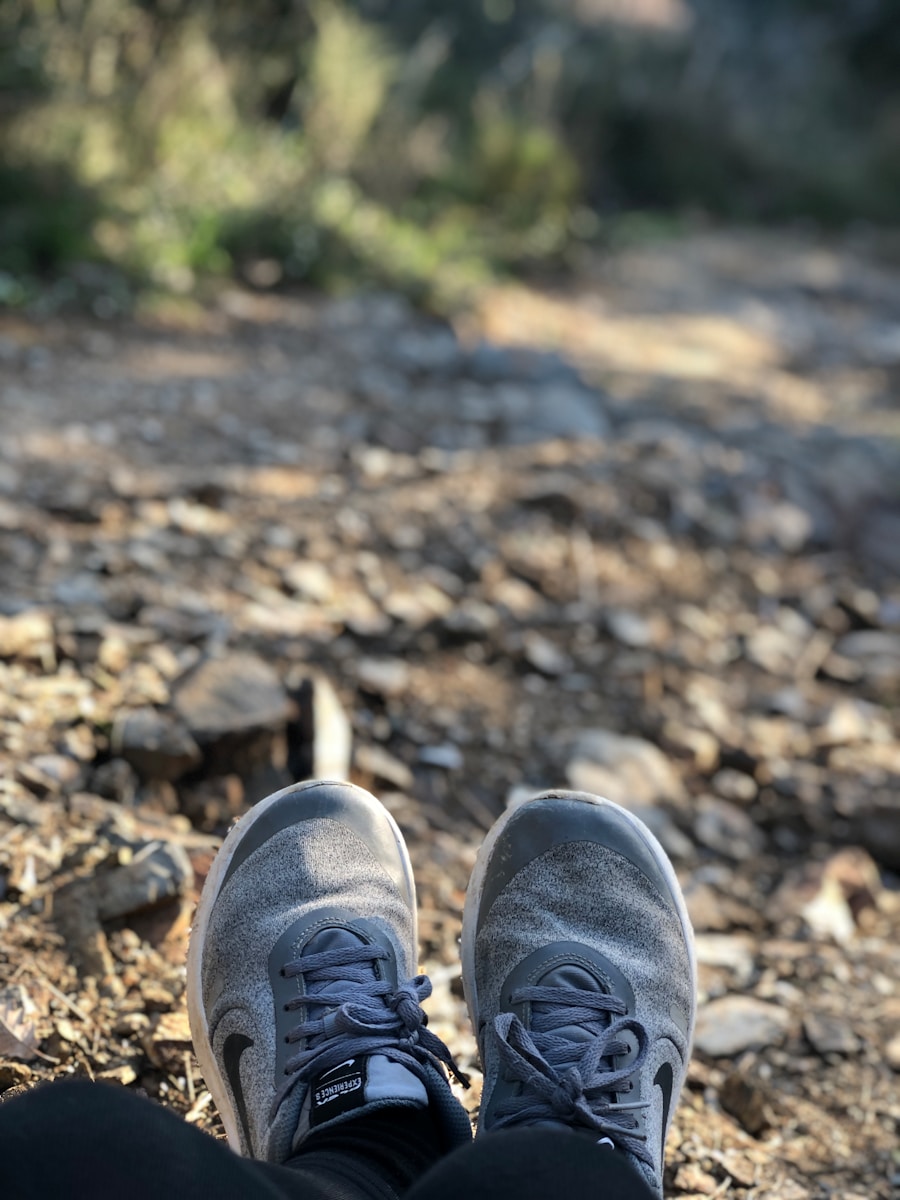
Hiking shoes can be used for some running, but they are usually a compromise rather than the ideal tool. Their sturdy construction can protect the foot from roots, loose stones, and trail debris, and their lugged outsoles may provide useful grip on rough ground. Those traits can make a light hiking shoe acceptable for a short trail jog when comfort is good.
The drawbacks become more noticeable as pace and distance increase. Many hiking shoes are heavier and less flexible than running shoes. A firm hiking midsole may feel less responsive during a running stride, while a broad or stiff outsole can make faster turnover feel awkward. Cushioning also varies widely by model, so it is inaccurate to assume that every hiking shoe has less cushioning than every running shoe.
When Hiking Shoes May Work for Running
- Short, easy jogs where speed is not a priority.
- Mixed hiking-and-jogging days when you want to carry only one pair.
- Rough or rocky trails where a particular hiking shoe fits well and gives you confidence.
- Situations where you already know the shoe is comfortable during faster walking and light jogging.
When Running Shoes Are the Better Choice
- Regular road running or treadmill running.
- Long runs, tempo runs, intervals, or races.
- Trail running where you need a lighter, more flexible shoe designed for running.
- Any run where hiking shoes cause rubbing, heel lift, numbness, pressure, or an unnatural-feeling stride.
Warning: Stop using a shoe for running if it causes persistent pain, numbness, significant rubbing, or instability. If symptoms continue after changing footwear or reducing activity, consider evaluation by a qualified health professional.
Can Running Shoes Be Used for Hiking?
| Feature | Road-Running Shoes | Trail-Running Shoes | Hiking Shoes |
| Weight | Usually light | Light to moderate | Usually heavier than running shoes |
| Traction | Flatter or smoother tread for roads | Lugs designed for trail surfaces | Often deeper, durable lugs for walking traction |
| Support / structure | Flexible running-focused structure | Flexible with added trail stability and protection | Typically firmer underfoot; low-cut models do not provide boot-like ankle support |
| Cushioning | Varies from minimal to very plush | Varies widely by model and terrain goal | Varies; often balanced with firmness and underfoot protection |
| Best use | Roads, tracks, treadmills, easy dry paths | Trail running and many light-to-moderate hikes | Day hiking and rougher walking terrain |
Running shoes can be used for hiking, but the type of running shoe matters. A road-running shoe can be perfectly reasonable for a paved nature path or a smooth, dry, well-maintained trail. Its low weight, flexibility, cushioning, and breathable upper can make easy hiking comfortable.
For dirt, roots, rocks, mud, or steeper terrain, trail-running shoes are usually a better crossover option. They are built to run but add trail-specific tread and protection. Some current trail-running models are also available with waterproof membranes, so it is no longer accurate to say that running shoes as a whole are unsuitable for wet or muddy conditions.
Road-running shoes are less ideal when the trail demands aggressive grip or underfoot protection. Smooth tread can slip more easily on loose or muddy ground, and lightweight road uppers may be more vulnerable to abrasion from rocks and brush. With a heavy pack or very rugged terrain, a more structured hiking shoe or boot may feel more secure.
The Benefits and Drawbacks of Using Hiking Shoes for Running
The main benefit of using hiking shoes for running is protection. Durable uppers, reinforced toes, and trail-oriented outsoles can help shield the foot from trail debris and give a stable platform on uneven surfaces. This can be useful on a mixed hike-and-jog outing where you value protection more than speed.
The trade-off is efficiency and feel. Hiking shoes tend to be heavier than running shoes, and their firmer construction may limit the smooth flex that many runners prefer. Deep lugs or a broad, stiff sole can also feel clumsy on pavement. Over longer distances, those differences may increase fatigue or simply make the run less comfortable.
That does not mean hiking shoes are inherently unsafe for running. The better question is whether a specific pair fits well, flexes comfortably for your stride, grips the surface, and remains comfortable at your intended distance and pace.
The Benefits and Drawbacks of Using Running Shoes for Hiking
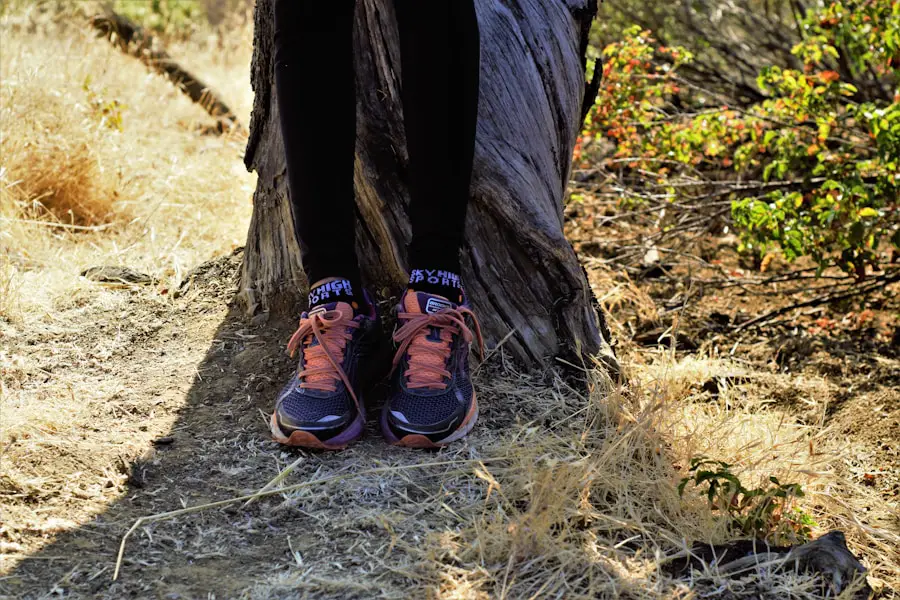
Running shoes can make easy hiking feel light and agile. Their flexibility can allow natural foot movement, while breathable uppers can help manage heat during warm-weather hikes. Trail-running shoes are especially versatile because they combine running comfort with trail-oriented traction and protection.
The drawbacks depend on the model. Road shoes may have less aggressive tread and less protection from sharp rocks, roots, and trail debris. Very soft or tall midsoles can also feel less stable to some people on sharply uneven ground. Lightweight uppers may wear faster if they are repeatedly scraped against rocks or brush.
Trail-running shoes solve many of these problems, but they still tend to offer less structure and long-term durability than burly hiking footwear. For casual hikes and many well-maintained trails, that trade-off can be worthwhile. For cold weather, rough off-trail travel, steep scree, or heavy backpacking loads, more protective hiking footwear may be the better match.
Road-Running Shoes vs. Trail-Running Shoes for Hiking
If you want one pair for both running and hiking, trail-running shoes are usually the most practical middle ground. They are designed for running, so they retain the flexibility and lower weight that make running comfortable, while adding tread patterns and upper protection intended for uneven outdoor surfaces.
Road-running shoes still have a place. They can work well for urban hikes, paved greenways, packed gravel, and smooth, dry trails. The farther you move toward mud, loose dirt, wet rock, roots, steep grades, or off-trail terrain, the more valuable a trail-specific outsole becomes.
Pro Tip: If you regularly alternate between hiking and running, start your search in the trail-running category rather than trying to make a heavy hiking shoe do double duty. Choose the lug depth, cushioning, and protection level for the roughest terrain you expect to use often.
How Terrain, Pack Weight, and Weather Change the Answer
Easy, Maintained Trails
On smooth, dry, well-maintained trails, road-running shoes, trail runners, or light hiking shoes can all work. Comfort and fit should guide the choice.
Rocky or Rooty Trails
Look for more underfoot protection, a secure heel, and an outsole that grips uneven surfaces. Trail-running shoes and hiking shoes are usually better suited than smooth-soled road shoes.
Mud, Loose Dirt, and Wet Ground
Deeper, well-spaced lugs can improve bite and shed mud more effectively. Waterproof membranes can help in cold, wet conditions, but they usually reduce ventilation and may take longer to dry once water gets inside.
Heavy Packs and Rugged Terrain
A firmer hiking shoe or boot may feel more stable when you carry a heavy backpack or spend hours on rough, steep terrain. The choice is personal, though: experienced hikers often use trail runners successfully with light loads, while others prefer more structure.
Pavement
For regular pavement running, road-running shoes are usually the most comfortable choice. Deep hiking or trail lugs can feel less smooth on hard surfaces, and pavement can accelerate wear on some trail-oriented rubber compounds.
Tips for Choosing the Right Footwear for Your Outdoor Activities
Start with the activity you do most often. If most of your miles are running miles, buy a running shoe first and choose a trail model if your routes include dirt and uneven ground. If most of your time is spent hiking, choose hiking footwear that matches your terrain and pack weight, then use a separate running shoe if you run regularly.
Prioritize Fit
Your heel should feel secure without excessive slipping, and your toes should have room to move. The American College of Sports Medicine recommends having your feet measured when buying running shoes and choosing based on your own fit and needs rather than assuming one shoe type works for everyone. Try on both shoes, because one foot may be slightly larger.
Test the Shoe the Way You Will Use It
Walk, jog, turn, and go up and down an incline if the store allows it. Wear the socks you plan to use outdoors. A shoe that rubs or pinches immediately is unlikely to become ideal after many miles.
Match Tread to the Surface
For rocky or loose terrain, choose tread with enough depth and spacing to grip the ground. For pavement, a smoother outsole generally gives a more natural transition. No tread pattern grips every surface equally well, especially wet rock, ice, or slick mud.
Choose Cushioning for Comfort, Not Promises
Some runners prefer a soft, highly cushioned shoe; others are comfortable in firmer or lower-profile footwear. Evidence does not support a simple rule that more cushioning automatically prevents running injuries. Comfort, fit, training habits, and previous injury history should all be considered.
Check Condition and Wear
Replace footwear when the outsole loses meaningful tread, the midsole feels noticeably compressed or uneven, the upper no longer holds the foot securely, or the shoe causes new discomfort. Mileage estimates are only rough guides because body weight, gait, terrain, materials, and use conditions all affect wear.
Finding the Best Shoes for Your Outdoor Adventures
Choosing between hiking shoes and running shoes is not an all-or-nothing decision. Hiking shoes provide a useful mix of traction, protection, and durability for walking on trails. Road-running shoes are optimized for running on smoother surfaces, while trail-running shoes bridge the gap for people who want to move quickly on dirt and also hike in the same footwear.
If you are deciding whether to run in hiking shoes, think about pace and distance first. A short, easy trail jog in a comfortable hiking shoe may be fine, but regular running is usually better in a shoe built for running. If you are deciding whether to hike in running shoes, consider the outsole and the trail: a road shoe is fine for easy paths, while a trail runner is more suitable for rougher ground.
Ultimately, the best shoe is one that fits your foot, matches the terrain, and stays comfortable for the full activity. Try several models rather than shopping by category name alone, and give more weight to secure fit, traction, and comfort than to marketing claims about “support” or injury prevention.
If you are planning longer outdoor days and also need power for a phone or navigation device, a solar charger may be another item to consider. It does not affect your footwear choice, but it can be useful for some backpacking trips. See this guide to the best solar charger for backpacking for more information.
Frequently Asked Questions
Can I use hiking shoes for running?
You can use some hiking shoes for short, easy runs if they fit well and feel comfortable, especially on rough trails. For regular or longer running, road- or trail-running shoes are usually lighter, more flexible, and better suited to a running stride.
What are the differences between hiking shoes and running shoes?
Hiking shoes usually emphasize durable uppers, trail traction, underfoot protection, and a firmer platform. Running shoes emphasize lower weight, flexibility, cushioning, and a smooth running stride. Trail-running shoes sit between the two, combining running-oriented construction with trail grip and protection.
Can I use running shoes for hiking?
Yes. Road-running shoes can work on paved, smooth, or dry maintained trails. Trail-running shoes are a stronger choice for uneven dirt, roots, rocks, and mud because they add trail-specific tread and protection. Rugged terrain or heavy loads may favor hiking shoes or boots.
What are the potential risks of using hiking shoes for running?
A heavy or stiff hiking shoe can feel less natural at running pace and may contribute to rubbing, fatigue, or discomfort if the fit and flex do not suit your stride. The main warning signs are pain, numbness, heel slip, blisters, or instability rather than the “hiking shoe” label itself.
Do hiking shoes provide ankle support?
Most hiking shoes are low-cut and do not wrap above the ankle like hiking boots. Mid- and high-cut boots may provide more mechanical support around the ankle, but footwear height alone should not be treated as a guarantee against ankle sprains.
Are trail-running shoes good for hiking?
Often, yes. Trail runners are popular for light-to-moderate hiking because they are light, flexible, breathable, and designed for uneven surfaces. They may offer less long-term durability, structure, warmth, or protection than heavier hiking footwear.
How do I choose the right shoes for hiking and running?
Choose for the surface and activity you do most. Prioritize secure heel fit, enough toe room, comfortable cushioning, and tread that matches the terrain. For one-pair versatility across running and hiking, a well-fitting trail-running shoe is often the best place to start.
Sources
- U.S. National Park Service — Hiking at Arches — supports the recommendation for sturdy footwear with adequate tread and traction on uneven hiking terrain.
- MedlinePlus — Exercise Clothing and Shoes — supports matching footwear to the activity and describes running shoes as light, flexible, and supportive for forward strides.
- American College of Sports Medicine — Selecting Running Shoes — supports individualized shoe selection and proper fit rather than a one-shoe-fits-all approach.
- Cochrane — Running shoes for preventing lower-limb running injuries in adults — supports cautious wording about injury-prevention claims for running-shoe categories.
- PubMed — High-Top Shoes Reduce Ankle Inversion Injury Risk — reports 2026 laboratory evidence that high-top shoes can reduce inversion angle and velocity.
- PubMed — Interventions for Preventing Ankle Ligament Injuries — supports the distinction between external ankle supports and the still-uncertain protective effect of high-top shoes alone.
