
Last Updated on July 27, 2026 by Daniel Globe
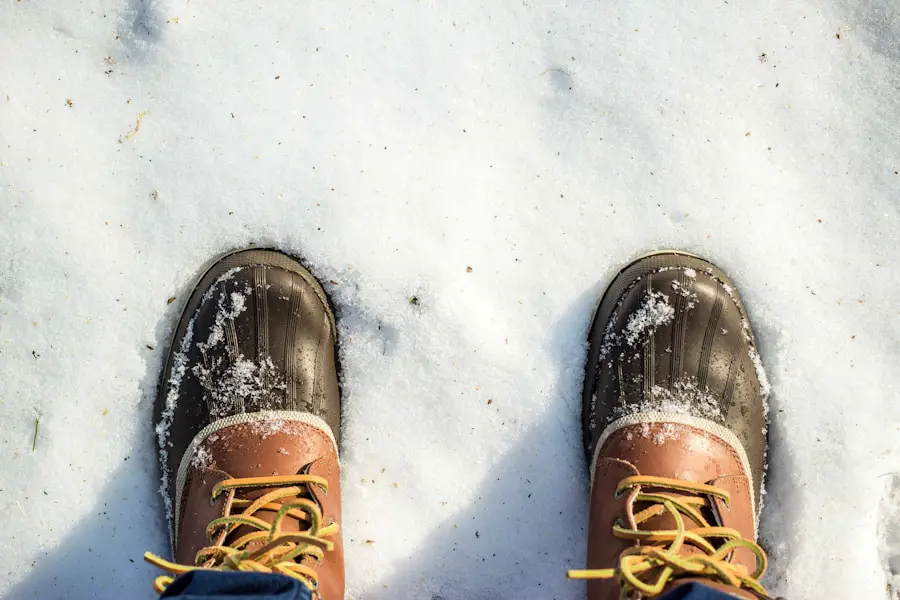
Hiking boots can work as winter boots, but only when their features match the weather and trail conditions. A waterproof hiking boot may be perfectly adequate for an active hike in light snow, while an uninsulated three-season boot can become uncomfortable in prolonged cold. Ice, deep snow, slush, and very low temperatures can also require equipment beyond the boot itself.
Quick Answer
Yes, some hiking boots can be used as winter boots if they are waterproof, warm enough for the conditions, properly fitted, and paired with suitable traction when needed. For prolonged cold, deep snow, or technical icy terrain, insulated winter hiking boots or mountaineering footwear are usually the better choice.
Key Takeaways
- Regular hiking boots can work in mild winter conditions, especially when they are waterproof and you stay active.
- Winter-specific hiking boots add insulation and are better suited to colder or longer outings.
- A good hiking outsole does not make a boot slip-proof on ice; hard-packed snow and ice may require over-the-shoe traction devices.
- Deep, soft snow may require snowshoes, while gaiters help prevent snow from entering around the boot cuff.
- Fit matters as much as insulation. Thick socks should not make the boot so tight that your toes cannot move comfortably.
Disclosure: As an Amazon Associate I earn from qualifying purchases. Some links on this page are affiliate links, at no extra cost to you.
Can Hiking Boots Work as Winter Boots?
Hiking boots can serve as winter boots when the conditions are within the limits of the boot. The main questions are whether the boot keeps water out, provides enough warmth, fits comfortably with winter socks, and works with the traction equipment required by the trail.
A waterproof but uninsulated hiking boot may be enough for a short, active outing in relatively mild temperatures. The same boot may be a poor choice for hours of standing in deep snow or for a long hike in severe cold.
| Winter condition | Can regular hiking boots work? | What else may be needed? |
| Cold, dry trail with little snow | Often, if the boots are warm enough for you | Warm wool or synthetic socks |
| Wet snow or slush | Yes, if genuinely waterproof | Gaiters can help keep snow out from above |
| Packed snow | Often | Traction devices when the surface becomes slick |
| Hard ice | Boots alone may be inadequate | Appropriate over-the-shoe traction; technical terrain may require mountaineering equipment |
| Deep, soft snow | Boots are still needed, but they do not provide flotation | Snowshoes plus waterproof boots and often gaiters |
| Prolonged or severe cold | Usually not if they are uninsulated | Insulated winter hiking or mountaineering boots matched to the activity |
Characteristics of Hiking Boots
Hiking boots are designed for uneven terrain, so several of their normal features are useful in winter. Durable leather or synthetic uppers protect the foot from trail debris, while reinforced toes can add protection from rocks and hidden obstacles.
Mid- and high-cut boots can also help keep debris and shallow snow away from the foot. Their supportive construction may feel more stable on rough ground than lightweight casual footwear.
Those features, however, do not automatically make a hiking boot a winter boot. A standard three-season hiking boot may have no insulation, and its rubber outsole may have been designed mainly for dirt, rock, and mud rather than frozen surfaces.
Note: Look at the specifications for your exact boot model. “Waterproof hiking boot” and “insulated winter hiking boot” describe different features and should not be treated as interchangeable terms.
Can Hiking Boots Provide Adequate Insulation?
Some hiking boots include synthetic insulation or warm linings, while many standard hiking boots have little or no dedicated insulation. For this reason, the word “hiking” on the label does not tell you how warm a boot will be.
Winter footwear manufacturers commonly offer different amounts of insulation for different conditions and activities. However, warmth is also affected by how active you are, how the boot is constructed, how much you perspire, your personal cold tolerance, the socks you wear, and how tightly the boot fits. KEEN, for example, notes that all of these factors influence real-world warmth.
A person moving steadily on a winter trail usually produces more body heat than someone standing still for long periods. That is one reason the same boot can feel comfortable on a hike but inadequate for activities such as ice fishing or extended stationary use.
Do not solve every warmth problem by adding more socks. If extra layers make the boot tight, they can compress the sock and leave little room for comfortable toe movement. Try winter footwear with the socks you actually plan to wear.
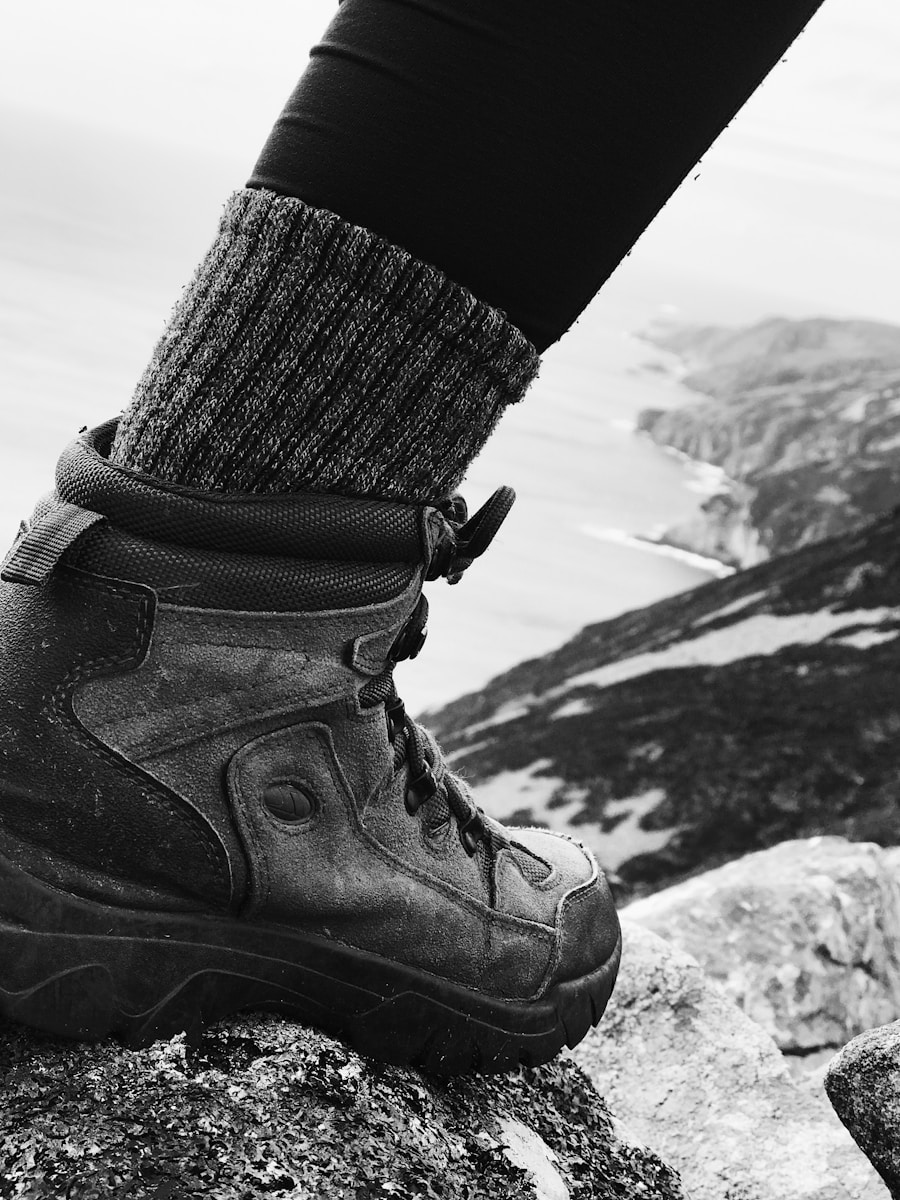
Pro Tip: When trying on boots for winter use, wear your normal winter hiking socks and confirm that your toes can still move comfortably. A thick sock is only useful if the boot still fits properly.
Traction and Stability in Winter Conditions
Snow and ice should not be treated as the same surface. Deep lugs can bite into loose or packed snow, while hard ice may require a specialized cold-weather rubber compound or a separate traction device.
Some winter footwear uses compounds engineered specifically for icy conditions. Vibram Arctic Grip, for example, is designed for wet-ice traction. Even so, no conventional outsole should be treated as slip-proof.
The National Park Service recommends traction devices for hard-packed snow and ice. For deeper, softer snow, it recommends switching to snowshoes because ordinary boot soles and traction spikes do not provide enough flotation.
Warning: Do not assume an aggressive hiking tread makes you safe on ice. Carry and use traction equipment appropriate for the route, and turn around when conditions exceed your experience or equipment.
When Traction Devices Make Sense
Light over-the-shoe traction devices can add grip on packed snow and icy trails. They should fit securely over your specific boots before you leave home.
Technical crampons are different equipment. They are intended for steeper or more technical snow and ice and may require boots with specific levels of stiffness and compatible attachment points. Do not assume an ordinary hiking boot is crampon-compatible merely because it has a rigid-looking sole.
When Snowshoes Make Sense
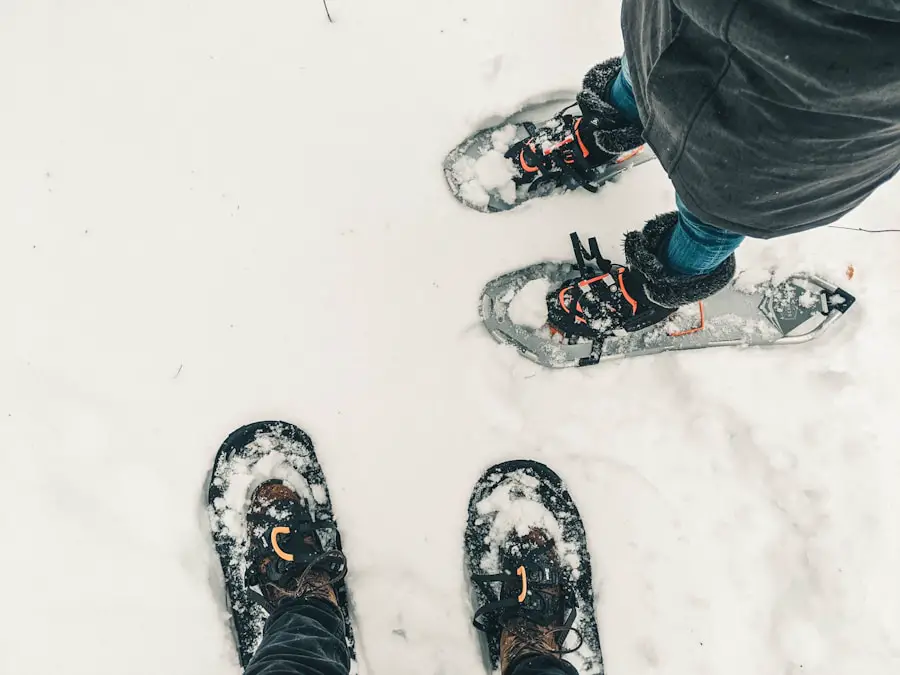
Snowshoes attach over winter footwear and spread your weight over a larger area. Their job is flotation rather than insulation. They are most useful when soft snow is deep enough that ordinary walking causes you to sink repeatedly.
Waterproofing and Protection from the Elements
Winter trails often combine snow, meltwater, slush, and mud. Keeping that moisture outside the boot helps preserve comfort and warmth.
Some hiking boots use waterproof-breathable membranes. GORE-TEX footwear, for example, is designed around a waterproof and breathable membrane. Other brands use proprietary waterproof constructions.
Waterproofing does not equal insulation. A waterproof boot may keep melting snow out while still providing little protection from cold temperatures. Likewise, a heavily insulated boot that allows water to enter from the cuff can become uncomfortable.
Boot height also matters in deeper snow. A taller cuff gives snow a higher barrier, while gaiters cover the upper part of the boot and lower leg to reduce the chance of snow entering from above. The National Park Service lists waterproof boots and gaiters among winter-hiking essentials.
Comfort and Support for Extended Winter Use
Customization for Optimal Fit
Many hiking boots use removable insoles, allowing worn insoles to be replaced or giving the wearer room to use a compatible supportive insole. Any replacement should preserve enough interior volume for the foot and winter sock.
The heel should feel secure without painful pressure, and the toes should have enough room to move without sliding excessively inside the boot.
Striking a Balance Between Weight and Comfort
More insulation, thicker materials, and taller uppers can add weight and bulk. Those features may be worthwhile in severe cold, but unnecessary insulation can also make an active hiker’s feet feel hot and damp.
Choose protection for the conditions you actually expect rather than automatically selecting the heaviest boot available.
Ensuring a Proper Fit
Try winter hiking footwear with the same socks you intend to use on the trail. Lace the boots securely, walk on an incline if possible, and make sure your heel is controlled without crushing the toes against the front.
Leave enough room for natural toe movement. If adding a heavy sock makes your normal hiking boot cramped, a roomier or winter-specific model may be the better solution.
Socks, Gaiters, and Other Winter Add-Ons
Your boot is only one part of a winter footwear system. The right accessories can extend its usefulness, but they cannot correct every limitation.
- Wool or synthetic socks: Choose a thickness that provides warmth without making the boot tight.
- Spare socks: A dry replacement can be valuable if your socks become wet from snow or perspiration.
- Gaiters: Useful for keeping snow and slush from entering around the top of the boot.
- Traction devices: Add grip on packed snow and ice when the trail requires it.
- Snowshoes: Provide flotation in deeper, softer snow.
- Trekking poles: Can provide additional balance on uneven or slippery winter trails.
The best setup depends on the route. A short walk on cleared snow is very different from an exposed mountain trail covered by hard ice.
Alternative Winter Footwear Options
Hiking boots are not the only option for cold-weather use. Different types of winter footwear solve different problems.
Insulated Winter Hiking Boots
These are the closest winter-specific alternative to ordinary hiking boots. They combine trail-oriented support with added insulation and, in many cases, waterproof construction and winter-focused outsoles.
They are a strong choice for people who hike regularly in snow and cold but do not need technical mountaineering footwear.
Pac and Heavy Insulated Winter Boots
Taller insulated boots can work well for very cold conditions, snow chores, casual winter use, or activities that involve more standing than hiking. Some are heavier and less precise on technical trails, so check how the model is intended to be used.
Mountaineering Boots
Mountaineering footwear is designed for more technical mountain environments and may offer greater stiffness, insulation, and compatibility with technical crampons. It is generally unnecessary for ordinary winter walking but can become important on steep snow and ice.
Snowshoes Are an Addition, Not a Replacement Boot
Snowshoes should normally be worn over suitable winter footwear. They help keep you from sinking deeply into soft snow but do not replace the need for warmth, waterproofing, and a secure boot fit.
Making the Decision for Your Winter Adventures
Before using your existing hiking boots in winter, inspect the exact pair rather than relying on the category name. Ask yourself:
- Are the boots waterproof enough for wet snow and slush?
- Do they have insulation, or are the expected temperatures mild enough for an uninsulated boot during active use?
- Can you wear appropriate winter socks without making the fit tight?
- Is the outsole designed for snow, and will you carry separate traction for ice?
- Are the boots high enough for the expected snow depth, or should you add gaiters?
- Do your traction devices or snowshoe bindings fit the boots securely?
- Will the trip involve long periods of standing or unusually cold conditions?
- Is the terrain technical enough to require mountaineering footwear or specialized crampons?
If your hiking boots pass those checks, they may work very well for moderate winter hiking. If they are uninsulated, leak easily, fit too tightly with winter socks, or cannot work safely with the required traction equipment, dedicated winter footwear is the better choice.
Warning: Cold feet should not simply be ignored. The CDC identifies numbness, unusually firm or waxy skin, and white or grayish-yellow skin as possible signs of frostbite. Get out of the cold and seek medical care if frostbite is suspected.
Winter conditions can also change during a single outing. Packed snow may turn into polished ice, and a shallow trail can lead into deeper drifts. The safest footwear system gives you enough warmth and waterproofing while allowing you to add the appropriate traction or flotation equipment when conditions change.
Frequently Asked Questions
Can hiking boots be used as winter boots?
Yes. Waterproof hiking boots can work well for some winter conditions, especially during active hiking in light or moderate cold. In colder weather, prolonged exposure, deep snow, or icy terrain, insulated winter hiking boots and additional winter equipment may be more appropriate.
What features should hiking boots have for winter use?
Look for reliable waterproofing, enough insulation for your activity and weather, a secure fit with winter socks, a winter-capable outsole, and compatibility with any traction devices or snowshoes you expect to use. A taller cuff or gaiters can also help keep snow out.
Are all hiking boots suitable for winter use?
No. Many three-season hiking boots are uninsulated, and some are not waterproof. Their outsoles may also be designed mainly for dirt, rock, and mud rather than icy winter surfaces.
Can hiking boots be used for snowshoeing?
Yes, provided the boots are warm, waterproof, comfortable, and fit securely in the snowshoe bindings. Gaiters are also useful because snow can otherwise enter around the boot cuff.
Do hiking boots need microspikes on ice?
Boot tread alone may not provide enough grip on hard-packed snow or ice. The National Park Service recommends carrying and using appropriate over-the-shoe traction devices when trails become icy. Use equipment that matches the terrain and fits your boots correctly.
Can thick socks turn regular hiking boots into winter boots?
Warm socks can extend the comfort range of a boot, but they cannot add waterproofing or winter traction. They also should not make the boot tight. If thick socks remove your toe room, a roomier or insulated winter boot may work better.
What are the limitations of using hiking boots as winter boots?
Regular hiking boots may lack insulation, sufficient cuff height, winter-specific traction, or compatibility with technical equipment. They can be excellent in mild winter conditions yet inadequate for extended cold exposure, deep snow, or steep icy terrain.
Sources
- U.S. National Park Service — Winter Hiking Tips — waterproof footwear, gaiters, traction devices, poles, and winter hiking preparation.
- U.S. National Park Service — Hiking with Traction Devices — traction devices for hard-packed snow and ice and snowshoes for deeper soft snow.
- Centers for Disease Control and Prevention — Preventing Frostbite — frostbite risks, warning signs, and response guidance.
- GORE-TEX — Footwear Technology — waterproof and breathable footwear membrane information.
- Vibram — Arctic Grip Technology — cold-weather outsole technology designed for wet-ice traction.
- KEEN — Winter Boot Insulation Guide — insulation, activity level, fit, socks, and other factors that affect warmth.

