Last Updated on July 27, 2026 by Daniel Globe
You do not need heavy hiking boots for every trip. The best footwear depends on where you are going, what the trail is like, how much weight you are carrying, the weather, and what fits your feet. A comfortable trail-running shoe may be ideal for an easy summer day hike, while a supportive backpacking boot makes more sense on rough terrain with a heavier pack.
Fit matters just as much as footwear category. Shoes that rub, pinch your toes, let your heel slide, or lack suitable traction can turn a good hike into a painful one. When your footwear fits well and matches the route, you can spend less time thinking about your feet and more time enjoying the trail.
Quick Answer
No. You do not need hiking boots for every hike. Trail-running shoes or hiking shoes can work well on maintained trails, especially with a light pack. Choose boots when you want more underfoot protection, stiffness, warmth, or coverage for rough terrain, heavier loads, cold or wet conditions, or snow and ice.
Key Takeaways
- Hiking boots are useful, but they are not mandatory for every trail.
- Choose footwear based on terrain, weather, trip length, pack weight, traction, protection, and fit.
- Trail runners and hiking shoes can be excellent choices for maintained trails and lighter loads.
- A higher boot collar can feel more supportive, but collar height alone should not be treated as a guarantee against ankle sprains.
- Whatever style you choose, make sure your toes have room, your heel stays secure, and the footwear works with your hiking socks.
Disclosure: As an Amazon Associate I earn from qualifying purchases. Some links on this page are affiliate links, at no extra cost to you.
Do You Need Hiking Boots for Hiking?
For many ordinary day hikes, the answer is no. The National Park Service recommends choosing footwear that matches the terrain: sturdy hiking footwear is appropriate for dirt and gravel trails, while simpler athletic shoes may be adequate on paved urban paths.
Modern hiking footwear also gives you more choices than traditional boots alone. Hiking shoes and trail-running shoes can provide trail-specific traction while weighing less and allowing more flexibility. Some hikers even use trail runners for long-distance backpacking when terrain, conditions, pack weight, and personal experience make that practical.
Boots become more attractive as the terrain gets rougher, the load gets heavier, or conditions get colder and wetter. Their stiffer construction can provide more underfoot protection from rocks, while higher uppers add coverage from mud, debris, shallow snow, and trail obstacles.
The best hiking footwear is not automatically the heaviest boot. It is the option that fits your foot and gives you enough traction, protection, stability, and weather performance for the route ahead.
Factors to Consider When Choosing Hiking Boots
Start with the hike rather than the footwear label. A boot that is perfect for a rocky backpacking trip may be unnecessarily heavy on a smooth three-mile nature trail.
Terrain
Rocky, root-covered, loose, or steep trails usually favor more protection underfoot and a stable platform. Look for a durable outsole, suitable tread, and enough midsole stiffness that sharp rocks do not constantly press through to your feet.
Smooth, maintained trails place fewer demands on footwear. A hiking shoe or trail runner with good traction may provide all the protection you need.
Trip Length and Pack Weight
A heavier backpack increases the forces your feet and legs must manage. For multiday trips or heavier loads, many hikers prefer a stiffer hiking or backpacking boot. For a light day pack, flexible hiking shoes or trail runners are often comfortable choices.
Weather and Water
Waterproof footwear can be useful in cold rain, mud, wet vegetation, slush, and shallow snow. It is not automatically the best choice every time water is present.
Waterproof membranes reduce ventilation compared with highly breathable mesh footwear, and once water enters over the cuff, waterproof shoes can take longer to dry. In hot weather, many hikers prefer breathable, quick-drying shoes instead.
Note: Think of waterproofing as a weather-management feature, not a requirement for hiking. Cold, wet conditions often favor waterproof footwear; hot conditions often favor breathability and fast drying.
Outsole and Traction
Do not judge traction only by how aggressive the sole looks. Lug depth, spacing, direction, rubber compound, and the surface you are hiking on all matter. Deep, widely spaced lugs can shed mud well, while different tread patterns may work better on rock or packed dirt.
Some hiking footwear also includes a heel brake for descents or a rock plate that reduces pressure from sharp stones. These features can be more important than whether the shoe reaches above your ankle.
Fit and Foot Shape
A hiking boot should feel secure without squeezing your foot. Width, arch shape, heel shape, instep height, and overall foot volume vary from person to person, so a highly rated boot can still be a poor choice for you.
If you use custom orthotics, bring them when trying on footwear. They can change the amount of space available inside a boot and may require a different size or model.
Benefits and Limits of Hiking Boots
Hiking boots offer several practical advantages over ordinary casual shoes. Their uppers are usually built to tolerate abrasion, their toe areas often provide additional protection, and their outsoles are designed for trail surfaces. Backpacking models also tend to use stiffer midsoles that distribute pressure over uneven ground.
These features can be valuable on rocky routes, off-trail travel, steep descents, muddy terrain, and trips where you carry a substantial pack. A higher collar can also keep out more debris and provide a more supported feeling around the ankle.
However, hiking boots are not automatically safer simply because they are tall. Research on shoe-collar height and ankle-sprain mechanics has found mixed results, with a review of the available evidence describing only weak support for high-top shoes limiting sprain mechanics during dynamic movement.
Warning: Do not rely on a high boot collar to make unstable terrain safe. Watch your footing, slow down on loose or slippery surfaces, and use route-appropriate traction equipment when snow or ice requires it.
Boots also have tradeoffs. They are generally heavier and less breathable than trail runners, and stiff models may require more break-in time. For easy trails, those disadvantages may outweigh the extra protection.
Exploring Different Types of Hiking Boots
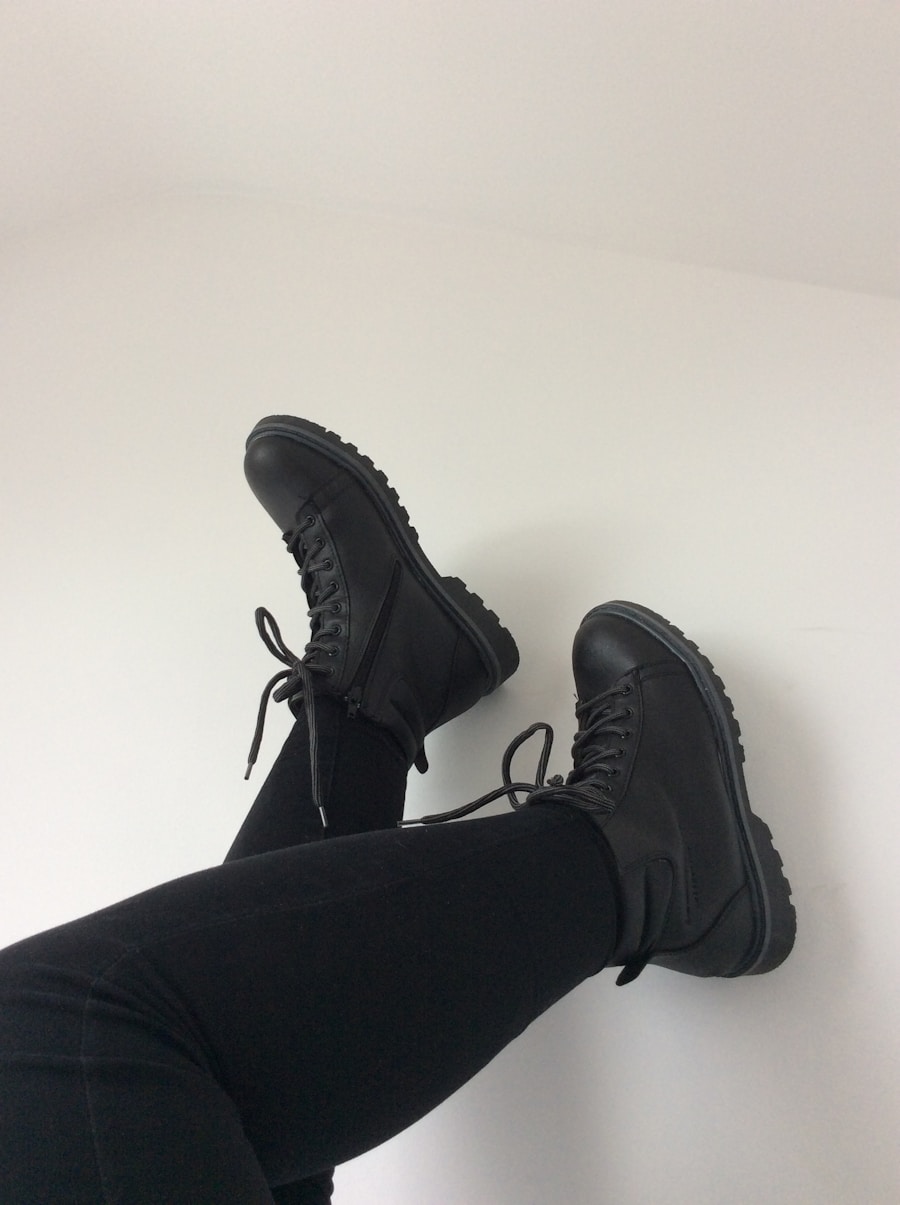
Hiking footwear covers a broad spectrum, from flexible trail-running shoes to rigid mountaineering boots. Current REI hiking-footwear guidance recommends matching the type to terrain, duration, load, conditions, and fit.
Day-Hiking Boots
Day-hiking boots are generally more flexible and lighter than backpacking boots. They suit day hikes and shorter trips where you want more coverage and structure than a low hiking shoe without the weight of a heavy-duty backpacking boot.
Backpacking Boots
Backpacking boots are designed for longer trips, rougher ground, and heavier loads. They commonly use stiffer midsoles and durable uppers. Many extend above the ankle and provide more protection from rocks, roots, mud, and trail debris.
Mountaineering Boots
Mountaineering boots are a specialized category for snow, ice, alpine climbing, and other demanding mountain environments. They are much stiffer than normal hiking footwear, and some models are designed to work with specific crampon systems.
If your trip involves technical snow or ice travel, choose boots and traction equipment for that specific activity rather than assuming an ordinary waterproof hiking boot will be enough.
Hiking Shoes
Low-cut hiking shoes combine trail-oriented outsoles and protective construction with less weight and greater flexibility than traditional boots. They are a strong choice for many day hikes and maintained trails.
Trail-Running Shoes
Trail runners emphasize low weight, flexibility, breathability, and quick movement. Depending on the model, they can still provide aggressive traction and rock protection. Many experienced hikers prefer them for light packs, warm conditions, and long days where low footwear weight matters.
Tips for Finding the Right Fit
Fit should be one of your highest priorities. A boot with excellent materials and traction is still the wrong boot if it causes pressure points or allows your foot to slide around.
Try footwear near the end of the day, when your feet may be slightly larger than they were in the morning. Wear the same type and thickness of socks you expect to use on the trail.
Boot Fit at a Glance
| Toe Room | Your toes should be able to wiggle and should not repeatedly strike the front on descents. |
| Heel Hold | Your heel should feel secure with minimal lifting or rubbing while you walk uphill. |
| Width and Volume | The boot should feel snug but not pinch the forefoot, instep, sides, or toes. |
| Socks | Try the footwear with the actual sock thickness and material you plan to hike in. |
| Incline Test | Walk uphill and downhill if possible. Check for heel slip going up and toe impact going down. |
REI’s current fitting guidance describes good hiking footwear as snug throughout but tight nowhere, with enough space to move your toes. A rough length check is to remove the insole, stand on it, and make sure there is adequate space beyond your longest toe.
Pay close attention to your heel. A small amount of movement can occur in some footwear, but repeated lifting and rubbing can create hot spots and blisters. If the heel moves even after proper lacing, another model may fit your foot shape better.
Also test the footwear on a decline. Your toes should not repeatedly jam into the front. That problem becomes much more painful after hours of descending.
Pro Tip: Do not buy uncomfortable boots with the expectation that the fit will completely change after break-in. Stiff materials can soften, but a boot that is too short, too narrow, or the wrong shape for your heel is unlikely to become the right size.
Choose the Right Hiking Socks
Socks influence both comfort and boot fit. Wool and synthetic hiking socks are popular because they manage moisture better than slow-drying cotton. Make sure the socks fit without bunching, and choose a thickness that does not make the boot too tight.
If your feet sweat heavily or your route includes water, carrying a dry spare pair can help reduce prolonged moisture and friction.
Break In Stiffer Boots Before a Long Trip
Many flexible hiking shoes and trail runners feel comfortable immediately, but stiffer backpacking and mountaineering boots may need gradual use before a major trip. Wear them on shorter walks and hikes first so you can identify pressure points, experiment with lacing, and confirm that the fit works over time.
Maintaining and Caring for Hiking Boots
Cleaning and drying your footwear correctly helps preserve its materials, traction, and performance. Always check the manufacturer’s instructions because leather, synthetic uppers, waterproof membranes, and adhesives can require different care.
Cleaning Your Boots
After muddy hikes, remove loose dirt from the outsole and upper with a soft brush or cloth. Take out the laces and removable insoles when appropriate so trapped dirt and moisture can escape.
For footwear using GORE-TEX technology, GORE-TEX footwear-care instructions recommend lukewarm water, a brush or cloth, and only a small amount of liquid detergent when needed. They advise against bleach and machine washing.
Caring for Leather Boots
Leather can dry, stiffen, or crack when it is neglected or exposed to excessive heat. Use cleaners, conditioners, or treatments approved by the boot manufacturer and suitable for that particular leather.
A product that works for full-grain leather may not be appropriate for nubuck, suede, or a boot that combines leather with a waterproof membrane, so avoid applying oils or heavy waxes unless the manufacturer recommends them.
Waterproofing and Storage
Waterproof boots often combine a waterproof membrane with an exterior water-repellent treatment. These are not the same thing. When water stops beading on the exterior, the durable water-repellent finish may need cleaning or renewal. A surface treatment cannot repair a torn or damaged waterproof membrane.
Dry wet footwear naturally at moderate temperatures and avoid direct high heat from heaters, campfires, or similar sources. Store clean, dry boots in a ventilated location away from prolonged heat and strong sunlight.
Know When Footwear Is Wearing Out
Inspect your footwear periodically rather than judging it only by age. Warning signs include:
- Outsole lugs that have worn smooth in high-contact areas.
- A midsole that feels unusually flat or no longer cushions as it once did.
- Cracks, tears, or separated seams in the upper.
- Outsole or midsole delamination.
- A heel counter that no longer holds your foot securely.
- Persistent leaking caused by physical damage rather than a wet exterior surface.
Minor damage may be repairable, but footwear that has lost its traction or structural integrity should not be trusted on demanding terrain.
Alternatives to Hiking Boots for Different Trail Conditions
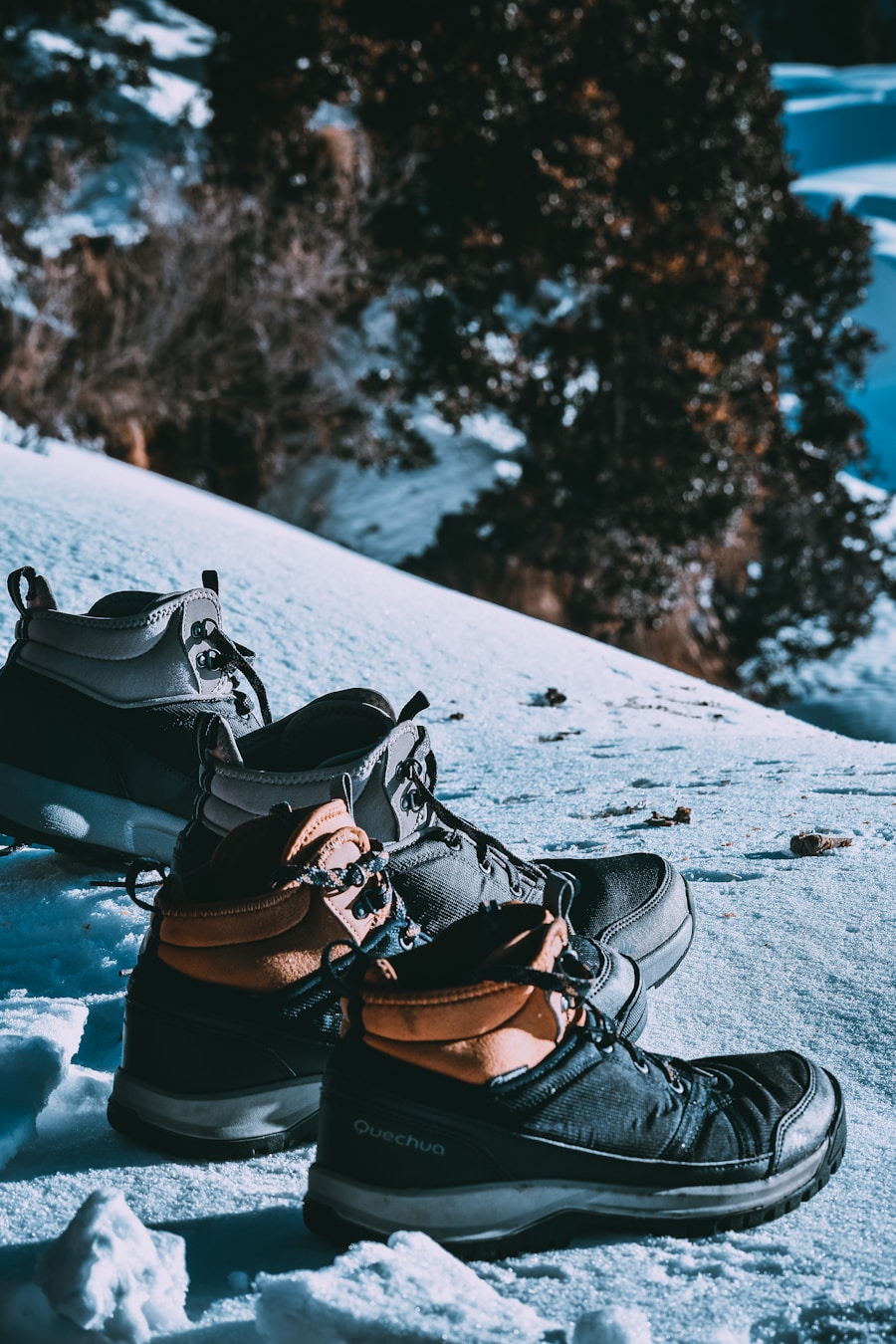
Hiking boots are only one option. For many hikers, lighter footwear offers a better balance of comfort, breathability, flexibility, and trail performance.
Trail-Running Shoes
Trail runners are designed for off-road movement and usually combine low weight with a lugged outsole. Rugged models can provide substantial traction and may include rock plates for underfoot protection.
They work particularly well for maintained trails, warm weather, faster hiking, lighter packs, and hikers who already feel stable in low-cut footwear. Their disadvantages can include less protection from trail debris, less structure under heavy loads, and faster wear than many backpacking boots.
Hiking Shoes
Hiking shoes sit between trail runners and traditional boots. They are normally low cut but often use more protective uppers and somewhat stiffer soles than running footwear. For many day hikers, this middle ground offers enough protection without unnecessary weight.
Hiking Sandals
Purpose-built hiking sandals can work in hot climates, around water, or on simple trails where open footwear is appropriate. Secure straps and a grippy outsole make them far more trail-friendly than casual flip-flops.
They still expose your toes and feet to rocks, sticks, insects, loose debris, and sun, so assess the specific trail before choosing them.
Regular Sneakers
Ordinary athletic shoes may be adequate for short, dry, paved, or very smooth routes. They become less suitable as the trail gets steeper, muddier, rockier, or more uneven—especially if their outsole has little trail-specific traction.
A purpose-built trail runner is different from a road-running shoe: trail models are designed around off-road grip and protection.
Making the Decision: Do You Really Need Hiking Boots?
The decision comes down to the demands of the route and what works for your feet rather than a rule that every hiker must wear boots.
Choose Hiking Boots When:
- You expect rough, rocky, loose, or highly uneven terrain.
- You are carrying a heavier backpack and prefer a stiffer platform.
- You want more coverage from mud, debris, shallow snow, or brush.
- You will be hiking in cold conditions where warmth matters.
- You prefer the feel of a structured boot and have already confirmed that it fits comfortably.
- Your route requires compatible footwear for specialized snow or ice traction.
Choose Hiking Shoes or Trail Runners When:
- You are hiking maintained or moderately technical trails.
- You have a light pack.
- You value low weight and flexibility.
- You hike in warm conditions and prioritize ventilation.
- You expect your footwear to get wet and prefer something that dries relatively quickly.
- You already have good experience and confidence in lighter footwear.
Note: People with recurrent ankle problems, persistent foot pain, loss of sensation, or prescribed orthotics may have needs that go beyond a general footwear guide. A podiatrist, physical therapist, or other qualified clinician can help with individual fit and support needs.
No matter which category you choose, check trail conditions before leaving. Footwear cannot compensate for unsafe snow, ice, flooding, extreme mud, or terrain beyond your experience level.
If you’re planning a hiking trip, footwear is only part of staying comfortable outdoors. Clothing should also allow easy movement and suit the weather; this existing guide to traveler pants covers another part of choosing practical travel clothing.
Frequently Asked Questions
What are hiking boots?
Hiking boots are outdoor footwear designed for trails and rough terrain. Compared with ordinary casual shoes, they commonly use more durable uppers, trail-oriented outsoles, protective toe areas, and stiffer midsoles. Backpacking and mountaineering boots generally provide more structure than lighter day-hiking footwear.
Do I need hiking boots for hiking?
Not for every hike. Hiking shoes or trail-running shoes can work well on maintained trails and with light packs. Boots become more useful when you need greater underfoot protection, a stiffer platform, more coverage, added warmth, or footwear suited to rough terrain and demanding weather.
What are the benefits of hiking boots?
Hiking boots can provide durable uppers, trail-specific traction, underfoot stiffness, protection from rocks and trail debris, and greater coverage around the ankle. Waterproof and insulated models can also be useful in cold or wet conditions.
Are hiking boots better than trail runners?
Neither is universally better. Boots generally favor protection, structure, durability, and cold or rough conditions. Trail runners favor low weight, flexibility, breathability, and faster movement. Choose according to the terrain, weather, load, and your own experience.
Do hiking boots prevent ankle sprains?
You should not assume that a high boot collar will prevent an ankle sprain. Taller and stiffer boots may feel more supportive and can alter ankle movement, but research has not established a reliable injury-prevention advantage from collar height alone. Fit, traction, terrain awareness, conditioning, and careful foot placement also matter.
Do hiking boots need to be waterproof?
No. Waterproof footwear is useful in many cold, wet, muddy, or snowy conditions, but it usually sacrifices some ventilation and can dry slowly if water enters from above. Breathable non-waterproof footwear can be more comfortable on hot or dry hikes and may dry faster after getting soaked.
Can I use regular sneakers for hiking?
Regular athletic shoes can be adequate for short paved paths and some very easy, dry trails. For rocks, loose soil, mud, steep grades, or other uneven terrain, hiking shoes or trail runners usually provide more appropriate tread and protection.
How do I choose the right hiking boots?
Match the footwear to your terrain, weather, trip length, and pack weight, then focus on fit. Your toes need room, your heel should stay secure, and there should be no painful pressure points. Try the boots with your hiking socks and test them on both an incline and decline before committing to a long hike.
Do hiking boots need to be broken in?
Some do. Flexible hiking shoes and trail runners may require little break-in, while stiff backpacking or mountaineering boots often benefit from several shorter walks or hikes before a major trip. Break-in can soften materials, but it cannot fix footwear that is fundamentally too short, too narrow, or the wrong shape.
Sources
- U.S. National Park Service — Hike Smart — trail safety and terrain-appropriate footwear guidance.
- REI — How to Choose Hiking Boots and Shoes — footwear types, terrain, components, traction, fit, socks, and break-in guidance; updated May 18, 2026.
- Journal of Orthopaedics, Trauma and Rehabilitation — Effects of Shoe Collar Height on Ankle Sprain Mechanics — evidence review on high-top footwear and ankle mechanics.
- GORE-TEX — Footwear Care Instructions — cleaning, drying, and DWR renewal guidance for waterproof footwear.
- Cleveland Clinic — Foot Support: What to Look for When Buying Shoes — shoe fit, toe-box space, support, and end-of-day fitting guidance.