

Last Updated on July 27, 2026 by Daniel Globe
Hiking can be an effective part of a weight-loss plan because it combines sustained walking with hills, uneven ground, and sometimes a loaded pack. It also offers a change of scenery that many people find easier to stick with than indoor cardio. The key is to treat hiking as one part of an overall plan—not as a shortcut that guarantees weight loss.
Quick Answer
Yes. Hiking can support weight loss because it increases energy expenditure and can help you meet weekly aerobic-activity targets. The effect depends on body size, pace, trail grade, duration, pack weight, and food intake. It works best as part of a sustainable calorie deficit, with strength training, recovery, and safe progression.
Key Takeaways
- Hiking helps with weight loss mainly by increasing the calories you use through physical activity.
- Calorie burn varies widely with body weight, pace, elevation gain, terrain, duration, and pack weight.
- Most adults should build toward at least 150 minutes of moderate aerobic activity per week plus muscle-strengthening activity on two days.
- Hiking is often lower-impact than running, but steep descents, uneven footing, heat, altitude, and overuse can still cause problems.
- Consistency, food intake, recovery, and gradual progression matter more than trying to make every hike as hard as possible.
How Hiking Burns Calories
Hiking increases energy expenditure because your muscles must keep your body moving for an extended period. Hills, soft ground, rocks, roots, changes in direction, and a backpack can make the same amount of time more demanding than an easy walk on level pavement.
The 2024 Adult Compendium of Physical Activities assigns about 5.3 METs to normal-paced hiking or walking through fields and hillsides and 6.0 METs to cross-country hiking. Steeper hill climbing can be considerably more demanding.
Using those MET values as rough estimates, one hour of normal-paced 5.3-MET hiking may use about:
- 315 calories for a 125-pound person
- 390 calories for a 155-pound person
- 470 calories for a 185-pound person
A 155-pound hiker doing cross-country hiking at about 6.0 METs may be closer to roughly 440 calories per hour, while steep sustained climbing can raise energy expenditure substantially. These are estimates, not guarantees. Fitness level, stops, temperature, trail conditions, elevation, and individual physiology all affect the actual result.
For a 155-pound person, normal-paced hiking may use roughly 390 calories per hour, while cross-country or steep uphill hiking can require considerably more energy.
Longer hikes can increase total energy use simply because you are active for more time. However, planning extremely long hikes or multi-day backpacking trips only to create a bigger calorie deficit is not necessary. Long outings also increase your need for food, water, recovery, and careful route planning.
Note: Fitness watches and calorie calculators can help you compare one hike with another, but treat their calorie numbers as estimates. Trail grade, pack weight, heart-rate measurement errors, and individual efficiency can make the true value different.
The Impact of Hiking on Metabolism
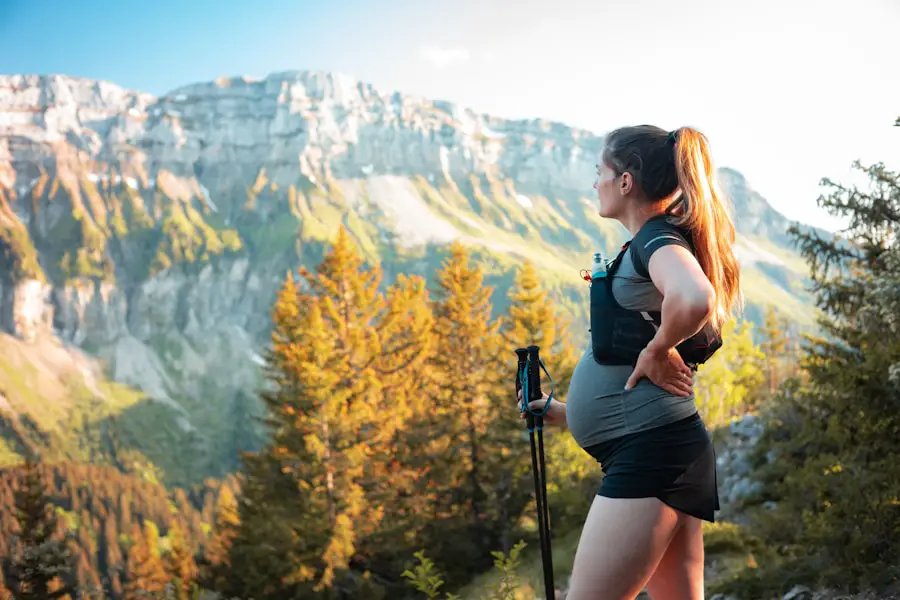
Most of hiking’s weight-management value comes from the energy used while you are moving. Regular hiking can also improve cardiovascular fitness and muscular endurance, especially in the legs and hips, but it should not be promoted as a guaranteed way to permanently “boost” your resting metabolism.
There is a real post-exercise effect called excess post-exercise oxygen consumption, or EPOC. Your body uses some additional energy after exercise while it returns toward its resting state. However, the effect depends strongly on exercise intensity and duration. A systematic review of EPOC research found larger effects after high-intensity exercise than after moderate continuous exercise.
For practical weight loss, the extra calories used after a hike are a relatively small bonus. Your regular activity level and overall food intake matter much more than trying to chase an “afterburn.”
Hiking as a Lower-Impact Exercise Option
At a Glance
| Calorie Use | Varies with body weight, pace, grade, terrain, duration, and pack weight. Normal hiking is commonly a moderate-to-vigorous activity. |
| Joint Impact | Often lower-impact than running, although steep descents and uneven terrain can still stress the knees, ankles, and feet. |
| Cardiovascular Benefit | A brisk or uphill hike can count toward weekly moderate- or vigorous-intensity aerobic activity. |
| Mental Well-Being | Outdoor nature-based activity may improve mood and reduce anxiety or negative affect for some people. |
| Muscles Used | Legs and glutes do most of the work, while the core helps with stability. Trekking poles and a pack can involve the upper body more. |
Hiking is often easier on the body than repeated running because both feet are not leaving and striking the ground in the same way they do during running. That does not make every trail gentle. Rocks, roots, steep descents, loose surfaces, and long mileage can challenge the knees, ankles, hips, and balance.
Trail choice therefore matters. A beginner may do well on a short, relatively flat route and gradually add distance or climbing. Someone recovering from an injury should follow guidance from a qualified health professional rather than assuming hiking is automatically safe.
Outdoor exercise may provide an additional psychological benefit. A systematic review and meta-analysis of nature-based outdoor activities found improvements in outcomes including depressive mood, anxiety, and positive affect, although results varied among studies. Enjoyment can also make an activity easier to repeat consistently.
Incorporating Hiking into a Weight Loss Plan
Weight loss occurs when energy expenditure exceeds energy intake over time. The CDC explains that physical activity increases the calories your body uses, while food intake remains an important part of creating and maintaining a calorie deficit.
Instead of aiming for a fixed number of hikes, use your total weekly activity as the guide. Current CDC recommendations for adults call for at least 150 minutes of moderate-intensity aerobic activity each week plus muscle-strengthening activity on at least two days. An equivalent amount of vigorous activity can also count.
A brisk hike can contribute toward that aerobic total. For some people, hiking twice per week plus brisk walking on other days may be practical. Others may prefer several shorter hikes. The best schedule is one that fits your fitness level, available trails, recovery, and daily routine.
Products Worth Considering

Sends accurate real-time heart rate and HRV data to compatible Garmin smartwatches and cycling computers, fitness equipment, and apps

Precise Heart Rate Monitoring:The chest strap delivers precise and reliable heart rate monitoring across various exercises, from treadmill workouts and cycling to outdoor runs. It ensures you stay in your target heart rate zone for maximum performance.
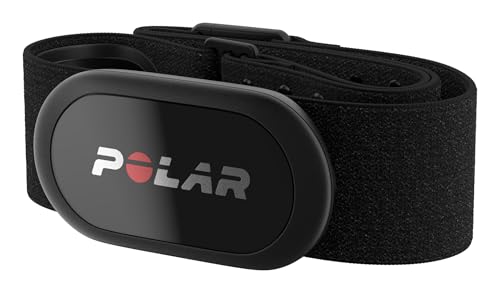
WORKS WITH EVERYTHING: Polar HRM works with ALL HRM compatible Equipment.
A Simple Beginner Progression
- Start with manageable terrain: Choose a route you can finish without extreme fatigue or pain.
- Build time first: Add a little hiking time or distance before chasing steep elevation gain.
- Add hills gradually: Once ordinary hikes feel comfortable, use moderate climbs to increase intensity.
- Keep easy days: Not every outing needs to be hard. Easier walks and rest help you recover.
- Strength train: Two weekly sessions that work the major muscle groups complement hiking and support overall fitness.
Pro Tip: Use the talk test instead of chasing a specific hiking speed. At moderate intensity, your breathing is faster but you can still carry on a conversation. If you are breathing too hard to speak more than a few words, you have moved into vigorous effort.
Tips for Maximizing Weight Loss While Hiking
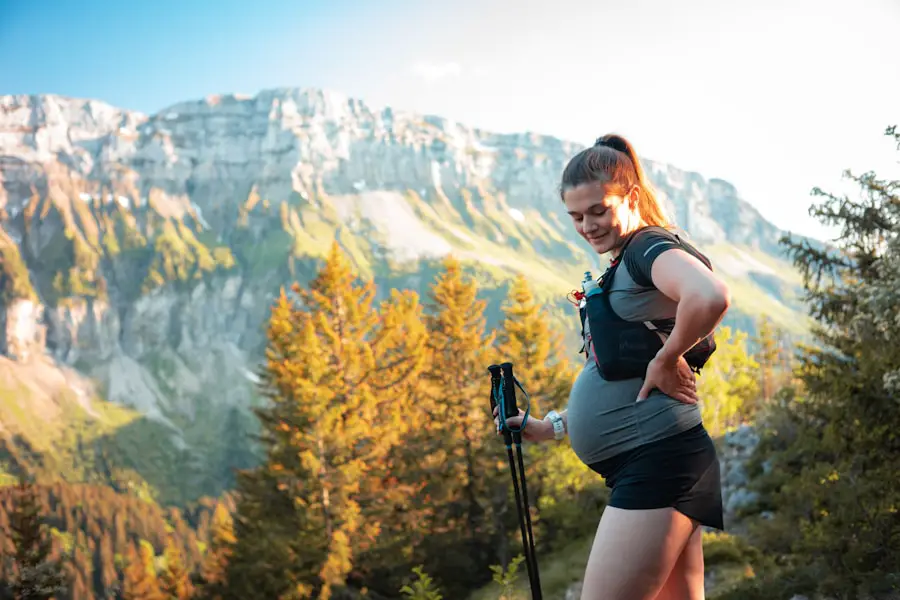
You do not need to sprint hills or turn every outing into an exhausting workout. For most people, the better approach is to increase the challenge gradually while protecting consistency.
Products Worth Considering
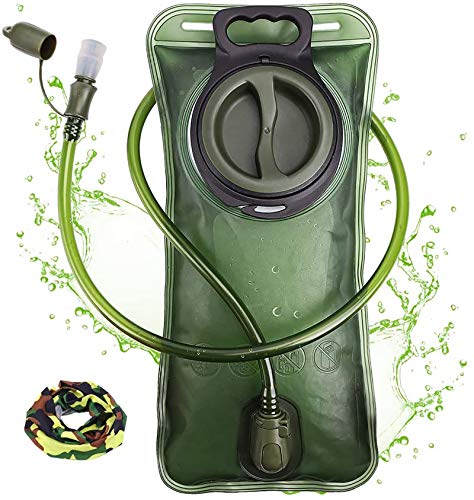
Large opening for easy cleaning: CHERAINTI 2l hydration bladder has one of large opening; and the big opening makes for easy pouring of water; It is also fairly wide for a hand or bottle brush easily access to the interior water bladder for hiking backpack; The screw on cap goes on and off easily; for cold water, simply add ice cubes directly from a scoop or refrigerator ice dispenser;the smooth inner of water reservoir promotes health and is easy to clean

PREMIUM QUALITY: All parts of the KUREIDA hydration bladder are made of premium material . KUREIDA water reservoir is taste free, BPA free. It won’t leave a bad taste in your drink. The water bladder passed pneumatic pressure test, it is pressure-tolerant. Double sealing side technique has greatly improved durability

Large opening for easy cleaning: CHERAINTI 2l hydration bladder has one of large opening, and the big opening makes for easy pouring of water; it is also fairly wide for a hand or bottle brush easily access to the interior water bladder for hiking backpack; the screw on cap goes on and off easily; for cold water, simply add ice cubes directly from a scoop or refrigerator ice dispenser; the smooth inner of water reservoir promotes health and is easy to clean
Use Hills to Increase Intensity
Uphill sections raise the energy cost of walking. Try maintaining a brisk but controlled pace on climbs and slowing as needed on descents. As your fitness improves, you can alternate harder uphill sections with easier recovery periods.
Increase Duration Gradually
Adding some time to a comfortable hike can increase total activity without requiring extreme intensity. A longer moderate hike may also be easier to recover from than repeated all-out hill intervals.
Be Careful With Weighted Packs
A heavier pack increases the work required to move, and loaded hill climbing carries higher MET values than unloaded walking. However, you do not need a weighted backpack to lose weight. Extra load can increase fatigue and stress on the feet, knees, hips, and back.
If you are training for backpacking, begin with the gear you actually need and build pack weight gradually. Do not add unnecessary weight solely to increase calorie burn.
Keep Food and Hydration Practical
Bring enough water and food for the length, temperature, and difficulty of your hike. Short outings may require little beyond normal meals and water, while long or strenuous hikes may require snacks to maintain energy and safe performance.
For weight management, look at food intake across the whole day and week instead of treating every calorie estimate from a hike as an exact amount that must be “eaten back.” At the same time, do not deliberately underfuel a demanding hike to make the calorie deficit larger.
Potential Challenges of Hiking for Weight Loss
Trail access is a real limitation for some people. If you live far from natural areas, steep neighborhood streets, stairs, park paths, or an incline treadmill can provide some of the same sustained walking and climbing demands. These alternatives can also help maintain fitness when weather makes outdoor hiking unsafe.
Weather is another major factor. Extreme heat, thunderstorms, ice, snow, wildfire conditions, or poor visibility can turn a routine workout into a safety problem. The National Park Service recommends matching the route to your abilities, checking weather and alerts, carrying essential equipment, planning for emergencies, and bringing appropriate water and food.
Warning: Do not increase mileage, elevation, speed, and pack weight all at once. Stop and seek appropriate help for severe chest pain, fainting, confusion, serious breathing difficulty, signs of heat illness, or an injury that prevents you from walking safely. People with chronic health conditions or injuries should discuss appropriate activity with a health professional when needed.
Motivation can also fade when a weight-loss plan depends on long drives or perfect weather. Keeping a backup activity—such as walking, stairs, cycling, or indoor incline walking—makes it easier to remain consistent.
Products Worth Considering

Quiet Dual Motor Bear 300 lbs Weight: THERUN treadmills for home features strong alloy steel frame and components to bear about 300 lbs, ready for for marathoners, sprinters, long distances runner and daily race trainer, 3.5 HP motors run the belt and power the incline easily, the noise may be ignored when running indoors

【0–5% Incline for Better Workouts】Customize your workout with a 0–5% incline that adds challenge to walking and jogging. Stay active at home—rain or shine—without the need for a gym.

Elevate Your Workout with 12% Auto Incline: Outdoor hiking intensity in your home office. This walking pad treadmill's 9-level auto-incline hits 12%, boosting fat burn vs. flat walking. Note: Calorie readings are estimates, not individualized inputs.
Combining Hiking with Other Weight Loss Strategies
Hiking is useful, but physical activity alone does not guarantee weight loss. The CDC notes that weight management depends on both regular activity and eating patterns. A sustainable approach is usually more effective than trying to create the largest possible deficit on every hike.
Build meals around foods that provide useful nutrition and help you stay satisfied, such as vegetables, fruit, whole grains, beans, dairy or alternatives, and appropriate protein sources. On demanding hiking days, make sure you also have enough carbohydrate, fluid, and other food to support the effort safely.
Strength training is a useful complement because hiking does not train every major muscle group equally. Exercises for the legs, hips, back, chest, shoulders, arms, and core can improve overall strength while your hikes provide much of the aerobic work.
Hiking vs. Walking and Running for Weight Loss
Ordinary walking, hiking, and running can all support weight loss when they help create a sustainable calorie deficit. Hiking often uses more energy than easy level walking because of hills and uneven terrain. Running generally uses more energy per minute, but many people can hike comfortably for longer.
The best choice is not necessarily the activity with the highest calorie number. An activity you enjoy, can perform safely, and can repeat week after week is more useful than a harder workout you quickly abandon.
In summary, hiking can be an effective and enjoyable way to increase physical activity, improve fitness, and support weight management. Its biggest advantage is not a magical metabolism boost—it is the combination of meaningful energy expenditure, adjustable intensity, time outdoors, and the potential to become an activity you genuinely want to keep doing.
Comfortable gear can also make regular outings easier. TakeTravelInfo covers travel and outdoor gear, including traveler pants and a scarf with a hidden pocket for travel. For hiking itself, prioritize supportive footwear, weather-appropriate clothing, water, navigation, sun protection, and the other essentials appropriate for your route rather than relying on specialty clothing to improve weight-loss results.
Frequently Asked Questions
What is hiking?
Hiking is walking outdoors on trails, paths, or natural terrain. It ranges from short, relatively flat walks to steep mountain routes and multi-day backpacking trips, so the physical demand varies widely.
How can hiking help with weight loss?
Hiking increases the calories your body uses through physical activity. When that activity is combined with eating habits that create a sustainable calorie deficit over time, it can contribute to weight loss. It can also improve cardiovascular fitness and muscular endurance.
How many calories can you burn while hiking?
There is no single number. Using standard MET estimates, normal-paced hiking may use roughly 315 calories per hour at 125 pounds, 390 at 155 pounds, and 470 at 185 pounds. Cross-country hiking, steep climbs, faster speeds, and heavier loads can raise the estimate, while slow or stop-and-go hiking can lower it.
What are the benefits of hiking for weight loss?
Hiking provides aerobic activity, increases energy expenditure, challenges the legs and core, and can be adjusted by changing distance, pace, and elevation. Time outdoors may also improve mood for some people, which can make an active routine more enjoyable and sustainable.
Is hiking suitable for all fitness levels?
Hiking can be adapted to many fitness levels, but not every trail is appropriate for every person. Beginners should start with manageable distance and terrain. Medical conditions, injuries, altitude, heat, trail surfaces, and other hazards can change what is safe.
How often should you hike to see weight loss results?
There is no universal number of hikes that guarantees weight loss. Adults should generally work toward at least 150 minutes of moderate-intensity aerobic activity per week plus two days of muscle strengthening. Hiking can make up some or most of the aerobic activity, depending on its intensity and duration.
Is hiking better than walking for weight loss?
Hiking often uses more energy per minute than an easy level walk because hills and uneven surfaces require more work. However, brisk walking can also be effective. Consistency and total weekly activity matter more than whether every workout takes place on a trail.
Should you hike with a weighted backpack to lose more weight?
A heavier pack increases the physical demand, but it is not necessary for weight loss and may increase fatigue or musculoskeletal stress. Loaded hiking is better used progressively when you need to train for carrying actual hiking or backpacking gear.
Are there precautions to take while hiking for weight loss?
Yes. Choose a trail that fits your ability, check weather and trail conditions, wear suitable footwear and clothing, carry water and food, bring appropriate navigation and emergency essentials, and increase distance and elevation gradually. Do not let a calorie goal push you into unsafe weather, terrain, dehydration, or exhaustion.
Sources
- CDC — Physical Activity and Your Weight and Health — explains calorie expenditure, calorie deficit, weight management, and activity intensity.
- CDC — Adding Physical Activity as an Adult — current weekly aerobic and muscle-strengthening recommendations and medical considerations.
- 2024 Adult Compendium of Physical Activities — Walking and Hiking — MET values for hiking, hills, backpacking, and loaded walking.
- National Park Service — Hike Smart — trail selection, planning, weather, water, food, equipment, and hiking-safety guidance.
- Coventry et al. — Nature-Based Outdoor Activities for Mental and Physical Health — systematic review and meta-analysis of nature-based outdoor activity and mental-health outcomes.
- Panissa et al. — Excess Post-Exercise Oxygen Consumption Systematic Review — evidence on the magnitude and duration of EPOC at different exercise intensities.
