
Last Updated on July 31, 2026 by Daniel Globe
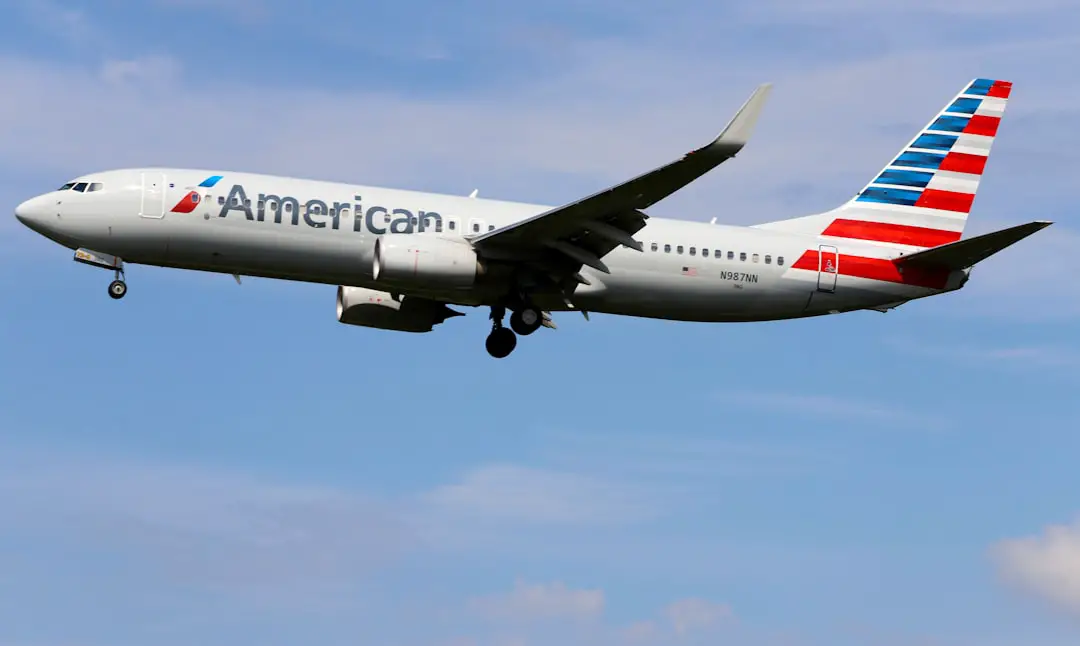
Boeing aircraft are used by hundreds of passenger and cargo airlines worldwide, from all-Boeing operators such as Southwest Airlines and Ryanair to mixed-fleet carriers such as American Airlines, United Airlines, Emirates, Qatar Airways, Lufthansa, Japan Airlines, and Singapore Airlines. The exact aircraft on a route can change, so travelers should confirm the plane type in the airline app before departure.
Quick Answer
Major airlines that use Boeing planes include American, United, Delta, Southwest, Alaska, Air Canada, Ryanair, Lufthansa, British Airways, Emirates, Qatar Airways, Japan Airlines, Singapore Airlines, Qantas, Copa Airlines, and Ethiopian Airlines. Common models include the 737, 777, and 787, while some carriers still fly older 747, 757, and 767 aircraft.
Key Takeaways
- Boeing aircraft are flown by full-service, low-cost, regional, charter, and cargo airlines around the world.
- The 737 family is widely used for short- and medium-haul routes, while the 777 and 787 are common on long-haul flights.
- Southwest operates an all-737 fleet, while airlines such as American, United, Lufthansa, and Qatar Airways use a mix of Boeing and Airbus aircraft.
- The aircraft listed during booking is not guaranteed because airlines can make last-minute equipment changes.
- Safety depends on the certified aircraft design, regulatory oversight, airline maintenance, crew training, and day-to-day operating procedures—not the manufacturer name alone.
Disclosure: As an Amazon Associate I earn from qualifying purchases. Some links on this page are affiliate links, at no extra cost to you.
Which Airlines Use Boeing Planes?
The following table gives representative examples of major airlines that currently operate Boeing passenger aircraft. It is not a complete list, and fleets change as airlines retire older jets, accept new deliveries, lease aircraft, or adjust their route networks.
Note: A model that appears in an airline’s fleet may not serve every destination. Airlines can also substitute a different aircraft before departure for operational reasons.
| Region | Airline | Common Boeing passenger types |
| United States and Canada | American Airlines | 737-800, 737 MAX 8, 777-200ER, 777-300ER, 787-8, 787-9 |
| United Airlines | 737 family, 757, 767, 777, 787 | |
| Delta Air Lines | 717, 737-800, 737-900ER, 757, 767 | |
| Southwest Airlines | 737-700, 737-800, 737 MAX 8 | |
| Alaska Airlines | 737-800, 737-900ER, 737 MAX 8, 737 MAX 9 | |
| Air Canada | 737 MAX 8, 777-200LR, 777-300ER, 787-8, 787-9 | |
| WestJet | 737-700, 737-800, 737 MAX 8, 787-9 | |
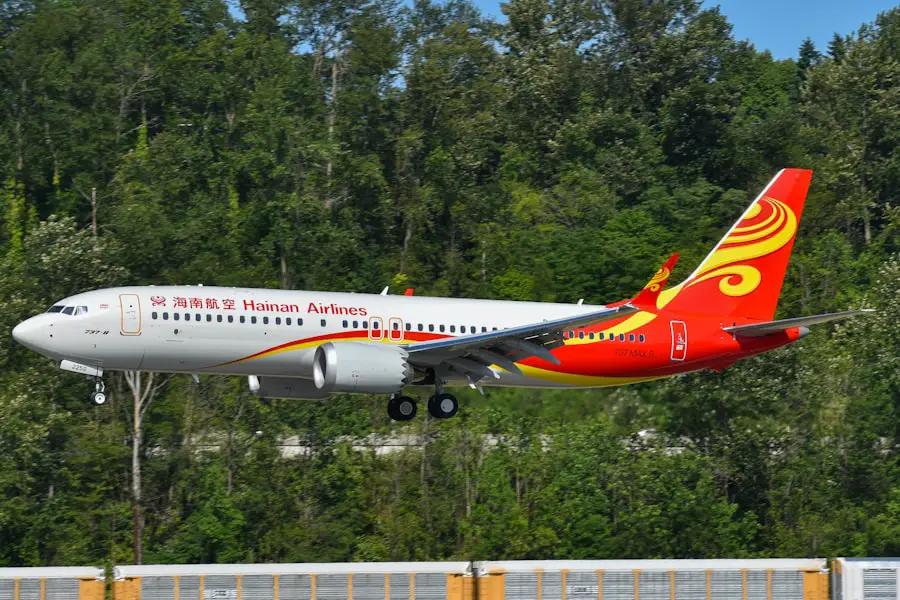
| Europe | Ryanair Group | 737-800, 737-8200; 737-10 ordered but not yet in service |
| Lufthansa | 747-400, 747-8, 787-9; 777-9 ordered but not yet in service | |
| British Airways | 777-200ER, 777-300ER, 787-8, 787-9, 787-10 | |
| KLM | 737-800, 737-900, 777-200ER, 777-300ER, 787-9, 787-10 | |
| TUI Airways | 737-800, 737 MAX 8, 787-8, 787-9 | |
| Middle East | Emirates | 777-200LR, 777-300ER; 777X and 787 aircraft are on order |
| Qatar Airways | 777-200LR, 777-300ER, 787-8, 787-9; 777X ordered but not yet in service | |
| EL AL | 737-800, 737-900ER, 777-200ER, 787-8, 787-9 | |
| Asia-Pacific | Japan Airlines | 737-800, 767-300ER, 777-300ER, 787-8, 787-9; 737-8 aircraft are ordered for the fleet transition |
| All Nippon Airways | 737, 767, 777, 787-8, 787-9, 787-10 | |
| Korean Air | 737 family, 747-8, 777, 787-9, 787-10 | |
| Singapore Airlines | 737-8, 777-300ER, 787-10; 777-9 ordered but not yet in service | |
| Qantas | 737-800, 787-9 | |
| Air New Zealand | 777-300ER, 787-9 | |
| Latin America | Copa Airlines | 737-700, 737-800, 737 MAX 8, 737 MAX 9 |
| Aeromexico | 737 family, 787-8, 787-9 | |
| GOL | 737-700, 737-800, 737 MAX 8 | |
| LATAM Airlines Group | 767-300ER, 777-300ER, 787-8, 787-9 | |
| Africa | Ethiopian Airlines | 737-800, 737 MAX 8, 777, 787-8, 787-9 |
| Kenya Airways | 737-800, 787-8 | |
| Royal Air Maroc | 737-800, 737 MAX 8, 787-8, 787-9 | |
| EgyptAir | 737-800, 777-300ER, 787-9 |
Major U.S. Airlines Using Boeing Aircraft
American Airlines and United Airlines operate several Boeing families across domestic and international routes. Delta Air Lines uses older Boeing 717, 757, and 767 aircraft alongside 737s, while Southwest Airlines follows a single-family strategy built entirely around the 737. Alaska Airlines also uses a large 737 fleet.
Low-Cost Airlines Using Boeing Aircraft
Southwest, Ryanair, GOL, Flydubai, and several other low-cost carriers rely heavily on the 737. A single aircraft family can simplify pilot qualifications, maintenance planning, spare-parts inventories, scheduling, and ground operations. However, each airline still chooses its own seat layout, baggage policy, fare structure, and onboard service.
Long-Haul Airlines Using Boeing Aircraft
Emirates is the world’s largest Boeing 777 operator. Qatar Airways, American, United, British Airways, Japan Airlines, All Nippon Airways, Singapore Airlines, Air New Zealand, and Qantas use the 777 or 787 on long-distance routes. Lufthansa continues to fly the passenger 747 while also adding the 787 to its fleet.
Why Airlines Choose Boeing Planes
Airlines do not choose aircraft based on brand recognition alone. They compare purchase or lease costs, fuel use, seating capacity, cargo volume, range, airport limits, maintenance requirements, financing, delivery timing, crew training, and how well a model fits the existing fleet.
Operational Efficiency and Route Flexibility
The 737 family covers many short- and medium-haul markets, while the 777 and 787 support long-haul service. This range of sizes lets airlines match capacity to demand instead of using an aircraft that is too large or too small for a route.
Fuel Use and Operating Cost
Newer aircraft usually reduce fuel use compared with the older models they replace. Boeing states that the 737 MAX family uses about 20% less fuel and produces about 20% fewer carbon emissions than the earlier aircraft it typically replaces. Boeing states that the 787 Dreamliner achieves about a 25% reduction in fuel use compared with the aircraft it typically replaces.
Those figures are manufacturer comparisons, not a guaranteed saving for every airline. Actual performance depends on the route, payload, weather, seating layout, engine option, maintenance condition, and operating practices.
Fleet Commonality and Maintenance
Using related aircraft can reduce complexity. Pilots, technicians, spare-parts teams, dispatchers, and cabin crews may need fewer separate procedures and training programs. Airlines also consider the manufacturer’s global support network, repair data, engineering assistance, parts availability, and digital fleet-management tools.
Passenger and Cargo Needs
Cabin comfort is mostly determined by the airline, not Boeing alone. Seat width, legroom, premium cabins, Wi-Fi, entertainment, and meal service can differ widely on the same aircraft model. Airlines also value lower-deck cargo space because passenger flights can earn additional revenue by carrying freight.
Range and Capacity of Boeing Planes
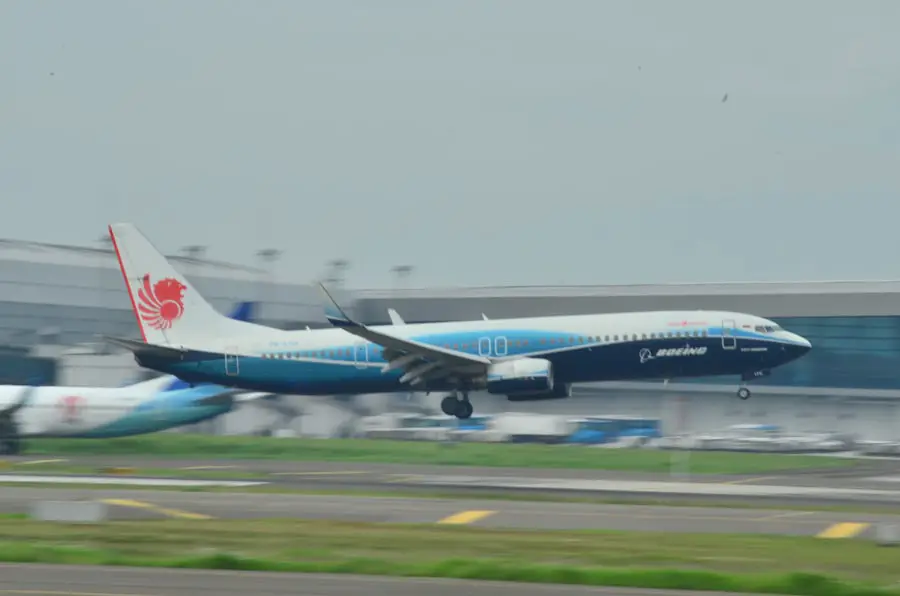
Boeing models serve different missions. The figures below are broad manufacturer specifications; an airline’s actual seating and usable range will vary.
| Boeing family | Typical airline role | Broad capacity and range | Current status |
| 737 MAX | Short- and medium-haul passenger service | About 135-210 seats in a typical two-class layout, depending on variant; up to about 3,800 nautical miles | 737-8 and 737-9 are in service; 737-7 and 737-10 certification work continues |
| 747 | Very large passenger service and heavy cargo | Airline layouts vary widely; long-haul range | Production ended in 2023; a limited number remain in passenger service, with more used for cargo |
| 757 and 767 | Medium-haul, transatlantic, high-demand domestic, and cargo service | Varies by version and airline configuration | Passenger production has ended, but many remain in service; 767 freighter programs continue |
| 777 | High-capacity long-haul passenger and cargo service | About 300-425 seats in a typical two-class layout; selected versions reach up to about 8,500 nautical miles | Passenger versions remain widely used; freighter production continues |
| 787 Dreamliner | Medium- to long-haul passenger service, including thinner nonstop routes | About 200-375 seats in a typical two-class layout; up to about 8,300 nautical miles, depending on variant | 787-8, 787-9, and 787-10 are in airline service |
| 777X | Next-generation high-capacity long-haul service | The 777-9 is designed for roughly 400 passengers in a typical two-class layout | Certification is still in progress; Boeing expects the first 777-9 delivery in 2027 |
Products Worth Considering

Size - The cockpit poster measures 24 x 36 Inch and is the ideal size for any standard 24 x 36 frame. The poster includes the name and logo of the Aircraft manufacturer's company at the top.

Now shipping current edition: JUNE 17

Colorful gift box shows the full aircraft and has cutouts that provide a peek at the mug inside
Short- to Medium-Haul Routes
The 737 is Boeing’s main single-aisle family. Airlines use it for domestic flights, regional international routes, and some longer narrow-body services. The 737 MAX variants are designed for different capacity and range needs, with manufacturer maximum seating from 172 to 230 passengers depending on the model.
Long-Haul Travel
The 777 and 787 are twin-aisle aircraft designed for long routes. The 777 offers high capacity and substantial cargo volume. The 787 comes in three sizes and is often used to open nonstop routes that may not support a larger aircraft.
Enhancing Passenger Convenience
Longer-range aircraft can reduce the need for connections, but the passenger experience still depends heavily on the airline’s cabin. Two airlines may use the same Boeing model with very different seat counts, legroom, entertainment, Wi-Fi, and premium-cabin products.
How to Check Whether Your Flight Uses a Boeing Plane
- Open the airline’s website or app. Find your reservation and look for “aircraft,” “equipment,” “flight details,” or the seat-map link.
- Read the aircraft name or code. Common examples include 738 for a 737-800, 7M8 or 38M for a 737 MAX 8, 77W for a 777-300ER, 788 for a 787-8, and 789 for a 787-9. Codes can vary by booking system.
- Check the seat map. The layout can help distinguish similar aircraft, but airlines may use more than one configuration of the same model.
- Confirm again near departure. Equipment swaps can happen because of maintenance, scheduling, weather, or aircraft positioning.
Pro Tip: Choose a seat only after checking the airline’s current seat map. A “Boeing 737” label alone does not tell you the exact variant, cabin layout, legroom, or onboard features.
History of Boeing and Its Impact on Aviation
The Early Years and the Model 40
William Boeing incorporated Pacific Aero Products Company on July 15, 1916; it became Boeing Airplane Company in 1917. Boeing first built seaplanes and military aircraft. The Model 40A, which first flew in 1927, carried mail and two passengers and helped connect aircraft manufacturing with early scheduled air service.
The 707 and the Jet Age
The Boeing 707 entered commercial service in 1958 and became one of the defining aircraft of the early jet age. Faster flights, greater range, and higher capacity helped airlines expand long-distance networks and made international air travel more practical for a larger share of the public.
From the 747 to the 787
The 747 brought widebody scale to passenger and cargo service. Later families—including the 737, 757, 767, 777, and 787—gave airlines a wider choice of capacities and ranges. Boeing delivered the final 747 in January 2023, but 747 passenger and freighter aircraft remain in operation.
Boeing reports that more than 14,000 Boeing airplanes are in the global commercial fleet, showing how deeply its aircraft families are embedded in passenger and cargo networks.
Boeing Safety and Reliability: A Balanced View
Commercial aviation safety is shared among manufacturers, regulators, airlines, maintenance organizations, airports, and flight crews. Boeing designs and builds aircraft to certification requirements, regulators approve designs and oversee production, and airlines are responsible for maintenance, training, and safe operation.
| Safety participant | Core responsibility |
| Boeing and suppliers | Design, manufacturing, quality control, technical instructions, and continued airworthiness support |
| Aviation regulators | Certification, production oversight, inspections, airworthiness directives, and enforcement |
| Airlines and maintenance providers | Approved maintenance, inspections, repairs, recordkeeping, dispatch decisions, and crew training |
| Flight and cabin crews | Operating procedures, checklists, communication, emergency response, and passenger safety |
A balanced article must also acknowledge Boeing’s recent safety and quality failures. Two 737 MAX 8 crashes in 2018 and 2019 killed 346 people and led to a worldwide grounding. The aircraft returned to service after design, procedure, maintenance, and training changes required by regulators.
On January 5, 2024, a door plug separated from Alaska Airlines Flight 1282, a 737-9, causing rapid depressurization. The National Transportation Safety Board concluded in 2025 that Boeing’s inadequate training, guidance, and oversight of factory workers caused the accident. The FAA increased its on-site oversight, restricted production expansion, and required corrective action. In July 2026, the FAA said its review supported allowing Boeing to resume issuing some airworthiness certificates under a monitored process.
Warning: Do not treat a manufacturer-wide slogan, star rating, or unsourced inspection count as proof that a specific flight is safe. Use current regulator notices, airline information, and official accident reports when evaluating a safety claim.
For travelers, the practical point is that aircraft type is only one part of safety. The operating airline, regulatory system, maintenance program, crew training, route conditions, and compliance with required inspections all matter.
Cost-Effectiveness of Boeing Planes for Airlines
Fuel is a major airline expense, so newer aircraft can improve route economics when they replace less-efficient jets. Composite structures, updated engines, aerodynamic changes, and digital maintenance tools can reduce fuel use or downtime. However, an aircraft is cost-effective only when its capacity and range fit the airline’s network.
Purchase price is not the whole calculation. Airlines model financing, lease rates, engine maintenance, spare parts, training, airport fees, crew costs, residual value, schedule reliability, and the revenue created by seats and cargo. A smaller aircraft with a higher unit cost may still be the better choice if it can fly profitably with fewer passengers.
Products Worth Considering
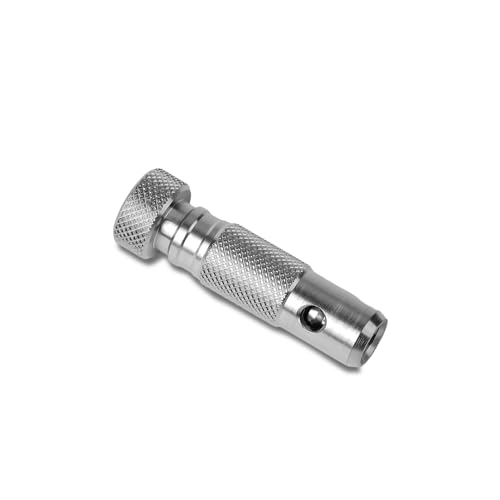
Product Type:Valve Stem Removal Tool/Aircraft Tire Valve Core Removal Tool


Boeing Innovation and Technological Advances
Boeing introduced several important commercial aviation technologies across its product families. The 777 and 787 use digital fly-by-wire flight controls. The 787’s airframe is about 50% composite material by weight, helping reduce structural weight and resist corrosion. Modern wing designs, high-bypass engines, advanced flight decks, health-monitoring systems, and predictive maintenance tools can improve efficiency and operational planning.
These technologies do not make every Boeing model identical. The 737, 777, and 787 were designed in different eras and use different systems. Airlines and pilots train for the exact aircraft type and variant they operate.
Environmental Considerations and Fuel Efficiency
Newer Boeing aircraft can burn less fuel per seat than the older models they replace, but efficiency does not mean zero emissions. Total environmental impact also depends on flight distance, passenger load, cargo, airline operations, fuel production, and the number of flights operated.
Sustainable aviation fuel can reduce lifecycle greenhouse-gas emissions when it is produced from qualifying feedstocks and used under approved fuel specifications. Boeing has stated a goal of delivering commercial aircraft capable of operating on 100% sustainable aviation fuel by 2030. Availability, price, lifecycle performance, and regulatory approval remain important limits on large-scale use.
Boeing Customer Support and Service
Boeing’s support continues after an aircraft is delivered. Airlines can use engineering assistance, maintenance documentation, spare-parts services, technician and crew training, aircraft modifications, digital fleet tools, and analytics. These services help operators plan maintenance, troubleshoot faults, manage records, and reduce unscheduled downtime.
Airlines may also use independent maintenance providers, engine manufacturers, leasing companies, and their own engineering departments. The exact support arrangement varies by carrier and aircraft type.
Examples of Airlines Building Networks Around Boeing Aircraft
Southwest Airlines: One Aircraft Family
Southwest’s fleet strategy centers on the Boeing 737. Operating one main aircraft family can simplify scheduling, training, maintenance, and spare-parts planning. The airline still uses several 737 variants with different seating and performance characteristics.
Ryanair: High-Density 737 Operations
Ryanair Group uses the 737-800 and high-capacity 737-8200 for its European low-cost network. Its 737-10 aircraft are on order for future delivery, but they are not currently operating passenger flights because the model has not completed certification.
Emirates: A 777-Centered Long-Haul Network
Emirates operates the world’s largest fleet of Boeing 777 aircraft and uses the type across a broad international network. The airline has ordered 777X and 787 aircraft, but the 777X is not yet in commercial service.
American and United: Multiple Boeing Families
American and United use Boeing narrow-body and widebody aircraft for different route needs. Their 737 fleets serve many domestic and regional routes, while the 777 and 787 support long-haul flying. United also continues to operate 757 and 767 aircraft.
Future Boeing Aircraft and Fleet Developments
Boeing’s current passenger-aircraft focus includes the 737 MAX, 787 Dreamliner, and 777X. The 737-8 and 737-9 are already in service. Certification work continues on the smaller 737-7 and larger 737-10. Airlines including Southwest and Ryanair have orders tied to those future variants.
The 777X program remains in flight testing and certification. Boeing stated in its April 2026 financial results that it expected first delivery in 2027. Until delivery and entry into service occur, articles should describe the 777X as an ordered or future aircraft—not as a model already carrying airline passengers.
Airlines will continue retiring older 747, 757, 767, and early 777 aircraft as newer jets arrive, but fleet transitions take years. Some older models remain useful because they are paid for, fit particular routes, carry valuable cargo, or can operate until replacement aircraft are available.
In summary, Boeing’s influence on commercial aviation spans early mail planes, the jet age, widebody travel, high-volume 737 operations, and today’s long-range 787 networks. Many leading airlines use Boeing aircraft, but no single model or manufacturer automatically determines fare quality, comfort, reliability, or safety. Travelers should check the exact airline, aircraft variant, seat map, and current operating information for their flight.
Frequent travelers looking for more comfort on long flights can also read this guide to the best travel pillows for long flights.
Frequently Asked Questions
What airlines use Boeing planes?
Major examples include American Airlines, United Airlines, Delta Air Lines, Southwest Airlines, Alaska Airlines, Air Canada, Ryanair, Lufthansa, British Airways, Emirates, Qatar Airways, Japan Airlines, All Nippon Airways, Singapore Airlines, Qantas, Copa Airlines, and Ethiopian Airlines. This is not a complete list.
Which airlines use only Boeing planes?
Southwest Airlines is a well-known all-737 operator. Ryanair’s main operating fleet is also built around Boeing 737 aircraft, although the wider Ryanair Group has operated a small Airbus fleet through group airlines. Fleet strategies can change over time.
Why do airlines use Boeing planes?
Airlines select Boeing aircraft when the model’s capacity, range, fuel use, cargo space, acquisition cost, maintenance needs, support network, and delivery timing fit the airline’s business plan. Fleet commonality can also reduce training and maintenance complexity.
How many Boeing planes are in service worldwide?
Boeing states that more than 14,000 Boeing commercial airplanes are in the global fleet. The total changes as aircraft are delivered, retired, stored, converted to freighters, or returned to service.
Which Boeing plane is most widely used by airlines?
The Boeing 737 family is the company’s most widely used commercial aircraft family. It serves short- and medium-haul routes for network airlines, low-cost carriers, charter airlines, governments, and cargo operators.
Do low-cost airlines use Boeing planes?
Yes. Southwest, Ryanair, GOL, Flydubai, and other low-cost airlines use Boeing 737 aircraft. The 737’s capacity and route range suit many high-frequency short- and medium-haul networks.
How can I tell whether my flight is a Boeing 737, 777, or 787?
Open the reservation in the airline’s website or app and look for the aircraft type, equipment code, or seat map. Check again close to departure because the airline may substitute another aircraft.
Sources
- Boeing Global Presence — global commercial fleet size and Boeing’s current aircraft overview.
- Boeing 737 MAX — current variants, seating ranges, range figures, orders, and manufacturer efficiency claims.
- Boeing 787 Dreamliner — current seating and range specifications for the 787-8, 787-9, and 787-10.
- Boeing 777 — seating and range specifications for in-service 777 passenger variants.
- Federal Aviation Administration: Boeing 737-9 MAX Updates — FAA oversight, production restrictions, inspections, and corrective actions.
- National Transportation Safety Board: Alaska Airlines Flight 1282 Final Report — findings and probable cause of the January 2024 door-plug accident.
