
Last Updated on July 25, 2026 by Daniel Globe
Moda, on Istanbul’s Asian side in Kadıköy, is one of the city’s strongest areas for coastal, street, and neighborhood photography. The most reliable photo opportunities are along the Sea of Marmara waterfront, at historic Moda Pier, around Moda Burnu, and on streets where trams, cafés, murals, and everyday local life create layered scenes. A few worthwhile viewpoints are outside Moda proper, so this guide clearly labels those detours.
Quick Answer
For the best photos in Moda, start at historic Moda Pier, walk the Moda coastal promenade, and continue toward Moda Burnu for open-water and sunset compositions. Add the T3 Kadıköy–Moda tram and nearby street art for urban shots. Yeldeğirmeni, Fenerbahçe Lighthouse, and Çamlıca Hill are useful side trips, but they are outside Moda proper.
Key Takeaways
- Moda Sahili and Moda Burnu: Best for Sea of Marmara views, silhouettes, open horizons, and sunset light.
- Moda Pier: A historic Vedat Tek-designed pier restored for public use, with strong architectural and waterfront compositions.
- Yeldeğirmeni and Moda murals: Documented street-art locations add color, scale, texture, and neighborhood character.
- Nearby detours: Fenerbahçe Lighthouse and Çamlıca Hill are photogenic, but neither is in Moda itself.
- Plan for the light: Use early morning for quieter streets and late afternoon through sunset for the waterfront.
Disclosure: As an Amazon Associate I earn from qualifying purchases. Some links on this page are affiliate links, at no extra cost to you.
Moda Coastal Promenade
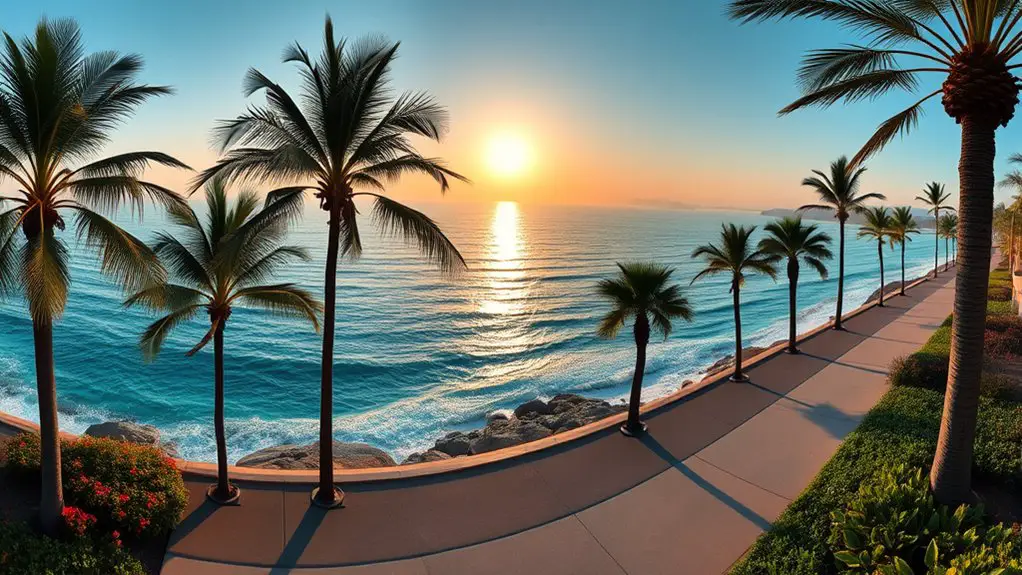
The Moda coastal promenade, usually referred to locally as Moda Sahili, is an urban waterfront rather than a rugged coast or a beach. Its open shoreline along the Sea of Marmara gives you space to photograph water, passing ferries and boats in the distance, fishermen, park life, and changing light across the horizon.
For cleaner compositions, use the edge of the path, trees, railings, or rocks as foreground elements. Late afternoon can produce warm side light, while sunset often works well for silhouettes and reflections when the weather is clear.
The promenade is especially useful because you can change your angle quickly. A few minutes of walking can shift the background from open water to distant city silhouettes, park greenery, or the historic waterfront around Moda Pier.
Pro Tip: Keep the horizon level and leave some open space around ferries, birds, or people moving through the frame. A phone’s 1x lens or a 24–35 mm equivalent lens is often more useful here than an ultra-wide lens that makes the distant skyline look tiny.
Moda Burnu and Küçük Moda Burnu Views
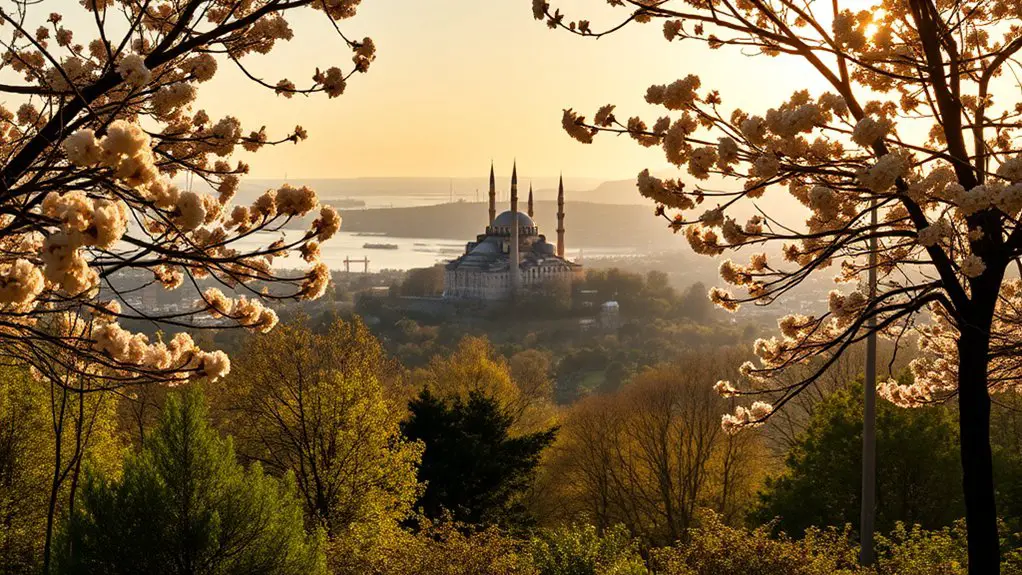
There is no well-documented Moda attraction officially known as “Hilltop Park.” For a real elevated-feeling coastal viewpoint in the neighborhood, focus instead on Moda Burnu and the nearby Küçük Moda Burnu area. Moda Burnu is known for views toward old Istanbul, the Princes’ Islands, and Kalamış Bay, depending on your exact position and visibility.
Panoramic Cityscape Views
Moda Burnu works best for broad environmental photographs rather than a single landmark close-up. Use a wide or normal focal length to combine the shoreline, water, boats, and distant skyline in one frame. On a clear day, a short telephoto lens can compress distant landmarks and make the city feel closer.
Because the scene is open, weather matters. Haze can soften the distant skyline, while broken clouds can add texture and color without hiding the horizon.
Ideal Sunset Spot
The west-facing parts of the Moda waterfront can be excellent around sunset. Instead of relying only on the sun itself, look for warm light on people, benches, trees, boats, or the pier. After the sun drops, the blue-hour sky can keep enough color for balanced city-and-water photographs.
Arrive before the strongest color develops so you can choose a position without blocking the walking path. Exposure compensation of about -0.3 to -1 EV can help protect bright skies on many cameras and phones, but check your histogram or preview rather than using one setting blindly.
Moda Pier and Waterfront Area
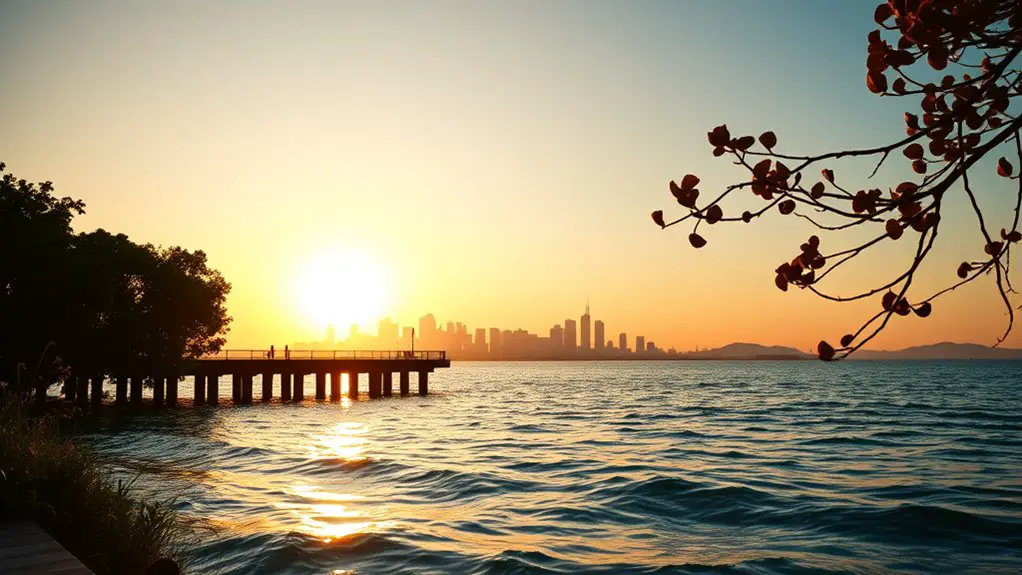
Moda Pier (Moda İskelesi) is one of the neighborhood’s most dependable architectural subjects. According to Kadıköy Municipality, the pier was designed by architect Vedat Tek and is thought to have been built between 1916 and 1919. It was later restored by Istanbul Metropolitan Municipality and reopened for public use in 2022.
Today, the building includes a public library and café. The IBB Moda Pier Library lists the facility at Moda Caddesi No. 175. A June 2026 infrastructure closure was temporary, with service scheduled to resume on June 29, 2026.
For photographs, step back far enough to show the pier in context with the water, then move closer for façade details, windows, signage, and geometric lines. The strongest images usually come from combining the historic structure with contemporary waterfront life instead of treating it as an isolated monument.
Moda Pier is not a Portland shipyard scene; it is a restored Istanbul pier designed by Vedat Tek and now used as a public cultural, library, and café space.
Yeldeğirmeni Neighborhood Streets
Yeldeğirmeni is in Rasimpaşa, north of central Kadıköy, so it should be treated as a nearby photography detour rather than part of Moda itself. It is still one of the best places in the district for large-scale murals, older apartment façades, storefronts, and layered street scenes.
The street-art reputation is well documented. Kadıköy Municipality notes that the Mural-Ist festival began in 2012 and that 16 walls in Yeldeğirmeni were painted by local and international artists during its first three years.
Use a wider lens when a mural fills an entire building, but step back carefully and include people or parked bicycles only when they add scale. For smaller details, signs, doors, and café fronts, a 35–50 mm equivalent lens can give a more natural street perspective.
Murals change, fade, or can be covered over time, so treat the neighborhood as a living art district rather than a fixed checklist of works.
Fenerbahçe Lighthouse and Its Surroundings
The article’s original “Moda Lighthouse” description does not match a verified landmark in Moda. The historic lighthouse nearby is Fenerbahçe Lighthouse, farther east in Kadıköy on Fenerbahçe Burnu.
The Directorate General of Coastal Safety states that the present lighthouse was built in 1857 during the Ottoman period. Its tower is 20 meters high, the light is 25 meters above sea level, and the lighthouse and keeper’s building are protected as national heritage.
This is a strong maritime subject for a wider Kadıköy photo itinerary. Photograph it from public approaches and use trees, rocks, or the shoreline as framing. Do not assume the lighthouse compound itself is open for unrestricted entry; follow gates, signs, and staff instructions.
The surrounding water is part of the Sea of Marmara, not the Black Sea. That correction is important for both geographic accuracy and search trust.
Çamlıca Hill Overlook: An Optional Side Trip
Çamlıca Hill is a genuine panoramic viewpoint, but it is in Üsküdar rather than Moda or Kadıköy. Include it only when you want a broader Istanbul cityscape and do not mind leaving the neighborhood.
Istanbul’s official tourism site describes Çamlıca Hill as about 268 meters above sea level, with views that can include the Bosphorus, the Sea of Marmara, and Istanbul’s historical peninsula. That makes it much better suited to true elevated panoramas than the invented “Hilltop Park” description.
Panoramic Bosphorus Views
At Çamlıca, a wide lens can show the scale of the city, while a short or medium telephoto lens is useful for isolating Bosphorus bridges, waterfront districts, or distant landmarks. Visibility can change quickly, so clear mornings and post-rain conditions may produce stronger long-distance detail.
Keep some foreground in the frame—trees, railings, or visitors—to add depth instead of photographing only a flat band of skyline.
Sunset Photography Spot
Sunset can be dramatic from Çamlıca, but the exact position of the sun shifts with the season. Arrive early, watch where the light falls, and choose a composition based on that day’s conditions rather than expecting the same alignment year-round.
A tripod can help after sunset where permitted and where it does not block other visitors. For handheld work, stabilize the camera against a railing or use optical stabilization and a sensible ISO before dropping to very slow shutter speeds.
Bağdat Avenue Street Photography
Bağdat Avenue (Bağdat Caddesi) is a major Kadıköy shopping and social corridor farther east than Moda. It is useful for urban street photography, but calling it a series of “panoramic Bosphorus viewpoints” is misleading.
Photograph storefront reflections, pedestrians, tree-lined sections, architecture, cafés, and evening street light. A normal focal length works well because it keeps people and buildings in believable proportion without exaggerating the scene.
For coastal views in the same wider part of Kadıköy, move separately toward the Caddebostan shoreline rather than expecting open-water panoramas directly from every stretch of Bağdat Avenue.
Local Cafés With Waterfront and Street Views
Moda’s café culture can add atmosphere to a photo walk, but the original claim about generic “high rooftop cafés” with guaranteed panoramic city views is too vague to be dependable. A more reliable choice is the public café setting at Moda Pier or other street-level and seafront cafés where you can photograph the neighborhood without inventing a rooftop viewpoint.
Use windows, cups, tables, and reflections as foreground elements, then expose for the brighter view outside. Ask before making a person, employee, or another customer the clear subject of a photograph, especially indoors.
For a stronger sense of place, include recognizable Moda details outside the window or terrace—water, the pier, tram tracks, leafy streets, or local architecture—rather than relying on generic coffee-shop close-ups.
Moda’s Colorful Street Art Corners
Street art is not limited to Yeldeğirmeni. Kadıköy Municipality’s Mural-Ist record notes that the festival later expanded across Kadıköy and specifically documents artist Rustam Qbic painting a large mural titled “Mucize” on the side of Emek Apartment on Ağabey Sokak in Moda.
When photographing murals, take one clean documentary frame that shows the entire work, then make tighter compositions that use windows, doors, pedestrians, or shadows to connect the artwork with the street around it.
Avoid presenting every painted wall as a permanent attraction. Street art can be repainted or removed, so the value of this part of Moda is the ongoing visual culture rather than a guaranteed set of identical murals.
T3 Kadıköy–Moda Tram and Bahariye Street
The heritage-style T3 Kadıköy–Moda tram is one of the most recognizable moving subjects in the area. Metro Istanbul lists the circular line at 2.6 kilometers with 11 stops, passing through Kadıköy Square, Bahariye Street, Moda, and back toward the waterfront.
For safer tram photographs, stay on the sidewalk and use a longer focal length instead of stepping into the track area. Look for curves, shop signs, pedestrians, and repeating rails that lead the eye toward the tram.
Operational hours and temporary closures can change, so check Metro Istanbul on the day of your visit if the tram is essential to your shot list.
Best Time and Camera Setup for Moda Photos
Early morning is best for quieter streets, cleaner storefront compositions, and fewer people around the pier. Late afternoon through sunset usually suits the waterfront because the softer light adds warmth and helps separate people and architecture from the background.
- Phone or 24–35 mm equivalent: Best all-around choice for the promenade, pier, and street scenes.
- 50–85 mm equivalent: Useful for details, candid-style environmental portraits, distant ferries, and compressed skyline views.
- Ultra-wide lens: Helpful for large murals and tight streets, but keep people away from the extreme frame edges to reduce distortion.
- Small tripod: Useful for blue hour where allowed, but keep walkways clear.
Note: Weather and haze strongly affect long-distance Istanbul views. A dramatic sunset is never guaranteed, so build a route with nearby street and architectural subjects that still work under flat light.
Suggested Moda Photo Walk
A practical route is to begin around central Kadıköy or Yeldeğirmeni for street scenes, continue toward Bahariye and the T3 tram, then walk through Moda to Moda Pier. From there, follow the waterfront through Moda Sahili toward Moda Burnu for late-afternoon and sunset photographs.
If you have more time, treat Fenerbahçe Lighthouse, Bağdat Avenue, and Çamlıca Hill as separate extensions rather than pretending they are all in the same compact Moda walking loop.
Photography Etiquette, Safety, and Drone Rules
Moda is a busy residential and social neighborhood, not a film set. Keep paths clear, avoid blocking café entrances or tram tracks, and ask before making close, identifiable portraits of strangers. Respect signs inside cultural venues and businesses.
Warning: Do not assume that a public park or waterfront is automatically legal for drone takeoff. Turkey’s civil aviation authority requires registration for pilots and drones at or above 500 g, and its UAS system states that flight permission is required outside designated green zones. Urban, crowded, restricted, and temporarily restricted areas can have additional limits. Check the official SHGM UAS map and current rules for the exact location and date before flying.
The SHGM UAS Registry System is the official starting point for registration and flight-permission information. Rules can change, and a 2026 draft revision of the UAS instruction was under review, so current official guidance should take priority over travel blogs or old forum posts.
Frequently Asked Questions
What is the best time of day for photography in Moda?
Use early morning for quieter streets and cleaner architectural shots. For the coast, late afternoon through sunset is usually more rewarding because the light is softer and the open horizon can produce silhouettes, reflections, and warmer color.
Are there guided photography tours focused on Moda?
Private Istanbul photography walks may include Kadıköy or Moda, but there is no single permanent municipal Moda-only photography tour that should be presented as guaranteed. Tour schedules change, so verify the current operator, meeting point, and route before booking.
Which Moda photo spots are easiest for wheelchair users?
The coastal paths and many central sidewalks are the most practical starting points, but curb cuts, gradients, surfaces, and individual building entrances vary. The T3 stops are at sidewalk level, yet that does not make every connecting street step-free. For mobility-dependent visits, use the main waterfront routes and confirm access at specific indoor venues before arrival.
Are drones allowed at Moda’s scenic spots?
Not automatically. Turkey’s SHGM rules and UAS map control registration and flight permissions. For drones at or above 500 g, pilot and aircraft registration requirements apply, and flights outside designated green zones require permission. Crowded urban areas can face additional restrictions, so check the official system for your exact planned takeoff point and date.
What photography workshops or events happen near Moda?
Programs change throughout the year. Yeldeğirmeni Sanat has hosted photography-related exhibitions and cultural events, while other Kadıköy venues also rotate workshops and exhibitions. Check Kadıköy Municipality’s current culture calendar rather than relying on an old event listing.
What is the best walking route for a first-time photo visit?
Start with street scenes around central Kadıköy or Yeldeğirmeni, continue toward Bahariye and the T3 tram, then walk through Moda to Moda Pier. Finish along Moda Sahili and Moda Burnu near sunset. Keep Fenerbahçe, Bağdat Avenue, and Çamlıca Hill as separate extensions.
What lens is most useful for photographing Moda?
A 24–35 mm equivalent lens is the most versatile for the waterfront, pier, murals, and street scenes. Add a 50–85 mm equivalent if you want tighter architectural details, distant boats, compressed skyline views, or more discreet street compositions.
Conclusion
Moda rewards photographers because the best subjects are close together: the Sea of Marmara waterfront, historic Moda Pier, the tram, murals, cafés, and everyday street life. Start with the real Moda locations, then add Yeldeğirmeni, Fenerbahçe Lighthouse, Bağdat Avenue, or Çamlıca Hill only as clearly labeled side trips. Good light helps, but accurate location planning and patient observation matter more than chasing a single “perfect” viewpoint.
Sources
- Kadıköy Municipality — Moda Pier history and restoration
- IBB Atatürk Library — current Moda Pier Library information
- Kadıköy Municipality — Mural-Ist and Yeldeğirmeni/Moda street art
- Directorate General of Coastal Safety — Fenerbahçe Lighthouse
- Visit Istanbul — Çamlıca Hill location and views
- Directorate General of Civil Aviation — UAS registration and flight-permission system
