
Last Updated on July 28, 2026 by Daniel Globe
There is no single best time to visit Yellowstone National Park for every traveler. The right season depends on whether you care most about wildlife, hiking, warm weather, open roads, photography, or smaller crowds. For many visitors, late May through June and September offer the best balance, while July and August provide the widest range of services and activities.
Quick Answer
For most travelers, the best time to visit Yellowstone is late May through June or September. These periods offer strong wildlife viewing, comfortable daytime weather, and fewer crowds than July and August. Visit in midsummer for maximum road and facility access, or in winter for snow, wolves, and a much quieter park.
Key Takeaways
- May and June: Excellent for baby animals, waterfalls, spring wildflowers, and greener landscapes, but snow and high water can limit some trails.
- July and August: Best for the widest road, lodging, boating, and hiking access, but these are among Yellowstone’s busiest months.
- September: One of the best all-around choices for cooler hiking weather, the elk rut, fall color, and somewhat lighter crowds.
- October through April: Expect colder weather, fewer services, snow, and major seasonal road restrictions.
- Winter: Ideal for snow-covered scenery, wolves, cross-country skiing, snowshoeing, and photography if you plan around restricted vehicle access.
Disclosure: As an Amazon Associate I earn from qualifying purchases. Some links on this page are affiliate links, at no extra cost to you.
Spring: Wildflowers and Baby Animals
Spring is one of Yellowstone’s most rewarding wildlife seasons, but it arrives later than many first-time visitors expect. March is still largely a winter month. Roads for regular vehicles begin opening in stages during April, and snow can remain deep in many areas well into May.
Wildflowers also appear gradually rather than all at once. Yellowstone’s early blooms include spring beauty, buttercups, shooting stars, pasqueflower, and glacier lilies. As temperatures rise, balsamroot, paintbrush, lupine, and many other species begin coloring meadows and hillsides. The exact timing changes with elevation, snowfall, and exposure. The National Park Service’s Yellowstone wildflower guide lists typical blooming periods for common species.
Wildlife is a major reason to visit in April, May, and early June. Bison calves begin appearing in spring, bears emerge from dens, and elk, moose, pronghorn, and other animals enter their calving seasons. Lamar Valley and the Northern Range are especially productive areas for wildlife watching.
For 2026, Yellowstone’s regular-vehicle roads opened progressively beginning April 17, with additional sections scheduled for May 1, May 8, and May 22. These dates are always weather-dependent, so check the official Yellowstone road-status page shortly before your trip rather than assuming a route will be open.
Note: Spring in Yellowstone can still feel like winter. Snow-covered boardwalks, muddy trails, freezing nights, and sudden road closures are possible even after parts of the park reopen.
Summer: Peak Season and Outdoor Activities
June through August gives visitors the broadest access to Yellowstone. Most roads, lodging areas, campgrounds, visitor services, and major attractions are operating during the heart of summer. This convenience also brings the year’s heaviest crowds, especially around Old Faithful, Grand Prismatic Spring, Canyon Village, and wildlife-viewing areas.
Yellowstone recorded 4,762,988 recreation visits in 2025, making advance planning especially important during the busy summer season.
Exploring Trail Systems
Summer is the main hiking season, but June does not guarantee snow-free trails. Yellowstone has more than 1,100 miles of trails, many above 7,000 feet. The National Park Service notes that snow can linger in many areas until late May or early June, while some mountain passes can stay snow-covered into July.
July through September usually offers the easiest access to a wider range of hikes. Even then, trail closures, bear activity, fire conditions, runoff, and storms can affect individual routes. Check current conditions before setting out.
Water-Based Activities
Summer is also the primary season for boating and fishing. Yellowstone Lake and other approved waters provide opportunities for boating, paddling, and fishing once seasonal facilities and access points open. Some activities require permits, and water remains dangerously cold even during warm weather.
Swimming is not allowed in Yellowstone’s hot springs or other waters that are entirely thermal in origin. Only use areas where swimming is specifically permitted and conditions are safe.
Evening Programs and Camping
Warm-season ranger programs and longer daylight hours make summer convenient for first-time visitors. Camping, however, requires planning. Yellowstone has 11 campgrounds and more than 2,000 established campsites. Most campsites are reserved well in advance during the main season. Current campground dates and reservation rules are available on the NPS Yellowstone camping page.
Note: Yellowstone has active road and bridge projects in 2026, and some locations can experience temporary delays. Check road conditions and construction updates on the morning of any long drive through the park.
Fall: Spectacular Foliage and Wildlife Viewing
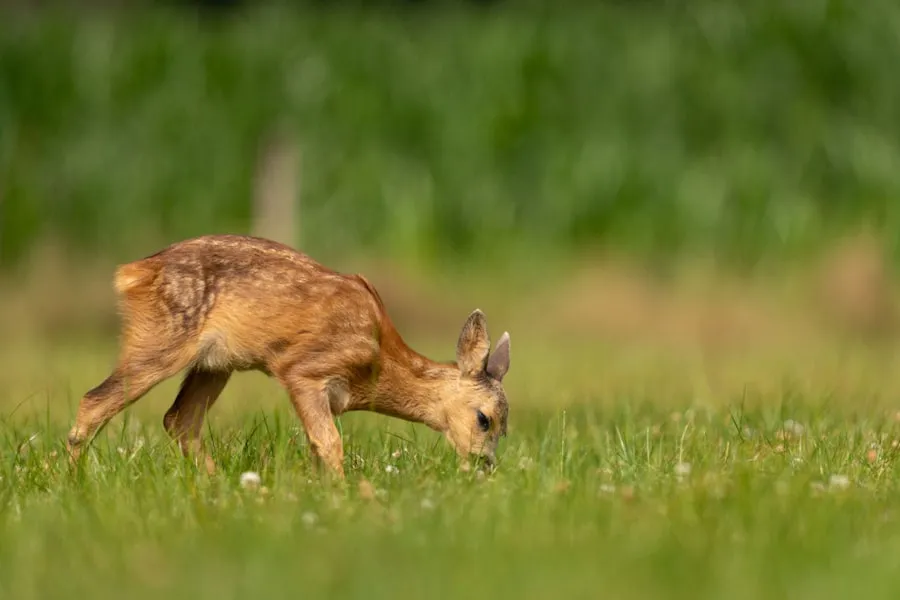
September is one of Yellowstone’s strongest all-around travel months. Days become cooler, nights turn crisp, summer crowds begin to ease, and most park roads are normally still open if the weather cooperates.
Yellowstone’s autumn colors are different from the dense hardwood displays associated with eastern parks such as Acadia National Park and Shenandoah National Park. In Yellowstone, visitors can see golden aspen, cottonwoods, willows, grasses, and changing vegetation against mountain and sagebrush landscapes.
Fall is also one of the park’s most dramatic wildlife seasons. Elk rut activity is a major attraction in September and October, particularly around Mammoth Hot Springs and other areas where elk gather. Bears may become more visible at lower elevations as they feed heavily before winter.
October can still be rewarding, but the trip becomes less predictable. Snow becomes increasingly common, some facilities close for the season, and high-elevation routes such as Dunraven Pass have scheduled seasonal closing dates. Visitors traveling late in fall should build flexibility into their itinerary.
Winter: Snowy Landscapes and Unique Recreation
| Winter Activity | Typical Yellowstone Area | Access | Typical Season |
|---|---|---|---|
| Cross-country skiing | Mammoth, Tower, Northeast, Old Faithful and Canyon areas | Some trails are reachable by road; interior areas may require oversnow transportation | December–March |
| Snowshoeing | Mammoth, Tower, Northeast and other approved winter routes | Depends on road and trail access | December–March |
| Snowcoach or snowmobile travel | Old Faithful, Canyon and interior park roads | Authorized oversnow travel only on applicable roads | Mid-December–mid-March |
| Wildlife viewing | Lamar Valley and Northern Range | North-to-Northeast Entrance road is normally open to regular vehicles year-round, weather permitting | December–March |
Winter changes Yellowstone more dramatically than any other season. Most park roads close to ordinary cars. The road from the North Entrance at Gardiner through Mammoth Hot Springs and Lamar Valley toward the Northeast Entrance is normally the only park corridor open to regular vehicles throughout winter, weather permitting.
From roughly mid-December to mid-March, portions of the interior road system generally reopen for limited snowcoach and snowmobile travel. Reaching Old Faithful and many other famous interior attractions therefore requires very different planning than a summer visit. Review the NPS winter guide before booking.
Cross-country skiing and snowshoeing are popular winter activities. Yellowstone allows these activities on many unplowed roads and trails, although only some routes are groomed. Winter travelers must be prepared for deep snow, wildlife, extreme cold, avalanche terrain, open streams, and thermal hazards.
The weather is severe. Yellowstone’s National Park Service weather guidance says daytime winter temperatures commonly range from about 0°F to 20°F (-18°C to -7°C), with subzero temperatures common at night and at higher elevations. Snowfall also varies greatly by elevation.
Warning: Never leave Yellowstone boardwalks or designated trails around thermal features, even when snow appears to cover the ground. Thin crust can hide superheated water. Keep at least 100 yards from bears, wolves, and cougars and at least 25 yards from bison, elk, and all other wildlife.
Shoulder Seasons: Fewer Crowds With Important Tradeoffs
Spring and fall can provide a quieter experience than midsummer, but “shoulder season” does not always mean mild weather. April may still have deep snow, limited services, and only partial road access. October can bring freezing nights, snowstorms, and seasonal closures.
May and September are usually easier choices for travelers trying to combine lower crowd levels with useful park access. May is especially strong for baby animals and greener landscapes, while September offers cooler hiking weather, the elk rut, and more predictable access than late fall.
These periods are not empty. Yellowstone remains extremely popular, and parking around major geothermal areas can still become crowded. Starting early in the day helps, particularly at Old Faithful, Grand Prismatic Spring, Canyon, Hayden Valley, and Lamar Valley.
Pro Tip: If you want broad road access, good hiking conditions, active wildlife, and fewer visitors than midsummer, consider the first half of September. Pack warm layers because nights can approach freezing.
Road Access, Reservations, and 2026 Planning
Yellowstone is open throughout the year, but “open” does not mean every entrance, road, campground, hotel, visitor center, or trail is available. Seasonal operating dates are one of the most important factors when choosing travel dates.
- No general entry reservation: Yellowstone currently does not require a timed-entry or advance reservation simply to enter the park.
- Lodging and camping: Overnight accommodations are a separate matter and frequently fill well ahead of busy travel dates.
- Spring roads: Interior roads reopen gradually rather than all at once.
- Winter roads: Most roads close to ordinary vehicle traffic and switch to limited oversnow access.
- Backcountry trips: Day hiking does not require a permit, but overnight backcountry camping does.
Because weather can change Yellowstone’s road status quickly, verify current Yellowstone conditions shortly before entering the park.
Best Time for Photography: Capturing Yellowstone’s Beauty
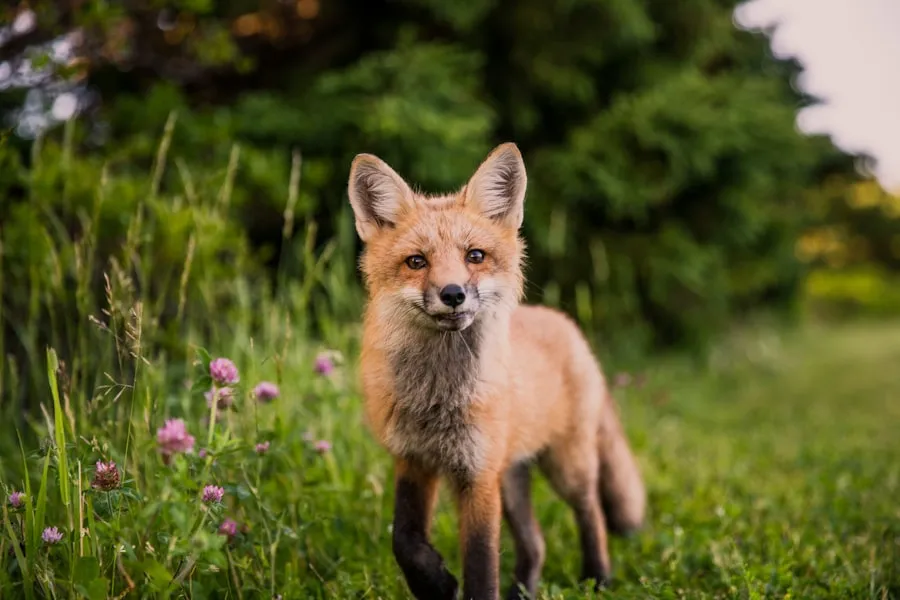
Every season offers a different photographic look. Spring brings green valleys, newborn animals, strong waterfalls, lingering snow, and emerging flowers. Summer gives photographers long days and easy access to a wide range of viewpoints. Fall adds golden vegetation, cooler light, and elk activity. Winter creates some of Yellowstone’s most distinctive scenes, with snow, steam, frost, wolves, bison, and frozen landscapes.
Early morning and late afternoon often provide softer light than midday. Cold mornings can also create dramatic steam around geysers and hot springs. Wildlife photographers should use telephoto lenses rather than moving closer to animals.
Photography never overrides Yellowstone’s safety rules. Keep tripod legs on the boardwalk in thermal areas, avoid blocking roads or pedestrian traffic, and use established pullouts for roadside photography. The National Park Service also prohibits launching, landing, or operating drones within Yellowstone. See the official Yellowstone photography guidance for current rules.
Best Time for Wildlife Viewing: Bears, Wolves, Bison, and Elk
Wildlife viewing is possible all year, but the animals and behaviors you are most likely to see change with the seasons.
April and May: Spring is excellent for bison calves, emerging bears, and other newborn animals. Lamar Valley and the Northern Range are productive places to look for wildlife from a safe distance.
June: Elk and several other species enter their calving periods, waterfalls remain strong, and wildflowers spread into more areas. Bears may become less visible in some places as they move toward higher elevations.
July and August: Bison rut activity becomes a major spectacle in Lamar and Hayden valleys. Wildlife is still abundant, although hot afternoons may be less productive than cooler parts of the day.
September and October: The elk rut becomes one of Yellowstone’s headline wildlife events. Bears may also be easier to observe in some lower-elevation areas as they feed heavily before winter.
Winter: Lamar Valley is particularly well known for winter wolf watching. Coyotes, foxes, bison, bighorn sheep, and other animals may also be visible against the snow.
Warning: Yellowstone animals are wild and dangerous. Stay at least 100 yards (91 m) from bears, wolves, and cougars and at least 25 yards (23 m) from bison, elk, and all other wildlife. If an animal moves toward you, move away to maintain the required distance.
Carry bear spray when hiking and know how to use it. Do not feed animals, surround them with vehicles, stop in traffic lanes, or approach them for a photograph. Review the NPS Yellowstone safety rules before your visit.
Best Time for Hiking: Exploring Yellowstone’s Trails
For most visitors, July through September offers the widest choice of hiking trails. June can also be excellent at lower elevations, but snow, mud, and high runoff can still affect routes. Yellowstone’s mountain environment means trail conditions often lag behind the calendar.
The National Park Service notes that many Yellowstone trails lie above 7,000 feet. Snow commonly remains in many areas into late May or early June, and some mountain passes can remain snow-covered into late July. Spring runoff can also make river crossings extremely cold, deep, and fast.
July and August generally provide the warmest hiking weather and longest daylight, but afternoon thunderstorms are common. Start longer hikes early, bring rain gear and layers, and avoid exposed ridges when lightning threatens.
September is especially appealing for hikers who prefer cooler temperatures. The main tradeoff is shorter daylight and a growing chance of frost or early snow. October hiking is possible on suitable trails, but conditions become much more unpredictable.
Winter hiking changes into snow travel on many routes. Cross-country skiing and snowshoeing become more practical than ordinary hiking in snow-covered areas.
Day hiking in Yellowstone does not require a permit, but overnight backcountry camping does. Check the official Yellowstone hiking information and current backcountry conditions before a longer route.
When planning a Yellowstone backpacking trip, the sleeping system matters as much as the season. Cold nights are possible even in summer at higher elevations, so choose equipment appropriate for the forecast and your campsite. This guide to the best sleeping bag for backpacking travel can help you compare options before an overnight trip.
Frequently Asked Questions
What is the best time to travel to Yellowstone?
For many visitors, late May through June and September provide the best balance of wildlife, scenery, road access, and lower crowds than midsummer. July and August are better if having the maximum number of facilities and activities available is your top priority.
When is peak tourist season in Yellowstone?
Yellowstone’s busiest period is generally June through August, with July and August bringing warm weather, school vacations, open facilities, and heavy demand around major attractions.
What are the advantages of visiting Yellowstone in summer?
Summer provides the broadest road and facility access, long daylight hours, boating opportunities, ranger programs, and access to more hiking trails. It is the easiest season for a first visit if convenience matters more than avoiding crowds.
What are the disadvantages of visiting Yellowstone in summer?
The main disadvantages are crowds, traffic, busy parking areas, high lodging demand, and afternoon thunderstorms. Wildfire smoke can also affect visibility during dry periods. Starting early and reserving overnight accommodations well ahead can make the trip easier.
Can you visit Yellowstone outside the summer season?
Yes. Yellowstone is open year-round, but access changes sharply by season. Spring and fall have fewer services and possible snow closures. In winter, most roads close to ordinary vehicles and many interior destinations require approved snowcoach or snowmobile transportation.
What is Yellowstone weather like in summer?
Summer daytime temperatures are often around 70°F and can reach the 80s at lower elevations. Nights stay much cooler, and temperatures can approach freezing at higher elevations. Afternoon thunderstorms are common, so carry layers and rain protection even on sunny mornings.
Do I need a reservation to enter Yellowstone National Park?
No general timed-entry reservation is currently required simply to enter Yellowstone. Lodging, campgrounds, backcountry camping, and certain activities have separate reservation or permit requirements, so plan those parts of the trip in advance.
When are Yellowstone’s roads open?
The North Entrance-to-Northeast Entrance corridor is normally open to regular vehicles year-round, weather permitting. Most other roads close to ordinary cars in early November and reopen in stages from mid-April through May. Exact dates change by road and year, so always check the NPS road-status page.
What is the best time to see wildlife in Yellowstone?
Spring is excellent for newborn animals and emerging bears, July and August bring the bison rut, September and October feature the elk rut, and winter can be excellent for wolves in Lamar Valley. Wildlife is unpredictable, so sightings are never guaranteed.
Sources
- National Park Service — Yellowstone Seasons — monthly weather, wildlife, access, facilities, and seasonal activity guidance.
- National Park Service — Yellowstone Park Roads — seasonal road openings, closures, winter access, and current construction information.
- National Park Service — Yellowstone Weather — seasonal temperatures, snowfall, precipitation, and weather hazards.
- National Park Service — Yellowstone Safety — wildlife distances, bear safety, thermal-area rules, and visitor-safety requirements.
- National Park Service — Yellowstone Camping — campground availability, seasonal dates, and reservation requirements.
- National Park Service — Yellowstone Hiking — trail mileage, snow conditions, elevation, runoff, and hiking guidance.