Last Updated on July 28, 2026 by Daniel Globe
Portland, Oregon, pairs mild, rainy winters with warm, mostly dry summers. The best month for your trip depends on whether you value dependable sunshine, spring flowers, fall color, smaller crowds, or lower hotel prices. This guide compares Portland’s seasons, current festivals, outdoor conditions, transportation, and costs so you can choose the right time to visit.
Quick Answer
The best time to visit Portland is June through September, when days are warm, dry, and long. July and August bring the most dependable sunshine but also the biggest crowds. Choose June or September for a better balance of pleasant weather, lighter crowds, and often lower room rates.
Key Takeaways
- June through September offers Portland’s warmest and driest weather.
- July and August have the most reliable sunshine, but hotel demand and attraction crowds are also highest.
- April, May, and September provide a useful balance of milder weather, seasonal color, and fewer visitors.
- Nearly 90% of Portland’s normal annual rain falls from mid-October through mid-May, while measurable snow is uncommon.
- Summer and early fall can bring heat waves or wildfire smoke, so check the forecast and air quality before outdoor plans.
- Popular activities include hiking in Forest Park, exploring the Columbia River Gorge, biking along the Willamette River, and visiting Portland’s gardens.
- A car is unnecessary for most central-city visits, but it is useful for Mt. Hood, wine country, and Gorge day trips.
Disclosure: As an Amazon Associate I earn from qualifying purchases. Some links on this page are affiliate links, at no extra cost to you.
Best Time to Visit Portland by Travel Style
There is no single perfect month for every visitor. Use these seasonal recommendations to match Portland’s conditions to your plans:
- Best overall balance: June and September offer long days, generally pleasant temperatures, and fewer peak-season crowds than July or August.
- Best chance of dry weather: July and August are Portland’s driest and sunniest months.
- Best for flowers and major festivals: Late May through June brings spring blooms, roses, and signature community events.
- Best for fall color: Mid-October through early November can be beautiful, although rain becomes more frequent.
- Best for smaller crowds and possible lodging deals: April, early May, late September, and October generally have less visitor pressure than midsummer.
- Best for museums, restaurants, and indoor travel: November through February works well for travelers who do not mind gray skies and frequent rain.
Portland Weather by Season
Portland sits near the meeting point of the Willamette and Columbia Rivers and has a temperate climate shaped by the Pacific Ocean. According to the National Weather Service’s 1991–2020 climate normals, downtown Portland averages 44.07 inches of precipitation per year. Portland International Airport, which is farther east and drier, averages 36.92 inches.
Nearly 90% of the area’s normal annual rain falls from mid-October through mid-May. Winter days are often cloudy and damp, but measurable snow is uncommon. Portland normally records measurable snow on roughly four days per year, with average annual snowfall of about 3.6 inches downtown and 4.2 inches at the airport.
Downtown Portland receives about 44 inches of precipitation in a normal year, but summer is markedly drier than the long rainy season from mid-October through mid-May.
At a Glance
| Winter (Dec–Feb) | Daytime temperatures commonly in the 40s to low 50s; frequent rain, gray skies, and occasional snow or ice |
| Spring (Mar–May) | Roughly 45–70°F; flowers and longer days, with changeable weather and regular showers |
| Summer (Jun–Aug) | Typical highs in the 70s and 80s; dry, sunny, and busy, with occasional heat waves or wildfire smoke |
| Fall (Sep–Nov) | Warm, often dry conditions in early September; cooler temperatures, fall color, and increasing rain later in the season |
Winter: December Through February
Winter is Portland’s coolest and wettest season. Afternoon temperatures are commonly in the 40s or low 50s, while overnight temperatures often fall into the 30s. Rain is much more common than snow, although occasional snow or freezing rain can disrupt roads and public transportation.
Winter works best for travelers interested in restaurants, coffee shops, bookstores, museums, and indoor performances. Hotel demand can be lower outside holiday periods, but short daylight hours and wet trails limit some outdoor plans.
Spring: March Through May
March remains cool and changeable, but temperatures rise steadily through April and May. Cherry blossoms, rhododendrons, tulips, and roses begin filling parks and gardens with color. Rain remains possible on any day, so a waterproof outer layer is more useful than a heavy umbrella on windy days.
Late April and May are strong choices for visitors who want flowers and outdoor sightseeing without midsummer crowds. Memorial Day weekend and major festival dates can still increase hotel demand.
Summer: June Through August
Summer brings Portland’s longest days and most dependable dry weather. Typical afternoon highs are in the 70s and 80s, making this the easiest season for parks, patios, walking tours, Gorge trips, and outdoor festivals.
Summer also brings the year’s highest visitor demand. Book popular hotels, restaurants, rental cars, and timed-entry activities in advance. Portland can experience short but intense heat waves, and wildfire smoke may reduce air quality during summer or early fall.
Warning: Check the AirNow air-quality index and the National Weather Service Portland forecast before strenuous summer activities. During heat or smoke, move outdoor plans to cooler hours, drink extra water, and keep a flexible indoor alternative.
Fall: September Through November
September often feels like an extension of summer, with warm afternoons and limited rain. Conditions turn cooler and wetter through October and November, while trees in parks and residential neighborhoods develop yellow, orange, and red foliage.
September is one of the best months for visitors seeking summer-like weather with somewhat lighter crowds. October appeals to travelers who enjoy fall color and do not mind carrying rain gear.
Portland Month-by-Month Planning Guide
January and February
Expect cool, wet weather, short days, and fewer outdoor crowds. These months favor museums, bookstores, restaurants, coffee shops, and live performances. Snow is uncommon but can temporarily disrupt travel when it occurs.
March and April
Temperatures begin rising, spring flowers appear, and daylight expands quickly. Weather can change several times in one day, so dress in layers and keep a waterproof shell nearby.
May and June
May combines spring color with improving weather, while June marks the transition into Portland’s dry season. Rose Festival events and graduation weekends can raise room rates and reduce availability.
July and August
These are the sunniest and driest months, with the widest selection of outdoor events. They are also the busiest and often the most expensive. Reserve lodging early and watch for heat or smoke advisories.
September and October
September is an excellent shoulder-season month, especially during its first half. October brings cooler temperatures, more rain, fall color, and fewer visitors at many attractions.
November and December
Rain becomes frequent, daylight is limited, and mountain weather can affect day trips. Holiday events add atmosphere in December, while indoor attractions and dining become the main focus.
Seasonal Events and Festivals
Portland Rose Festival: A Timeless Tradition
The Portland Rose Festival is the city’s signature celebration. The tradition began in 1907 and now includes parades, CityFair, dragon boat races, Fleet Week activities, and community events.
Festival dates vary by year. In 2026, CityFair runs from May 22 through June 7, and the combined Starlight and Grand Floral Parade is scheduled for June 6. Visitors traveling in future years should check the official calendar before booking.
Music and Movies: A Year-Round Celebration
The Waterfront Blues Festival is normally held around the Fourth of July and has a long history of music and community fundraising. The 2026 festival is scheduled for July 2–4.
Portland’s beer-event calendar changes from year to year. The Oregon Brewers Festival was once a dependable late-July fixture, but it has not maintained a consistent annual schedule in recent years. Check the current Portland beer-festival calendar before planning a trip around a particular event.
Film programming is also broader than the former February festival pattern suggests. The Portland Film Festival is scheduled for September 30 through October 4 in 2026, while PAM CUT presents screenings and film-related programs at different times of year. The Portland Marathon typically brings runners and road closures downtown in October.
Fostering Community Spirit
Portland’s festivals reflect different parts of the city’s identity, including roses, neighborhood arts, independent film, food, craft beverages, and outdoor recreation. They also affect lodging availability, transit crowding, and street access, so check official schedules and road notices before arrival.
Outdoor Activities
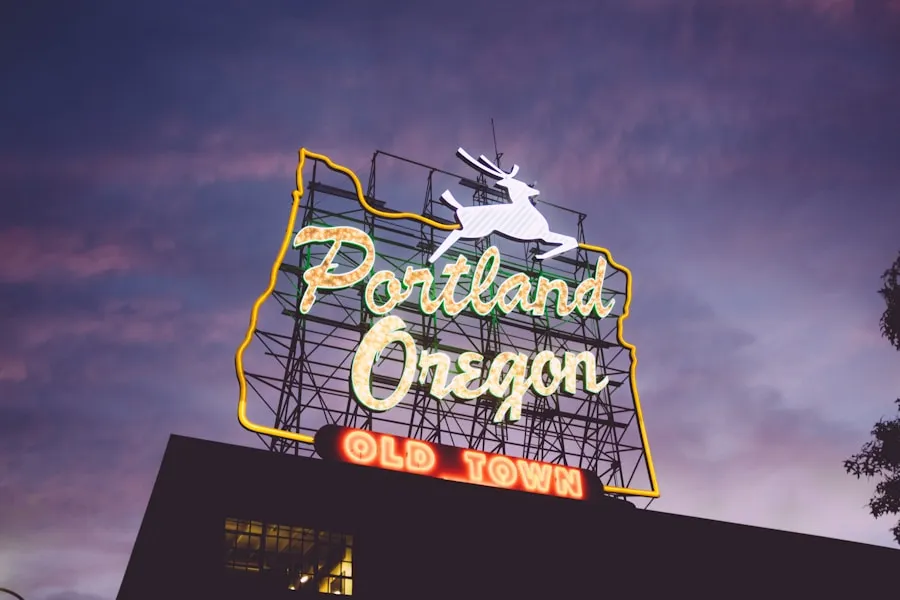
Portland’s location beside the Willamette and Columbia Rivers supports kayaking, paddleboarding, and fishing. Waterfront parks along the Willamette are convenient for walking, cycling, picnics, and skyline views.
Forest Park covers about 5,200 acres and contains more than 80 miles of trails within Portland. Trail conditions can be muddy during the rainy season, so water-resistant footwear is useful from fall through spring.
The Columbia River Gorge offers waterfalls and trails for a wide range of abilities. Multnomah Falls is the best-known stop, but its parking areas and viewing spaces can become extremely crowded during peak season.
Note: For the 2026 peak season, the U.S. Forest Service requires a timed-use permit for the Multnomah Falls I-84 parking area from May 22 through September 7 during designated daytime hours. Check the official Multnomah Falls page for current permit, parking, trail, and closure information.
Pro Tip: A rental car makes day trips easier, but driving time varies. Depending on traffic and your exact destination, Mt. Hood and Willamette Valley wine country are commonly about 60–90 minutes from central Portland. Allow extra time on summer weekends and during winter mountain conditions.
What to Pack for Portland
- Waterproof shell: Choose a light rain jacket for spring and fall or a warmer waterproof layer for winter.
- Layers: Morning and evening temperatures can be much cooler than the afternoon, especially in spring and fall.
- Comfortable walking shoes: Water-resistant footwear is helpful for wet sidewalks, parks, and muddy trails.
- Summer sun protection: Bring sunscreen, sunglasses, a hat, and a refillable water bottle.
- Smoke-season backup: Travelers sensitive to air pollution may wish to carry a well-fitting high-filtration mask and identify indoor alternatives.
- Small day bag: Carry a compact layer, water, transit essentials, and portable phone power for long sightseeing days.
Local Cuisine and Dining
Portland’s food scene includes farm-to-table restaurants, bakeries, independent coffee roasters, breweries, and a large food-cart community. The city has more than 500 food carts, although individual pods and vendors change frequently. The Portland Food Cart Finder is useful for checking current locations and opening hours.
Operating destination restaurants include Le Pigeon and Kann. Pok Pok played an important role in Portland’s national dining reputation, but it closed permanently in 2020 and should not be treated as a current restaurant option.
Portland also has a long-established craft-beer culture, though brewery counts change as businesses open, close, or relocate. Coffee remains equally prominent, with independent roasters such as Stumptown and Heart operating around the city.
Popular restaurants and weekend brunch spots can have long waits. Reserve destination dining in advance and confirm current hours before traveling across town.
Accommodation Availability
Portland offers full-service hotels, boutique properties, hostels, extended-stay rooms, and licensed vacation rentals. The right neighborhood depends on whether you prioritize downtown attractions, nightlife, quiet residential streets, or easy highway access for day trips.
Downtown and the Pearl District provide convenient access to major attractions, while neighborhoods such as Alberta, Hawthorne, and Mississippi offer a more residential base near independent restaurants and shops.
Current downtown choices include The Nines and The Royal Sonesta Portland Downtown, which occupies the former Hotel Monaco property. Compare parking charges, destination fees, transit access, and cancellation rules rather than choosing on the nightly rate alone.
Warning: Book well ahead for July and August, Rose Festival dates, major conventions, graduation weekends, and large sporting events. Availability can tighten quickly, and central hotel rates often rise during these periods.
Transportation and Accessibility
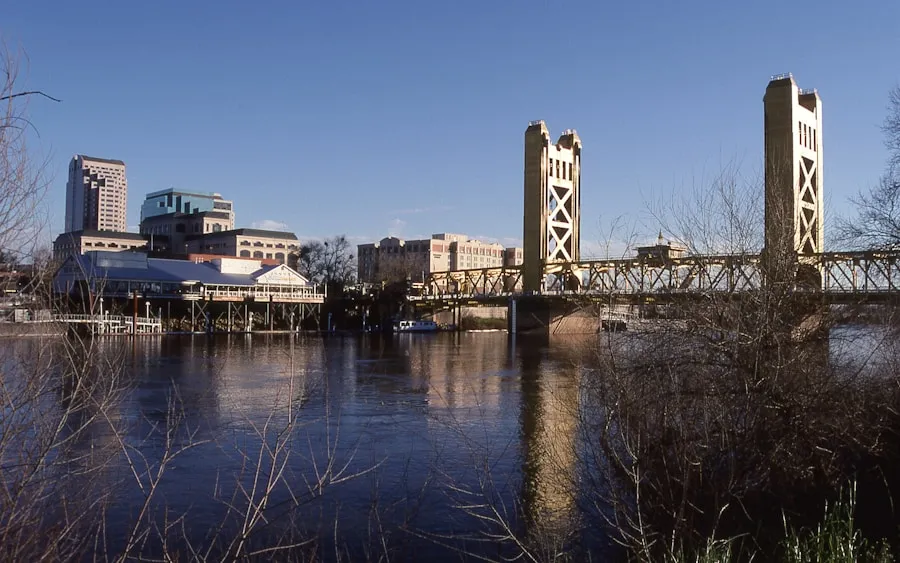
Portland’s public transportation system includes buses, MAX light rail, and streetcars. All are operated within the broader TriMet network. The MAX Red Line links Portland International Airport with downtown, with the trip normally taking about 40 minutes.
Visitors staying in downtown, the Pearl District, or close-in eastside neighborhoods can usually complete most city sightseeing without a car. Check current TriMet fares before travel because prices can change.
MAX trains, buses, and streetcars include accessibility features for riders using mobility devices. Travelers who need step-free routes or extra boarding assistance should review stop details and service alerts before departure.
Portland also has an extensive bicycle network and the BIKETOWN bike-share system. Many central neighborhoods are walkable, but a rental car becomes more useful for the Columbia River Gorge, Mt. Hood, the Oregon Coast, or rural wine-country destinations.
Crowds and Tourist Attractions
Visitor numbers are highest during summer weekends, major festivals, and school holidays. Popular gardens, markets, bookstores, and Gorge viewpoints can become crowded by late morning.
Powell’s City of Books, one of the world’s largest independent bookstores, regularly draws visitors to its extensive collection of new and used books.
The Portland Japanese Garden, Washington Park, and the International Rose Test Garden can also become busy on weekends and holidays. Arrive close to opening time, visit on a weekday, or use public transportation to avoid parking delays.
For quieter alternatives, explore neighborhood parks, smaller galleries, local commercial streets, or the waterfront outside peak afternoon hours.
Budget Considerations
Portland can suit a moderate travel budget with careful planning. Food carts often cost less than full-service restaurants, while Forest Park, waterfront paths, neighborhood walks, and the International Rose Test Garden are free to visit. Attractions such as the Portland Japanese Garden charge admission, so confirm current prices before arrival.
Public transportation can eliminate rental-car and downtown parking costs. Travelers planning only one or two regional day trips may spend less by using transit in the city and renting a vehicle only for those specific days.
Oregon does not impose a general retail sales tax, according to the Oregon Department of Revenue. However, lodging taxes, restaurant service charges, attraction fees, parking, and local surcharges can still affect the total trip cost.
For lower room rates, compare April, early May, late September, October, and wet-season dates outside holidays or major events. Properties beyond downtown may cost less, but include transportation time and parking in the comparison.
Frequently Asked Questions
What is the best time to visit Portland, Oregon?
June through September provides the warmest, driest weather. July and August have the most dependable sunshine, while June and September often provide a better balance of pleasant conditions and lighter crowds.
What is Portland’s weather like throughout the year?
Portland has warm, mostly dry summers and cool, wet winters. Spring is mild but changeable, while early fall can remain warm before rain becomes more frequent in October and November.
What are the rainiest months in Portland?
November through January are normally among the wettest months. Rain does not necessarily fall continuously all day, but cloudy skies, damp conditions, and repeated showers are common during the winter rainy season.
Which Portland festivals are worth planning a trip around?
Major choices include the Portland Rose Festival in late May and June, the Waterfront Blues Festival around July 4, the Portland Film Festival in fall, and the Portland Marathon in October. Dates change, so verify each event on its official website.
What outdoor activities are popular in Portland?
Popular activities include hiking in Forest Park, cycling beside the Willamette River, visiting city gardens, paddling on local waterways, and taking day trips to the Columbia River Gorge, Mt. Hood, or Willamette Valley wine country.
Do visitors need a rental car in Portland?
Most visitors staying in central Portland do not need a car because MAX light rail, buses, streetcars, walking, and bike share cover many attractions. A car is helpful for day trips to the Gorge, Mt. Hood, the coast, or rural wine country.
What should travelers consider during Portland’s peak season?
Reserve lodging and popular restaurants early, expect heavier crowds at gardens and Gorge viewpoints, and check whether timed-entry permits are required. Summer travelers should also watch forecasts for heat waves and wildfire smoke.
Is wildfire smoke a concern in Portland?
Wildfire smoke is not present throughout every summer, but it can affect Portland and nearby recreation areas during summer or early fall. Check the air-quality index shortly before outdoor plans and keep an indoor alternative when conditions are poor.
Sources
- National Weather Service Portland Climate Book — official precipitation, temperature, and snowfall normals
- Portland Rose Festival — official festival history and founding information
- Portland Parks & Recreation: Forest Park — official park size, trail, and visitor information
- U.S. Forest Service: Multnomah Falls — current permits, parking, access, and closure information
- TriMet MAX Red Line — official airport and light-rail service information
- Oregon Department of Revenue — official information about Oregon retail sales tax