
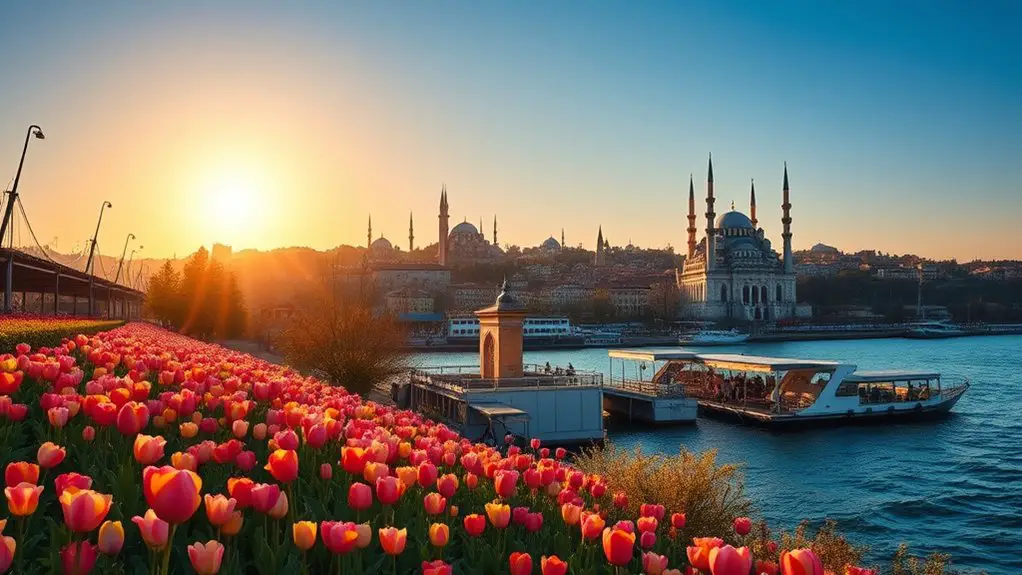
Last Updated on July 27, 2026 by Daniel Globe
When planning a trip to Istanbul, timing can change everything from the weather you walk in to the crowds you meet at major sights. For most travelers, spring and autumn offer the best balance of comfortable temperatures and outdoor sightseeing, while summer brings long, lively days and winter rewards visitors who prefer fewer tourists and do not mind cool, wet weather.
Quick Answer
The best time to visit Istanbul is usually April to May or September to October. These months combine mild weather with comfortable sightseeing conditions. June through August is warmer and busier, while December through February is cooler and wetter but can offer fewer crowds and better value outside holiday periods.
Key Takeaways
- April and May are excellent for mild weather, tulips, parks, Bosphorus walks, and long sightseeing days.
- September and October combine comfortable temperatures with cooler evenings and generally easier walking conditions than midsummer.
- June through August is warm, relatively dry, and lively, but popular attractions can feel crowded and humid.
- December through February is cooler and wetter. Snow is possible but not dependable, so plan for rain rather than a guaranteed snowy cityscape.
- January and February can suit budget-conscious travelers who prioritize museums, food, and lower-season city breaks over consistently pleasant outdoor weather.
Disclosure: As an Amazon Associate I earn from qualifying purchases. Some links on this page are affiliate links, at no extra cost to you.
Best Time to Visit Istanbul by Travel Style
There is no single perfect month for every traveler. Your best season depends on what matters most: comfortable sightseeing, warm weather, festivals, beaches, lower crowds, or price.
| Travel Priority | Best Time | Why |
|---|---|---|
| Best overall weather | April-May, September-October | Comfortable daytime temperatures and good conditions for walking. |
| Tulips and spring scenery | April | Major parks such as Emirgan and Gülhane fill with seasonal tulip displays. |
| Warm weather and beaches | June-August | Warmest and driest part of the year, with beach and island day-trip options. |
| Major music events | June-July | The Istanbul Music Festival and Istanbul Jazz Festival typically fall in this period. |
| Fewer tourists and winter city breaks | January-February | Cool, wet weather reduces the appeal of outdoor sightseeing but can mean a quieter atmosphere. |
Spring: Blooming Beauty and Mild Temperatures
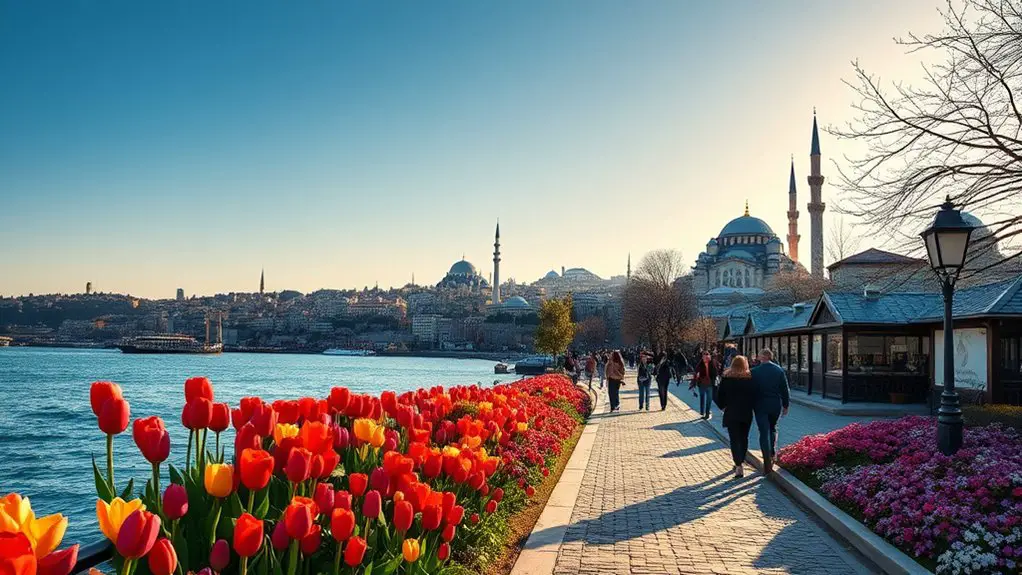
Spring is one of the strongest seasons for visiting Istanbul, but conditions change noticeably between March and May. March can still feel cool, with an official average high of about 12.4°C (54°F), while May averages a much warmer 22.3°C (72°F) during the day.
Istanbul’s average daytime high rises from about 12.4°C (54°F) in March to 22.3°C (72°F) in May, making late spring especially comfortable for long days on foot.
April is particularly attractive for flowers. Tulips appear across parks and public spaces, and the city’s municipal spring celebrations traditionally focus on major green areas such as Emirgan Grove, Gülhane, Göztepe 60. Yıl Park, and Hıdiv Grove. In 2026, Istanbul Metropolitan Municipality held its Tulip Festival celebrations on April 11-12.
You can follow current municipal spring-event announcements through Istanbul Metropolitan Municipality, because exact festival dates and displays change from year to year.
Spring also works well for outdoor cafés, Bosphorus ferries, palace gardens, neighborhood walks, and long days around the Historical Peninsula. Pack layers, because mornings and evenings can be significantly cooler than the middle of the day.
Pro Tip: For the most dependable spring combination of flowers and milder weather, favor April or May rather than assuming March will already feel warm.
Summer: Vibrant Energy and Warm Days

Summer in Istanbul brings warm weather, long daylight hours, outdoor dining, concerts, ferry trips, and busy evenings along the waterfront. July and August have an average daytime high of about 29.7°C (85°F), according to Türkiye’s official meteorological statistics.
The season is also relatively dry. Istanbul averages only about 3.5 rainy days in July and 3.6 in August, compared with more than 16 in January. Humidity, however, can make hot afternoons feel heavier than the temperature alone suggests.
For swimming or sunbathing, look beyond the central Bosphorus sightseeing corridor. Popular warm-weather options include beaches on the Princes’ Islands, Caddebostan on the Asian side, and Black Sea areas such as Kilyos and Şile. GoTürkiye’s official destination information covers Istanbul’s beaches and nature areas.
Summer is also excellent for local food. Street markets, seafood restaurants, meze, grilled dishes, ice cream, and evening cafés fit naturally into a day when midday sightseeing may feel hot.
Plan strenuous walking for the morning, take a slower lunch or museum break during the hottest part of the afternoon, and return outside later in the day.
Note: Summer is one of the liveliest times to visit, but major attractions, ferries, islands, and waterfront districts can also be busy. Reserve time-sensitive tickets and popular restaurants ahead when possible.
Autumn: Colorful Landscapes and Comfortable Weather
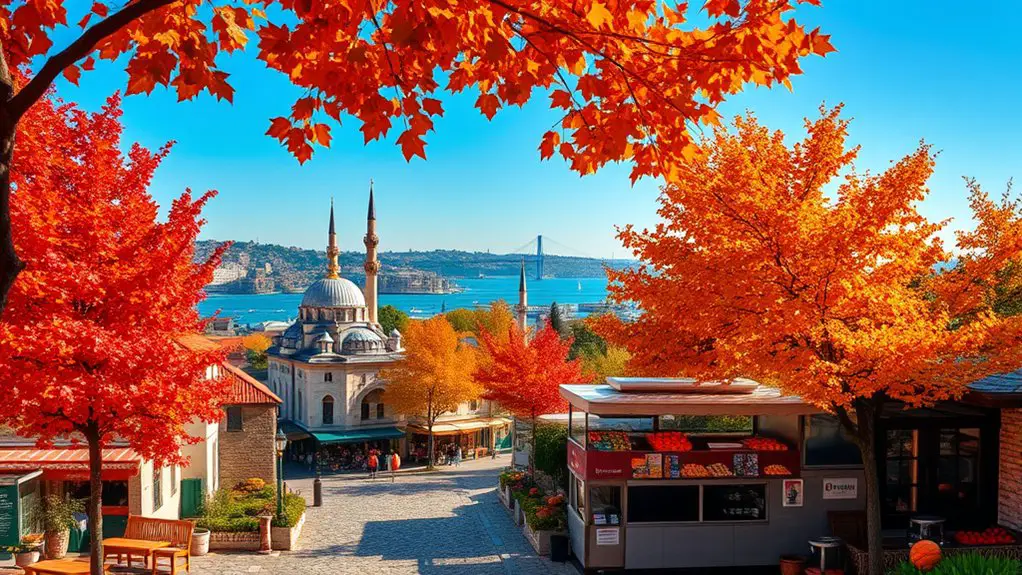
When summer heat begins to fade, Istanbul becomes easier to explore on foot. September still feels warm, with an average high around 25.9°C (79°F), while October averages about 20.6°C (69°F).
September and October offer one of Istanbul’s best combinations of mild temperatures, outdoor sightseeing, and cooler evenings.
Parks such as Emirgan, Gülhane, and Yıldız can take on autumn colors, while historic neighborhoods remain comfortable for longer walks. Balat, Fener, Karaköy, Üsküdar, and the Bosphorus waterfront all work well when the midsummer heat has eased.
Autumn is also attractive for photography because lower seasonal light can soften city views. It is a good time to combine major landmarks such as Hagia Sophia with parks, ferry trips, cafés, contemporary art spaces, and neighborhood exploration.
Keep in mind that October becomes wetter than September. Official climate data shows average monthly rainfall rising from about 39.7 mm in September to 66.3 mm in October and 78.1 mm in November.
A light waterproof jacket and closed walking shoes therefore become increasingly useful as the season progresses.
Winter: A Unique Charm and Fewer Tourists
Winter offers a quieter side of Istanbul. December through February is cooler and wetter, making the season better suited to travelers who enjoy museums, food, cafés, hammams, historic interiors, and slower-paced city breaks.
Average daytime highs are about 11.8°C (53°F) in December, 9.6°C (49°F) in January, and 10.2°C (50°F) in February. Rain is common, so waterproof shoes and an umbrella are more important than preparing for deep snow.
Note: Istanbul can receive snow, but it is not dependable enough to plan a trip around snowy scenery. Expect cool, damp weather first and treat snowfall as a bonus if it happens.
Scenic Winter Landscapes
Winter skies, mist over the Bosphorus, wet stone streets, and quieter waterfronts can give the city a very different atmosphere from summer. On the occasional snowy day, landmarks such as Hagia Sophia and the Blue Mosque can look striking, but rain and cloud are much more typical.
Fewer people may also make some outdoor viewpoints and neighborhoods feel calmer, especially away from weekends and major holiday periods.
Use clear-weather windows for Bosphorus walks and viewpoints, then keep museums, mosques, palaces, bazaars, cafés, and hammams as flexible indoor options when rain arrives.
Cultural Festivals and Events
Winter still offers concerts, exhibitions, theater, New Year’s events, and indoor cultural programming, but the original claim that the Istanbul Film Festival takes place in December is incorrect.
The Istanbul Film Festival is a spring event. The 45th edition ran from April 9-19, 2026, according to the Istanbul Foundation for Culture and Arts.
Winter visitors should instead check current theater, concert, gallery, and museum calendars, since specific programs change annually.
Peaceful Exploration Opportunities
Cooler months can be especially rewarding if you dislike summer heat. Wander historic streets between showers, stop at neighborhood cafés, enjoy Turkish tea, and spend more time inside museums, covered markets, mosques, and palaces.
A Bosphorus ferry ride can still be worthwhile in winter, but wind on the water may make the temperature feel colder, so bring a warm outer layer, scarf, and weather-resistant shoes.
Monthly Weather Overview: What to Expect
The table below uses long-term Istanbul statistics published by the Turkish State Meteorological Service. These are climate averages, not forecasts, so individual trips can be warmer, colder, wetter, or drier.
| Month | Avg. High | Avg. Low | Avg. Rainy Days | Travel Feel |
|---|---|---|---|---|
| January | 9.6°C / 49°F | 4.2°C / 40°F | 16.3 | Cold, damp, quiet |
| February | 10.2°C / 50°F | 4.2°C / 40°F | 13.9 | Cool, changeable |
| March | 12.4°C / 54°F | 5.5°C / 42°F | 12.6 | Cool early spring |
| April | 17.4°C / 63°F | 9.2°C / 49°F | 10.1 | Mild, tulip season |
| May | 22.3°C / 72°F | 13.6°C / 56°F | 7.5 | Warm and comfortable |
| June | 27.1°C / 81°F | 18.0°C / 64°F | 5.4 | Warm, lively |
| July | 29.7°C / 85°F | 20.5°C / 69°F | 3.5 | Hot, dry, busy |
| August | 29.7°C / 85°F | 20.8°C / 69°F | 3.6 | Hot and humid |
| September | 25.9°C / 79°F | 17.6°C / 64°F | 5.5 | Warm and pleasant |
| October | 20.6°C / 69°F | 13.7°C / 57°F | 9.5 | Mild, increasingly wet |
| November | 16.1°C / 61°F | 9.9°C / 50°F | 11.3 | Cool and wetter |
| December | 11.8°C / 53°F | 6.5°C / 44°F | 15.5 | Cool, damp, festive |
For most first-time visitors focused on walking and sightseeing, April-May and September-October offer the easiest balance. June is warmer but still appealing, while July and August suit travelers comfortable with heat. November through March requires more flexible indoor planning.
Festivals and Events: Timing Your Visit
Istanbul’s cultural calendar can influence the best month for your trip, but event dates are not identical every year. Always verify the current schedule before booking around a particular festival.
- Tulip season: April is the main period for large municipal tulip displays. Istanbul’s 2026 Tulip Festival celebrations took place April 11-12.
- Istanbul Film Festival: The 2026 edition ran April 9-19.
- Istanbul Music Festival: The 2026 edition ran June 11-25.
- Istanbul Jazz Festival: The 2026 festival ran from June 30 through July 13.
- Istanbul Biennial: This is not an annual autumn event. The next edition is scheduled for September 18-November 14, 2027.
- New Year’s period: December 31 brings nightlife, dinners, concerts, and celebrations, although specific programs vary by venue and year.
For the latest Film, Music, Jazz, Theatre, and Biennial schedules, check the official Istanbul Foundation for Culture and Arts calendar.
Religious dates also shift each year because the Islamic calendar is lunar. For example, Ramadan began on February 19 in 2026 and Eid al-Fitr fell on March 20-22. Check the current calendar published by Türkiye’s Presidency of Religious Affairs before planning around Ramadan or Eid.
Note: Public holidays, Eid periods, major festivals, and New Year’s celebrations can change transportation demand, attraction hours, restaurant availability, and domestic travel patterns. Recheck opening hours shortly before your visit.
Best Activities for Each Season
Each season rewards a slightly different style of trip.
Spring: Explore tulip displays, parks, the Historical Peninsula, outdoor markets, Bosphorus viewpoints, and café terraces. Seasonal produce and fresh herbs also make spring rewarding for food-focused travelers.
Summer: Take evening walks along the Bosphorus, ride ferries, attend open-air concerts, visit the Princes’ Islands, and plan a beach day at an appropriate Marmara or Black Sea swimming area. Shift major sightseeing to morning or later afternoon on hotter days.
Autumn: Combine long neighborhood walks with historic sites, parks, photography, roasted chestnuts from street vendors, galleries, and relaxed café stops. September is warmer; October feels more distinctly autumnal.
Winter: Prioritize museums, bazaars, hammams, palaces, mosques, food experiences, cafés, and covered attractions. Use dry spells for waterfront walks and ferry rides.
Matching activities to the season makes a bigger difference than simply choosing the warmest month.
Tips for Dealing With Crowds
Istanbul is a major city rather than a destination with one simple tourist season. Weekends, holidays, cruise schedules, school breaks, festivals, and individual attraction hours can all affect crowd levels.
Visit Off-Peak Hours
For major sights, early arrival is usually the most reliable strategy. Do not assume that “after sunset” will automatically be quieter because some attractions may already be closed or approaching last admission.
- Arrive near opening time: This often gives you the best chance of seeing major attractions before the day’s biggest visitor flow.
- Use late afternoon carefully: It can be calmer at some sites, but always check last-entry and closing times first.
- Favor weekdays: Local parks, waterfront areas, islands, and shopping districts can be noticeably busier on weekends.
- Use shoulder seasons: April-May and September-October avoid the hottest summer weather while still supporting long sightseeing days.
Explore Lesser-Known Attractions
Moving beyond Istanbul’s most famous monuments can create a more relaxed itinerary, although once-quiet areas such as Balat and Karaköy are now popular attractions in their own right.
Consider Yıldız Park, Fener’s side streets, Asian-side waterfront neighborhoods, smaller museums, local markets, and green spaces away from the Historical Peninsula.
Çamlıca Hill offers broad city views, while Yıldız Park provides a greener break between sightseeing stops. Balat remains worthwhile for its historic streets and colorful buildings, but visit early if you prefer quieter photography.
Weather Considerations for Outdoor Attractions
Istanbul’s outdoor attractions are highly seasonal, so build some flexibility into your itinerary.
Official climate data shows Istanbul averaging roughly 3-4 rainy days per month in July and August, compared with about 14-16 rainy days per month in midwinter.
- Spring (March-May): Conditions improve steadily, but March can still be chilly and April showers remain possible.
- Summer (June-August): Warm, relatively dry weather favors ferries and outdoor dining. Schedule strenuous walks outside the hottest afternoon hours.
- Autumn (September-November): September is warm and comparatively dry, while October and November become progressively cooler and wetter.
- Winter (December-February): Expect cool temperatures, wind, and rain. Snow can occur but should not be assumed.
Before a long ferry trip, island excursion, beach day, or outdoor walking route, check the short-term forecast rather than relying only on seasonal averages.
Packing Essentials for Different Seasons
Istanbul is a walking-heavy destination with hills, stone paving, ferries, and frequent transitions between indoor and outdoor spaces, so comfortable footwear matters in every season.
| Season | Packing Essentials |
|---|---|
| Spring | Light jacket, layers, compact umbrella, comfortable walking shoes |
| Summer | Lightweight clothing, sunscreen, hat, reusable water bottle, breathable walking shoes |
| Autumn | Layers, sweater, light waterproof jacket, closed walking shoes |
| Winter | Warm coat, sweater or thermal layer, umbrella, scarf, waterproof shoes, gloves |
In spring and autumn, layers are more useful than one heavy garment because temperatures can shift between morning, afternoon, and evening. Summer calls for breathable fabrics and sun protection. During winter, wind and damp conditions can make the city feel colder than the thermometer suggests.
When visiting active mosques, bring clothing that allows you to dress modestly. Requirements and visitor access can also change around prayer times.
Frequently Asked Questions
What is the average temperature in Istanbul throughout the year?
According to the Turkish State Meteorological Service, Istanbul’s monthly mean temperature ranges from about 6.8°C (44°F) in January to 24.7°C (76°F) in July and August. Average daytime highs range from about 9.6°C (49°F) in January to 29.7°C (85°F) in July and August.
How does humidity vary across different seasons in Istanbul?
Istanbul’s location beside the Bosphorus, Sea of Marmara, and Black Sea gives it a maritime feel. Summer is warm and often humid, so hot days can feel muggy. Winter is cooler and wetter and can feel damp, while spring and autumn generally provide the most comfortable balance for sightseeing.
Are there off-peak travel times for better deals?
January and February are among the best periods to look for lower-season accommodation and airfare because cool, wet weather reduces demand for outdoor sightseeing. Late November and early March can also be worth checking. Prices still vary around New Year’s, public holidays, major events, and weekends, so compare your exact dates rather than assuming every winter stay is cheaper.
What should I wear for unpredictable weather in Istanbul?
Use layers. A lightweight base layer, sweater or overshirt, and weather-resistant outer layer work well during spring and autumn. Carry a compact umbrella when rain is possible and wear comfortable shoes with good grip. In winter, add a warm coat and scarf; in summer, switch to breathable clothing and sun protection.
How do local holidays affect tourist attractions and crowds?
Religious holidays, national holidays, school breaks, and major events can affect traffic, domestic travel, business hours, and crowd patterns. Ramadan itself moves earlier each Gregorian year, and the dates of Eid al-Fitr and Eid al-Adha also change. Check official calendars and individual attraction hours shortly before your visit.
Sources
- Turkish State Meteorological Service — Istanbul Climate Statistics — monthly temperature, rainfall, and rainy-day averages.
- GoTürkiye — Istanbul Climate — official tourism guidance on seasonal weather and humidity.
- Istanbul Metropolitan Municipality — Istanbul Tulip Festival — official municipal spring and tulip-event information.
- Istanbul Foundation for Culture and Arts — official Film, Music, Jazz, Theatre, and Biennial calendars.
- Presidency of Religious Affairs — Religious Days Calendar — official Ramadan and Eid dates.
- GoTürkiye — Istanbul Nature and Beaches — official information on beaches, parks, islands, and outdoor destinations.
Conclusion
For most travelers, the best time to visit Istanbul is April to May or September to October. These months offer a strong balance of comfortable weather, outdoor sightseeing, ferry rides, neighborhood walks, and seasonal scenery. Choose summer for warm evenings, festivals, islands, and beaches, or winter for a quieter, more indoor-focused trip. Whatever season you pick, check the short-term forecast and current event calendar before departure so Istanbul’s changing weather and schedule work in your favor.
