
Last Updated on August 26, 2026 by Daniel Globe
British Columbia can be rewarding in every season, but the best time to visit depends on where you are going and what you want to do. Coastal cities, Interior valleys, mountain regions, and northern B.C. have very different weather patterns, so choosing a season by activity is more useful than treating the entire province as having one climate.
Quick Answer
The best time to visit British Columbia depends on your trip. June through September offers the widest access to hiking, lakes, festivals, and coastal activities; May–June and September–October can bring milder weather and fewer crowds; and December through March is best for skiing. Always check regional wildfire, smoke, road, and park-access conditions.
Key Takeaways
- Spring: Good for blossoms, city trips, waterfalls, lower-elevation hikes, and generally lighter crowds, although rain and lingering mountain snow are common.
- Summer: Best for the widest range of hiking, camping, paddling, festivals, and road trips, but it is also peak season and wildfire smoke can affect some areas.
- Fall: Excellent for harvest events, Okanagan wine country, cooler hiking weather, fall color, and some salmon-related wildlife viewing.
- Winter: Best for skiing, snowboarding, snowshoeing, hot springs, and mountain-resort trips.
- There is no single best month for all of B.C. Your ideal dates depend on region, activity, crowd tolerance, and current conditions.
Disclosure: As an Amazon Associate I earn from qualifying purchases. Some links on this page are affiliate links, at no extra cost to you.
Best Time to Visit British Columbia by Trip Type
| Trip Goal | Best General Window | Why |
| Hiking and road trips | June–September | The broadest range of roads, trails, campgrounds, and mountain destinations is normally accessible. |
| Fewer crowds | May–June or September–October | Shoulder seasons can offer comfortable sightseeing weather with less peak-summer demand. |
| Cherry blossoms and gardens | March–May | Vancouver’s cherry blossoms and spring gardens are major seasonal attractions, although bloom timing varies by year. |
| Okanagan wine and harvest trips | September–October | Harvest events, cooler weather, vineyard scenery, and fall programming make this a strong period for wine-country trips. |
| Skiing and snowboarding | December–March | Major mountain resorts normally operate through the core winter snow season, subject to individual resort conditions. |
| Wildlife viewing | Varies by species | Spring can be productive for bears in some areas, summer for marine wildlife, and late summer/fall for salmon-related bear and eagle activity. |
Pro Tip: If your schedule is flexible, late May through June and September can provide an attractive balance of outdoor access, milder temperatures, and fewer peak-season crowds. Mountain snow, wildfire conditions, and individual attraction schedules can still change what is practical.
Spring in British Columbia: Blossoms, Gardens, and Mild Coastal Days
Spring in British Columbia brings longer days, fresh greenery, waterfalls, and flowering gardens. Vancouver and Victoria are especially attractive during this period, with cherry blossoms, magnolias, tulips, and other spring flowers appearing across parks and residential streets.
The Vancouver Cherry Blossom Festival celebrates the city’s spring bloom with community events during March and April. Bloom dates vary with weather, so travelers visiting specifically for cherry blossoms should check the festival’s bloom information close to their trip.
Stanley Park is a convenient place to combine spring scenery with walking or cycling, while The Butchart Gardens near Victoria offers extensive seasonal floral displays. Spring can also be a good time for lower-elevation hiking and biking before peak summer crowds arrive.
Do not assume, however, that all of British Columbia has mild spring weather. Coastal Vancouver and Victoria warm earlier than many mountain and northern destinations, and snow can remain on high-elevation trails well into late spring or early summer.
Official Environment and Climate Change Canada climate normals show why regional planning matters: Vancouver’s climate is considerably milder than many Interior or mountain destinations.
Wildlife also becomes more active during spring. Bears may emerge from dens and move toward feeding areas in parts of the province, while migrating and nesting birds create good birdwatching opportunities. Wildlife should always be viewed from a safe distance without feeding or approaching animals.
Summer in British Columbia: Outdoor Adventures and Festivals
Summer provides the widest range of outdoor opportunities in British Columbia. Long daylight hours support hiking, camping, cycling, paddling, sightseeing, road trips, fishing, and coastal excursions. Popular destinations such as Garibaldi Provincial Park, Pacific Rim National Park Reserve, the Okanagan, Vancouver Island, and mountain communities can be especially busy.
Weather varies sharply by region. Environment and Climate Change Canada’s 1991–2020 normals show a July normal daily maximum of about 23°C (73°F) at Vancouver Harbour, while Kelowna’s July normal daily maximum is about 28.5°C (83°F). Hotter and cooler periods occur, and mountain conditions can differ from nearby valleys.
British Columbia does not have one “summer temperature.” Coastal Vancouver is normally cooler than the Okanagan Interior, while mountain elevations can remain much colder than communities in nearby valleys.
Iconic hiking experiences include Garibaldi Lake and the multi-day West Coast Trail. The West Coast Trail requires advance planning through Parks Canada, while Garibaldi has its own reservation and seasonal day-use requirements. Travelers should verify the current rules for each destination instead of assuming trail access is unrestricted.
Coastal areas offer kayaking, sailing, fishing, and wildlife-viewing opportunities. Beaches and lakes become popular during warm spells, while communities throughout the province host farmers’ markets, concerts, fairs, and cultural celebrations.
British Columbia’s summer festival calendar is extensive. The Vancouver Folk Music Festival returned to Jericho Beach Park from July 17–19 in 2026. The Victoria Fringe Festival runs August 26–September 6 in 2026, while the 2026 PNE Fair in Vancouver runs August 22–September 7. Festival dates change from year to year, so verify the organizer’s current calendar before building flights or accommodation around an event.
Warning: Wildfires, smoke, evacuation orders, fire restrictions, and road closures can affect summer and early-fall travel in British Columbia. Before traveling between regions, check the BC Wildfire Service, EmergencyInfoBC, DriveBC, and current air-quality information. Never enter an area under an evacuation order or area restriction.
Summer Reservations and Peak-Season Demand
Summer is also the province’s busiest general sightseeing season. Popular hotels, ferries, campsites, and guided activities may have limited availability, particularly on weekends and around holidays.
BC Parks frontcountry camping reservations can currently be made for an entire stay up to three months before the planned arrival date. Backcountry areas have their own requirements, and some busy destinations use seasonal day-use passes.
For example, BC Parks requires summer day-use vehicle passes at selected Garibaldi Park trailheads in 2026. Requirements can change each year, so always check the individual park page before departure.
Fall in British Columbia: Foliage, Harvests, and Cooler Hiking Weather
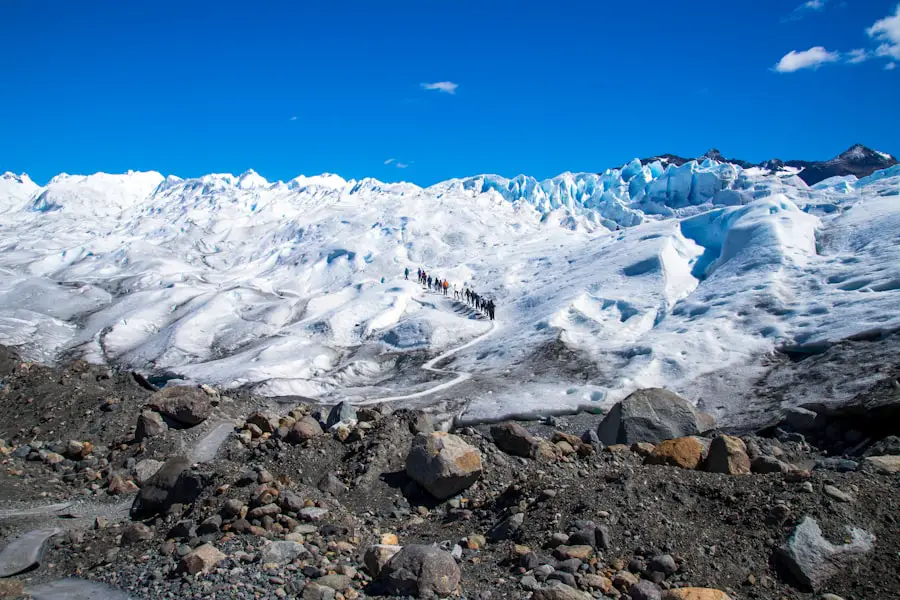
As summer fades into autumn, parts of British Columbia develop bright yellow, orange, and red foliage alongside the province’s dominant evergreens. The Okanagan Valley is especially appealing for travelers interested in vineyards, harvest activities, local food, and cooler sightseeing weather.
The Okanagan Wine Festivals calendar includes fall tastings and winery events. In 2026, programming extends through September and October, including several organized tasting experiences. Anyone planning specifically around a wine event should confirm dates, tickets, transportation, and age requirements with the organizer.
Fall is also associated with pumpkin patches, apple picking, farmers’ markets, and seasonal produce across many communities. The Great Canadian Beer Festival in Victoria is another established fall event for adults interested in Canadian craft beer; annual dates should be checked through the Victoria Beer Society before travel.
Cultural celebrations such as Diwali also add to the fall calendar in Metro Vancouver and other communities. Event dates can vary because some festivals follow religious or cultural calendars rather than fixed weekends.
September can remain warm in many regions, while October generally brings cooler conditions and more rain on the coast. Mountain weather can change much faster, and snow may begin affecting higher elevations before winter officially starts.
For hikers, early fall can provide cooler temperatures and fewer insects than midsummer. However, shorter daylight hours, rapidly changing mountain weather, and seasonal trail conditions should be considered when planning longer outings.
Winter in British Columbia: Skiing, Snowboarding, and Hot Springs
| Activity | Location | Typical Trip Style |
| Skiing | Whistler Blackcomb | Full day or multi-day resort trip |
| Snowboarding | Big White Ski Resort | Half day, full day, or multi-day stay |
| Snowshoeing | Grouse Mountain | Several hours |
| Ice Skating | Robson Square Ice Rink | Short city activity; check seasonal operating dates |
| Hot Springs | Harrison Hot Springs | Relaxation day or overnight stay |
Winter turns British Columbia’s mountain regions into major destinations for skiing and snowboarding. Whistler Blackcomb, Big White, and other resorts provide terrain for different ability levels, while snowshoeing, skating, Nordic skiing, and other winter activities broaden the options beyond downhill skiing.
Winter conditions differ dramatically across the province. Coastal cities such as Vancouver and Victoria are usually much milder than Interior, northern, and mountain destinations. A rainy day at sea level can coincide with heavy snow at higher elevations.
Mountain towns such as Nelson and Fernie combine winter recreation with restaurants, accommodations, and après-ski activities. Hot-spring destinations, including Harrison Hot Springs and Ainsworth Hot Springs, can also fit naturally into a cold-weather itinerary.
Winter road travel requires more preparation than a summer city trip. Check highway conditions, mountain-pass forecasts, vehicle requirements, and closures before departure, especially when driving between regions.
Best Time for Wildlife Viewing in British Columbia
British Columbia supports bears, whales, sea lions, eagles, salmon, migratory birds, and many other species, but there is no single wildlife-viewing season that applies to every animal or destination.
Spring can be productive for bear viewing in some regions as animals become active after winter. Knight Inlet and other parts of the Great Bear Rainforest offer guided viewing opportunities from spring into fall. The B.C. government’s Great Bear Rainforest visitor information identifies Knight Inlet and the Khutzeymateen Grizzly Sanctuary among notable bear-viewing destinations.
Summer can be rewarding for marine-wildlife excursions along Vancouver Island and the mainland coast. Depending on location and timing, tours may encounter humpback whales, orcas, sea lions, porpoises, and other marine wildlife. Sightings are never guaranteed, and responsible operators follow viewing rules designed to reduce disturbance.
Late summer and fall can produce dramatic wildlife activity around salmon runs. In parts of the Great Bear Rainforest, salmon begin returning around late August, with strong activity commonly occurring in September or October. Bears, bald eagles, gulls, ravens, and other animals may gather near productive rivers.
Note: Wildlife is unpredictable. Never approach or feed a wild animal for a photograph. Keep food and scented items secured in bear country, follow posted park guidance, and consider a qualified wildlife-viewing operator when visiting remote bear habitat.
Ideal Seasons for Outdoor Activities in British Columbia
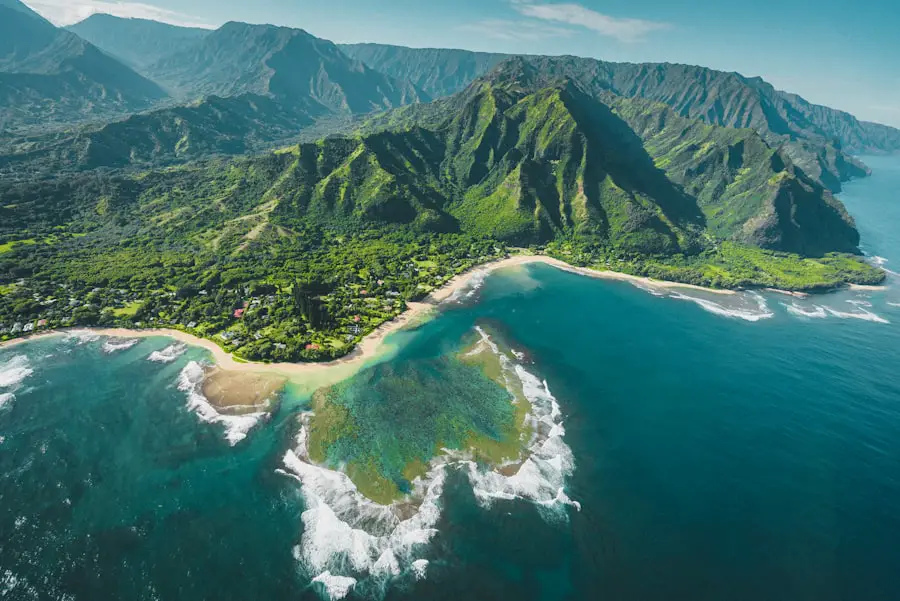
British Columbia’s varied geography supports outdoor recreation throughout the year, but conditions depend heavily on elevation and region.
Spring
Spring is useful for lower-elevation walks, urban cycling, waterfalls, gardens, and some coastal hiking. Routes around Vancouver and Victoria may become pleasant well before high mountain trails are free of snow. Always check current trail conditions instead of assuming a trail is summer-ready because temperatures are mild in town.
Summer
Summer is the broadest season for hiking, camping, kayaking, paddleboarding, sailing, swimming, mountain biking, and beach outings. Kitsilano Beach, Okanagan Lake, Vancouver Island, and the Sea-to-Sky corridor all attract heavy summer use.
Popular backcountry destinations may require reservations. Garibaldi Park requires reservations for overnight backcountry camping, and other high-use parks have their own rules. Book early when a reservation window applies.
Fall
Fall is excellent for cooler hiking, scenic road trips, vineyard visits, apple picking, and harvest events. September often provides a useful transition between peak summer and colder late-autumn weather, although smoke or wildfire conditions can persist in some years.
Winter
Winter brings skiing, snowboarding, snowshoeing, Nordic skiing, skating, and winter-resort trips to the foreground. Snow conditions vary from year to year, so resort snow reports and road conditions are more useful than relying only on calendar dates.
When to Visit British Columbia for Cultural Events and Festivals
Cultural events and festivals can influence the best time to visit, particularly if you want to combine sightseeing with music, theatre, food, art, or community celebrations.
Spring brings the Vancouver Cherry Blossom Festival, which celebrates the city’s cherry trees through community activities during March and April. The program includes blossom walks and Japanese-culture-related events alongside broader arts and community programming.
Summer has the busiest festival calendar. The Vancouver Folk Music Festival brings Canadian and international performers to Jericho Beach Park. Victoria Fringe presents theatre, comedy, dance, music, and other live performance. Vancouver’s PNE Fair adds rides, entertainment, agricultural exhibits, food, and family activities later in summer.
Pride events across British Columbia also celebrate LGBTQ+ communities and culture, while neighborhood street festivals and community events add more options in Vancouver and other cities.
Fall brings Okanagan wine and harvest events, Diwali celebrations, craft-beer events, and community markets. Winter shifts toward holiday markets, light displays, performing arts, and mountain-town celebrations.
Note: Festival dates, venues, ticket policies, and even event formats change annually. Verify the official organizer’s schedule before booking non-refundable transportation or accommodation specifically for an event.
How British Columbia’s Climate Changes by Region
One of the most important planning points is that British Columbia cannot be described with a single provincial temperature range.
- Vancouver and the southwest coast: Winters are comparatively mild and wet, while summers are normally moderate rather than extremely hot.
- Victoria and southern Vancouver Island: Generally mild by Canadian standards, with a long sightseeing season and relatively modest winter temperatures.
- Okanagan and southern Interior: Summers are normally hotter than the coast, making lakes and wineries popular, while winters are colder.
- Mountain regions: Elevation can keep snow on hiking routes well after nearby towns have spring weather. Conditions can change rapidly.
- Northern British Columbia: Winters are generally longer and colder, and seasonal daylight patterns differ substantially from the south coast.
This regional variation is why travelers should check forecasts for the exact communities, parks, and mountain passes on their itinerary rather than relying on a single “British Columbia weather” forecast.
Wildfire, Smoke, and Road Conditions
Summer and early fall travelers should include wildfire planning in their itinerary. Fires do not affect every part of British Columbia at the same time, but smoke can travel far from an active fire and road or recreation restrictions can change quickly.
Before traveling, check the BC Wildfire Service dashboard for active fires and restrictions, EmergencyInfoBC for evacuation alerts and orders, DriveBC for highway conditions, and provincial air-quality information for smoke-related health risk.
If conditions change during the trip, follow local emergency instructions and be prepared to alter your route. Avoid traveling into communities under evacuation orders or areas restricted for firefighting operations.
Tips for Choosing the Right Season to Visit British Columbia
Start with the activity that matters most. If skiing or snowboarding is the priority, plan around the winter snow season. If you want the greatest selection of hiking, camping, paddling, and road-trip options, summer is generally more suitable. If you prefer wine country, cooler hikes, and harvest events, look toward early fall.
Next, consider your tolerance for crowds and accommodation costs. July and August are popular travel months, so famous destinations can feel busy and desirable accommodation may disappear early. May, June, September, and sometimes early October can work well for travelers who value a quieter experience.
Then consider regional weather. Spring rain in Vancouver does not tell you whether a mountain route near Whistler is snow-free, just as warm weather in Kelowna does not describe conditions on Vancouver Island’s west coast.
For camping and popular hikes, investigate reservation requirements before choosing dates. BC Parks currently opens many frontcountry reservations three months before arrival, while backcountry destinations may have separate rules. Parks Canada destinations such as the West Coast Trail also have their own reservation systems.
If wildlife is a priority, choose your region and species before choosing your month. Spring bear viewing, summer marine excursions, and salmon-related fall wildlife experiences have different timing and geography.
Finally, keep some flexibility during wildfire season. Monitoring current conditions shortly before and during the trip is more useful than assuming a destination will be unaffected because it was clear when you booked months earlier.
For spring packing organization, the existing guide on 5 Must-Have Packing Cubes for Your Spring 2025 Getaway includes ideas for keeping clothing and travel essentials organized.
Frequently Asked Questions
What is the best time to travel to British Columbia?
For the widest range of hiking, camping, sightseeing, road trips, and water activities, June through September is generally the easiest period. However, December through March is better for skiing, while May–June and September–October can be better for travelers seeking fewer crowds or milder sightseeing conditions.
What is the weather like in British Columbia during summer?
Summer weather varies substantially by region. Vancouver’s 1991–2020 normal July daily maximum is about 23°C (73°F), while Kelowna’s is about 28.5°C (83°F). Mountain and northern areas can be much cooler, especially at night or at higher elevations.
What are popular summer activities in British Columbia?
Popular summer activities include hiking, camping, cycling, kayaking, paddleboarding, fishing, swimming, wildlife viewing, mountain biking, scenic road trips, and visits to provincial and national parks.
Are there festivals worth planning a British Columbia trip around?
Yes. Examples include the Vancouver Cherry Blossom Festival in spring, Vancouver Folk Music Festival in summer, Victoria Fringe, the PNE Fair, Okanagan wine events, Pride celebrations, Diwali events, and seasonal community festivals. Dates change each year, so check the official organizer before booking.
Should I book accommodations and activities in advance?
Yes, especially for July and August, major festivals, ski holidays, popular campgrounds, and famous backcountry areas. BC Parks currently allows many frontcountry camping reservations up to three months before arrival, while individual parks and Parks Canada destinations can have different reservation systems.
When is the best time to visit British Columbia with fewer crowds?
Late spring and early fall are often good choices. May through June and September through early October can provide pleasant sightseeing conditions with less peak-summer demand, although mountain snow, rain, wildfire smoke, and seasonal closures remain possible.
When is the best time for wildlife viewing in British Columbia?
It depends on the species and location. Spring can be productive for bear viewing in some areas, summer supports many coastal marine-wildlife trips, and late summer through fall can bring strong wildlife activity around salmon runs. Use reputable operators and follow wildlife-distance and food-storage rules.
Sources
- Environment and Climate Change Canada — Vancouver 1991–2020 Climate Normals — supports coastal temperature guidance.
- Environment and Climate Change Canada — Kelowna 1991–2020 Climate Normals — supports Interior temperature guidance.
- BC Parks — Frontcountry Camping Reservations — supports current camping reservation-window guidance.
- BC Parks — Day-Use Passes — supports current seasonal access requirements at high-use parks such as Garibaldi.
- Province of British Columbia — Visit the Great Bear Rainforest — supports Knight Inlet, bear-viewing, and salmon-run information.
- BC Wildfire Service — official current wildfire information for trip planning.

