
Last Updated on July 28, 2026 by Daniel Globe
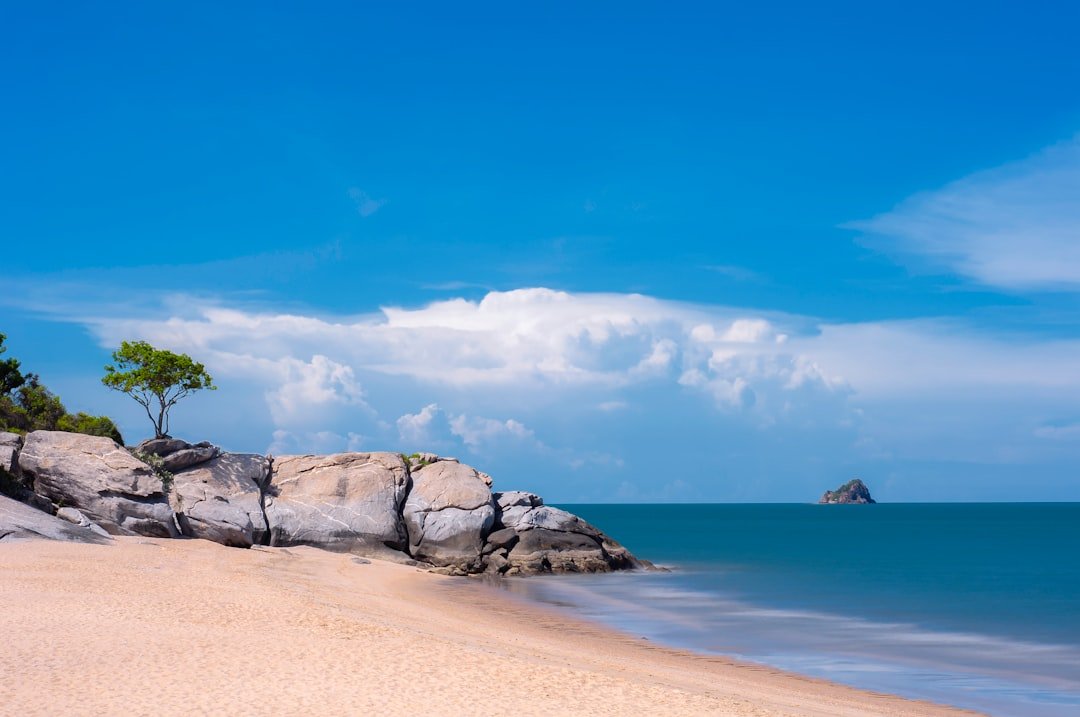
Turks and Caicos combines white-sand beaches, clear Atlantic water, coral reefs, and warm temperatures throughout the year, but some months are noticeably better than others for weather, prices, crowds, and specific activities. The archipelago has 40 main islands and cays, nine of which are inhabited, with Providenciales serving as the main tourism hub. For most first-time visitors, February through April offers the strongest overall balance of dry weather and comfortable conditions, while late summer and early fall usually bring the lowest resort rates.
Quick Answer
The best time to visit Turks and Caicos is generally February through April for mild, relatively dry weather and excellent beach conditions. May through July can offer calmer seas and better value, while late August through early November usually has the lowest hotel rates but also the greatest hurricane-season risk.
Key Takeaways
- Best overall: February, March, and April offer an excellent mix of mild temperatures, lower rainfall, and dependable beach weather.
- Best value: May through July often brings lower accommodation demand, warm water, and calm ocean conditions.
- Lowest prices: Late August through early November is usually the cheapest period, but it overlaps with the riskiest part of Atlantic hurricane season.
- Best for whales: Humpback whales migrate through the region from late December through early April, with late January through mid-March typically offering the strongest viewing period.
- Events: Use current event listings rather than older travel guides. The once-popular Turks and Caicos Conch Festival has not been held since 2018.
Disclosure: As an Amazon Associate I earn from qualifying purchases. Some links on this page are affiliate links, at no extra cost to you.
Best Time to Visit Turks and Caicos by Travel Priority
| Travel Priority | Best Time | What to Expect |
| Best overall trip | February–April | Relatively dry weather, comfortable temperatures, and excellent beach conditions, but higher prices. |
| Calm seas and value | May–July | Warmer weather, often calmer ocean conditions, and generally lower accommodation demand. |
| Lowest accommodation prices | Late August–early November | Deep discounts and fewer visitors, balanced against greater storm disruption risk. |
| Humpback whale watching | Late December–early April | Peak sightings are typically from late January through mid-March. |
| Kiteboarding | November–May | Trade winds tend to be more dependable than during the calmest summer periods. |
| Fewest crowds | September–October | Very quiet resorts and beaches, but this is also the period when tropical weather deserves the most attention. |
Products Worth Considering

PORTABLE 6 FT BEACH UMBRELLA - The lightweight design and included shoulder carry bag make this beach umbrella easy to transport to the beach, park, campground, sporting events, vacations, and backyard gatherings.

Effortless Portability & Compact Design:Foldable lightweight frame and included carry bag make this umbrella perfect for travel. Easily fits in backpacks, car trunks, or beach totes—set up in seconds for instant shade anywhere.

THIS UMBRELLA INCLUDES THE ULTRA BASE WHICH IS COMPLIANT WITH THE ASTM F3681-24 BEACH UMBRELLA SAFETY STANDARD: Engineers from the Consumer Product Safety Commission have determined that for a 7½' umbrella to be safe it must incorporate 75 lbs of resistance at the bottom pole. This was found to be effective in securing an umbrella in winds up to 30 mph.
Peak Season: December Through April
December through April is the main tourism season in Turks and Caicos. Travelers escaping colder climates arrive for warm days, clear water, and relatively low rainfall. Current destination guidance identifies February, March, and April as especially strong choices for first-time visitors.
Average daily temperatures across the islands are generally in the upper 70s to low 80s Fahrenheit during the milder part of the year, and the ocean remains warm enough for swimming. January through April also tends to be the driest stretch of the year. See the current Turks and Caicos seasonal travel guidance for updated conditions and tourism-season information.
The main disadvantage is cost. Resorts, villas, popular excursions, and flights can fill quickly around Christmas, New Year’s, Presidents’ Day, spring break, and Easter. Accommodation and some activity rates during high season may run roughly 30% to 50% above lower-season pricing.
For most first-time travelers, February through April offers the best weather-to-risk balance, but it is not the cheapest time to visit.
Reserve high-demand beachfront resorts, private boat charters, and popular restaurants early if you plan to visit during this period. The reward is dependable beach weather and a lively atmosphere without the oppressive heat that can occur later in summer.
Off-Peak Season: When to Travel for Lower Prices
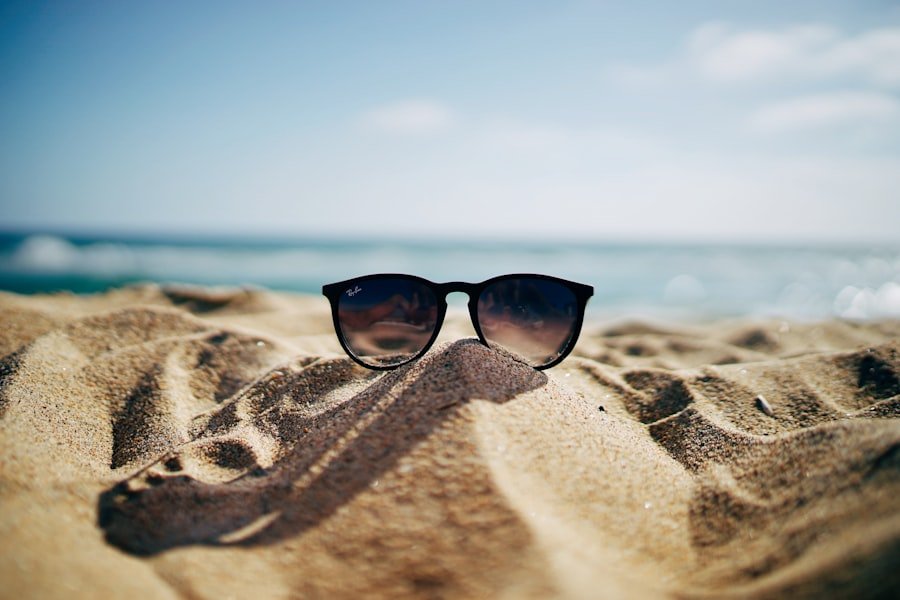
Not every month outside December through April should be treated as equally “off-peak.” May through July works better as a shoulder period: temperatures climb, visitor numbers generally ease, and ocean conditions around Providenciales can be especially calm. This can be one of the best compromises for travelers who want good weather without paying winter rates.
The clearest low season arrives from late summer into early fall. Late August, September, October, and early November commonly offer the lowest accommodation and activity rates. Resorts may advertise free nights or other incentives because demand falls sharply.
There are trade-offs. The low season overlaps with Atlantic hurricane season, temperatures and humidity are higher, and heavy rainfall can temporarily increase mosquitoes. Some restaurants, tour operators, and other tourism businesses use the quietest weeks for maintenance or temporary closure.
Warning: Atlantic hurricane season officially runs from June 1 through November 30. The basin-wide climatological peak occurs around September 10, and tropical activity is generally highest from mid-August through mid-October. A discounted September hotel room can be excellent value, but only if you can tolerate the possibility of flight changes, closures, or a disrupted trip.
The National Hurricane Center’s tropical cyclone climatology is a useful source for understanding seasonal risk. Travelers booking late-summer or fall trips should also read airline change rules and travel-insurance exclusions carefully before paying for nonrefundable reservations.
Pro Tip: Consider May, June, or early July if you want lower rates without accepting the same level of storm risk associated with September and October. These months can also have some of the calmest sea conditions around Providenciales.
Products Worth Considering

Durable, High Quality Vinyl Decal

Durable, High Quality Vinyl Decal

Turks and Caicos Islands Sticker – Celebrate a favorite place and keep travel memories close! This 4 Inch waterproof vinyl sticker is made for travelers, adventure seekers and souvenir collectors and is an easy way to personalize laptops, water bottles, tumblers, notebooks, luggage and more.
Special Events and Festivals: Planning Around Local Culture
Turks and Caicos has recurring culinary, music, and community events, but dates can change from year to year. Always verify an event before booking flights specifically around it.
| Event | Typical Timing | What to Expect |
|---|---|---|
| The Fish Fry | Every Thursday | Providenciales gathering with local food, drinks, music, crafts, and a Junkanoo performance. |
| Valentine’s Day Cup | Valentine’s Day weekend | Model Caicos Sloop races, food, music, and community celebrations at Bambarra Beach on Middle Caicos. |
| Caribbean Food & Wine Festival | Dates vary | Restaurant events, tastings, chef dinners, wine experiences, and other culinary programming on Providenciales. |
| Maskanoo | December 26 | A Boxing Day street festival in Grace Bay featuring live entertainment, costumes, music, and Junkanoo bands. |
The Thursday Fish Fry on Providenciales is one of the easiest cultural events for visitors to add to almost any itinerary. It combines local dishes, drinks, souvenirs, live music, and Junkanoo without requiring a particular travel season.
Maskanoo is the major Boxing Day celebration on Providenciales. For 2026, the event is listed for December 26 in Grace Bay. Junkanoo performances also appear at other holiday celebrations and weekly venues, but travelers should not assume that a large festival takes place every New Year’s Day. Check the current Turks and Caicos events calendar before booking around a particular celebration.
Note: Older travel articles often recommend the Turks and Caicos Conch Festival in November. That festival was held annually in Blue Hills for many years, but its final edition was in 2018. Do not plan a current trip around it unless organizers formally announce a new event.
Weather and Climate: What Changes Through the Year?
Turks and Caicos has a warm tropical climate with far less seasonal temperature variation than most destinations in North America or Europe. Air temperatures generally stay warm throughout the year, and ocean temperatures typically range from about 79°F to 85°F (26°C to 29°C).
The biggest seasonal difference is not temperature but rainfall, wind, and tropical-storm risk. January through April is generally the driest period. Rainfall averages rise later in the year, especially from August through December, and May can also see increased rainfall. Even in wetter months, many showers are localized and relatively brief rather than all-day washouts. Current patterns are summarized in the Turks and Caicos weather guide.
Hurricane season runs from June 1 through November 30. That does not mean every summer or fall vacation will encounter a storm. Long stretches of hot, sunny weather occur during hurricane season, but the possibility of a tropical cyclone adds uncertainty that is largely absent from winter and early spring trips.
For Turks and Caicos specifically, the end of August through September has historically been the period of greatest hurricane concern. Regional systems can also disrupt flights even when they do not make a direct landfall.
What About Sargassum?
Sargassum is another seasonal consideration, especially for travelers choosing a hotel primarily for its beach. Floating sargassum often becomes more noticeable from late spring into summer and early fall, but conditions vary greatly by wind direction and coastline.
Popular beaches such as Grace Bay, Leeward Beach, the Bight Beach, Taylor Bay, and Sapodilla Bay are typically much less affected than some windward coasts. A bad sargassum year elsewhere in the Caribbean therefore does not automatically mean Grace Bay will have the same conditions. Review recent local sargassum information shortly before traveling.
Outdoor Activities: Best Seasons for Snorkeling, Diving, Boating, and Fishing

Products Worth Considering
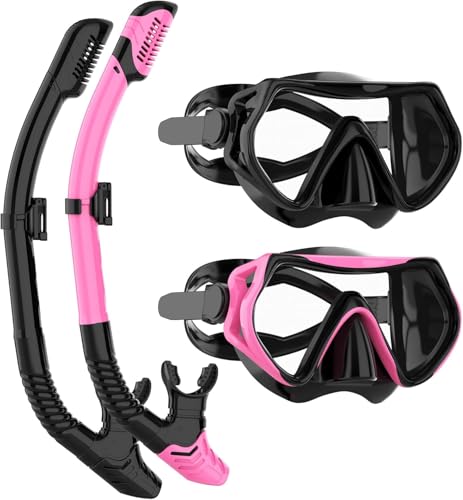
180° PANORAMIC VIEW SNORKEL MASK: JRing snorkel mask features a single layer tempered glass material, explosion proof and crack proof, water pressure resistance, high clarity. The lens is treated with anti-fog technology, which can effectively prevent it from fogging up. Designed for snorkeling, swimming and scuba diving, that offer a stunning 180 degree ultra-wide field of view. Dive into underwater adventures with superior visibility and explore the marine world with joy and ease

LEAK-PROOF SEAL IN 2 SIZES – L/XL fits most adult faces, S/M fits teens and narrow faces. The soft food-grade silicone skirt follows your face curve with no gaps, so no salty water leaking in, no painful red marks, and no stopping to re-adjust mid-swim. Quick-release buckles let you tighten the strap even with wet hands. Fit test before every dive: hold the mask to your face without the strap and inhale gently – if it sticks, the seal is watertight. Check the size guide to pick the right fit.

AFTER SALES SERVICE:As long as you are our customers,since the day you buy snorkel set. We will provide 24-hour uninterrupted service. We sincerelly believe we will bring the customers the most satisfied buying experience.
Best Conditions for Snorkeling, Diving, and Boating
Snorkeling, scuba diving, sailing, kayaking, paddleboarding, and boat excursions are possible throughout the year. Water remains warm, and reefs support colorful fish, sea turtles, rays, and other marine life.
Winter is not automatically the calmest time on the water. May through July often brings particularly calm sea conditions around Providenciales, which can be excellent for snorkeling, paddling, and boat trips. Day-to-day wind still matters, so check the local forecast before scheduling an exposed reef trip.
From November through spring, stronger and more consistent trade winds can be an advantage for kiteboarding and wing sports. Long Bay Beach is especially well known for kiteboarding, and November through May generally provides more reliable wind than the calmest summer periods.
Fishing in Turks and Caicos
Fishing opportunities also vary by target species. Bonefish can be caught throughout the year, although summer and autumn can be particularly productive on the extensive shallow flats. Tarpon are present but considerably less common than bonefish.
Deep-sea fishing is more seasonal. Winter tends to favor species such as wahoo, mahi-mahi, and sailfish, while summer brings better chances for tuna and marlin. Visitors age 16 and older generally need a fishing license, although charter operators commonly arrange one for their clients.
Year-Round Adventure Opportunities
No single season is mandatory for an active vacation. Calm summer mornings can be excellent for paddleboarding and snorkeling, while breezier winter conditions suit wind sports. The best strategy is to choose your travel month based on your highest-priority activity and then schedule individual excursions around the short-term wind and marine forecast.
Wildlife and Nature: When to See Whales, Turtles, and Flamingos
Turks and Caicos has coral reefs, mangrove wetlands, salinas, shallow banks, and protected nature reserves that support marine and bird life throughout the year. Some wildlife experiences, however, are distinctly seasonal.
Humpback Whales
Humpback whales migrate through Turks and Caicos waters from approximately late December through early April. Tours operate from islands including Grand Turk, Salt Cay, South Caicos, and Providenciales. The strongest whale-watching period is usually from late January through mid-March, although sightings are never guaranteed.
Sea Turtles
Sea turtles are much better treated as an in-water wildlife experience than a nesting-season attraction. Green and hawksbill turtles can be seen while snorkeling, diving, kayaking, or paddleboarding, and seagrass areas such as Smith’s Reef can offer good chances to see feeding turtles.
Nesting is a different matter. Nesting populations in Turks and Caicos are relatively small, many important nesting sites are on remote cays, and turtle nesting on Providenciales is uncommon. There are no regular turtle-nesting tours. The current Turks and Caicos sea turtle guide provides more information on responsible viewing.
Flamingos and Other Birds
Flamingos should not be treated as a winter-only attraction. They can be found at suitable wetlands throughout the year, especially on North Caicos, South Caicos, Grand Turk, Salt Cay, and remote protected wetlands. Other resident and migratory birds add variety, particularly around salinas, ponds, mangroves, and tidal flats.
Keep your distance from wildlife, avoid feeding animals, and obey restrictions in nature reserves and protected areas.
Turks and Caicos Month-by-Month
| Month | What It’s Like | Best For |
|---|---|---|
| January | Mild, relatively dry, breezy, and firmly in high season. | Beach trips, kiteboarding, beginning of strong whale season. |
| February | Excellent weather, low rainfall, high prices. | Best overall weather and whale watching. |
| March | Dry, warm, and busy around spring-break periods. | First visits, beaches, whales, diving. |
| April | Excellent weather; Easter can increase demand. | Beach weather with whale season winding down. |
| May | Warmer with calmer seas; rainfall can increase at times. | Value, snorkeling, diving, and boating. |
| June | Hot and often calm; hurricane season begins June 1. | Water activities and shoulder-season pricing. |
| July | Hot, long days, and usually good ocean conditions outside tropical disturbances. | Boating, diving, snorkeling, and summer trips. |
| August | Very warm; prices begin dropping and storm risk rises later in the month. | Deals for flexible travelers. |
| September | Very quiet, inexpensive, hot, and within the climatological peak of Atlantic hurricane activity. | Lowest prices if you accept substantial weather uncertainty. |
| October | Low-season pricing continues; tropical weather remains a concern. | Quiet resorts and bargain stays. |
| November | Temperatures ease, breezes return, and hurricane season ends November 30. | Shoulder-season trips before holiday crowds. |
| December | High season returns, especially around Christmas and New Year’s. | Holiday trips, Maskanoo, wind sports, and the start of whale season. |
Travel Tips for Any Season
Book early for winter and spring. Popular Grace Bay resorts, villas, and premium excursions can sell out during Christmas, Presidents’ Day, spring break, and Easter periods. Booking well ahead also gives you more choice among room categories rather than simply whatever remains available.
Stay flexible during hurricane season. A June-through-November trip can still deliver beautiful weather, but refundable reservations or suitable travel insurance become more valuable. Read the actual policy language: not every insurance policy covers a traveler who voluntarily cancels simply because a storm might develop.
Check the beach, not just the island, for sargassum. Conditions can differ dramatically across coastlines. Grace Bay and nearby leeward beaches are often clear even when exposed windward beaches are receiving seaweed.
Try local food and events. Rather than eating exclusively inside resorts, visit local restaurants and the Thursday Fish Fry for dishes such as cracked conch, conch salad, fish, peas and rice, and other island specialties. Seasonal availability of locally caught seafood can vary.
Consider renting a vehicle. Turks and Caicos does not have a conventional public bus system, and destinations outside central Grace Bay are spread out. A rental car can be more practical than repeatedly using taxis. Traffic drives on the left, and roundabouts are common, so North American visitors should review local driving rules before taking the wheel.
Check current safety information before departure. Conditions and official advice can change. U.S. travelers can review the latest U.S. State Department Turks and Caicos travel information, while visitors from other countries should consult their own government’s travel guidance.
Winter remains a strong choice for travelers who want mild temperatures and predictable beach weather, but it is not automatically the best option for every trip. Travelers focused on value and calm seas may prefer May through July, while those considering September or October should weigh steep hotel discounts against the much greater possibility of tropical-weather disruption.
Frequently Asked Questions
What is the best time to travel to Turks and Caicos?
For most first-time travelers, February through April is the best time to visit Turks and Caicos. These months generally combine mild temperatures, relatively low rainfall, and excellent beach weather. The trade-off is that they fall within high season, so accommodation and flight prices are usually higher.
What is the weather like during the best time to visit?
February through April is usually warm and relatively dry, with comfortable beach temperatures and warm ocean water. January through April generally has the lowest rainfall averages, although brief showers can occur at any time of year.
Are there events or festivals worth planning a trip around?
Yes. The Thursday Fish Fry takes place throughout the year on Providenciales, Maskanoo is held on Boxing Day, and the Valentine’s Day Cup takes place around Valentine’s Day on Middle Caicos. The Caribbean Food & Wine Festival is another major culinary event, although dates can vary. Older guides that promote a November Conch Festival are outdated; the original event last took place in 2018.
Is Turks and Caicos more expensive during the best-weather months?
Usually. December through April is high season, and accommodation and some activity prices can be substantially higher than during late summer and fall. Travelers who want a better balance of weather and value should consider May, June, or early July.
What are the best months for snorkeling, diving, and boating?
These activities are available year-round, but May through July often brings some of the calmest ocean conditions around Providenciales. Winter and spring remain excellent for diving and snorkeling, while November through May tends to provide more dependable wind for kiteboarding.
What is the cheapest time to visit Turks and Caicos?
Late August through early November generally offers the lowest accommodation and activity rates. September and October are especially quiet, but these savings come with higher heat, humidity, rainfall potential, and tropical-storm risk.
When is hurricane season in Turks and Caicos?
Atlantic hurricane season officially runs from June 1 through November 30. The greatest regional tropical-cyclone activity generally occurs from mid-August through mid-October, and historically late August through September has been the period of greatest concern for Turks and Caicos.
When can you see humpback whales in Turks and Caicos?
Humpback whales generally migrate through local waters from late December through early April. Late January through mid-March is typically the strongest part of the whale-watching season, particularly around Grand Turk, Salt Cay, and the Turks Island Passage.
When is sargassum most likely in Turks and Caicos?
Sargassum generally becomes more noticeable from late spring into summer and early fall, but beach exposure matters more than the calendar alone. Grace Bay, Leeward Beach, the Bight Beach, Taylor Bay, and Sapodilla Bay are usually less affected than exposed windward coastlines.
Sources
- Visit Turks and Caicos Islands — Best Times to Visit — tourism seasons, recommended months, prices, rainfall patterns, and seasonal activities.
- Visit Turks and Caicos Islands — Weather — temperatures, rainfall, local hurricane timing, and weather patterns.
- NOAA National Hurricane Center — Tropical Cyclone Climatology — official Atlantic hurricane-season dates and climatological peak.
- Visit Turks and Caicos Islands — Events Calendar — current cultural, culinary, music, and community events.
- Visit Turks and Caicos Islands — Sea Turtles — turtle viewing, nesting locations, and the absence of regular nesting tours.
- U.S. Department of State — Turks and Caicos Islands Travel Information — current entry, safety, security, and travel guidance for U.S. visitors.
