

Last Updated on July 28, 2026 by Daniel Globe
The Philippines has 7,641 islands, and the best time to visit depends on where you are going and what you want to do. Many first-time travelers favor the drier months for beaches and island hopping, but the country has several regional climate patterns. Siargao, the Cordillera highlands, and Pacific-facing areas can follow a different rhythm from Palawan or Boracay.
Quick Answer
For most travelers, the best time to visit the Philippines is December through April, when many popular beach destinations have drier weather. PAGASA broadly classifies December to May as the dry season, with cooler conditions from December to February and hotter weather from March to May. Regional rainfall patterns still vary, especially in Siargao.
Key Takeaways
- December through April is the strongest all-around window for beaches, island hopping, and outdoor sightseeing in many popular destinations.
- PAGASA broadly defines the dry season as December to May and the rainy season as June to November, but rainfall patterns differ by region.
- July through October is the peak typhoon period, so flexible bookings and weather checks matter most in those months.
- Siargao is an important exception: its main surf season runs from September to November, while December to February can be especially wet.
- January through May includes several major festivals, while Christmas, New Year, Holy Week, and headline festival dates can bring heavier demand.
- Wet-season travel can mean fewer crowds and occasional deals, but flight, ferry, and boat-tour disruption becomes more likely during severe weather.
Disclosure: As an Amazon Associate I earn from qualifying purchases. Some links on this page are affiliate links, at no extra cost to you.
Weather and Climate Overview
The Philippines has a tropical, maritime climate with warm temperatures, high humidity, and substantial rainfall. According to PAGASA’s climate overview, the country has two broad seasons: a rainy season from June to November and a dry season from December to May. The dry season is further divided into a cooler period from December to February and a hotter period from March to May.
PAGASA reports a mean annual temperature of about 26.6°C (79.9°F) across its Philippine weather stations when Baguio is excluded, with January generally coolest and May warmest.
The Dry Season: December to May
For much of the country, December to February brings the most comfortable combination of drier weather and slightly lower temperatures. March to May is still broadly dry, but it is also the hotter part of the year. These months are popular for beaches, island hopping, diving, hiking, and city sightseeing.
The Rainy Season: June to November
The rainy season overlaps with the southwest monsoon in many western areas. Rain does not necessarily fall all day, but prolonged monsoon episodes and tropical cyclones can produce heavy rain, rough seas, flooding, landslides, and travel disruption. PAGASA says the peak typhoon period is July through October.
Regional Variations Matter
A national season label is only a starting point. PAGASA recognizes four Philippine climate types based on rainfall distribution. Some areas have a clear dry season, while others have little or no true dry period. Elevation also matters: Baguio is much cooler than lowland destinations because it sits roughly 1,500 meters above sea level.
- Palawan and many western destinations: December through April is usually the most reliable window for beach trips and boat tours.
- Siargao and parts of the Pacific-facing east: rainfall patterns differ from western destinations. The official Philippines travel guide notes that Siargao can be especially wet from December to February.
- Baguio and the Cordillera highlands: temperatures are cooler, but the rainy months can bring slick trails, poor visibility, and landslide-related road delays.
- Mindanao: some southern areas are less often crossed directly by tropical cyclones, but heavy rain and storm effects can still occur.
Note: Seasonal averages are planning guides, not forecasts. Check PAGASA’s current forecast and tropical-cyclone bulletins shortly before travel, especially when your itinerary includes ferries, small boats, mountain roads, or remote islands.
Philippines Weather Month by Month
| Month | What Travelers Can Usually Expect |
| January | Cooler dry-season weather in many regions; excellent for beaches and major festivals such as Sinulog and Ati-Atihan. Expect strong demand. |
| February | Often one of the most comfortable months for sightseeing, beaches, and hiking; Panagbenga brings festival crowds to Baguio. |
| March | Hotter and generally dry in many western and central destinations; strong beach and island-hopping month. |
| April | Hot, busy, and often dry; Holy Week can sharply increase domestic travel demand and crowding. |
| May | The hot dry season transitions toward wetter conditions in many areas; Pahiyas is held in Lucban on May 15. |
| June | Rain increases in many western areas as the southwest monsoon becomes established; build flexibility into ferry and outdoor plans. |
| July | Rainy-season conditions are common, and the country enters PAGASA’s July-to-October peak typhoon period. |
| August | Higher weather-disruption risk in many regions; good planning requires flexible transport and backup indoor activities. |
| September | Still within peak typhoon season nationally, but it also marks the start of Siargao’s strongest surf window. |
| October | Excellent for experienced surfers in Siargao, but not a universally safe shoulder month because typhoon risk remains elevated. |
| November | A transition month in many western destinations. Conditions may improve, but regional differences remain important. |
| December | Start of the broad dry season nationally and a popular holiday-travel month, although Siargao can be wet. |
Best Time to Visit for Beach Lovers

For travelers focused on beaches, snorkeling, and island hopping, December through April is the most dependable all-around window for many of the Philippines’ best-known western and central destinations. The official El Nido travel guide, for example, identifies December through April as its prime dry-season period.
That does not mean every island follows the same calendar. Siargao’s official travel guide describes March through September as its better overall weather window, while December through February can be among its wettest months.
Pro Tip: For a multi-island trip, do not choose dates from a national weather chart alone. Compare the seasonal pattern for each stop, then leave at least one flexible day around weather-sensitive boat tours.
Ideal Time for Adventure Seekers
There is no single best adventure season for the entire Philippines. Hiking, surfing, mountain biking, rock climbing, and river activities respond differently to rain, heat, swell, and local safety rules. Choose your dates around the activity and destination rather than treating May or October as universal shoulder months.
| Activity | Best Planning Window |
| Hiking | December to February is often more comfortable for many Luzon highland routes, but always check local trail, permit, and weather conditions. |
| Rock climbing | Favor locally dry days and dry rock. December to April is often easier for planning in many western areas, but site conditions vary. |
| Mountain biking | Drier months usually reduce mud and washout risk; cooler December-to-February mornings are especially comfortable in upland areas. |
| Surfing | Region-specific. Siargao’s peak surf season is September to November; other coasts have different swell windows. |
| White-water rafting | River levels are highly local. Higher flow can improve some runs, but heavy rain and storm conditions can make trips unsafe or force cancellations. |
For surfing, the Department of Tourism’s surfing guide lists September through November as Siargao’s peak season. That makes October attractive to experienced surfers even though it remains within the country’s peak typhoon period.
For trekking destinations such as Mount Pulag, Mount Apo, and the Banaue area, plan around local forecasts, trail advisories, and access requirements. The Banaue Rice Terraces can look dramatically different across planting and harvest cycles, so do not assume October will always mean bright green paddies or a specific harvest stage.
Warning: Do not hike, surf, dive, raft, or take small boats during severe-weather warnings simply because the activity is normally in season. Local closures, marine conditions, river flow, and landslide risk take priority over a seasonal calendar.
Best Time for Festivals and Cultural Events
The Philippines celebrates festivals throughout the year, so there is no single national “festival season.” However, January through May includes several of the country’s best-known events and can be an excellent time for travelers who want culture alongside generally favorable weather in many regions.
- January: The Kalibo Sto. Niño Ati-Atihan Festival culminates on the third Sunday of January. Cebu’s Sinulog Festival is also held in January, traditionally on the third Sunday.
- February: Baguio’s Panagbenga Festival is a major flower festival with parades and cultural events.
- Holy Week: Marinduque is known for the Moriones tradition and related Lenten events. Holy Week dates change every year.
- May 15: The Pahiyas Festival in Lucban, Quezon, celebrates the harvest with colorful house decorations and local produce.
Pro Tip: Book early for January festivals, Christmas and New Year, and Holy Week. Domestic travel surges around major holidays, and flights, ferries, and well-located hotels can fill before the surrounding weeks do.
Off-Peak Travel for Budget-Conscious Travelers
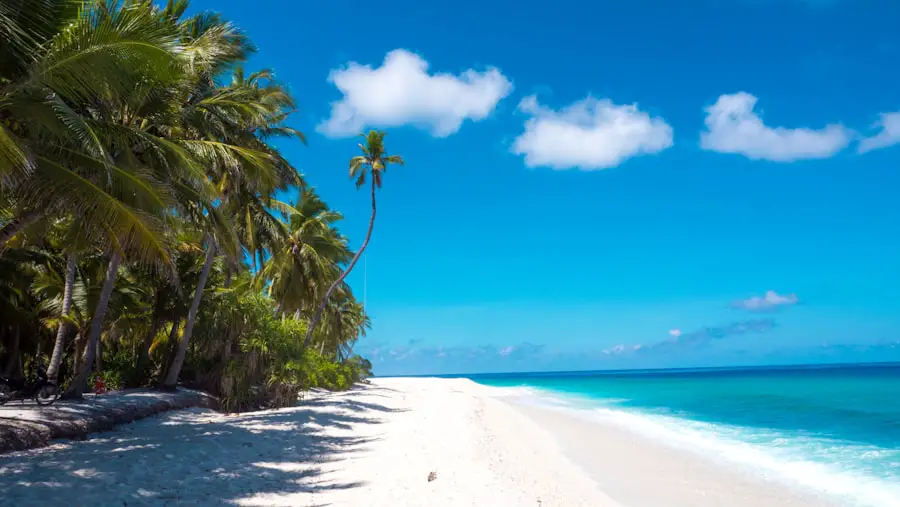
Travel during the wetter months can be appealing if your priorities are lower crowd levels and flexibility rather than guaranteed beach weather. In many destinations, demand softens outside the main dry-season and holiday peaks, and hotels may run promotions. Savings are not guaranteed, though, especially around local festivals, long weekends, or special events.
The trade-off is weather risk. From June to November, rain can disrupt island hopping, ferries, domestic flights, mountain roads, and outdoor tours. July through October deserves extra caution because it is the peak typhoon period identified by PAGASA.
Less-crowded travel can still provide rewarding experiences at places such as Bohol’s Chocolate Hills, heritage towns, museums, food markets, and inland nature attractions. Build an itinerary with alternatives so a canceled boat day does not derail the whole trip.
Typhoon Season and Travel Safety
PAGASA reports that an average of about 20 tropical cyclones enter the Philippine Area of Responsibility each year, with roughly eight or nine crossing the Philippines. The agency identifies July through October as the peak typhoon period. A storm does not affect every island equally, but one system can still disrupt flights, ferries, roads, power, and tours far from its center.
Warning: During the rainy and typhoon seasons, use PAGASA advisories and local government instructions as your decision point. Never pressure a boat operator, guide, or driver to proceed after an official suspension or safety warning.
- Choose flexible or changeable bookings when possible.
- Leave buffer time before an international flight if your trip includes ferries or remote islands.
- Keep essential medicine, identification, charging cables, and one change of clothes in your carry-on.
- Download offline copies of reservations and key contact details in case mobile service is interrupted.
- Check marine conditions as well as rain forecasts before island-hopping trips.
Tips for Traveling During the Shoulder Seasons
For many western and central destinations, May and November work better as broad shoulder-season choices than October. May sits at the end of the national dry season, while November is the final month of the broad rainy season and can bring improving conditions in some areas. Both months remain transitional and less predictable than the core dry-season window.
Pack lightweight rain protection, quick-drying clothing, sun protection, and footwear that can handle wet streets. For inter-island travel, choose reservations with reasonable change terms and avoid placing a non-refundable major activity immediately after a long ferry connection.
Note: Shoulder season is destination-specific. November may work well for Palawan yet still be part of Siargao’s surf season and transition toward its wetter months.
What to Pack in Any Season
Light, breathable clothing works year-round, but your packing list should match the season and activities. Bring a compact rain layer during wet or transitional months, strong sun protection for beach and boat days, and a light layer for air-conditioned transport or cooler highland destinations.
A universal travel adapter can be useful if your plugs do not match local outlets. A reliable portable phone charger or power bank is also practical for long transfer days, island tours, and weather-related delays. Keep rechargeable devices topped up before ferry trips or remote excursions where outlets may be limited.
Conclusion and Final Recommendations
For most first-time visitors, December through April offers the best balance of drier weather, beach conditions, and outdoor access across many popular Philippine destinations. December to February is generally more comfortable, while March and April are hotter but still attractive for beach trips.
Travelers with a specific goal should plan differently. Surfers may prefer Siargao from September to November, festival travelers can target major celebrations from January through May, and budget-conscious visitors may accept wetter weather in exchange for fewer crowds. No matter the month, the smartest plan is regional: check the climate of each destination, monitor PAGASA before travel, and keep some flexibility for boats, flights, and outdoor activities.
Frequently Asked Questions
What is the best time to travel to the Philippines?
December through April is the best all-around window for many travelers because popular beach destinations often have drier weather. PAGASA broadly classifies December to May as the dry season, but regional rainfall patterns can differ.
What is the weather like during the best months?
December to February is generally the cooler part of the dry season, while March to May is hotter. Conditions remain tropical and humid, and local rain patterns vary by coast, elevation, and island.
When is typhoon season in the Philippines?
Tropical cyclones can occur outside a neat calendar window, but PAGASA identifies July through October as the peak typhoon period. Travelers during these months should use flexible plans and monitor official advisories closely.
Which festivals are worth planning a trip around?
Popular options include Ati-Atihan in Kalibo and Sinulog in Cebu in January, Panagbenga in Baguio in February, Moriones-related Holy Week events in Marinduque, and Pahiyas in Lucban on May 15.
What are the peak tourist periods?
Demand is often highest during the core dry-season months and around major domestic travel periods such as Christmas, New Year, Holy Week, and large festivals. Exact crowd levels and prices depend on the destination.
Which regions are best during the dry season?
Palawan, Boracay, Cebu, Bohol, and many western or central destinations are popular during the drier months. Siargao is a major exception because its rainfall and surf patterns differ from much of the country.
Is October a good time to visit the Philippines?
It can be excellent for experienced surfers heading to Siargao, but October is still within PAGASA’s peak typhoon period. For a general beach-and-island itinerary, December through April is usually a more dependable choice.
Sources
- PAGASA — Climate of the Philippines — national seasons, temperatures, humidity, rainfall, and regional climate variation.
- PAGASA — Tropical Cyclone Information — average tropical-cyclone frequency and the July-to-October peak period.
- Philippine Department of Tourism — Island Hopping — current official reference to the Philippines’ 7,641 islands.
- Love Philippines — Siargao Island — Siargao weather and September-to-November surf season.
- Provincial Government of Aklan — Kalibo Tourism — Ati-Atihan timing and festival details.
- Provincial Government of Quezon — Festival Schedule — Pahiyas Festival date and location.
