Last Updated on July 28, 2026 by Daniel Globe
The best time to visit the Bahamas depends on what matters most to you: reliable beach weather, lower prices, fewer crowds, festivals, or the smallest chance of tropical-storm disruption. The country’s 700 islands and cays stay warm throughout the year, but rainfall, humidity, visitor numbers, and storm risk change noticeably by season.
Quick Answer
For most travelers, December through April is the best time to visit the Bahamas for milder temperatures, lower rainfall, and comfortable outdoor weather. May and early December can offer a better balance of weather and value. June through November is hurricane season, with the greatest Atlantic activity historically concentrated from mid-August through mid-October.
Key Takeaways
- Best overall weather: December through April, when conditions are generally milder and less rainy.
- Peak season: Mid-December through April, so expect heavier demand around winter holidays and spring-break periods.
- Best value: Late spring and parts of fall can bring more promotions, but weather is hotter, wetter, and less predictable.
- Hurricane season: June 1 through November 30, with Atlantic activity climatologically highest from mid-August to mid-October.
- Best cultural event: Junkanoo is celebrated prominently on Boxing Day and New Year’s Day.
- Families: Plan around strong sun, heat, hydration, swimming safety, and age-appropriate excursions.
Disclosure: As an Amazon Associate I earn from qualifying purchases. Some links on this page are affiliate links, at no extra cost to you.
Best Time to Visit the Bahamas by Travel Goal
| Your Priority | Best Time | Main Trade-Off |
| Best overall weather | December-April | Higher hotel demand and more visitors |
| Weather + value balance | Late April-May or late November-early December | More variable rain; November remains in hurricane season through Nov. 30 |
| Fewer crowds and seasonal deals | June-November | Hotter, wetter weather and tropical-storm risk |
| Junkanoo | Late December-New Year’s Day | Holiday-period prices and crowds |
| Lowest hurricane risk | December-May | Winter and spring overlap with high season |
Bahamas Weather and Seasons
The Bahamas has a warm, ocean-moderated climate. According to the Bahamas Ministry of Tourism, average winter lows are around 70°F (21°C), while summer highs commonly range from 80°F to 90°F (26°C to 32°C).
Rain can occur at any time of year, so the seasons are not perfectly divided into “wet” and “dry.” In practical travel terms, winter and early spring are generally milder and less rainy, while late spring through fall becomes hotter, more humid, and wetter. The tourism ministry notes that May and June are typically among the wetter months.
December to April: Milder and Generally Drier
This is the easiest period for travelers who want comfortable temperatures for beaches, sightseeing, walking, boating, and other outdoor activities. Humidity is generally more comfortable than in summer, although the Bahamas should not be described as having truly low humidity.
The main drawback is demand. Winter visitors from colder parts of North America and Europe make Nassau, Paradise Island, the Exumas, and other popular destinations busier, particularly over Christmas, New Year’s, spring break, and Easter-period travel dates.
May to November: Hotter, Wetter, and Often Quieter
Temperatures and humidity rise as summer approaches, and brief showers or thunderstorms become more common. Rain does not necessarily mean an entire day will be lost, but travelers should leave some flexibility in outdoor plans.
This period can also bring attractive hotel and resort promotions. The official Bahamas tourism site maintains a seasonal specials page, although prices and offers change constantly and should be checked for the exact travel dates.
Warning: Atlantic hurricane season officially runs from June 1 through November 30. National Hurricane Center climatology shows that most activity occurs between mid-August and mid-October, with a historical peak around September 10. Before and during a hurricane-season trip, monitor the National Hurricane Center and the Bahamas hurricane and storm updates.
A hurricane-season trip is not automatically a bad idea. The Bahamas stretches across a large area, so weather can affect one island group differently from another. The practical approach is to use flexible reservations, understand hotel and airline cancellation rules, and avoid making nonrefundable plans you cannot afford to lose.
Peak Tourist Season: Mid-December to April
Peak tourist season generally runs from mid-December through April. It overlaps with some of the most comfortable weather of the year and with winter holidays and spring vacations in major visitor markets.
Nassau and Paradise Island are particularly busy because they combine major resorts, cruise traffic, beaches, restaurants, nightlife, and attractions. Popular destinations in the Exumas can also see strong demand for hotels, boats, and excursions.
Higher demand often means higher room rates and less last-minute availability. Travelers visiting during Christmas, New Year’s, Presidents’ Day week, or spring break should reserve accommodations and high-priority excursions well in advance.
The advantage is a lively atmosphere and excellent access to tours, restaurants, cultural events, and resort activities. For travelers who value predictably comfortable weather more than bargain pricing, peak season is usually the simplest choice.
Off-Peak and Shoulder Seasons
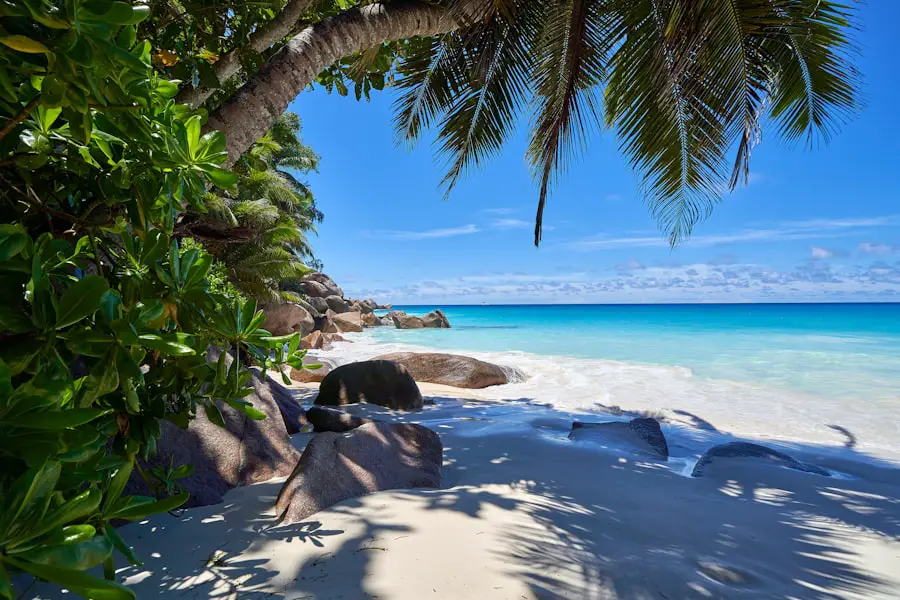
The broad lower-demand period falls outside the main winter rush, especially from late spring through fall. These months can offer a quieter atmosphere and more promotions, but there is no single guaranteed “cheap season” because airfare and hotel prices change with holidays, events, inventory, and island.
For many travelers, May offers a useful compromise: temperatures are warm, winter crowds have eased, and some seasonal offers begin appearing. Late November and early December can also work well for travelers willing to accept some weather uncertainty while avoiding the Christmas and New Year’s surge.
September and October can be especially quiet, but they also fall within the climatologically most active part of Atlantic hurricane season. A low room price is not necessarily good value if the traveler would be financially exposed to a major weather disruption.
Pro Tip: Compare the total trip cost, not just the nightly hotel rate. A slightly more expensive May or early-December trip may offer a better balance of weather, availability, and value than a deeply discounted September booking with stricter cancellation terms.
Month-by-Month Bahamas Travel Planner
| Period | What to Expect | Best For |
| December-February | Milder weather, lower rainfall overall, strong holiday and winter demand | First-time visitors, beach trips, Junkanoo, comfortable sightseeing |
| March-April | Warm and generally pleasant, with spring-break demand in some areas | Beach vacations, boating, outdoor exploration |
| May-June | Hotter weather, increasing rainfall, fewer winter crowds; hurricane season starts June 1 | Value seekers who can tolerate showers and humidity |
| July-August | Hot and humid with summer showers; tropical activity begins increasing later in the period | Summer festivals, warm-water trips, flexible travelers |
| September-October | Often quieter, but within the climatologically busiest portion of hurricane season | Highly flexible travelers prioritizing quiet or promotions |
| November | Transition toward milder weather; hurricane season continues through Nov. 30 | Shoulder-season travelers seeking a compromise |
Events and Festivals
The original event calendar contained festivals in California, Germany, and Louisiana. For a Bahamas trip, focus instead on Bahamian cultural celebrations and sailing traditions. Dates outside the major fixed Junkanoo celebrations can change from year to year, so verify them on the official Bahamas events calendar before booking.
| Event | Typical Timing | Where | Why Go |
| Junkanoo | Boxing Day, Dec. 26, and New Year’s Day, Jan. 1 | Largest parade in Nassau; celebrations also occur on other islands | Costumes, music, dance, competition, and Bahamian cultural traditions |
| National Family Island Regatta | Generally in April; verify annual dates | George Town, Exuma | Traditional Bahamian sloop sailing, food, music, and community celebrations |
| Goombay Summer Festivals | Summer; dates vary by island | Multiple Family Islands | Bahamian food, music, cultural performances, and local celebrations |
Junkanoo is the best-known cultural celebration for visitors planning a winter trip. The main celebrations take place on Boxing Day and New Year’s Day, with the largest parade on Bay Street in downtown Nassau.
Festival schedules on the Family Islands can be more fluid. Travelers planning a trip around one specific regatta, homecoming, or summer festival should confirm the current year’s date before buying nonrefundable flights.
Best Time for Outdoor Activities
December through April is an excellent period for travelers who want comfortable conditions for walking, nature trips, beaches, kayaking, and other daytime activities. Cooler temperatures can make long periods outdoors more comfortable than during the hottest summer months.
Snorkeling, diving, fishing, and boating can be enjoyed throughout much of the year, but marine conditions do not follow a simple “winter is always better” rule. Wind, swell, cold fronts, thunderstorms, and local geography can all affect visibility and boat trips. Check conditions with a reputable local operator rather than relying only on the month.
The Exuma Cays Land & Sea Park protects coral reefs, mangroves, seagrass, beaches, wildlife, and hiking areas. Andros is also famous for its many blue holes. Because park hours, access, and facilities can change, verify current information with the Bahamas National Trust before making a special trip.
Note: For hiking, kayaking, sightseeing, and family excursions during hotter months, start early, carry water, use sun protection, and leave room in the schedule for afternoon showers.
Budget-Friendly Travel Times
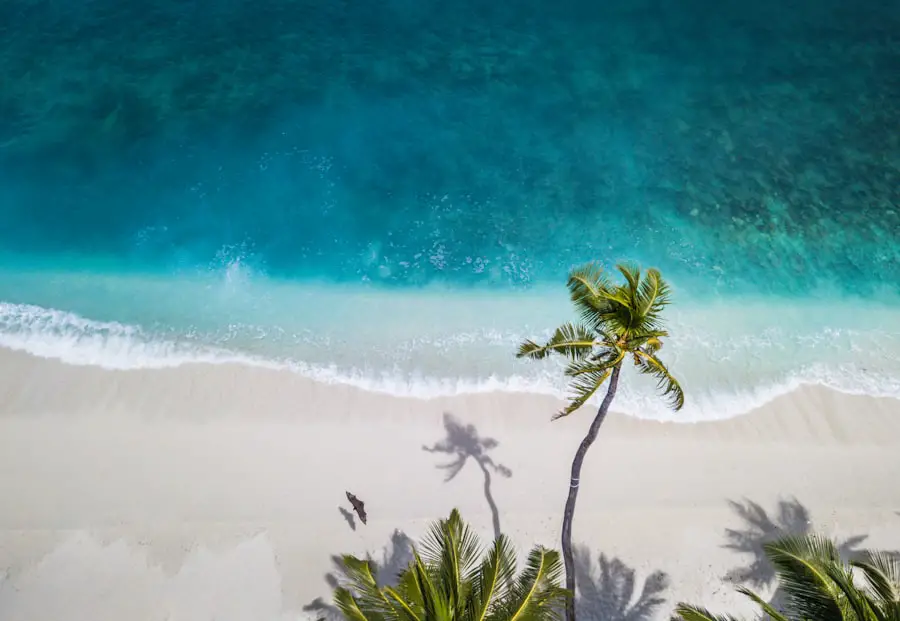
Travelers looking for better value should compare dates outside the December-April high season. Late spring, summer, and fall often produce more promotional offers because winter demand has eased.
The best bargain is not automatically the lowest advertised room price. September and October may provide quiet resorts and attractive promotions, but those months also overlap with the most active portion of Atlantic hurricane season. Flexible cancellation policies can therefore be worth paying slightly more for.
May is often a more comfortable compromise for budget-conscious travelers who want warm weather without the peak-winter crowds. Late November and early December can also be attractive, provided travelers remember that Atlantic hurricane season officially continues through November 30.
Eating away from major resorts, comparing package rates against separate bookings, and reserving activities directly with reputable operators can also help control costs.
Tips for Avoiding Crowds
Timing matters within the day as well as within the year. Visit major beaches, water parks, markets, and sightseeing areas early in the morning before cruise and tour traffic builds.
Nassau and Paradise Island receive a large share of visitor traffic, while islands such as Eleuthera, Cat Island, Andros, Long Island, and parts of the Exumas can provide a slower pace. That does not mean every beach will be empty, but spreading a trip beyond the most concentrated tourism areas can make the experience feel much less crowded.
Travelers who want good weather without the biggest holiday crowds can also avoid Christmas-New Year’s week and major spring-break periods while remaining within the broader December-April weather window.
Special Considerations for Traveling with Children
Families should consider more than hotel prices when choosing travel dates. Summer heat and humidity can make long sightseeing days harder for young children, while peak-season crowds can make popular attractions more tiring.
Look for accommodations with shaded areas, easy beach access, pools, family dining, and activities suited to your children’s ages. Build breaks into the day rather than scheduling outdoor excursions continuously from morning to evening.
The Bahamas Ministry of Tourism’s visitor guidance advises travelers to use sun protection, take breaks, stay hydrated with non-alcoholic drinks, avoid swimming alone, and use trusted excursion providers.
Warning: Never treat calm-looking tropical water as automatically safe for children. Supervise young swimmers closely, follow posted beach warnings and lifeguard instructions, and use properly fitted flotation equipment when appropriate for the activity.
Educational nature trips can be a good break from resort activities. National parks, marine-life excursions, and cultural events can help children experience Bahamian wildlife and traditions while keeping the trip varied.
What to Pack for the Bahamas by Season
For any season, pack lightweight clothing, swimwear, a wide-brimmed hat, sunglasses, sunscreen, comfortable walking shoes, and a reusable water bottle. A waterproof pouch or dry bag is useful for boat trips and sudden showers.
During December through February, add a light sweater or jacket for breezy evenings or air-conditioned indoor spaces. During the warmer and wetter months, quick-drying clothing, a compact rain layer, and insect repellent become more useful.
For nature walks or longer sightseeing days, breathable footwear and comfortable socks matter more than heavy hiking equipment. Travelers who prefer wool can review these odor-resistant merino wool travel socks. Those planning more substantial hiking can also use this multi-day hiking backpack guide when deciding what carrying system suits the trip.
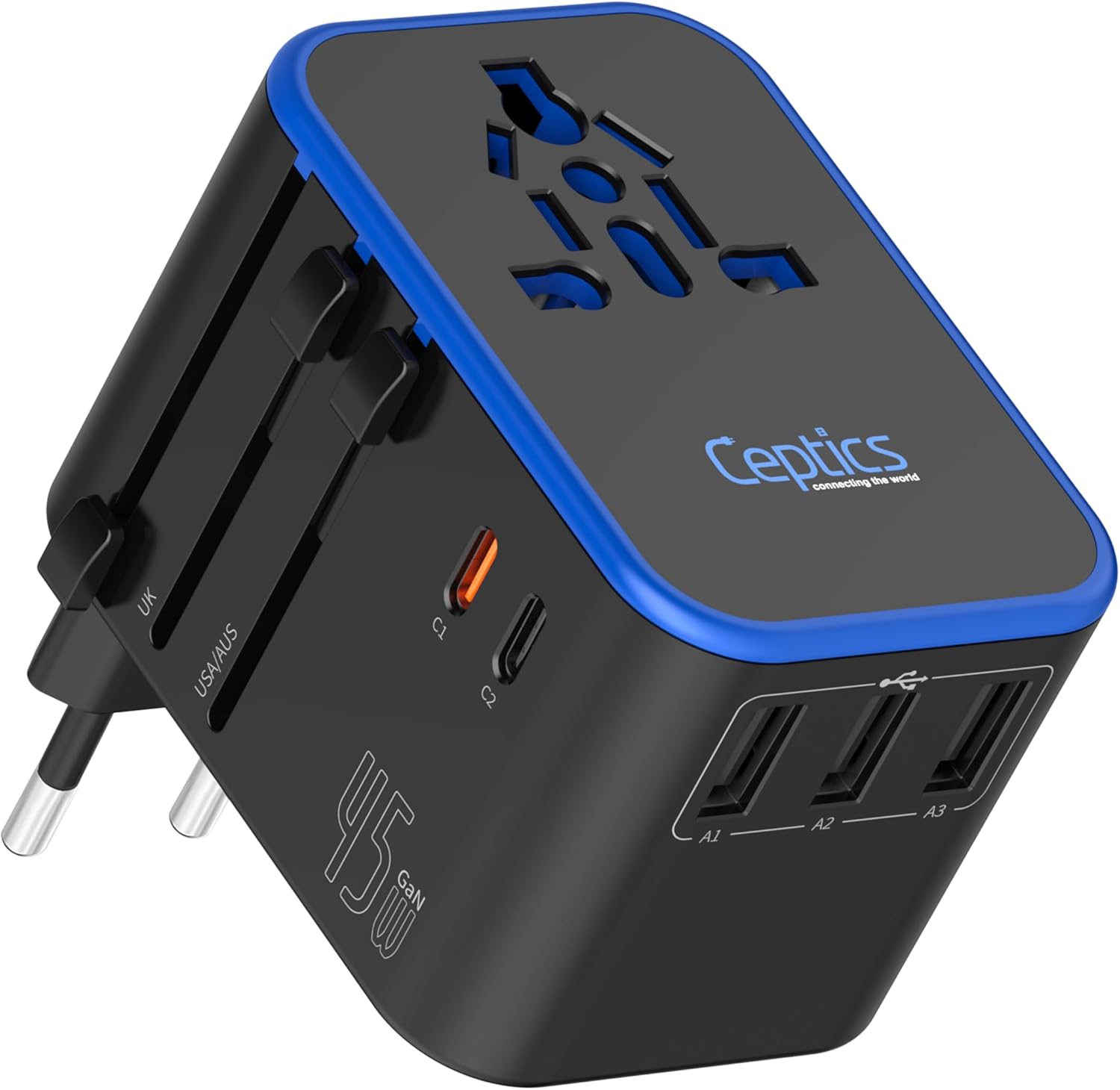
Travelers arriving from countries that use different electrical plug standards should check their devices before departure and may find a universal travel adapter useful.
How to Choose the Best Time for Your Trip
Choose December through April if weather reliability and comfortable outdoor conditions matter most and you are willing to pay peak-season prices.
Choose May if you want warmer weather, fewer winter crowds, and the possibility of better rates while accepting a greater chance of showers.
Choose summer if warm water, seasonal festivals, and promotions matter more than humidity and rain.
Choose September or October only with flexibility if your priority is quiet surroundings or aggressive deals. Those months fall within the climatologically most active part of Atlantic hurricane season.
Choose late December or New Year’s if experiencing Junkanoo is a major reason for the trip. Reserve early because this overlaps with one of the busiest holiday travel periods.
Frequently Asked Questions
What is the best time to travel to the Bahamas?
December through April is generally the best period for travelers who prioritize milder temperatures, lower rainfall, and comfortable outdoor weather. The trade-off is higher demand and often higher accommodation prices.
What is the weather like in the Bahamas during the best travel months?
Winter and early spring are generally warm and more comfortable than summer. The Bahamas Ministry of Tourism says winter lows average around 70°F (21°C), while summer highs typically range from 80°F to 90°F (26°C to 32°C). Rain is possible in every month.
When is hurricane season in the Bahamas?
Atlantic hurricane season runs from June 1 through November 30. National Hurricane Center climatology shows that most Atlantic tropical-cyclone activity occurs between mid-August and mid-October, with a historical peak around September 10.
What are the peak tourist months in the Bahamas?
The main high season generally runs from mid-December through April. Christmas, New Year’s, and spring-break travel periods can be especially busy.
When is the cheapest time to visit the Bahamas?
Rates and promotions often become more competitive outside the winter high season, especially from late spring through fall. There is no guaranteed cheapest month, so compare airfare, hotels, cancellation terms, and weather risk for your exact dates.
Is September or October a good time to visit the Bahamas?
They can be appealing for travelers who value quiet resorts and potential deals, but both months fall within the most active portion of Atlantic hurricane season. Flexible bookings and travel protection are especially important.
What festivals should I plan a Bahamas trip around?
Junkanoo is the standout celebration, with major parades on Boxing Day and New Year’s Day. Regattas and Goombay Summer Festivals also take place during the year, but their exact dates and locations should be confirmed on the official tourism calendar.
What activities are popular during the best months?
Beach days, boating, snorkeling, diving, nature walks, fishing, kayaking, and island hopping are popular. December through April is especially comfortable for long days outdoors, while marine conditions should still be checked locally before boat or dive trips.
Sources
- Bahamas Ministry of Tourism — Travel and Entry FAQs — official weather information and visitor safety guidance.
- National Hurricane Center — Tropical Cyclone Climatology — Atlantic hurricane-season dates and historical peak activity.
- Bahamas Ministry of Tourism — Hurricane & Storm Updates — official destination-specific storm information.
- Bahamas Ministry of Tourism — Junkanoo — official Junkanoo timing, locations, and cultural information.
- Bahamas Ministry of Tourism — Events Calendar — current festivals, regattas, and other events.
- Bahamas Ministry of Tourism — Seasonal Specials — current examples of seasonal travel promotions and offers.