
Last Updated on August 26, 2026 by Daniel Globe
Thailand can be visited year-round, but the best time to travel depends on where you are going and what you want to do. The country’s broad cool, hot, and rainy seasons are useful for planning, but they do not affect Bangkok, northern Thailand, the Andaman coast, and the Gulf coast in exactly the same way. Choosing the right region for the month can matter more than simply choosing a “dry” or “rainy” season.
Quick Answer
The best overall time to visit Thailand is November through February, when much of the country is cooler and drier. But beach weather varies by coast: the Andaman side is strongest in the cool season, while the Gulf coast can stay wetter into December. March–May is hottest; rainy-season travel is cheaper but more weather-dependent.
Key Takeaways
- November to February: best all-around period for Bangkok, northern Thailand, sightseeing, hiking, and much of the Andaman coast.
- March to May: Thailand’s hottest period, with Songkran in April, fewer peak-season crowds, and an important PM2.5 consideration in parts of the north.
- Mid-May to mid-October: broad rainy-season pattern across much of Thailand, although rainfall varies greatly by region and coast.
- Gulf vs. Andaman: Phuket, Krabi, and other Andaman destinations usually have a different rainy pattern from Koh Samui and nearby Gulf islands.
- Rainy-season travel: can mean lower prices and greener landscapes, but travelers should check forecasts, sea warnings, and national-park closures before setting out.
Disclosure: As an Amazon Associate I earn from qualifying purchases. Some links on this page are affiliate links, at no extra cost to you.
Best Time to Visit Thailand by Region
Thailand’s geography makes a single nationwide “best month” misleading. Northern mountain areas, Bangkok, the Andaman Sea, and the Gulf of Thailand can experience noticeably different conditions at the same time.
| Region | Often Best for General Travel | Main Things to Watch |
|---|---|---|
| Bangkok & Central Thailand | November–February | Strong heat in March–May; heavier rain during the wet season. |
| Chiang Mai & Northern Thailand | November–February | Cooler mountain nights in winter; PM2.5 and haze can become a concern in the late dry season. |
| Phuket, Krabi & Andaman Coast | Roughly November–April | Southwest-monsoon rain, rougher seas, and seasonal marine-park closures during parts of May–October. |
| Koh Samui & Gulf Coast | Many travelers favor the first three quarters of the year, depending on the island | The southern Gulf/east coast can become particularly wet later in the year, so it does not perfectly match Phuket’s weather. |
Note: Thailand’s seasonal dates are approximate, not fixed calendar boundaries. Monsoon onset, rainfall totals, tropical systems, and local weather can vary from year to year, so check the Thai Meteorological Department forecast shortly before travel.
Peak Season: November to February
November through February is the most popular period for many first-time Thailand itineraries. Much of northern and central Thailand is cooler and less humid than during the hot season, making Bangkok walking tours, temple visits, cycling, hiking, and long sightseeing days more comfortable.
Bangkok, Chiang Mai, Phuket, Krabi, and other major destinations can become noticeably busier during this period. Flights and desirable hotels may also cost more around Christmas, New Year, school holidays, and major festivals.
The weather is not identical nationwide. Northern Thailand can feel cool in the morning and evening, especially at higher elevations. Meanwhile, the southern Gulf coast can still receive significant rain after the wet season has eased across much of upper Thailand.
For the easiest combination of sightseeing weather, hiking conditions, and broad destination choice, November through February remains the strongest all-around window for many Thailand trips.
November also brings important cultural celebrations. Loy Krathong is associated with floating decorated krathongs on waterways. In Chiang Mai and other parts of northern Thailand, Yi Peng traditions are closely associated with lanterns. The celebrations may occur around the same period, but they should not be treated as exactly the same festival.
Pro Tip: If you want Chiang Mai during the cool season or a popular Andaman beach over the Christmas/New Year period, book earlier than you would for rainy-season travel. The best-located hotels and convenient flight times can disappear first.
Shoulder Season: March to May

March through May includes Thailand’s hottest part of the year. The Thai Meteorological Department broadly places the hot season from around mid-February to mid-May, and April is commonly one of the most uncomfortable months for long periods of outdoor sightseeing.
Temperatures can climb above 35°C (95°F) in many areas, so early-morning and late-afternoon activities are usually more comfortable than sightseeing around midday. Air-conditioned museums, shopping centers, cafes, spas, and hotel pools become useful breaks during the hottest hours.
This period can still appeal to travelers who prefer fewer peak-season crowds or who are visiting for Songkran. Thailand’s traditional New Year occurs in mid-April. Water splashing is the most visible tourist experience, but the tradition also includes family gatherings, respect for elders, merit-making, and symbolic cleansing. UNESCO inscribed Songkran in Thailand on its Representative List of the Intangible Cultural Heritage of Humanity in 2023.
Ancient temples such as Wat Pho in Bangkok and Wat Phra That Doi Suthep in Chiang Mai can be especially rewarding early in the day, before the strongest afternoon heat. Beach destinations such as Krabi and Koh Phi Phi also remain attractive during parts of the hot season, although conditions begin changing as the southwest monsoon approaches.
Warning: Travelers planning Chiang Mai, Chiang Rai, Mae Hong Son, or other northern destinations in the late dry season should check current PM2.5 readings. Northern Thailand can experience serious haze and air-pollution episodes, particularly around March and April.
Monsoon Season: Mid-May to Mid-October
Thailand’s broad rainy season usually begins around mid-May as the southwest monsoon becomes established and continues into roughly mid-October. However, treating every destination as if it receives the same rainfall pattern leads to poor travel planning.
Upper Thailand commonly receives more widespread rain during this period, while the Andaman coast can experience stronger seas and disrupted boat schedules. Southern Thailand’s east coast has a different pattern and can remain rainy later in the year as the northeast monsoon brings moisture across the Gulf of Thailand.
| Month | Upper / Central Thailand | Andaman Coast | Gulf / Southern East Coast |
|---|---|---|---|
| June | Rainy-season pattern established, with showers and thunderstorms mixed with usable dry periods. | Wetter and more weather-dependent; sea conditions deserve attention. | Can differ significantly from the Andaman coast; check island-specific forecasts. |
| July | Warm, humid, and rainy, with rainfall intensity varying week to week. | Monsoon conditions can affect small-boat trips and snorkeling plans. | Often considered as an alternative beach region when Andaman weather is unsettled, but rain is still possible. |
| August | Green landscapes, high humidity, and frequent showers or thunderstorms. | Weather remains variable, with rough-water risks during stronger monsoon periods. | Island conditions vary; build flexibility into ferry and boat excursions. |
| September | One of the wetter periods in many parts of upper Thailand. | Still firmly weather-dependent for beach and marine activities. | Transition toward the wetter later-year period in parts of the southern east coast. |
| October | Rain often begins easing as the seasonal pattern changes, though flooding can still occur. | Conditions may gradually improve as the Andaman high season approaches. | Rain can increase as the northeast monsoon begins influencing southern Thailand. |
Rainy-season travel is not necessarily a washout. Rain commonly arrives in concentrated periods rather than as uninterrupted rain every day. Travelers may still have sunny or partly sunny windows for sightseeing, especially when plans remain flexible.
The advantages include greener forests, stronger waterfalls, smaller crowds at many attractions, and sometimes better accommodation prices. The disadvantages are more important for outdoor-heavy itineraries: flooded roads, flash floods, landslides, rough seas, canceled boat trips, trail closures, and temporary attraction closures can occur during severe weather.
Warning: Never treat a sunny morning as proof that sea conditions are safe. Follow beach red flags, boat-operator and park-authority instructions, and current Thai Meteorological Department warnings. Some island and national-park attractions close seasonally for safety and environmental recovery.
Festivals and Events
Thailand’s festival calendar can make a particular month worth choosing even when the weather is not ideal. Exact dates for lunar-calendar festivals can change from year to year, so confirm the current event schedule before booking nonrefundable travel.
Songkran
Songkran, the traditional Thai New Year, occurs in mid-April. Visitors often associate it with large public water celebrations, but its cultural meaning also includes family reunions, paying respect to older adults and ancestors, merit-making, and symbolic cleansing for the new year.
Loy Krathong and Yi Peng
Loy Krathong normally takes place around the full moon of the twelfth Thai lunar month, commonly in November. Participants float decorated krathongs on rivers and other waterways. In Chiang Mai, Yi Peng celebrations take place during the same general festival period and have their own Lanna lantern traditions. Travelers should distinguish the two rather than describing Loy Krathong itself simply as a mass sky-lantern festival.
Phuket Vegetarian Festival
The Phuket Vegetarian Festival is a major religious and cultural observance linked to the ninth month of the Chinese lunar calendar. It includes vegetarian observance, shrine ceremonies, processions, white clothing, and religious practices rooted in Phuket’s Chinese-Thai heritage. Because dates follow the lunar calendar, check the current year’s schedule rather than assuming it will fall on the same Gregorian dates every year.
Arts and Cultural Events
Bangkok and other major Thai cities also host changing calendars of art exhibitions, music events, cultural programs, and contemporary festivals. Events such as the Bangkok Art Biennale are periodic rather than guaranteed annual attractions, so travelers planning around a specific exhibition should verify that year’s program first.
Outdoor Activities and Adventures

Thailand’s mountains, forests, beaches, rivers, and islands create outdoor opportunities throughout the year, but the safest and most comfortable season depends on the activity.
Products Worth Considering

LEAK-PROOF SEAL IN 2 SIZES – L/XL fits most adult faces, S/M fits teens and narrow faces. The soft food-grade silicone skirt follows your face curve with no gaps, so no salty water leaking in, no painful red marks, and no stopping to re-adjust mid-swim. Quick-release buckles let you tighten the strap even with wet hands. Fit test before every dive: hold the mask to your face without the strap and inhale gently – if it sticks, the seal is watertight. Check the size guide to pick the right fit.

AFTER SALES SERVICE:As long as you are our customers,since the day you buy snorkel set. We will provide 24-hour uninterrupted service. We sincerelly believe we will bring the customers the most satisfied buying experience.

【Mask Fins Snorkel Set for Adults】4 In 1 snorkel set with adjustable fins,tempered glass lens mask, dry top silicone snorkel,travel gear bag,it's the ultimate travel companion and is suitable for snorkeling,swimming,scuba diving and other water activities.
Trekking and Hiking
November through February is usually the easiest period for hiking in northern Thailand because temperatures are cooler and many trails are less muddy. Areas around Chiang Mai, Pai, and Doi Inthanon are popular during this period. Higher elevations can become surprisingly cool after dark, so light layers are useful.
Rainy-season hiking can provide lush scenery and impressive waterfalls, but muddy trails, swollen streams, flash flooding, landslides, and temporary closures require more caution. Always follow park instructions.
Snorkeling, Diving, and Island Trips
The Andaman coast—home to destinations such as Phuket, Krabi, and offshore marine parks—generally offers more reliable beach and boat conditions during the cool-season/high-season months than during the southwest monsoon.
The Gulf side, including Koh Samui and Koh Tao, follows a different weather rhythm. It can therefore provide an alternative during months when the Andaman coast is wetter, but the Gulf is not rain-free and the southern east coast can become especially wet later in the year.
Never select a diving or snorkeling month using climate averages alone. Wind, waves, visibility, tropical systems, local marine warnings, and park closures can change conditions from one week to the next.
Kayaking and Rafting
Kayaking can range from sheltered lagoons and mangrove routes to exposed sea trips, so weather risk varies greatly by location. River rafting may become more exciting when water levels rise, but tours should only operate when local conditions are considered safe. Follow licensed operators and official warnings rather than attempting swollen rivers independently.
Wildlife and Nature
Thailand’s national parks protect forests, waterfalls, marine habitats, birds, elephants, and many other species. Seasonal rain can make landscapes especially lush, but it can also close trails, roads, waterfalls, campsites, beaches, or entire park zones.
Khao Yai, Khao Sok, Erawan, Doi Inthanon, and Thailand’s marine parks all offer different seasonal experiences. Before traveling a long distance specifically for one trail, waterfall, or island, check whether that exact attraction is open.
Wild elephant encounters should be treated cautiously. Do not approach, follow, feed, or crowd wild elephants, and always follow park-ranger instructions.
For captive-elephant tourism, the word “sanctuary” alone is not enough to judge welfare. Look carefully at how a venue operates. Observation-focused experiences that allow elephants greater choice and natural behavior are preferable to attractions built around rides, performances, forced bathing, or continuous hands-on interaction.
Tips for Traveling During Each Season
Products Worth Considering
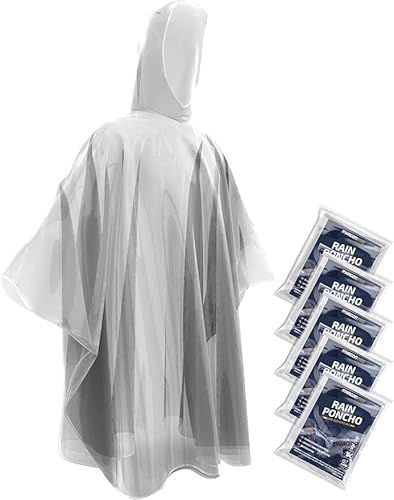
Reliable Rain Protection On-the-Go: Stay dry and confident during sudden downpours with Hagon PRO disposable rain ponchos, offering full-length 48" x 40" coverage and a secure hood for complete weather protection. Perfect for commuters, festival-goers, emergency kits and preparedness kits, these transparent rain coats keep you ready for anything

[Material & Waterproof Function]: Crafted from high-density 100% polyester with a PU 5000MM waterproof coating and heat-sealed seams, this poncho keeps you dry in heavy rain, snow, or wind. OEKO-TEX STANDARD 100 certified, it’s eco-friendly and safe for all-day wear, ensuring you stay protected without compromise
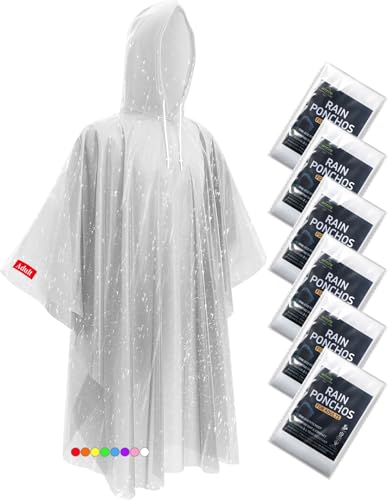
Be Ready for the Unexpected – Whether you're heading to concerts, theme parks, camping trips, or sports games, or stocking your Home Emergency Survival Kits, our disposable rain ponchos for adults keep you dry when the weather changes fast. Each pack includes individually wrapped ponchos for easy grab-and-go convenience
November to February
- Reserve popular hotels and domestic flights earlier, especially around holidays.
- Pack light clothing for daytime but bring a light layer for cool northern mornings and evenings.
- Use sunscreen and drink water even when temperatures feel more comfortable.
- Expect larger crowds at famous temples, beaches, and old-town areas.
March to May
- Schedule outdoor sightseeing early in the morning or later in the afternoon.
- Carry water and take regular air-conditioned breaks.
- Wear breathable clothing, a hat, and sun protection.
- If visiting northern Thailand, check daily PM2.5 and air-quality conditions.
- During Songkran, protect phones, passports, cameras, and other valuables from water.
Rainy-Season Travel
- Pack a lightweight rain jacket or poncho and a water-resistant bag.
- Use footwear with better grip on wet streets and trails.
- Keep at least one flexible day in itineraries built around boats, islands, or hiking.
- Check weather warnings before long road transfers and marine excursions.
- Confirm national-park, trail, cave, waterfall, and island-opening status before departure.
- Follow red flags and local safety instructions at beaches.
If you are bringing phones, laptops, cameras, or other electronics from overseas, it is also worth checking plug compatibility before departure. This TakeTravelInfo guide to universal travel adapters can help with packing for your trip.
Best Time for Different Types of Thailand Trips
| Trip Goal | Good Starting Point | Why |
|---|---|---|
| First Thailand trip | November–February | Most convenient combination of sightseeing weather and destination choice. |
| Bangkok sightseeing | November–February | Generally more comfortable for walking and outdoor attractions. |
| Northern hiking | November–February | Cooler temperatures and generally easier trail conditions. |
| Phuket/Krabi beach trip | Roughly November–April | Typically more favorable Andaman beach and boat conditions. |
| Koh Samui/Gulf trip | Choose by Gulf-specific forecast rather than Phuket’s seasons | The two coasts have different rainfall patterns. |
| Songkran experience | Mid-April | Traditional Thai New Year celebrations take place during the hottest season. |
| Lower crowds / potential hotel savings | Parts of the hot or rainy seasons | Demand can be lower, but travelers accept more heat or weather uncertainty. |
Products Worth Considering

High quality Meets production rules Practical and intuitive
Frequently Asked Questions
What is the best time to travel to Thailand?
November through February is the best all-around period for many Thailand itineraries because much of northern and central Thailand is cooler and drier. It is not a universal rule, though. The southern Gulf coast has a different rainfall pattern, so beach travelers should choose dates according to the specific coast.
What is Thailand’s weather like from November to February?
Much of upper Thailand experiences lower humidity, cooler mornings and evenings, and more comfortable sightseeing conditions. Northern mountains can become quite cool at night. Southern conditions vary by coast, and the Gulf side can remain wetter later into the year.
Is Thailand worth visiting during the rainy season?
Yes. Rainy-season trips can offer greener scenery, fewer crowds, and better accommodation value. The trade-off is greater uncertainty for boats, beaches, hiking, and road travel. Keep the itinerary flexible and check current weather and closure notices.
When is the best time to visit Phuket and Krabi?
The Andaman coast is generally most dependable for beach and marine travel from around November through April. The southwest-monsoon period brings more rain and rough-sea risk, and some marine attractions close seasonally.
Does Koh Samui have the same rainy season as Phuket?
No. Koh Samui is on the Gulf of Thailand, while Phuket is on the Andaman Sea. Their rainfall patterns differ, and the southern Gulf/east coast can experience its wetter period later in the year. Always use a destination-specific forecast.
When are Songkran and Loy Krathong?
Songkran takes place in mid-April and marks the traditional Thai New Year. Loy Krathong follows the Thai lunar calendar and commonly falls in November. Chiang Mai’s Yi Peng celebrations occur around the same general period but are a distinct Lanna tradition.
What are the busiest tourist months in Thailand?
November through February is generally the busiest broad travel period, with particularly strong demand around Christmas and New Year. Songkran in mid-April also creates heavy domestic and international travel demand in many destinations.
Is March or April a good time to visit Chiang Mai?
It can be, especially for travelers interested in Songkran, but March and April are hot and can also bring serious PM2.5 and haze episodes in northern Thailand. Check current air-quality readings before committing to an outdoor-heavy itinerary.
Sources
- Thai Meteorological Department — Thailand’s seasons — national hot, rainy, and cool-season timing and monsoon patterns.
- Thai Meteorological Department — Monthly Weather Summary — current rainfall, temperature, and monsoon conditions.
- Tourism Authority of Thailand — Thailand in November — cool-season travel, Andaman conditions, Loy Krathong, and Yi Peng context.
- UNESCO — Songkran in Thailand — timing, cultural meaning, and 2023 inscription on the Representative List of Intangible Cultural Heritage of Humanity.
- Tourism Authority of Thailand — 2026 National Park Closure Schedule — seasonal tourism and overnight closures in protected areas.
- Tourism Authority of Thailand Newsroom — Wild Elephant Safety Guidelines — responsible behavior around wild elephants and national-park wildlife.
