
Last Updated on July 28, 2026 by Daniel Globe
Scotland is rewarding in every season, but the best time to visit depends on what you want to do. Long summer days suit road trips and festivals, while late spring and early autumn often offer a better balance of daylight, scenery, availability, and crowds. Winter can be memorable too, provided you plan for shorter days and rapidly changing conditions.
Quick Answer
The best time to visit Scotland for most travelers is May, June, or September. These months usually provide useful daylight, manageable crowds, and good conditions for sightseeing and road trips. Choose August for major Edinburgh festivals, autumn for color and deer watching, or winter for festive cities and snow-dependent mountain activities.
Key Takeaways
- Best overall balance: May, June, and September combine long or useful daylight with fewer crowds than peak August.
- Best for festivals: August, especially in Edinburgh, but book rooms and tickets early.
- Best for scenery: Late April and May for spring growth, and late September through October for autumn color.
- Best for lower demand: November through March, outside Christmas and New Year, though some attractions and transport services run reduced schedules.
- Plan for changeable weather: Carry waterproof layers in every season and check local forecasts before mountain, island, or coastal trips.
Disclosure: As an Amazon Associate I earn from qualifying purchases. Some links on this page are affiliate links, at no extra cost to you.
Best Time to Visit Scotland by Travel Style
There is no single best month for every visitor. Scotland’s cities, islands, coasts, and mountains can experience very different conditions on the same day. Use the table below to match the season to your priorities.
| Period | Best For | Main Trade-Off |
| March-May | Spring scenery, gardens, city breaks, quieter road trips | Cold spells and rain remain possible; high routes may still have winter conditions |
| June-August | Long days, islands, hiking, festivals, marine wildlife | Highest demand, busy roads and attractions, plus midges in some rural areas |
| September-November | Autumn color, red deer rut, photography, quieter heritage visits | Daylight shrinks quickly and some seasonal services begin to reduce |
| December-February | Festive cities, dark skies, cozy stays, snow sports when conditions allow | Short days, weather disruption, seasonal closures, and serious mountain hazards |
For many first-time visitors, late May, June, or September offers the strongest mix of daylight, scenery, access, and manageable visitor numbers.
Spring in Scotland: March to May
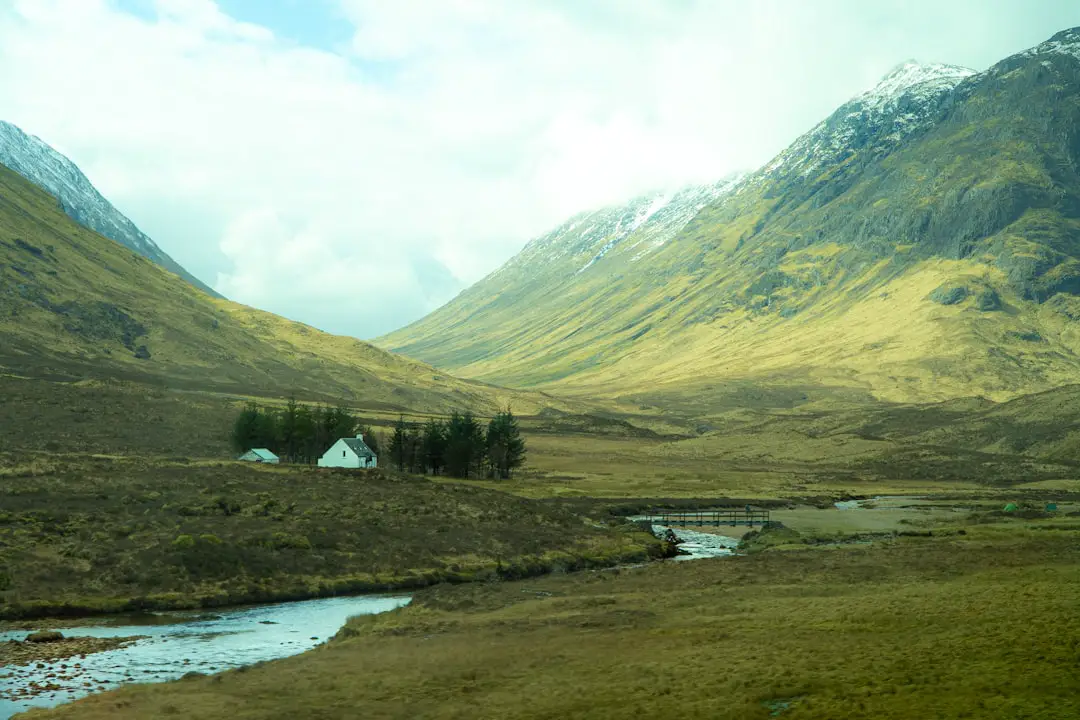
As winter recedes, Scotland comes back to life. Daffodils, blossom, fresh leaves, and longer days make spring especially attractive for gardens, woodland walks, city breaks, and scenic drives. Places such as the Royal Botanic Garden Edinburgh, Perthshire, the Trossachs, and lower Highland glens can look vivid without the peak-summer crowds.
March can still feel wintry, especially in exposed areas and on higher ground. April often brings a mix of bright spells, showers, and cold winds. By May, daylight is much longer and many seasonal attractions and tours are operating, making it one of the best all-around months for a Scotland trip.
Wildlife activity also increases. Migratory birds return, woodland birds become more vocal, and seabird colonies begin filling. On the Isle of May, seabirds gather from April, with May and June among the strongest times for breeding-bird viewing.
Pro Tip: Choose May for a good compromise between spring scenery and summer-style daylight. Reserve island ferries and popular lodging in advance, especially around holiday weekends.
Summer in Scotland: June to August
Summer has Scotland’s longest days and normally its warmest conditions. According to VisitScotland’s weather guidance, average maximum temperatures are around 17°C (63°F), although local conditions vary and rain can still arrive at any time.
June is often a strong choice for road trips, walking, cycling, coastal exploration, and island hopping. July brings school-holiday demand and lively attractions. August is the cultural peak in Edinburgh, where venues, streets, and public spaces fill with performances and visitors.
The Edinburgh Festival Fringe runs from August 7-31, 2026, and the Royal Edinburgh Military Tattoo runs from August 7-29, 2026. These dates change annually, so check official schedules before booking future trips.
Summer is also a prime season for marine wildlife. Boat trips around Mull, the Inner Hebrides, and other coastal areas may offer chances to see dolphins, porpoises, seals, and basking sharks. Puffins are best sought earlier in the season at established breeding colonies rather than assumed to be present throughout late summer.
Note: Midges are typically active from May to October, with peak activity in midsummer, especially in the west Highlands, islands, and damp rural areas. Check the VisitScotland midge and tick guide, and pack repellent and a head net for calm mornings and evenings.
Autumn in Scotland: September to November
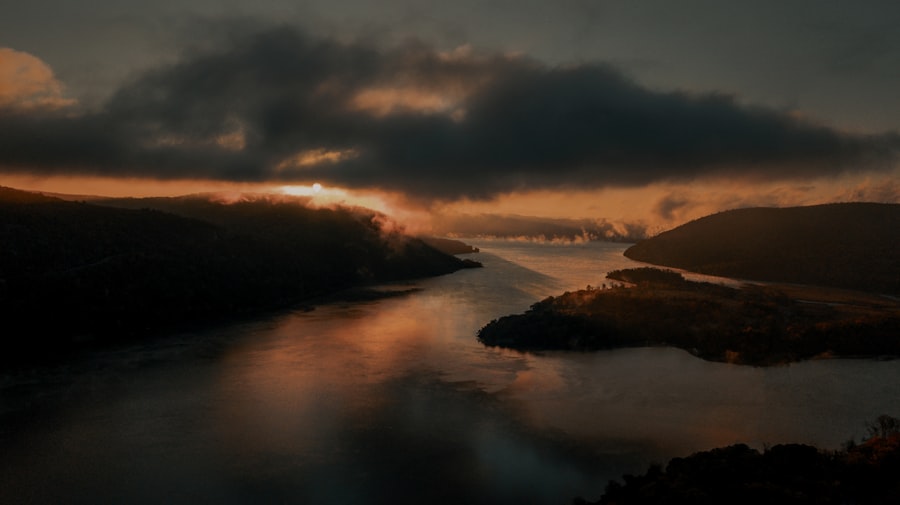
As summer fades, Scotland shifts into gold, orange, russet, and deep red. Woodland areas such as Perthshire and the Cairngorms can be especially photogenic, although the timing and strength of the color depend on location and weather.
September often retains useful daylight and many summer services while feeling calmer than August. October is a strong month for woodland walks, castles, photography, and seasonal food. November is quieter and darker, with a greater chance of reduced opening hours and weather disruption.
Autumn is also associated with the red deer rut. From late September onward, stags may be heard roaring and seen competing in Highland areas. Keep a respectful distance, never approach or feed deer, and avoid blocking their movement.
This is harvest season too, so menus may feature game, root vegetables, apples, berries, and other local produce. Farmers’ markets, distillery visits, and traditional pubs can add a useful indoor balance to an autumn itinerary.
Winter in Scotland: December to February
Winter brings short days, frost, festive events, dark skies, and the possibility of snow in higher areas. Edinburgh and Glasgow can be lively around Christmas and New Year, while rural stays offer quiet landscapes and cozy evenings. Outside holiday periods, demand may be lower, but fewer daylight hours mean each travel day needs more careful planning.
| Activity | Location Example | Planning Note |
| Skiing or snowboarding | Cairngorms or Glencoe area | Snow and lift operations are weather-dependent; check the resort before traveling |
| Whisky tasting | Speyside distilleries | Tour prices and winter opening days vary; reserve directly with the distillery |
| Low-level winter walk | Glencoe visitor areas or forest trails | Choose a route that matches the forecast, daylight, equipment, and experience |
| Cozy pub visit | Edinburgh, Glasgow, or Highland towns | Hours can change over holidays; check before making a special journey |
Warning: A snow-covered Highland route is not ordinary hiking. Winter mountains can involve avalanche terrain, ice, poor visibility, severe wind chill, and very limited daylight. Follow Mountaineering Scotland’s winter guidance, obtain suitable skills and equipment, or book a qualified guide.
Winter wildlife watching can still be worthwhile. Red deer remain visible in some glens, wintering birds gather around coasts and wetlands, and grey seal pupping occurs at selected colonies in autumn and early winter. Observe from designated viewpoints and follow local access rules.
Off-Season Travel: Fewer Crowds and Important Trade-Offs
The quietest period is generally November through March, excluding Christmas, Hogmanay, and major event weekends. Spring and autumn are often called shoulder seasons rather than true off-season periods because many attractions, tours, and accommodations remain active.
Lower demand can make historic sites and scenic roads feel more relaxed. Urquhart Castle, Stirling Castle, Skara Brae, and other major attractions may be easier to experience without peak crowds. However, opening hours can be shorter, and weather may cause same-day restrictions. Check the Historic Environment Scotland closures page before setting out.
Island travel also needs extra care outside summer. Ferry schedules vary by season and services can be disrupted by wind or sea conditions. Review current CalMac timetables, check service status, and avoid building an itinerary around a tight connection.
Pro Tip: Keep one flexible day in an island or Highland itinerary. It gives you room to move a boat trip, scenic drive, or long walk when the weather changes.
Weather and Daylight by Season
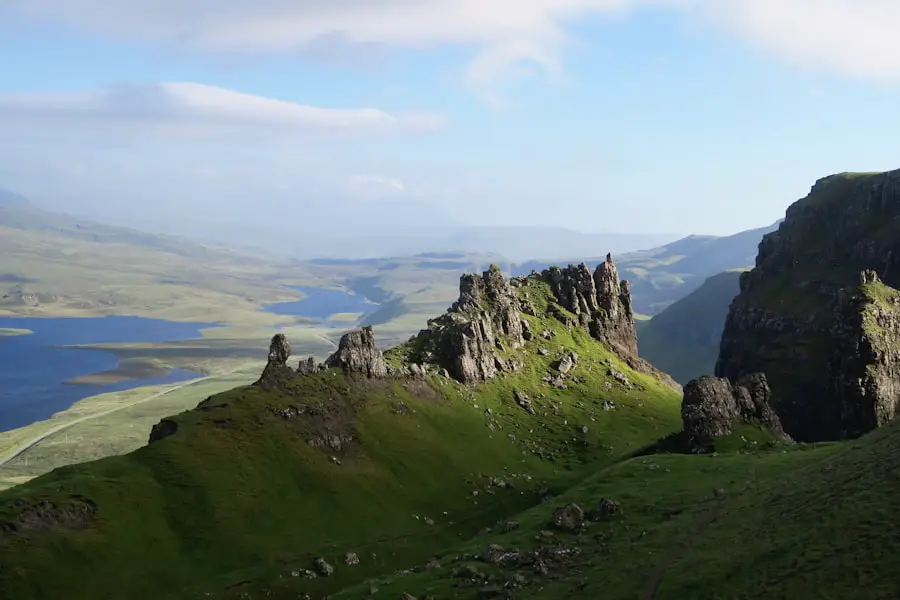
Scotland has a temperate but highly changeable climate. Western and upland areas are generally wetter than many eastern locations, while exposed islands and mountains can feel much colder because of wind. A national forecast is useful, but a local forecast is more important for daily plans.
Spring Weather
Expect a mix of cool mornings, mild afternoons, showers, and occasional late snow on high ground. Pack a waterproof shell, warm mid-layer, and footwear suited to wet paths.
Summer Weather
June through August usually brings the mildest temperatures and longest days. Do not treat summer as guaranteed dry weather. Carry a light waterproof layer, sun protection, and an extra warm layer for boats, coasts, and evenings.
Autumn Weather
September may remain mild, but temperatures and daylight fall through October and November. Wind and rain can strip leaves quickly, so avoid planning an entire trip around one exact “peak color” date.
Winter Weather
Lowland cities may have rain, frost, or occasional snow, while the Highlands can experience full winter conditions. Check road, rail, ferry, mountain-weather, and attraction updates each morning.
Month-by-Month Planning Guide
- January: Best for quiet city breaks, winter landscapes, and dark-sky trips; expect short days and possible closures.
- February: Similar to January, with gradually improving daylight; snow sports remain entirely condition-dependent.
- March: A transitional month with fewer visitors, early spring signs, and possible winter weather on higher ground.
- April: Good for gardens, birdlife, cities, and lower-level walks; pack for rapid weather changes.
- May: One of the best all-around months for daylight, scenery, touring, and seabird activity.
- June: Excellent for long days, islands, outdoor activities, and early-summer wildlife; reserve key transport.
- July: Lively and family-friendly, but busier; midges can be troublesome in calm, damp western areas.
- August: Best for Edinburgh’s major festivals and Highland games, but among the busiest times to visit.
- September: A strong choice for road trips, early autumn color, and fewer peak-summer crowds.
- October: Best for deeper autumn color, woodland walks, and red deer rut experiences; daylight drops quickly.
- November: Quiet, atmospheric, and suited to indoor culture or dark skies; seasonal hours become more common.
- December: Best for festive city trips and cozy stays; Christmas and New Year can be busy and require advance booking.
Events and Festivals: When to Book
Scotland’s event calendar runs throughout the year. Summer Highland games commonly take place from May to September, while Edinburgh’s largest arts and military events cluster in August. Winter brings Christmas events, Hogmanay celebrations, and local cultural programs.
Book early when an event is the main purpose of your trip. This is especially important for central Edinburgh in August, island festivals, popular Highland games, and New Year celebrations. Confirm annual dates through the organizer rather than relying on an old travel article.
Wildlife Watching by Season
Wildlife sightings are never guaranteed, but timing improves your chances:
- Spring: Migratory birds, nesting activity, and the return of seabirds to coastal colonies.
- Early summer: Puffins and other breeding seabirds; the Isle of May National Nature Reserve identifies May and June as excellent months for breeding seabirds.
- Summer and early autumn: Dolphins, porpoises, seals, and basking sharks on suitable boat trips. NatureScot reports that basking sharks return to Scottish waters each summer.
- Autumn: The red deer rut and migrating birds; keep well back from stags and never interrupt wildlife behavior.
- Autumn and early winter: Grey seal pupping at certain coastal colonies, where access controls may protect mothers and pups.
- Winter: Golden eagles, wintering geese, coastal birds, and deer may still be seen, but weather can limit access.
Use reputable wildlife operators, keep noise low, follow reserve instructions, and avoid crowding animals for photographs.
What to Pack for Scotland in Any Season
- A waterproof jacket with a hood
- Comfortable, water-resistant walking shoes or boots
- Warm layers that can be added or removed
- A small daypack and reusable water bottle
- Sun protection, even when the forecast looks cloudy
- Midge repellent and, for rural summer trips, a head net
- A tick-removal tool for countryside walks
- An offline map or downloaded route information where reception may be weak
- A portable phone charger for long days and transport updates
After walking through long grass or woodland, check clothing and skin for ticks. Remove an attached tick promptly with a proper tool and follow current NHS guidance if you develop a rash or feel unwell.
Frequently Asked Questions
What is the best time to travel to Scotland?
May, June, and September are the best all-around months for many travelers because they offer useful daylight, broad access, and generally fewer crowds than peak August. The best choice still depends on whether your priority is festivals, wildlife, autumn color, winter scenery, or lower demand.
What is Scotland’s summer weather like?
Summer is normally the warmest season, with average maximum temperatures around 17°C (63°F), but conditions vary by region. Rain, wind, cool evenings, and sudden changes remain possible, so pack layers and a waterproof jacket.
When is the best time to avoid midges in Scotland?
Midges are typically active from May to October and often peak in midsummer. They are most troublesome in calm, damp conditions in the west Highlands and islands. Spring before peak activity, breezy coastal days, and later autumn may reduce exposure, but conditions vary daily.
Which festivals should I consider when planning a Scotland trip?
Major choices include the Edinburgh Festival Fringe, Edinburgh International Festival, Royal Edinburgh Military Tattoo, Highland games, music festivals, Christmas events, and Hogmanay celebrations. Check official dates for your travel year and reserve accommodation early for major events.
What are the advantages of visiting in the off-season?
Outside holiday periods, the off-season can bring quieter attractions, more relaxed roads, atmospheric scenery, and better availability in some destinations. It also suits museums, castles, food and drink experiences, winter city breaks, and dark-sky travel.
What are the disadvantages of visiting in the off-season?
Days are shorter, weather disruption is more likely, and some attractions, tours, accommodations, and ferries may use reduced schedules. Build flexibility into the itinerary and check opening hours and service status shortly before travel.
Can I hike in the Scottish Highlands during winter?
Yes, but snow-covered Highland routes may require winter mountaineering skills, navigation ability, specialist equipment, and avalanche awareness. Choose low-level alternatives when conditions exceed your experience, or use a qualified guide.
Sources
- VisitScotland: When to Visit Scotland — seasonal travel ideas and month-by-month planning.
- VisitScotland: Weather in Scotland — seasonal weather and summer temperature guidance.
- VisitScotland: Midges and Ticks in Scotland — activity periods, locations, and bite-prevention advice.
- Edinburgh Festival Fringe — official 2026 festival dates and program information.
- NatureScot: Isle of May National Nature Reserve — seasonal seabird and seal-watching information.
- Mountaineering Scotland: ThinkWINTER — winter mountain hazards, planning, and safety.
