

Last Updated on July 28, 2026 by Daniel Globe
Rio de Janeiro is warm and lively throughout the year, but the best time to visit depends on what matters most to you. Shoulder-season months usually offer the easiest balance of comfortable sightseeing weather, manageable crowds, and more flexible prices. Summer brings the biggest celebrations, while winter is often better for outdoor exploring.
Quick Answer
For most travelers, the best time to visit Rio de Janeiro is from March to May or September to November. These shoulder seasons generally avoid the heaviest summer heat and the largest holiday crowds. Choose February for Carnival, late December for Réveillon, or June through August for cooler sightseeing weather.
Key Takeaways
- Best overall balance: March to May and September to November.
- Best for Carnival: February or early March, depending on the annual calendar.
- Best for beaches and nightlife: December through March, with hotter, wetter, and more humid weather.
- Best for sightseeing and hiking: June through September, when conditions are generally cooler and drier.
- Best for lower prices: Travel outside Carnival, New Year’s, major events, and Brazilian holiday periods.
Disclosure: As an Amazon Associate I earn from qualifying purchases. Some links on this page are affiliate links, at no extra cost to you.
Best Time to Visit Rio de Janeiro by Travel Style
| Your Priority | Best Time | What to Expect |
|---|---|---|
| Comfortable sightseeing | March–May or September–November | Warm weather with fewer peak-season pressures. |
| Beach vacation | December–March | Hot beach days, higher humidity, and a greater chance of showers. |
| Carnival | February or early March | Sambadrome parades, street blocos, intense crowds, and premium prices. |
| Outdoor activities | June–September | Generally cooler and drier conditions for viewpoints, parks, and trails. |
| Budget-conscious trip | May–June or August–September | Better odds of hotel deals outside major festivals and holiday weekends. |
Brazil’s official calendar places summer from late December to late March, autumn from late March to late June, winter from late June to late September, and spring from late September to late December. For practical trip planning, travelers often group the months into simpler three-month seasons.
Summer: Beaches, Heat, and Major Celebrations
Summer in Rio de Janeiro runs roughly from December through March. It is the hottest, most humid, and generally wettest part of the year. Bright mornings can turn into short, heavy showers or thunderstorms, so a flexible schedule is useful.
Copacabana and Ipanema are busiest during this period. Beach volleyball, surfing, outdoor kiosks, live music, and late-night social activity create the energetic atmosphere many visitors associate with Rio. Summer is a strong choice when beaches and nightlife matter more than quiet attractions or lower prices.
New Year’s Eve, known as Réveillon, is one of the city’s largest celebrations. Crowds traditionally dress in white and gather along Copacabana for music and fireworks. Carnival also falls during the broader summer period in most years, bringing samba-school parades at the Sambadrome and hundreds of street parties called blocos.
Warning: Summer heat, humidity, sudden rain, and event crowds can make travel tiring. Carry water, use sun protection, keep electronics in a water-resistant pouch, and allow extra time for road closures and public-transport changes.
Fall: A More Relaxed Time to Explore
From March to May, Rio gradually moves away from the busiest summer period. Days remain warm, but the most intense heat and humidity often ease as the season progresses. This makes fall one of the best times for travelers who want beaches, viewpoints, and neighborhoods without peak-season pressure.
Popular sights such as Christ the Redeemer, Sugarloaf Mountain, the Selarón Steps, and the Museum of Tomorrow may still be busy, especially on weekends. However, advance reservations are generally easier to manage than during Carnival or New Year’s.
Fall is also a good time to explore local markets and food halls, including the Feira de São Cristóvão, where visitors can experience Northeastern Brazilian food, music, and crafts. The calmer pace can make it easier to spend time in individual neighborhoods instead of rushing between major landmarks.
Pro Tip: Schedule exposed viewpoints early in the trip. Cloud, rain, or haze can hide the views, so keeping another morning open gives you a second chance.
Winter: Cooler Weather for Sightseeing and Hiking
Winter runs roughly from June through September. Rio does not have the severe cold associated with many Northern Hemisphere destinations, but evenings and cloudy days can feel noticeably cooler. This is generally the city’s drier period, which can make it easier to plan outdoor sightseeing.
Winter is a strong choice for Tijuca National Park, Pedra Bonita, city viewpoints, walking tours, and long days of sightseeing. Beach visits are still possible on sunny days, although cold fronts, wind, and ocean conditions can make swimming less appealing.
June also brings Festas Juninas, traditional celebrations with music, dancing, and foods made from corn, peanuts, and other seasonal ingredients. Events vary by neighborhood and venue, so check Rio’s current cultural calendar rather than assuming a fixed citywide schedule.
The original article placed the Rio International Film Festival in winter, but the event is normally held later in the year. The confirmed 2026 Festival do Rio dates are October 1–11, which falls in spring. Annual dates can change.
Spring: Mild Conditions and Blooming Gardens
Spring spans roughly from September through December. Temperatures and humidity rise as summer approaches, while gardens and green spaces become especially appealing. September and October often provide an attractive middle ground between winter’s cooler conditions and midsummer’s heat.
| Spring Month | Typical Travel Pattern | Good For |
|---|---|---|
| September | Usually closer to the cooler, drier winter pattern. | Hiking, viewpoints, and city walks. |
| October | Warmer, with increasing humidity and changing rain patterns. | Culture, gardens, beaches, and the Festival do Rio when scheduled. |
| November | More summer-like heat and a greater chance of showers. | Beach time before the year-end peak. |
The Jardim Botânico is a natural spring stop, with shaded paths, tropical collections, and seasonal blooms. It is also worth considering Pedra Bonita and Barra da Tijuca when the forecast is clear. Check official opening hours, trail rules, and ticket requirements before setting out.
Spring cultural schedules vary from year to year. The Rio Music Conference mentioned in the original article does not have a reliably verifiable current annual spring schedule, so it should not be used as a fixed reason to choose this season. Use Riotur and official event websites for confirmed dates.
Carnival Season: Rio at Its Most Intense
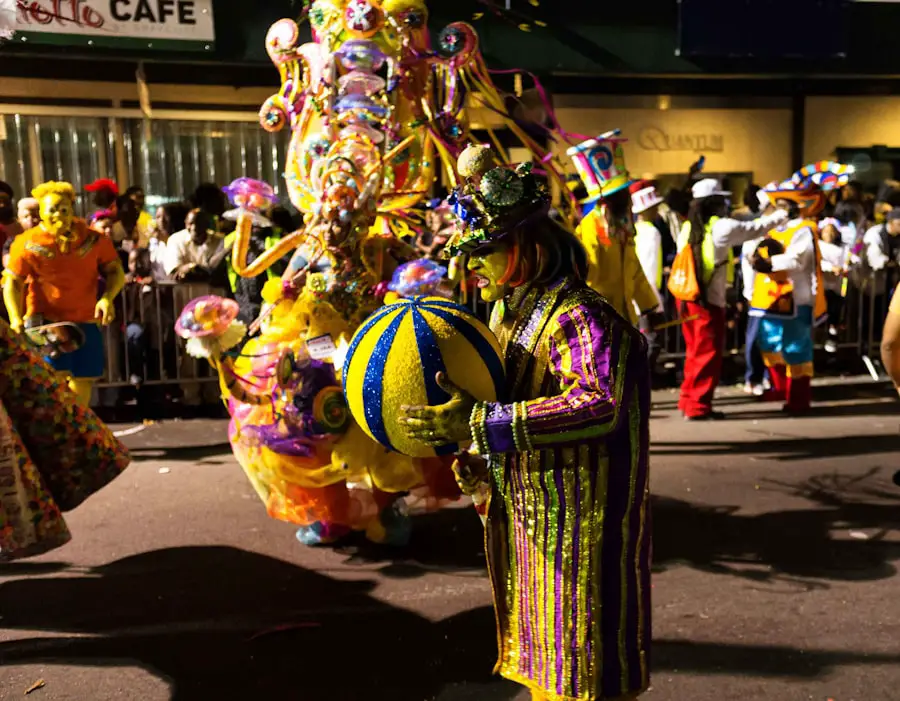
Carnival takes place before Lent, usually in February or early March. It is the most exciting time to visit for travelers who want samba, costumes, street celebrations, and an atmosphere unlike any other part of the year.
The Sambadrome hosts ticketed samba-school parades, while blocos fill streets, squares, and beaches across the city. Some gatherings are small and neighborhood-based; others attract enormous crowds. Official routes, times, and transport plans are released for each year and can change at short notice.
Carnival is not simply one parade. It is a citywide season of ticketed events, rehearsals, neighborhood blocos, and major street celebrations.
Book flights and accommodations well in advance, especially if you want to stay in Copacabana, Ipanema, Leblon, Botafogo, or Santa Teresa. Expect higher prices, road closures, packed public transport, and noise that may continue late into the night.
Note: Carnival dates move each year. Confirm the official Sambadrome and street-bloco calendars before booking nonrefundable travel.
Off-Season: Quieter Travel and Better Deal Potential

Rio does not have a single, sharply defined off-season, but visitor demand is often lower from May through September outside school holidays, festivals, conferences, and major sports or entertainment events. Travelers may find more hotel choice and better rates than during Carnival or New Year’s.
Lower demand also makes it easier to visit popular attractions at a slower pace. The Selarón Steps, Museum of Tomorrow, Jardim Botânico, and many museums can feel more manageable outside the biggest event periods, although weekends and clear-weather days still draw crowds.
Local restaurants and markets remain active year-round. A quieter trip can provide more opportunities to explore neighborhood cafés, traditional botecos, live-music venues, and regional food without building the entire itinerary around marquee events.
Shoulder Season: The Best of Both Worlds
The shoulder periods of March to May and September to November are the best overall choice for many first-time visitors. They combine warm weather with fewer peak-event crowds and often provide more flexibility when comparing hotels and flights.
Fall is especially attractive after Carnival, when the city remains warm but the largest summer surge has passed. Spring works well for hiking, gardens, cultural events, and beach time before Réveillon and the main summer holiday rush.
No shoulder month guarantees low prices or clear skies. A major concert, conference, Brazilian holiday, or sunny weekend can quickly increase demand. Compare several date combinations before booking.
How to Choose Your Exact Travel Dates
Choose March to May for a Balanced First Visit
This period suits travelers who want a mix of beaches, sightseeing, food, and nightlife. Avoid the immediate Carnival dates when lower crowds and prices are your priority.
Choose June to September for Outdoor Exploration
Cooler, generally drier conditions are useful for trails, viewpoints, and long walking days. Pack a light layer for evenings and cold fronts.
Choose December to March for Beach Energy
This is the strongest period for travelers who want hot weather, beach culture, Réveillon, or Carnival. Build rain flexibility into the itinerary and reserve major event dates early.
Choose Carnival Only When the Festival Is the Main Goal
Carnival can be unforgettable, but it changes transport, pricing, noise, and crowd levels throughout the city. Travelers seeking a calm cultural trip should choose a different week.
Year-Round Planning Considerations
Rain and Visibility
Rio’s wettest period generally falls from December through March, while June through September is typically cooler and drier. Even in a drier month, clouds can cover Christ the Redeemer and Sugarloaf Mountain. Check the live forecast before using a timed ticket.
Heat and Sun
Summer heat and humidity can be intense. Plan exposed attractions early, take shaded breaks, carry water, and use broad-spectrum sunscreen. Afternoon indoor stops can make a summer itinerary more comfortable.
Tickets and Reservations
Reserve major attractions and event tickets through official sellers. Holiday periods may involve special metro tickets, street closures, and controlled access around Copacabana. Official arrangements are published close to each event.
Safety
Stay alert in crowded areas, keep valuables out of sight, use reputable transport, and avoid isolated beaches or trails after dark. The current U.S. travel advisory recommends increased caution in Brazil because of crime and kidnapping and specifically advises travelers not to walk on beaches after dark.
Packing
Bring light, breathable clothing, comfortable walking shoes, rain protection, sun protection, and one light layer for air-conditioned spaces or cooler evenings. For additional warm-weather clothing ideas, see this guide to travel skirts for women.
Frequently Asked Questions
What is the best time to visit Rio de Janeiro?
March to May and September to November are the best overall periods for many travelers. They usually offer a more comfortable balance of warm weather, manageable crowds, and flexible pricing than Carnival or New Year’s.
When is Rio de Janeiro hottest and rainiest?
December through March is generally the hottest, most humid, and wettest period. Rain may arrive as short, heavy showers or storms, so keep outdoor plans flexible.
Is winter a good time to visit Rio?
Yes. June through September is generally cooler and drier, making it a good period for sightseeing, hiking, and viewpoints. Sunny beach days still occur, although swimming conditions can vary during cold fronts.
When should I visit Rio for Carnival?
Carnival usually takes place in February or early March, before Lent. Exact parade and bloco dates change every year, so check the official schedule before booking flights, hotels, and event tickets.
What is the cheapest time to visit Rio de Janeiro?
May, June, August, and September can offer better deal potential outside holidays and major events. Prices vary widely, so compare exact dates and avoid Carnival, Réveillon, and major citywide events when budget is the priority.
Are there drawbacks to visiting during the best weather?
Yes. Clear, comfortable weekends can still bring crowds to viewpoints and beaches. Shoulder-season weather is also variable, so rain, cloud, or a cold front can affect outdoor plans.
Sources
- Riotur: Getting Ready for Rio — local climate, wet-season, and dry-season guidance.
- Visit Brasil: Climate and Weather — official Brazilian season dates.
- Riotur: Rio Street Carnival Schedule — official bloco scheduling and route guidance.
- Festival do Rio: 2026 Dates — confirmed October 1–11, 2026 festival dates.
- U.S. Department of State: Brazil Travel Advisory — current safety guidance for travelers.

