
Last Updated on July 27, 2026 by Daniel Globe
Portugal is a year-round travel destination where every season offers a distinct combination of Mediterranean climate, rich cultural heritage, and scenic landscapes. From the golden beaches of the Algarve to the terraced vineyards along the Douro Valley, timing your visit to match your specific itinerary goals ensures an unforgettable travel experience.
Quick Answer
The overall best time to visit Portugal is during the shoulder seasons of spring (March to May) and early fall (September to October). During these months, travelers enjoy comfortable temperatures between 15°C and 25°C (59°F–77°F), fewer tourist crowds, lower accommodation rates, and ideal conditions for sightseeing and wine tasting.
Key Takeaways
- Spring (March–May): Best for blooming flowers, cultural festivals, and pleasant walking weather in Lisbon and Porto.
- Summer (June–August): Peak season for beach enthusiasts in the Algarve, water sports, and lively street festivals like Festas de Lisboa.
- Fall (September–November): Ideal for grape harvest tours in the Douro Valley, chestnut festivals, and mild sightseeing weather.
- Winter (December–February): Budget-friendly season with mild temperatures in southern Portugal and festive holiday markets in major cities.
Understanding regional climate variations helps align your travel plans with local highlights. The geographical diversity of Portugal—ranging from the cool, mountainous north to the sun-kissed southern coastline—creates localized microclimates that reward year-round exploration.
Disclosure: As an Amazon Associate I earn from qualifying purchases. Some links on this page are affiliate links, at no extra cost to you.
Spring in Portugal: The Best Time for Festivals and Blooming Flowers
Spring in Portugal (March through May) is a magical period when nature awakens from its winter slumber, transforming the countryside into a colorful tapestry of wildflowers. With daily temperatures hovering comfortably between 15°C and 22°C (59°F–72°F), spring provides excellent conditions for walking tours, countryside road trips, and outdoor festivities.
One of the most celebrated spring highlights is the Festa das Flores (Flower Festival) held annually on the island of Madeira. This colorful event honors the island’s botanical bounty with elaborate floral parades, floral carpets along cobblestone streets, and live music performances.
Spring is also closely connected with religious celebrations throughout mainland Portugal. During Semana Santa (Holy Week), historical towns such as Braga and Óbidos host solemn candlelight processions, medieval re-enactments, and traditional musical performances that offer deep insight into local customs.
Pro Tip: If visiting Madeira for the Flower Festival in spring, reserve your hotel accommodations and island transport at least 4 to 6 months in advance, as availability fills rapidly during parade weekends.
Summer in Portugal: Ideal for Beach Lovers and Outdoor Activities
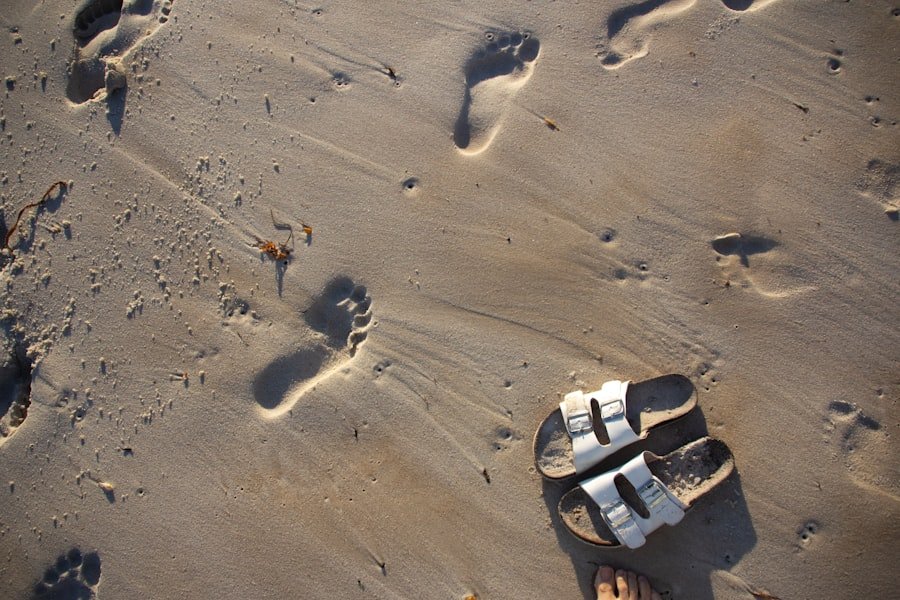
From June to August, summer transforms Portugal into a primary destination for sun-seekers, surfers, and outdoor enthusiasts. Coastal regions—most notably the southern Algarve—boast dramatic sandstone cliffs, hidden sea caves, and vast expanses of golden sand.
Popular seaside towns like Lagos, Albufeira, and Tavira provide easy access to water activities such as stand-up paddleboarding, sea kayaking, and surfing. Water temperatures along the southern coast reach their annual peak during late summer.
Beyond the coast, summer is celebrated with major cultural street parties. In June, the Festas de Lisboa honoring Saint Anthony fills Lisbon’s oldest neighborhoods with colorful decorations, traditional fado music, and street stalls serving sardines grilled over open coals. Hikers looking for cooler mountain terrain can head north to Peneda-Gerês National Park or explore the lush trails of the Arrábida Natural Park.
Warning: Inland regions like the Alentejo plain and upper Douro Valley routinely exceed 35°C (95°F) in July and August. Plan outdoor sightseeing early in the morning or late in the afternoon to avoid extreme heat.
Fall in Portugal: Harvest Season and Mild Weather for Sightseeing
| Month | Average Temp (°C) | Rainfall (mm) | Harvest Season Highlights | Recommended Activities |
|---|---|---|---|---|
| September | 20–25°C | 20–40 mm | Grapes, olives, and figs | Wine tours, coastal hiking, cultural festivals |
| October | 15–20°C | 40–60 mm | Chestnuts and pumpkins | Chestnut picking, nature walks, museum visits |
| November | 10–15°C | 60–80 mm | Almonds and citrus fruits | Historic monument tours, indoor food tasting |
Autumn (September to November) brings mild temperatures, fewer crowds, and vibrant seasonal foliage across Portugal’s rural agricultural heartlands. This period is especially celebrated by wine lovers, as September and October mark the annual grape harvest in world-famous wine regions such as the Douro Valley and Alentejo.
Travelers visiting during autumn can participate in traditional grape treading, tour historical quintas (wine estates), and sample fresh vintages. Sightseeing in major urban hubs like Lisbon and Porto is noticeably more relaxed as summer queue times shrink. The annual Festa da Vindima (Grape Harvest Festival) celebrates this bountiful season with open-air food markets, folk performances, and artisanal craft displays.
Winter in Portugal: Festive Events and Mild Climate in the Algarve
Winter in Portugal (December through February) is significantly milder than in Northern and Central Europe. While northern areas experience occasional rain and cooler days, the southern Algarve region enjoys sunny skies and daytime highs often reaching 16°C to 18°C (61°F–64°F).
During winter, coastal towns like Lagos and Albufeira offer a tranquil atmosphere perfect for long ocean walks, golfing, and peaceful exploration without summer congestion.
Across urban centers like Lisbon and Porto, holiday markets pop up in public plazas, offering handcrafted gifts, roasted chestnuts, and traditional mulled wine. New Year’s Eve celebrations in Lisbon feature dramatic fireworks over the historic Praça do Comércio. Winter is also the perfect time to savor comforting Portuguese cuisine, such as rich caldo verde (kale and potato soup) and savory bacalhau à brás (shredded codfish with eggs and potatoes).
Best Time to Visit Lisbon: A City for All Seasons
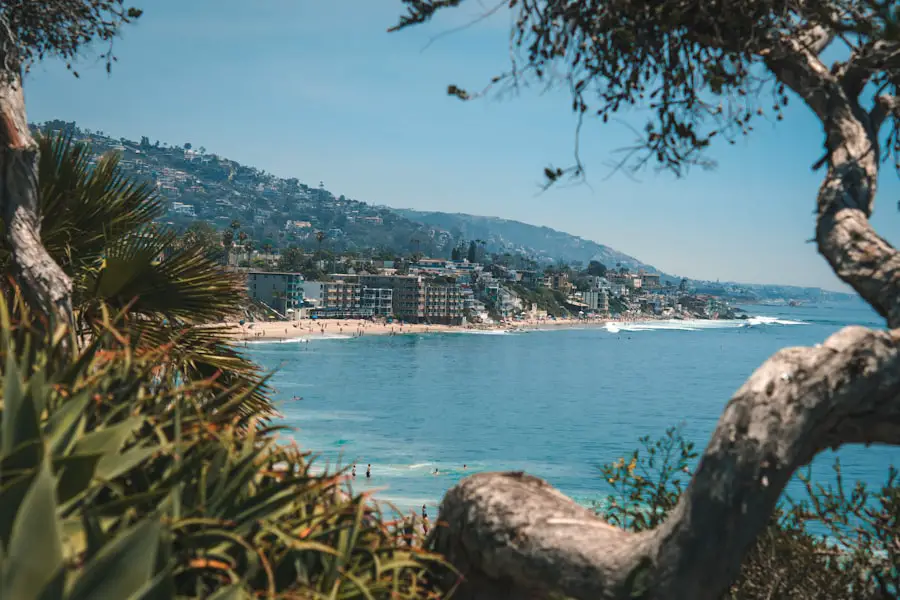
Lisbon captivates travelers year-round thanks to its rich maritime history, iconic yellow trams, and hillside viewpoints. Spring (March to May) is widely regarded as the most comfortable time to explore steep neighborhoods like Alfama and Bairro Alto on foot without enduring intense summer heat.
Summer brings high energy with open-air concerts, rooftop gatherings, and vibrant nightlife, though afternoon temperatures require frequent breaks in shaded cafes. Fall offers a quiet window to visit crowded landmarks like the Belém Tower, Jerónimos Monastery, and the Time Out Market (Mercado da Ribeira).
Note: Autumn allows for a more relaxed exploration of cultural events, such as the Lisbon & Estoril Film Festival, alongside lower hotel pricing across central neighborhoods.
Best Time to Explore Porto: Enjoying the Wine and River Views
Porto, nestled along the banks of the Douro River, is famous for its soaring bridges, tiled facades, and historic Port wine cellars. Late spring (May) through early autumn (September) provides the best weather conditions for cruising the Douro River and enjoying outdoor dining along the historic Ribeira waterfront.
Fall is an exceptional time for gastronomy enthusiasts to visit Porto. Cross the Dom Luís I Bridge to Vila Nova de Gaia to visit centuries-old wine cellars for guided tastings of fortified Port wine while taking in views of terraced vineyards upstream in the Douro Valley.
Regional Microclimates: Mainland vs. Madeira and the Azores
When choosing travel dates, account for Portugal’s distinct regional microclimates:
- Mainland Portugal: Features a Mediterranean climate with dry, warm summers and mild, wetter winters. Northern regions (Porto, Minho) receive higher rainfall than the arid south (Algarve).
- Madeira Archipelago: Enjoys a subtropical climate with year-round spring-like temperatures ranging between 19°C and 25°C (66°F–77°F). Rain showers are short and localized.
- The Azores: Experiences mild, oceanic weather year-round with frequent clouds, gentle ocean breezes, and fast-changing weather conditions that make high-grade outdoor outerwear essential.
Choosing the Right Season for Your Portugal Adventure
Selecting the right month for your trip depends on your personal interests, budget, and climate preferences. Whether you prefer vibrant spring street parades, summer beach escapes, autumn wine tasting, or quiet winter sightseeing, Portugal provides rewarding experiences throughout the year.
When planning your trip to Portugal, packing smart can elevate your travel comfort. Having proper attire makes a noticeable difference during long days of sightseeing. Investing in high-quality travel pants with hidden pockets adds security and convenience while navigating busy markets and historic centers. If you are searching for thoughtful travel gear for companion travelers, explore curated options for the best travel gifts for women. Families visiting Portugal with toddlers will also benefit from evaluating the best double stroller for travel to ensure seamless movement across cobble-paved streets.
Frequently Asked Questions
What is the overall best time to travel to Portugal?
The best time to travel to Portugal is during spring (March to May) and fall (September to October). Weather during these months is mild, crowds are significantly smaller than in summer, and major cultural festivals take place across the country.
What is the weather like in Portugal during peak travel months?
During the optimal spring and fall travel windows, average high temperatures range between 15°C and 25°C (59°F–77°F). Rainfall is moderate compared to winter and sunshine is abundant across both coastal and inland regions.
Are there specific festivals to watch for when planning a trip?
Yes, key seasonal events include the Madeira Flower Festival (April/May), Festas de Lisboa (June in Lisbon), Festas de São João (June in Porto), and grape harvest festivals across the Douro Valley in September.
Is it more expensive to visit Portugal during peak season?
Yes. Flight and hotel rates peak during July and August, particularly in Lisbon, Porto, and the Algarve. Visiting during shoulder months (May or September) offers a great balance of warm weather and moderate accommodation pricing.
What are the top destinations to include in a seasonal Portugal itinerary?
Top destinations include Lisbon, Porto, the Algarve coastal towns, the Douro Valley wine region, Sintra, and the island archipelagos of Madeira and the Azores.
Sources
- VisitPortugal Official Tourism Portal — Official travel guidelines, regional event calendars, and destination guides.
- Instituto Português do Mar e da Atmosfera (IPMA) — Official Portuguese meteorological and climate records.
- Wines of Portugal — Official viticulture data and grape harvest schedules across Portuguese wine regions.
