Last Updated on July 28, 2026 by Daniel Globe
Paris is worth visiting in every season, but the best time depends on what matters most to you. Spring and early fall offer the strongest balance of comfortable walking weather, attractive parks, major cultural events, and manageable crowds. Summer brings long days and outdoor festivals, while winter is better for museums, festive displays, and travelers who prioritize lower off-peak accommodation rates.
Quick Answer
The best time to visit Paris is generally April through June or September through October. These months combine mild weather with beautiful parks and plenty of events while avoiding some of summer’s heat and heaviest sightseeing demand. For lower prices, January and February can be better choices outside major events.
Key Takeaways
- Best overall: April–June and September–October offer some of the easiest weather for sightseeing on foot.
- Best for outdoor activities: May through September provides warmer temperatures and long daylight hours, though hot spells are possible in summer.
- Best for festivals: Spring, early summer, and early fall have especially busy cultural calendars.
- Best for fall scenery: October is a strong choice for autumn color, seasonal events, and cooler walking weather.
- Best for Christmas atmosphere: Late November through December brings lights, markets, seasonal displays, and winter events.
- Best chance of lower prices: January and February are often better-value periods, although fashion weeks, trade shows, and special events can raise rates on individual dates.
Disclosure: As an Amazon Associate I earn from qualifying purchases. Some links on this page are affiliate links, at no extra cost to you.
Best Time to Visit Paris by Season
| Season | Typical Conditions | Best For | Main Trade-Off |
| Spring March–May |
Cool to mild, with increasingly warm afternoons and regular showers | Gardens, sightseeing, cafés, major events | Changeable weather and growing visitor demand |
| Summer June–August |
Warm with long days; hot spells and showers are possible | Outdoor dining, cruises, parks, festivals | Busy landmarks, heat, and often higher travel demand |
| Fall September–November |
Mild in September, cooler by November | Walking, museums, fashion, fall color | Shorter days and cooler, wetter conditions later in the season |
| Winter December–February |
Cold, damp, and often cloudy, with occasional frost or snow | Museums, cafés, festive travel, potential savings | Short daylight and chilly outdoor sightseeing |
Paris has a modified oceanic climate, so rain is possible throughout the year rather than being confined to one rainy season. Current climate figures published by Paris je t’aime, based on official climate information, show average highs rising from about 12.8°C (55°F) in March to 25.7°C (78°F) in July before falling again through autumn and winter.
Note: Climate averages are planning tools, not forecasts. Check Météo-France shortly before departure because Paris can experience unusually warm, cold, wet, or windy periods in any season.
Spring in Paris: Flowers, Mild Weather, and Major Events
Spring is one of the most appealing times to visit Paris. March begins cool, but parks and gardens gradually fill with magnolias, cherry blossoms, tulips, and fresh foliage. By April and May, longer days make it easier to combine museums with walking, garden visits, river cruises, and café stops.
The Jardin des Tuileries is especially pleasant for strolling and sitting around its fountains, while the Luxembourg Gardens, Parc Monceau, Jardin des Plantes, and other green spaces become increasingly colorful as the season progresses. The Eiffel Tower and Seine also make excellent spring sightseeing stops because outdoor walking becomes more comfortable than in midwinter.
According to current Paris tourism climate figures, average lows/highs are about 5.6°C/12.8°C (42°F/55°F) in March, 7.9°C/16.6°C (46°F/62°F) in April, and 11.1°C/20.2°C (52°F/68°F) in May. Spring can still be rainy, so a light waterproof layer is more useful than assuming every day will be dry.
Spring also has a strong cultural calendar. The Festival du Livre de Paris took place April 17–19 in 2026. The French Open at Roland-Garros ran from May 18 to June 7, while the Nuit européenne des musées took place May 23, 2026, with participating museums across France opening for special evening programs.
Pro Tip: Late April through May is a particularly strong compromise for a first Paris trip: gardens are lively, daylight is generous, and temperatures are usually comfortable for long walking days. Pack layers because mornings and evenings can still feel cool.
Summer in Paris: Long Days and Outdoor Fun
Summer in Paris brings long daylight hours and a packed outdoor calendar. From June through August, travelers can spend more time walking beside the Seine, dining on terraces, taking evening cruises, exploring gardens, and attending open-air cultural events.
Typical average highs are about 23.4°C (74°F) in June and 25.7°C (78°F) in July, but averages can hide much hotter individual days. Heat waves occasionally make long afternoon walks uncomfortable, particularly where shade is limited.
The Seine and Paris’s canals become major summer gathering places. Paris Plages runs from July 4 through August 30 in 2026, with relaxation areas, deck chairs, summer activities, and several waterside locations including Parc Rives de Seine and Bassin de la Villette.
June 21 brings the annual Fête de la Musique, when concerts and performances fill venues, squares, streets, and neighborhood gathering places. Summer also brings open-air films, concerts, festivals, and late evenings in parks such as Parc des Buttes-Chaumont and the Luxembourg Gardens.
Warning: Do not plan a summer itinerary around climate averages alone. On very hot days, schedule exposed outdoor sights early, take a long indoor break during the hottest part of the afternoon, carry water, and check the daily weather forecast.
Fall in Paris: Cooler Walks and Autumn Color
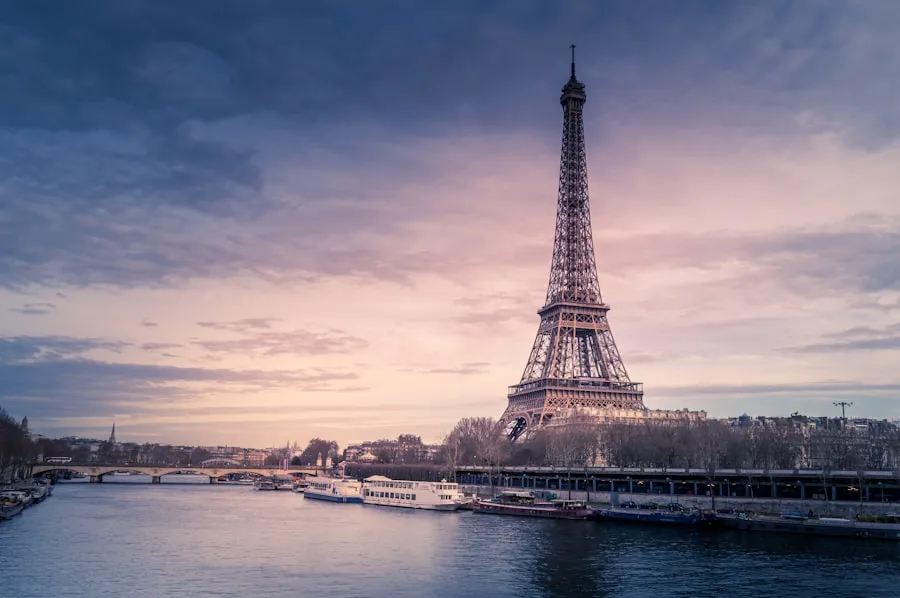
As summer fades, Paris shifts toward cooler weather and autumn color. September remains relatively mild, with average lows/highs around 13°C/21.5°C (55°F/71°F). October averages about 9.9°C/16.5°C (50°F/62°F), while November becomes noticeably cooler at roughly 6.2°C/11.1°C (43°F/52°F).
Bois de Vincennes, Parc Monceau, the Tuileries, Luxembourg Gardens, and tree-lined neighborhoods take on shades of gold, orange, and red. September and early October are especially good for travelers who want to spend much of the day walking without summer’s strongest heat.
Fall is also culturally busy. The Fédération de la Haute Couture et de la Mode schedules the Spring/Summer 2027 womenswear Paris Fashion Week for September 28 through October 6, 2026. Fashion Week can increase demand around event venues even though most official shows are industry-focused rather than standard tourist attractions.
Montmartre adds another major fall event. The Fête des Vendanges de Montmartre is scheduled for October 7–11, 2026, with neighborhood festivities built around music, food, culture, and the historic Clos Montmartre vineyard.
For many first-time visitors, late September and early October provide one of Paris’s best combinations of comfortable walking weather, cultural activity, and autumn atmosphere.
Winter in Paris: Festive Lights, Museums, and Quieter Days
| Winter Metric | What to Expect |
| Typical January Temperature | Average low about 3.2°C (38°F); average high about 7.6°C (46°F) |
| Snowfall | Snow is possible but inconsistent; do not plan a trip expecting a snow-covered Paris |
| Winter Activities | Museums, covered passages, cafés, seasonal markets, festive lights, and ice skating where scheduled |
| Winter Attractions | Louvre Museum, Musée d’Orsay, Notre-Dame Cathedral, covered arcades, Eiffel Tower, and seasonal displays |
Winter gives Paris a very different atmosphere. December brings festive lighting, shop displays, seasonal markets, and holiday events. For the 2026–27 festive period, the Grand Palais is scheduled to host the Grand Palais des Glaces ice rink from December 2026 into January 2027.
January and February are better suited to travelers who enjoy museums, cafés, covered passages, churches, and shorter outdoor walks. Average winter highs remain in the single digits Celsius, and damp or windy weather can make conditions feel colder.
The colder season is also a good time to focus on major museums. The Louvre is open year-round except specified closure days, although reservations and visitor levels still vary. Do not assume that winter automatically means discounted museum tickets: admission rules depend on the museum, visitor eligibility, date, and program.
Notre-Dame Cathedral is once again open to visitors. Entry to the cathedral itself is free, and the official Notre-Dame website offers optional free timed reservations that can reduce waiting during busy periods.
Late November and December can be busy and expensive around Christmas and New Year, so winter should not automatically be treated as one continuous bargain season. Travelers primarily seeking lower accommodation prices are usually better served by comparing January and February dates outside large events.
Best Months to Visit Paris at a Glance
March: Cooler and less reliably springlike, but flowers begin appearing and daylight increases. A good transition-season choice for travelers comfortable with layers.
April: One of the best sightseeing months. Temperatures are mild, gardens are active, and the cultural calendar is busy. Rain showers remain possible.
May: Excellent for parks, walking, outdoor cafés, museums, and major events. Demand increases, and rainfall is not unusually low despite the pleasant temperatures.
June: Warm days, long evenings, Roland-Garros in the early part of the month, Fête de la Musique on June 21, and a strong outdoor atmosphere. It is one of the liveliest times to visit.
July: Warm and busy around major landmarks. Paris Plages and other outdoor programs add plenty to do, but heat can affect midday sightseeing.
August: Warm with plenty of visitors at major attractions. Some independently owned local businesses traditionally take summer holidays, although tourist districts remain active.
September: Another top choice. Weather usually remains comfortable, summer heat eases, and the cultural calendar builds toward fall.
October: Cooler but excellent for walking, autumn colors, fashion-related activity, and Montmartre’s harvest festival.
November: Chilly and darker, with a more indoor-focused experience. Late in the month, festive displays begin appearing.
December: Best for Christmas atmosphere rather than low prices. Expect festive lights, seasonal shopping, markets, and holiday visitors.
January: One of the better months for travelers prioritizing museums, cafés, and possible accommodation savings over outdoor weather.
February: Still cold, but daylight gradually increases. It can work well for lower-season sightseeing, although major trade or fashion dates may affect hotel demand.
Best Time for Sightseeing in Paris
For classic sightseeing, April through June and September through October provide the strongest balance. Temperatures are generally comfortable enough for long walks between landmarks, parks are attractive, and there is more daylight than in winter.
This is useful in a city where many memorable days involve combining several areas on foot: Notre-Dame and the Latin Quarter, the Louvre and Tuileries, Montmartre and Sacré-Cœur, or the Eiffel Tower and Seine.
Popular attractions can still be busy in any month. Booking timed entry where available is more reliable than assuming a shoulder-season visit will eliminate queues. The Louvre specifically recommends timed booking, and Notre-Dame offers free optional reservations for easier access.
Pro Tip: For the Eiffel Tower, Louvre, Sainte-Chapelle, and other high-demand sights, secure any required or useful timed reservations first and build the rest of the day’s neighborhood walking route around them.
Best Time for Outdoor Activities in Paris
Best Weather for Outdoor Sightseeing
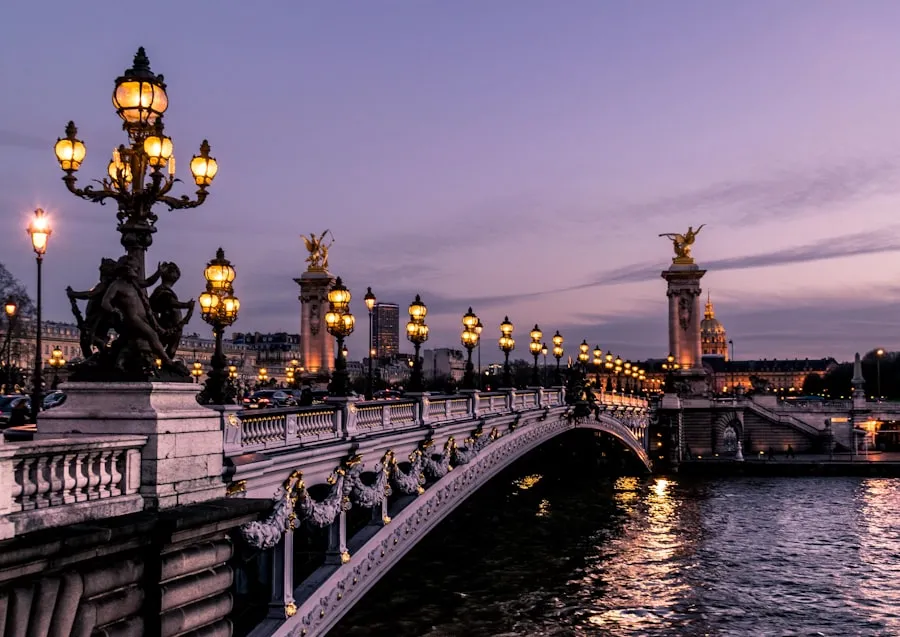
Late spring through early fall is the easiest period for cycling, riverside walks, garden visits, picnics, and long days exploring neighborhoods. May, June, September, and early October are especially attractive because they often avoid the coldest conditions and the strongest summer heat.
Exploring Paris by Bicycle
Paris has expanded its cycling infrastructure substantially, making bikes useful for travelers comfortable riding in an urban environment. Routes along the Seine and through parks can be particularly enjoyable in mild weather.
Even experienced riders should pay close attention at junctions, bus lanes, pedestrian crossings, and busy streets. Walking or public transport may be a better choice when weather is poor or traffic feels unfamiliar.
Summer Events and Activities
Summer offers the most extensive outdoor event calendar. Fête de la Musique takes place on June 21, while Paris Plages runs through much of July and August in 2026. Parks, riverbanks, outdoor terraces, temporary installations, and evening programming give visitors more reasons to stay outside after traditional sightseeing hours.
Best Time for Cultural Events in Paris
Paris has major cultural events throughout the year, so there is no single cultural season. Spring, early summer, and early fall are particularly dense.
In spring 2026, the Festival du Livre de Paris took place April 17–19, Roland-Garros ran May 18–June 7, and the Nuit européenne des musées was held May 23. The museum-night event opens many participating cultural institutions for special evening programs, often with free access.
Nuit Blanche is no longer best described as an October event. The City of Paris held the 2026 edition on June 6, filling public spaces and cultural venues with contemporary art projects and performances. Fête de la Musique followed on June 21.
Fall remains important for fashion and neighborhood celebrations. Paris Fashion Week womenswear for Spring/Summer 2027 is scheduled for September 28–October 6, 2026, while the Fête des Vendanges de Montmartre follows October 7–11.
Note: Festival dates change from year to year. Check the official organizer’s calendar before booking nonrefundable travel around a specific event.
Best Time for Budget Travel to Paris
Travelers focused on cost should look first at January and February, when the post-holiday period can offer better accommodation value than the busiest spring, summer, and early-fall dates. November can also have quieter periods before the Christmas season intensifies.
However, there is no month when Paris is universally cheap. Fashion weeks, conventions, school holidays, concerts, sporting events, Christmas, and New Year can produce high demand even in months normally considered off-peak.
For museums and monuments, look for official free-admission programs instead of assuming winter prices are lower. At the Louvre, for example, qualifying visitors receive free admission under specific eligibility rules, and the museum currently offers free admission for all visitors on the first Friday evening of most months except July and August, as well as on July 14. Advance reservations may still be required or recommended.
Food costs can also be controlled without sacrificing the Paris experience. Bakeries, markets, crêperies, neighborhood cafés, fixed-price lunch menus, and picnics can reduce daily spending compared with relying on restaurants next to major tourist attractions.
When Should First-Time Visitors Go?
For a first trip, aim for late April through May or mid-September through early October. Both periods work well for an itinerary that mixes museums, neighborhoods, gardens, river walks, outdoor cafés, and major landmarks.
Choose late spring if flowers, greener parks, and very long days matter most. Choose early fall if you prefer cooler walking temperatures, autumn atmosphere, and a busy cultural calendar.
Travelers tied to school holidays should not avoid summer completely. June through August can still be an excellent time to visit, particularly for outdoor events and evening activities, provided the itinerary leaves room to adjust during hot weather.
Frequently Asked Questions
What is the best time to travel to Paris?
April through June and September through October are generally the best periods for Paris because temperatures are comfortable for sightseeing and parks are attractive. Late April–May and mid-September–early October are particularly good compromises.
What is the weather like during the best months?
April averages roughly 7.9–16.6°C (46–62°F), May about 11.1–20.2°C (52–68°F), September about 13–21.5°C (55–71°F), and October about 9.9–16.5°C (50–62°F). Rain is possible in every season.
When is Paris busiest?
Major attractions can be busy from late spring through summer and around holidays or major events. Crowd levels also vary by neighborhood, weekday, and attraction, so timed reservations are useful even outside the traditional peak season.
When is the off-peak season in Paris?
January and February are among the better periods for travelers seeking lower-season conditions after the Christmas and New Year holidays. Individual fashion weeks, conventions, school holidays, and other events can still increase demand.
Are there major events in spring and fall?
Yes. Spring can include the Festival du Livre de Paris, Roland-Garros, and Nuit européenne des musées. Fall brings major fashion activity and the Fête des Vendanges de Montmartre. Exact dates should be checked with official organizers each year.
Is Paris more expensive in spring and fall?
It can be. Pleasant weather and major events create strong demand in parts of spring and fall. Booking flights and accommodation early is wise when dates are fixed, while flexible travelers should compare several nearby weeks rather than relying on season labels alone.
Does Paris have a rainy season?
No distinct rainy season exists. Rainfall is spread throughout the year, so even a spring or summer trip should include a compact umbrella or light waterproof layer.
Is summer a bad time to visit Paris?
No. Summer offers long days, Paris Plages, festivals, outdoor dining, and excellent evening sightseeing. The main disadvantages are busy attractions and the possibility of hot weather, so advance booking and a flexible daily schedule help.
Is December a good time to visit Paris?
Yes if festive atmosphere matters more than mild weather. December brings holiday lights, seasonal displays, winter entertainment, and Christmas events, but Christmas and New Year dates should not be assumed to be inexpensive.
Sources
- Paris je t’aime — Weather in Paris — monthly average temperatures, rainfall, and seasonal travel guidance.
- Météo-France — Paris-Montsouris climate normals — official long-term Paris climate reference.
- Paris je t’aime — Paris Plages 2026 — 2026 dates, locations, and summer programming.
- City of Paris — Nuit Blanche 2026 — verified June 6, 2026 event timing.
- French Ministry of Culture — Nuit européenne des musées — verified 2026 museum-night date and program information.
- Musée du Louvre — Hours and Admission — current 2026 hours, ticketing, booking, and free-admission rules.