
Last Updated on July 28, 2026 by Daniel Globe
Choosing the best time to visit Paris depends on what matters most to you: mild weather, long summer evenings, smaller crowds, seasonal events, or lower travel demand. For many visitors, spring and early fall offer the easiest balance. Paris is rewarding year-round, but each season changes how you should plan your days, reservations, clothing, and budget.
Quick Answer
The best time to visit Paris for most travelers is April through June or September through October. These months usually combine comfortable sightseeing weather with fewer peak-summer pressures. July and August suit festivals and long outdoor days, while winter can offer a quieter, atmospheric trip outside the Christmas and New Year period.
Key Takeaways
- Best overall: April through June and September through October offer a strong mix of comfortable weather and manageable sightseeing conditions.
- Best for long days and outdoor events: June through August, with the tradeoff of heat, busy attractions, and strong accommodation demand.
- Best for fall atmosphere: September and October bring cooler walking weather, changing leaves, exhibitions, and food events.
- Best for festive atmosphere: Late November and December bring lights, decorated department stores, holiday markets, concerts, and seasonal displays.
- Best for a quieter museum-focused trip: January and February can work well, although cold weather and shorter days require a more indoor-focused itinerary.
Paris by Season at a Glance
| April–June | Mild to warm weather, flowering gardens and long days. One of the best all-around periods for a first visit. |
| July–August | Long daylight hours and major outdoor events, but heat and heavy visitor demand can make sightseeing more tiring. |
| September–October | Comfortable walking weather, autumn color and a busy cultural calendar without peak midsummer heat. |
| November–March | Cooler and darker, with good indoor sightseeing opportunities. Christmas and New Year create a separate festive demand peak. |
For a first Paris trip, late April through June and September through early October usually provide the easiest balance of weather, outdoor time, and sightseeing comfort.
Disclosure: As an Amazon Associate I earn from qualifying purchases. Some links on this page are affiliate links, at no extra cost to you.
Spring in Paris: Flowers, Mild Weather and Longer Days
Spring gradually brings Paris back outdoors. Blossoms and spring planting appear across gardens such as the Tuileries and Jardin du Luxembourg, although exact bloom dates vary with the weather. March can still feel chilly, while April and May become progressively better for walking, café terraces, riverfront strolls, and park visits.
According to the official Paris je t’aime weather guide, average March temperatures range from about 5.6°C to 12.8°C (42°F to 55°F). April averages about 7.9°C to 16.6°C (46°F to 62°F), and May about 11.1°C to 20.2°C (52°F to 68°F). Rain can occur in any spring month, so a light waterproof layer is more useful than relying on a perfectly sunny forecast.
This is an excellent season for walking along the Seine, exploring Montmartre before the hottest part of the year, or sitting outside at traditional cafés such as Café de Flore and Les Deux Magots. Longer evenings also make it easier to combine museums with outdoor sightseeing in the same day.
Spring Events Worth Planning Around
Spring has a packed event calendar. The Foire de Paris ran from April 30 through May 11 in 2026 at Paris Expo Porte de Versailles. The event combines home, design, crafts, food, demonstrations, and international exhibitors.
Sports fans should also note Roland-Garros. The official 2026 schedule ran from May 18 through June 7, including qualifying and the main tournament. Because major events can increase local demand, check accommodation and transport before locking in dates.
Summer: Warm Weather, Long Days and Major Events
Summer gives visitors the most daylight for exploring Paris. Average highs are about 23.4°C (74°F) in June and roughly 25.6–25.7°C (78°F) in July and August, but hot spells can push temperatures above 30°C (86°F). Plan demanding walks for morning or evening when a heat wave is forecast.
Seine River: The Heart of Summer Activities
The Seine becomes one of the city’s main gathering points in warm weather. Cruises offer a different view of landmarks and bridges, while the riverbanks attract walkers, cyclists, picnickers, and people relaxing near the water.
Paris Plages returned from July 4 through August 30 in 2026 at several locations, including Parc Rives de Seine and Bassin de la Villette. The modern program is better described as a collection of free summer leisure spaces and activities rather than a guaranteed strip of imported sand every year. Paris also operated designated, supervised summer swimming areas in the Seine during the 2026 season.
Warning: Do not treat the Seine as open water for unrestricted swimming. Use only officially designated swimming sites when they are open and follow posted water-quality, weather, age, and safety rules.
Cultural Events and Festivals
The Festivals du Parc Floral ran from June 24 through September 6 in 2026. Paris Jazz Festival performances were scheduled on selected dates during that period at Parc Floral de Paris.
France’s national holiday remains July 14. The military parade and other commemorations make this one of the most important summer dates in Paris. Normally the Eiffel Tower fireworks are associated with the July 14 celebrations, but Paris exceptionally moved the fireworks to July 13 in 2026 to leave July 14 for commemorations marking the tenth anniversary of the 2016 Nice attack.
Note: Annual festival dates can move. Use the exact dates in this guide for 2026 planning, but verify the organizer’s current calendar before booking a trip for another year.
A Unique Urban Escape
Summer works especially well for travelers who prioritize outdoor dining, river walks, festivals, evening cruises, and long sightseeing days. Its biggest drawbacks are heat and heavy demand at famous attractions. Reserve high-priority sights before arrival rather than assuming you can walk in at your preferred time.
Fall: Parisian Charm, Cooler Walks and Autumn Foliage
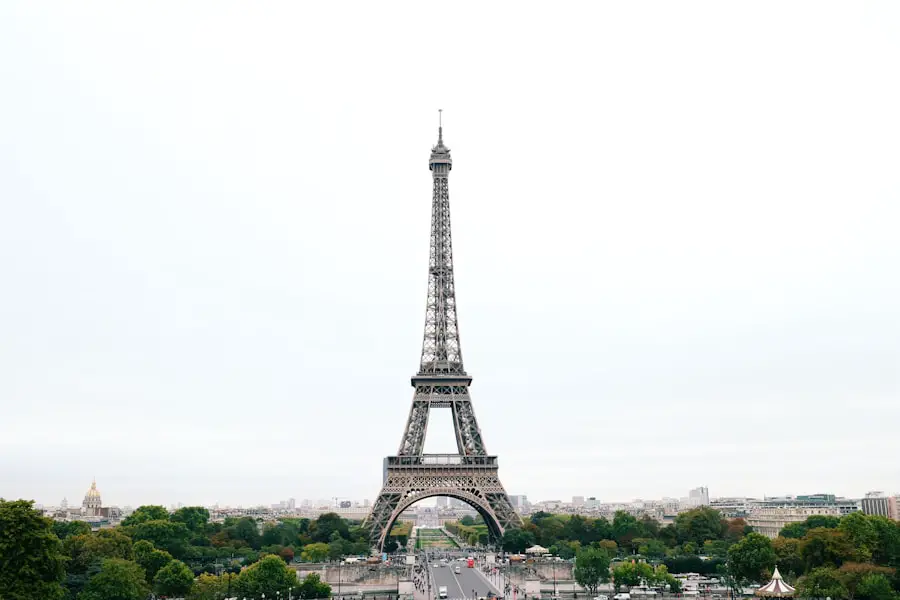
As summer fades, Paris gradually shifts into cooler weather and autumn colors. September remains fairly mild, with average temperatures around 13.0°C to 21.5°C (55°F to 71°F). October averages about 9.9°C to 16.5°C (50°F to 62°F), while November becomes noticeably colder.
Parks such as Parc des Buttes-Chaumont and the Jardin du Luxembourg can be especially appealing as leaves change. Check current park notices before visiting; construction, weather, or safety work can temporarily close specific areas.
Fall is also attractive for café stops, neighborhood walks, galleries, food events, and a return to a fuller cultural calendar after the summer holiday period. Traditional dishes such as coq au vin and boeuf bourguignon feel particularly suited to cooler evenings.
Fall Events
The Montmartre grape-harvest celebrations traditionally bring food, wine, performances, and neighborhood events to the 18th arrondissement in autumn. Chocolate fans can plan around the Salon du Chocolat et de la Pâtisserie, scheduled for October 28 through November 1 in 2026 at Paris Expo Porte de Versailles.
Do not assume Nuit Blanche takes place in October. The event calendar has changed over time; in 2026, Paris held Nuit Blanche on June 6.
Winter: Lights, Museums and a Quieter Side of Paris
| Winter Activity | Where | Typical Cost |
| Seasonal ice skating | Temporary and permanent rinks; locations vary | Varies by rink and skate rental |
| Christmas markets | Several Paris neighborhoods and nearby districts | Usually free to enter; purchases extra |
| Holiday lights | Major avenues and department-store districts | Free outdoors |
| Hot chocolate and café stops | Cafés and tearooms throughout Paris | Varies |
Winter brings shorter days, cold weather and a more indoor-focused rhythm. Average December temperatures are roughly 3.8°C to 8.0°C (39°F to 46°F), while January averages about 3.2°C to 7.6°C (38°F to 46°F). Freezing conditions and occasional snow are possible, but persistent deep snow is not typical.
From late November through December, Paris is decorated with illuminations, seasonal displays and Christmas markets. The Champs-Élysées, department-store districts and other shopping areas become especially festive. December can therefore feel much busier than a typical “low-season” winter month.
Winter is also well suited to museum-heavy itineraries. The Louvre, Musée d’Orsay, smaller museums, covered passages, cafés and churches make it possible to build enjoyable days even when the weather is poor.
Note: Temporary ice rinks change from one winter to the next. Do not plan a trip around skating at the Eiffel Tower, Hôtel de Ville, or Champ de Mars unless that year’s official program specifically confirms it.
High Season, Shoulder Season and Quieter Months
June through August brings warm weather, long days and major summer events, so reservations for famous sights and popular accommodation can become competitive. That does not mean every street or hotel is equally busy, but last-minute flexibility is usually lower around major dates.
April through June and September through October are often called shoulder-season periods, although Paris remains a major year-round destination. They appeal to travelers who want good walking weather without relying on midsummer conditions.
November through March can provide quieter stretches outside Christmas, New Year, Fashion Week, trade fairs, school holidays, and other major events. January and February are especially useful for travelers who prioritize museums, food, architecture, and indoor attractions over gardens and long evenings outdoors.
Special Events and Festivals: 2026 Planning Calendar
Paris has major cultural, sporting, fashion and food events throughout the year. If an event is central to your trip, book around its confirmed dates rather than relying on the month in which it usually occurs.
- Paris Fashion Week — Women’s Fall/Winter 2026–27: March 2–10, 2026, according to the Fédération de la Haute Couture et de la Mode.
- Foire de Paris: April 30–May 11, 2026.
- Roland-Garros: May 18–June 7, 2026, including qualifying and the main tournament.
- European Museum Night: May 23, 2026, with special evening programming at participating museums.
- Nuit Blanche: June 6, 2026.
- Fête de la Musique: June 21, 2026, with performances across France and numerous events in Paris.
- Festivals du Parc Floral: June 24–September 6, 2026, including selected Paris Jazz Festival dates.
- Paris Plages: July 4–August 30, 2026.
- Paris National Day fireworks: exceptionally July 13 in 2026; July 14 remained the national holiday.
- Salon du Chocolat et de la Pâtisserie: October 28–November 1, 2026.
Pro Tip: Before choosing flights, check both your preferred attraction calendars and the city’s major-event calendar. A festival may be the reason you want to visit, but it can also change hotel availability, public-transport patterns, road access, and museum demand.
Weather in Paris by Month
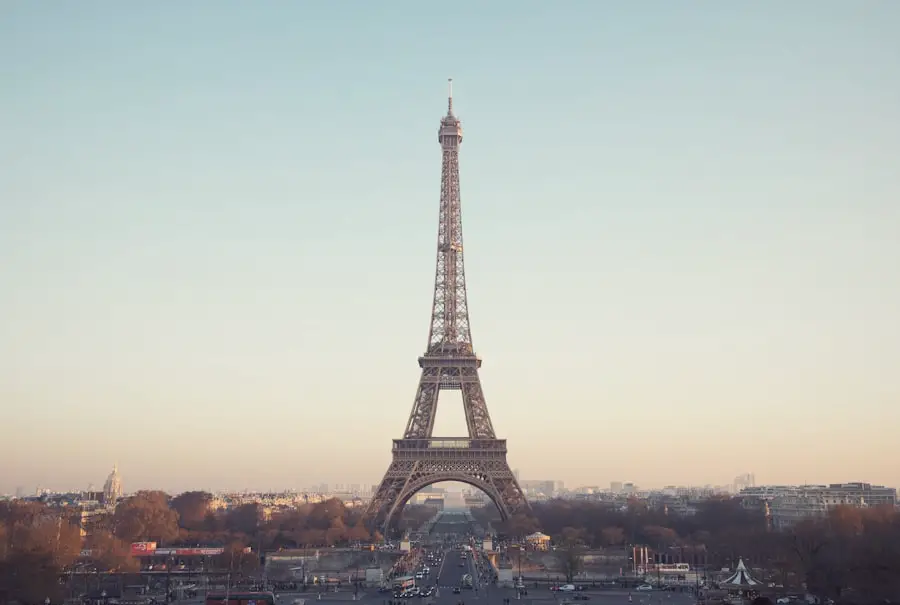
Paris has a modified oceanic climate with precipitation spread throughout the year. There is no dependable dry season, so an umbrella or light rain shell is useful in every season.
| Month | Average Low | Average High |
| March | 5.6°C / 42°F | 12.8°C / 55°F |
| April | 7.9°C / 46°F | 16.6°C / 62°F |
| May | 11.1°C / 52°F | 20.2°C / 68°F |
| June | 14.2°C / 58°F | 23.4°C / 74°F |
| July | 16.2°C / 61°F | 25.7°C / 78°F |
| August | 16.0°C / 61°F | 25.6°C / 78°F |
| September | 13.0°C / 55°F | 21.5°C / 71°F |
| October | 9.9°C / 50°F | 16.5°C / 62°F |
| November | 6.2°C / 43°F | 11.1°C / 52°F |
| December | 3.8°C / 39°F | 8.0°C / 46°F |
| January | 3.2°C / 38°F | 7.6°C / 46°F |
| February | 3.3°C / 38°F | 8.8°C / 48°F |
These are climate averages, not forecasts. A particular week can be much warmer, colder, wetter, or drier. Check Météo-France shortly before departure and adjust your daily itinerary when heat, storms, snow, or strong winds are expected.
Best Time to Visit Paris by Travel Style
For a First Visit
Choose late April through June or September through early October. These periods make it easier to combine long walks, gardens, outdoor cafés and museums without depending on peak-summer weather.
For Gardens and Outdoor Paris
April, May and June are especially attractive for spring planting and longer days. September and early October are strong alternatives for cooler walks and changing foliage.
For Festivals and Long Evenings
June and July have an especially dense outdoor calendar. Expect more demand around major concerts, national celebrations, sports tournaments and popular summer weekends.
For a Winter Atmosphere
Late November through December is best for lights, festive windows, seasonal markets and holiday atmosphere. January and February feel less festive but can suit museum-focused travelers.
For Travelers Trying to Limit Crowds
Look at January, February and parts of November rather than assuming all winter dates are quiet. Christmas, New Year, Fashion Week and other major events can create strong local demand.
What to Pack for Paris in Each Season
Spring: Bring layers, a light waterproof jacket, comfortable walking shoes and a compact umbrella. Mornings and evenings may be much cooler than afternoon temperatures.
Summer: Pack breathable clothing, sun protection, a refillable water bottle and comfortable shoes. Keep a lightweight layer for cooler evenings and air-conditioned interiors.
Fall: Use light-to-medium layers, a rain shell and shoes that handle wet pavement comfortably. October and November can change quickly from mild afternoons to chilly evenings.
Winter: Bring a warm coat, insulating layers, gloves and weather-resistant walking shoes. Cold rain can be more common than postcard-style snowfall.
Travelers who use a compact mobility aid should check accessibility at individual attractions and metro stations before the trip. Cobblestones, stairs and older infrastructure can affect routes. A lightweight daypack or minimalist travel backpack can also make long sightseeing days easier, while a larger hiking-style backpack is usually unnecessary for normal city exploration unless Paris is part of a longer outdoor trip.
Insider Tips for Making the Most of Paris in Any Season
Reserve your must-see attractions first, then build flexible neighborhood time around them. This is especially important for the Louvre. The museum required reservations for most visitors from July 1 through August 31, 2026, and its official guidance makes clear that advance booking — not a supposed “skip-the-line” product — is what guarantees entry for standard visitors.
A Paris Museum Pass can still be useful when the attractions you plan to visit are included, but it does not remove security screening and does not eliminate every reservation requirement. Check the rules for each museum before the visit.
Do not spend the entire trip moving only between the Eiffel Tower, Louvre, Montmartre and Saint-Germain-des-Prés. Neighborhoods such as Le Marais and Canal Saint-Martin add markets, small shops, cafés, architecture and everyday street life to the trip.
Public transportation is usually more useful than taxis for moving between districts, but walking remains one of the best ways to experience central Paris. Build routes by neighborhood so you spend less time crossing the city repeatedly.
Pro Tip: Keep one indoor alternative for every outdoor-heavy day. A rain shower or heat spike is much less disruptive when you already know which museum, covered passage, church, café, or gallery can replace an outdoor activity.
Frequently Asked Questions
What is the best time to travel to Paris, France?
For most visitors, April through June and September through October offer the best overall balance of comfortable weather and outdoor sightseeing. The right choice still depends on whether you value festivals, Christmas atmosphere, smaller crowds, or long summer evenings most.
What is the weather like during the best months to visit Paris?
April averages about 7.9°C to 16.6°C (46°F to 62°F), May about 11.1°C to 20.2°C (52°F to 68°F), September about 13.0°C to 21.5°C (55°F to 71°F), and October about 9.9°C to 16.5°C (50°F to 62°F). Rain is possible throughout the year.
When is peak tourist season in Paris?
Summer, especially June through August, brings long days, major events and heavy demand at famous attractions. Other peaks can occur around Christmas, New Year, Fashion Week, Roland-Garros and major citywide events, so season alone does not determine crowd levels.
Is spring or fall less rainy in Paris?
Neither season guarantees dry weather. Paris receives precipitation throughout the year without a clearly defined dry season. Pack for occasional rain whether you visit in spring, summer, fall or winter.
What major Paris events take place in spring and early summer?
The 2026 calendar included Foire de Paris from April 30 to May 11, Roland-Garros from May 18 to June 7, European Museum Night on May 23, Nuit Blanche on June 6, and Fête de la Musique on June 21. Dates can change each year.
Do I need advance reservations for Paris museums?
For major attractions, advance booking is strongly recommended and can sometimes be mandatory. For example, the Louvre required reservations for most visitors from July 1 through August 31, 2026. Always check the attraction’s official site before your visit.
Is winter a good time to visit Paris?
Yes, especially for museums, restaurants, cafés, architecture and holiday atmosphere. December can be busy around Christmas and New Year, while January and February can provide quieter stretches. Expect cold temperatures, shorter daylight hours and a greater need for indoor backup plans.
Sources
- Paris je t’aime — Weather in Paris — monthly temperature, rainfall and seasonal travel guidance.
- Météo-France — Paris-Montsouris climate normals — official climate reference data.
- Ville de Paris — Paris Plages 2026 — official 2026 dates and program information.
- Ville de Paris — Festivals du Parc Floral 2026 — official Paris Jazz Festival and summer festival schedule.
- Paris je t’aime — July 2026 fireworks — confirms the exceptional July 13 date for the 2026 Eiffel Tower fireworks.
- Musée du Louvre — Hours and admission — official reservation, admission and ticket guidance.

