
Last Updated on July 28, 2026 by Daniel Globe
Oregon changes sharply from one region and season to the next. A July afternoon may be cool and windy on the coast, warm in Portland, and hot in Southern Oregon. Snow can also keep high-elevation roads closed after spring has arrived in the valleys. The best time to visit therefore depends on where you plan to go and what you want to do.
Quick Answer
For the widest access to Oregon’s coast, cities, waterfalls, and high-country roads, visit from late June through September. July and August usually bring the driest inland weather but also the largest crowds. Choose May–June or September–October for a quieter trip, and winter for skiing or coastal storm watching.
Key Takeaways
- Late June through September is best for a first Oregon road trip because most major routes, campgrounds, and high-elevation attractions are accessible.
- Spring is ideal for waterfalls, gardens, and lower-elevation wildflowers, but snow may still block mountain trails and roads.
- September and early October balance pleasant weather with smaller crowds, although wildfire smoke can remain a concern.
- Winter suits skiing, snowshoeing, and coastal storm watching, but travelers must prepare for snow, chains, closures, and short daylight hours.
- Oregon’s weather varies by region. Pack layers and check local forecasts, road conditions, air quality, and park notices before each travel day.
Disclosure: As an Amazon Associate I earn from qualifying purchases. Some links on this page are affiliate links, at no extra cost to you.
Best Time to Visit Oregon at a Glance
Oregon by Season
| Late June–September | Best overall for road trips, camping, hiking, Crater Lake, festivals, and long daylight hours. Expect peak demand in July and August. |
| March–June | Best for waterfalls, gardens, spring flowers, farms, and lower-elevation hiking. Rain and mountain snow remain possible. |
| September–October | Best for harvest food, fall color, comfortable hiking, and fewer visitors after the main summer rush. Check smoke and early-snow forecasts. |
| November–March | Best for skiing, snowboarding, snowshoeing, quieter cities, and dramatic coastal storms. Winter driving preparation is essential. |
| Best value periods | Midweek dates in spring, fall, and winter may offer better availability. Rates can still rise during festivals, holidays, ski weekends, and peak fall-color periods. |
Travel Oregon describes June through September as the strongest period for road trips and outdoor activities. It recommends spring and autumn for milder travel with fewer crowds, while winter is suited to skiing and quiet coastal getaways.
Spring: Waterfalls, Flowers, and Fewer Visitors
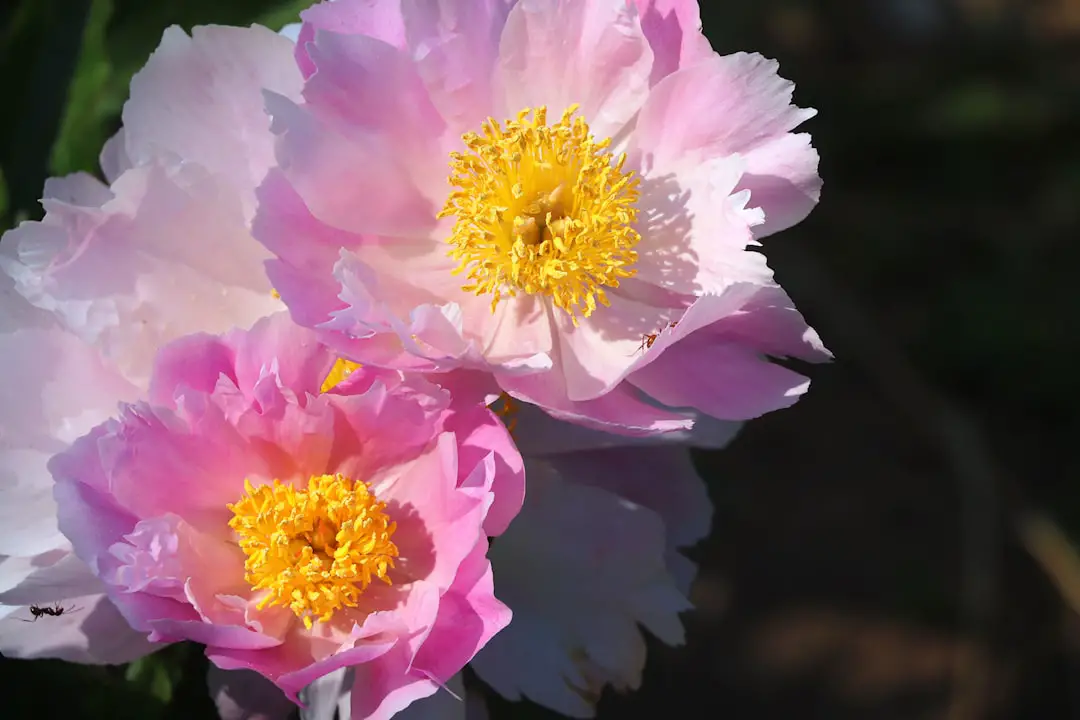
Spring brings fresh growth to Oregon’s valleys, gardens, farms, and lower-elevation forests. Tulips, daffodils, cherry blossoms, and native wildflowers add color to parks and scenic drives. Rain and melting snow also feed waterfalls, making this a rewarding season for trips through the Columbia River Gorge and the western Cascade foothills.
Parks and public gardens become popular on brighter days, while birds return or pass through during seasonal migrations. Farmers markets begin filling with greens, asparagus, strawberries, herbs, and other early produce. Mild days are also well suited to picnics, city walks, winery visits, and family gatherings.
Spring hiking requires careful route selection. Trails near cities and in lower forests may be clear, while higher routes can remain muddy, icy, or snow-covered. At Crater Lake National Park, the North Entrance and sections of Rim Drive may remain closed until June or July because reopening depends on snow removal and road conditions.
Note: Calendar spring does not mean summer access in the Cascades. Check the current status of mountain roads, trailheads, campgrounds, and park facilities before building an itinerary around them.
Summer: Outdoor Activities and Festivals
Summer offers the broadest range of Oregon experiences. Long days and generally drier inland weather make it easier to combine the coast, cities, lakes, forests, mountains, and high desert in one trip. It is also the busiest season, especially during July and August.
Outdoor Activities Galore
Families and outdoor travelers use the warmer months for swimming, kayaking, paddleboarding, fishing, and camping. Snow-free trails open across much of the Cascades, and major scenic routes usually become easier to reach. This is often the best period for a full Oregon road trip or a first visit to Crater Lake.
Conditions are not the same statewide. The coast stays much cooler than inland Oregon. Travel Oregon’s regional averages list summer highs near 67°F in Astoria, 80°F in Portland, and 93°F in Medford. A traveler may need a jacket at the beach and heat protection later that day in an inland valley.
Festivals for Every Taste
Summer calendars include music, theater, community fairs, food events, parades, and outdoor performances. The Portland Rose Festival usually begins around late May, the Oregon Shakespeare Festival runs through much of summer and early fall, and the Oregon State Fair takes place around late August and Labor Day.
Festival dates, locations, and ticket rules change. Check the Portland Rose Festival, Oregon Shakespeare Festival, and Oregon State Fair calendars before booking flights or lodging.
Community and Celebration
Food festivals and county fairs introduce visitors to regional produce, seafood, crafts, music, and local traditions. Smaller events can provide a more relaxed experience than major city festivals and may make it easier to speak with farmers, artists, chefs, and performers.
Summer Trade-Offs: Crowds, Heat, and Wildfire Smoke
Popular campgrounds, coastal towns, and park lodging can fill well ahead of arrival. Inland heat may affect hiking plans, and wildfire smoke can reduce visibility or make strenuous activity unhealthy. Conditions may change quickly even when a fire is far from the planned destination.
Warning: During fire season, check the Oregon DEQ wildfire and air-quality resources and TripCheck before driving. Smoke can affect air quality, visibility, trails, parks, and road access.
Fall: Vibrant Foliage and Harvest Season
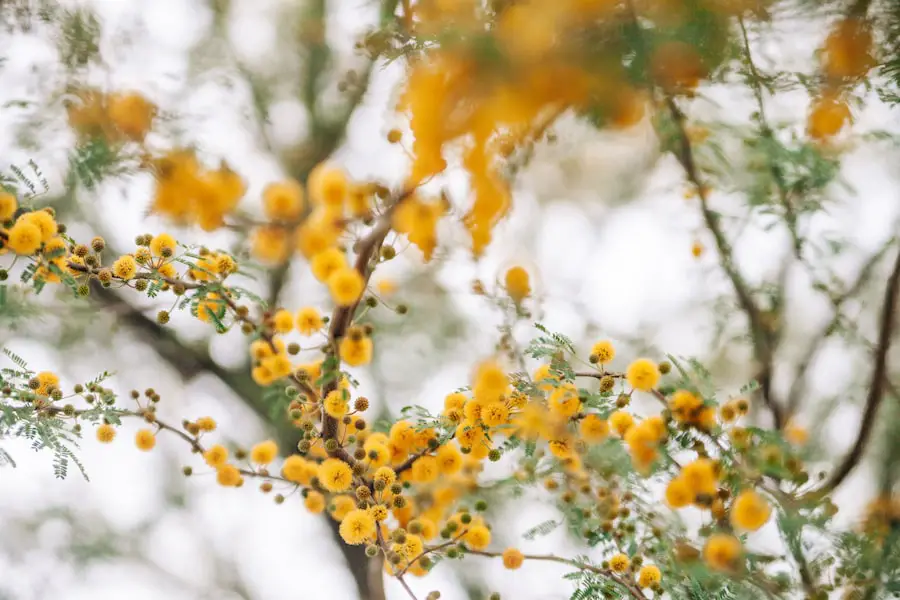
As summer fades, Oregon’s maples, cottonwoods, aspens, vineyards, and urban trees shift toward shades of yellow, orange, and red. Fall color does not peak everywhere at once. Elevation, latitude, rainfall, wind, and temperature all influence timing, so travelers should check local foliage reports close to departure.
September often retains summer-like afternoons while bringing cooler nights and fewer visitors after Labor Day. October becomes wetter in western Oregon, but it also brings harvest displays, pumpkin patches, apple picking, fresh-hop events, mushroom activities, and seasonal menus.
Farm stands and markets feature apples, pears, pumpkins, squash, grapes, hazelnuts, and root vegetables. Harvest festivals may include hayrides, corn mazes, cooking demonstrations, handmade goods, music, and family activities.
Fall can be an excellent time for hiking and scenic drives, especially in the Willamette Valley, Columbia River Gorge, Southern Oregon, and lower parts of Central and Eastern Oregon. However, smoke may continue in September, and early snow can affect mountain routes later in the season.
Pro Tip: For a quieter Oregon road trip, consider the period after Labor Day through early October. Keep reservations flexible because wildfire smoke, rain, or early mountain snow may require a route change.
Winter: Skiing, Snowboarding, and Coastal Storms
Winter turns Oregon’s higher elevations into destinations for skiing, snowboarding, cross-country skiing, snowshoeing, and snow play. Mt. Hood, Central Oregon, and mountain areas in Southern and Eastern Oregon offer a range of developed and backcountry winter recreation.
Beginners can find lessons and equipment rentals at many developed ski areas. Away from downhill slopes, Sno-Parks provide access to snowshoeing, sledding, Nordic skiing, and snowmobile routes. Some communities also offer seasonal ice skating, holiday lights, markets, bonfires, and winter festivals.
The coast provides a different winter experience. Travelers visit for dramatic waves, storm watching, quiet beaches, seafood, and lodging with ocean views. Storms should be watched only from a safe location well away from surf, logs, cliffs, and flooded beach exits.
The National Weather Service warns that sneaker waves can surge much farther up a beach than expected after several minutes of smaller waves. Cold Pacific water, rip currents, and moving driftwood add to the danger.
Winter road travel requires more preparation than summer travel. Snow and ice can affect Cascade passes, the Siskiyou Summit, Central Oregon, Eastern Oregon, and roads around Crater Lake. Drivers may be required to carry or use chains or approved traction tires in posted snow zones.
Warning: Four-wheel drive does not cancel Oregon’s chain rules. Check Oregon’s chain-law guidance, practice fitting the correct devices before departure, and review live cameras and restrictions on TripCheck.
Shoulder Seasons: Fewer Crowds and Better Availability
Spring and fall are Oregon’s main shoulder seasons. Popular attractions often feel less crowded than they do during peak summer weekends, making it easier to explore parks, museums, restaurants, wineries, and scenic towns at a slower pace.
Travelers may also find better midweek lodging availability or lower rates, but savings are not guaranteed. Prices can remain high during school breaks, holiday weekends, major festivals, wine events, ski periods, and peak fall color.
Shoulder-season weather is less predictable. A warm afternoon may be followed by heavy rain, frost, mountain snow, wind, or smoke. Flexible plans and refundable reservations are especially useful during these transitional months.
Events and Festivals to Plan an Oregon Trip Around
Annual events can add music, art, food, history, and community traditions to an Oregon trip. Some festivals occupy one weekend, while others spread performances and activities across several months.
- Late May through June: Portland Rose Festival parades, waterfront activities, races, and community events.
- Summer into early fall: Oregon Shakespeare Festival performances in Ashland.
- Late August through Labor Day: Oregon State Fair attractions, agriculture, food, competitions, rides, and concerts in Salem.
- September and October: Harvest festivals, pumpkin patches, fresh-hop celebrations, art fairs, mushroom events, and cultural gatherings.
- Winter: Holiday markets, light displays, mountain celebrations, and storm-watching events.
Do not rely on an old event article or last year’s dates. Confirm the official schedule, ticket requirements, parking arrangements, venue rules, and cancellation policy before making nonrefundable plans.
Outdoor Activities: Hiking, Camping, and Water Sports
Oregon’s hiking season depends on elevation. Coastal, valley, and low-forest trails may be usable for much of the year, although rain can create mud, flooding, or fallen-tree hazards. Alpine routes usually have a shorter season because snow can remain into early or midsummer.
Camping is most popular from late spring through early fall. Oregon State Parks recommends reservations because popular sites and facilities fill quickly. Under normal operations, most reservable sites can be booked from the day of arrival through six months ahead, while some campgrounds remain first-come, first-served.
Kayaking, paddleboarding, rafting, swimming, fishing, and sailing are popular during warmer months. Water can remain dangerously cold even on a hot day. Wear a properly fitted life jacket, check local conditions, and avoid entering rivers or coastal water when currents, surf, or skill requirements exceed your experience.
Campfire restrictions may change during dry weather. Check the managing park, forest, campground, or county agency before starting any fire, and never assume a fire ring means fires are currently allowed.
Local Cuisine: Seasonal Foods and Farmers Markets
Seasonal food helps tell the story of Oregon’s farms, coast, forests, orchards, and vineyards. Farmers markets bring visitors closer to local growers and producers while offering ingredients that are at their best during each part of the year.
- Spring: Tender greens, asparagus, herbs, rhubarb, and early strawberries.
- Summer: Berries, cherries, tomatoes, corn, stone fruit, seafood, and outdoor food events.
- Fall: Apples, pears, grapes, pumpkins, squash, mushrooms, hazelnuts, and fresh-hop products.
- Winter: Root vegetables, preserved fruit, soups, baked goods, seafood, and hearty restaurant menus.
Many restaurants build menus around regional farms and fisheries. Market hours and vendor lists change by season, so confirm operating days before making a special trip.
Best Time to Visit Each Oregon Region
Oregon Coast
July through September usually provides the driest and most dependable period for beach walks and coast road trips, but the air often remains cool. Spring and fall are quieter and can still produce clear days. Winter is best for storm watching from safe indoor or elevated viewpoints.
Portland and the Willamette Valley
May through June and September through early October balance comfortable temperatures, gardens, markets, wineries, and outdoor dining. July and August are warmer and drier but bring larger crowds and occasional heat.
Central and Eastern Oregon
Late spring and early fall are often comfortable for hiking, cycling, climbing, and high-desert sightseeing. Summer days can become hot, while nights may still feel cool. Winter brings snow sports but can make long drives and mountain passes more demanding.
Southern Oregon
Spring and fall are good choices for Ashland, the Rogue Valley, wineries, and lower-elevation recreation. Summer offers festivals and broad access but may bring high heat or wildfire smoke.
The Cascades and Crater Lake
July through September offers the best chance of full road and trail access. Crater Lake National Park remains open throughout the year, but heavy snow closes Rim Drive, the North Entrance, trails, campgrounds, and some visitor services for long periods. Always check the park’s current conditions.
How to Choose the Best Season for Your Trip
- Choose July or August for the widest outdoor access, family vacations, camping, and long daylight hours.
- Choose September for a balance of summer-like access and smaller post-holiday crowds.
- Choose April through June for waterfalls, gardens, flowers, and lower-elevation scenery.
- Choose late September or October for harvest food and fall color.
- Choose December through March for skiing, snowboarding, snowshoeing, and winter festivals.
- Choose winter on the coast for quieter lodging and storm watching, provided you follow beach and weather warnings.
Oregon does not have one statewide travel season. The best month for the coast may be too hot for a Southern Oregon hike or too early for a snow-free road around Crater Lake.
What to Pack for Oregon
Pack layers in every season. A light waterproof shell, comfortable walking shoes, sun protection, refillable water bottle, and warmer evening layer cover many common conditions. Add traction devices and an emergency kit for winter driving, or an N95 respirator when wildfire smoke is possible.
International visitors may need one of these universal travel adapters for U.S. outlets. Wildlife watchers may benefit from compact binoculars for hiking and coastal viewing, while a durable hardside carry-on with spinner wheels can simplify flights and multi-stop road trips.
Frequently Asked Questions
What is the best time to travel to Oregon?
Late June through September is the best general window for a first Oregon trip because most scenic roads, campgrounds, and high-elevation attractions are accessible. September often provides a good balance of pleasant weather and smaller crowds after Labor Day.
What is Oregon’s summer weather like?
Summer weather varies greatly. Coastal places such as Astoria remain cool, Portland is usually warmer and drier, and Southern Oregon can become hot. Pack layers and check the forecast for each stop rather than using one statewide temperature range.
What is the best time to visit the Oregon Coast?
July through September usually offers the driest coast-road-trip weather, although beaches remain cooler than inland Oregon. Spring and early fall can be quieter. Winter is popular for storm watching, but visitors must stay well back from waves, logs, cliffs, and flooded exits.
When is the best time to visit Crater Lake?
July through September gives visitors the best chance of full road, trail, campground, and facility access. Snow can keep Rim Drive and the North Entrance closed into June or July, and there is no guaranteed annual reopening date.
Which Oregon events should I consider when planning a trip?
Major examples include the Portland Rose Festival, Oregon Shakespeare Festival, Oregon State Fair, county fairs, harvest celebrations, and winter events. Dates and formats change each year, so use the organizer’s official calendar before booking.
What outdoor activities are available during Oregon’s main travel season?
Summer supports hiking, camping, fishing, kayaking, rafting, paddleboarding, cycling, swimming, scenic driving, and beach visits. Access still depends on local snow, fire restrictions, smoke, water conditions, permits, and road closures.
How can I avoid Oregon’s largest crowds and highest prices?
Travel midweek in May, June, September, or October and avoid major holidays or festival weekends. These periods may offer better availability, but rates still depend on the destination, event calendar, weather, and local demand.
What should I check immediately before an Oregon trip?
Check local weather, TripCheck road reports, Oregon DEQ air quality, wildfire information, park alerts, trail conditions, campground notices, coastal warnings, and official event schedules. Recheck them during the trip because conditions can change quickly.
Sources
- Travel Oregon: Oregon Weather — regional seasonal temperatures, rain, and snow.
- Travel Oregon: International Visitors Guide — general guidance on the best seasons for outdoor travel, quieter trips, and winter recreation.
- Oregon TripCheck — live road conditions, cameras, closures, weather, and chain restrictions.
- Oregon Department of Environmental Quality: Wildfire Response — smoke advisories, AQI tools, and wildfire air-quality resources.
- National Park Service: Crater Lake Operating Hours and Seasons — seasonal road closures and variable reopening timelines.
- Oregon State Parks Reservations — campground availability, booking windows, and reservation guidance.

