
Last Updated on July 28, 2026 by Daniel Globe
Nashville is a year-round destination, but the experience changes dramatically with the season. Spring brings comfortable sightseeing weather, blooming parks, and songwriter events. Summer has the biggest music crowds and hottest temperatures. Fall pairs festivals with cooler days and changing leaves, while winter offers holiday attractions and potentially quieter travel dates outside major events.
Quick Answer
For most travelers, the best time to visit Nashville is April through May or late September through October. These months generally offer milder weather than summer, plenty of live music and festivals, and comfortable conditions for walking and outdoor attractions. June is especially good for serious country-music fans despite bigger crowds and hotter weather.
Key Takeaways
- Best overall: April, May, late September, and October combine comfortable weather with a busy events calendar.
- Best for music: Spring offers songwriter showcases and outdoor concerts, while June brings CMA Fest and some of Nashville’s largest music crowds.
- Best for outdoor activities: Spring and fall are easier for hiking, greenways, parks, and neighborhood exploring than hot summer afternoons.
- Best for fall scenery: October is a strong choice for cooler temperatures and colorful foliage, although exact leaf timing changes from year to year.
- Best for value: Look at January, February, late November, and other dates outside major festivals and holidays, but always compare the event calendar before booking.
Best Time to Visit Nashville by Season
Official climate normals from the National Weather Service in Nashville show why spring and fall are popular. April normally averages a high of 72.6°F and a low of 48.9°F, while October averages 73.5°F and 49.9°F. July, by comparison, has a normal high of 90.9°F and a low of 70.5°F.
| Season | Typical Nashville Weather | Best For |
| Spring March-May |
Normal highs rise from 62.7°F in March to 80.4°F in May. | Sightseeing, parks, outdoor music, gardens, songwriter events |
| Summer June-August |
Normal highs run about 87.7-90.9°F, with warm nights and frequent humidity. | CMA Fest, nightlife, major concerts, food festivals |
| Fall September-November |
September remains warm at a normal high of 84.4°F; October cools to about 73.5°F. | Foliage, hiking, film, arts, Oktoberfest, outdoor dining |
| Winter December-February |
Normal highs range from about 49.1°F in January to 53.8°F in February. | Holiday attractions, indoor music, museums, quieter dates |
Note: Festival dates change from year to year. Dates below use confirmed 2026 schedules where available, so check the official organizer before booking a future trip around one event.
Spring in Nashville: Mild Weather, Blossoms, and Live Music
As winter fades, Nashville’s parks, patios, and outdoor stages become much more inviting. Spring is one of the easiest seasons for travelers who want to combine downtown sightseeing with parks and live music without dealing with the peak heat of July or August.
Music remains at the center of the experience. The Grand Ole Opry and smaller listening rooms such as the Bluebird Cafe operate throughout the year, while spring adds special songwriter events and outdoor performances.
One major spring event is the Tin Pan South Songwriters Festival, organized by the Nashville Songwriters Association International. In 2026, the five-day festival ran March 24-28 across 10 Nashville venues, giving audiences the chance to hear songwriters perform and explain the stories behind their work.
The Nashville Cherry Blossom Festival is another spring highlight. The 2026 festival took place April 11 at Nashville Public Square Park and included music, dance, martial arts, Japanese cultural exhibits, food, children’s activities, and other performances.
Free outdoor music also becomes easier to find as the weather warms. In 2026, Musicians Corner returned to Centennial Park with a multi-week series of free concerts featuring artists from several genres.
Spring does bring rain, and Middle Tennessee weather can change quickly. April averages about 4.72 inches of precipitation and May about 5.02 inches according to National Weather Service normals.
Warning: Check the National Weather Service Nashville forecast before long hikes, outdoor festivals, or day trips. Thunderstorms, heavy rain, and rapidly changing conditions can disrupt spring and summer plans.
Summer in Nashville: Festivals and Outdoor Fun
Summer delivers some of Nashville’s biggest events, along with its hottest weather. Normal highs reach 87.7°F in June, 90.9°F in July, and 90.4°F in August. For visitors who tolerate the heat well, the payoff is a packed calendar of concerts, festivals, sports, and nightlife.
CMA Fest is the signature early-summer music event. The 2026 festival ran June 4-7 across downtown Nashville, combining free daytime stages with major evening concerts at Nissan Stadium.
CMA reported that its 2026 festival drew an estimated 100,000 fans per day, making the festival weekend one of the clearest examples of why Nashville visitors should check major event dates before booking.
Pro Tip: If CMA Fest is the reason for your trip, reserve lodging well ahead of the festival. If it is not, shifting your stay away from that weekend can make downtown easier to navigate.
Summer also offers outdoor music, neighborhood festivals, and Fourth of July celebrations. For a food-focused event, the Music City Hot Chicken Festival is held at East Park on July 4 and celebrates Nashville’s signature hot chicken with local vendors and live music.
The Nashville Farmers’ Market is not limited to summer. The Market House operates year-round, while the covered outdoor farm sheds have expanded Friday-through-Sunday hours from March through October. It is an easy stop for produce, prepared food, locally made goods, and a break from downtown sightseeing.
Plan demanding outdoor activities for the morning during hot spells. Carry water, use sunscreen, and schedule indoor stops such as museums, restaurants, or music venues during the hottest part of the afternoon.
Fall in Nashville: Vibrant Foliage and Mild Weather
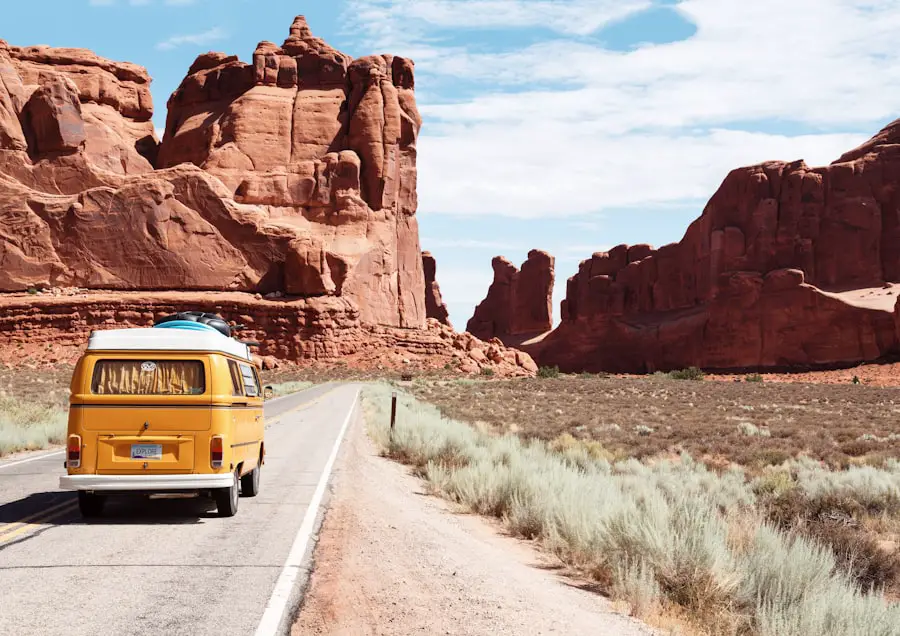
Fall is another strong season for a Nashville trip. September can still feel summery, with a normal high of 84.4°F, but October’s normal high falls to 73.5°F. Cooler evenings and changing leaves make October especially comfortable for parks, patios, and neighborhood exploring.
The Nashville Oktoberfest is one of the city’s major fall celebrations. The 2026 festival runs October 1-4 at Bicentennial Capitol Mall beside historic Germantown, with German food, beer, live entertainment, contests, arts and crafts, and a 5K through the Germantown area.
Fall also brings major arts events. The 2026 Nashville Film Festival runs September 24-30 at arts venues around the city, while the Fall Tennessee Craft Fair returns to Centennial Park October 9-11.
For nature, Radnor Lake State Natural Area is one of Nashville’s strongest choices. The protected natural area has hiking trails, wildlife-viewing opportunities, and seasonal scenery. The natural area is open from 6 a.m. until 20 minutes after sunset, although individual facility hours and trail rules differ.
Leaf color varies with temperature, rainfall, and other conditions, so no single weekend is guaranteed to be peak foliage. October is generally the better month to build a foliage-focused Nashville trip, while early November can still provide color in some years.
Winter in Nashville: Holiday Events and a Cozy Atmosphere
| Event or Attraction | 2026-27 Timing | Location |
| A Country Christmas | November 6, 2026-January 2, 2027 | Gaylord Opryland Resort |
| ICE! featuring Home Alone | November 6, 2026-January 2, 2027 | Gaylord Opryland Resort |
| Holiday LIGHTS | Seasonal; the 2026-27 schedule should be confirmed with Cheekwood before booking | Cheekwood Estate & Gardens |
| Seasonal ice skating and winter activities | Offered during Gaylord Opryland’s 2026-27 Christmas season; individual attraction schedules vary | Gaylord Opryland Resort |
Winter brings cooler weather and a different side of Nashville. January has the city’s coolest normal temperatures, with an average high of 49.1°F and low of 30.1°F. That makes indoor attractions such as museums, historic music venues, restaurants, and songwriter shows especially appealing.
The biggest seasonal attraction is A Country Christmas at Gaylord Opryland. For 2026-27, the celebration runs November 6 through January 2 and includes elaborate holiday décor, ICE! featuring Home Alone, ice skating, ice tubing, shows, and other ticketed activities.
Holiday LIGHTS at Cheekwood is another established Nashville tradition, filling the gardens with large-scale lighting displays and seasonal activities. Event dates change annually, so confirm the current schedule before building a trip around it.
Winter can also work well for travelers who prefer a quieter city experience. January and February dates outside special events can be calmer than major spring and summer weekends. However, hotel pricing in Nashville is highly event-dependent, so compare specific dates rather than assuming every winter weekend will be inexpensive.
Best Time for Outdoor Activities in Nashville
Spring and fall are usually the easiest seasons for outdoor activities because they avoid the most persistent summer heat. April, May, and October are particularly useful for travelers who plan to spend long periods walking, hiking, or cycling.
Percy and Edwin Warner Parks provide thousands of acres of green space southwest of downtown. In East Nashville, Shelby Bottoms Greenway and Natural Area includes more than five miles of paved ADA-accessible greenway plus more than five miles of primitive trails.
Radnor Lake State Natural Area is another excellent choice for hiking and wildlife viewing. Because it is a protected natural area, activities such as bicycling, jogging, and pets are restricted on most trails; check current park rules before visiting.
Summer outdoor activities are still possible, but early mornings are more comfortable than mid-afternoon. Winter hiking can be pleasant on mild days, although shorter daylight hours, cold snaps, rain, and occasional winter weather make conditions less predictable.
Products Worth Considering

Regularly updated, full-color maps
![Mammoth Lakes, Mono Divide Map [Inyo and Sierra National Forests] (National Geographic Trails Illustrated Map, 809)](https://m.media-amazon.com/images/I/51qN-h5vVyL._SL500_.jpg)

Best Time for Music Lovers to Visit Nashville

Nashville has live music every month, so there is no truly bad season for music lovers. The best month depends on whether you want huge festivals, intimate songwriter performances, or a normal weekend of club-hopping.
Spring is ideal for songwriter-focused experiences. Tin Pan South brings professional songwriters into listening rooms around Nashville, while seasonal outdoor series such as Musicians Corner add free performances as temperatures warm.
June is the standout month for travelers who want a major country-music festival. CMA Fest fills downtown with daytime stages, fan events, and large nighttime concerts. The atmosphere is exciting, but it also means heavier crowds and greater pressure on downtown accommodations.
Travelers who prefer smaller venues do not need to time their visit around a festival. The Grand Ole Opry, Ryman Auditorium, Bluebird Cafe, Station Inn, honky-tonks, neighborhood clubs, and songwriter rooms maintain active calendars through much of the year.
Products Worth Considering

64PCS Nashville Stickers Pack – A vibrant collection of Nashville-themed stickers featuring city landmarks, music culture graphics, retro travel styles, and Tennessee-inspired designs.

Classic Style & Comfort: This unisex cotton baseball cap features a unique funny saying that will bring smiles to all who see it.
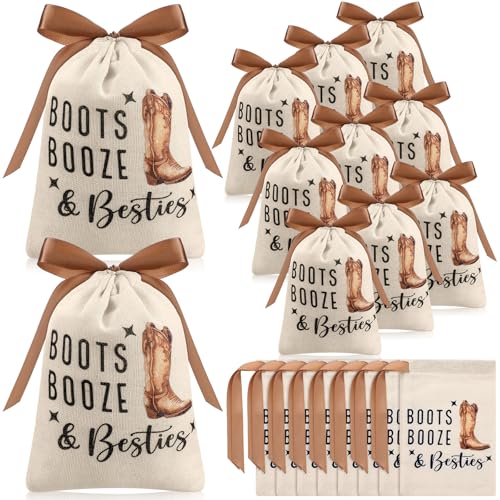
Hangover Kit Bags Set of 12: each nashville hangover kit bag features the iconic "Boots Booze and Besties" print with brown ribbon drawstring; Ideal hangover recovery kit for western bachelorette party, last rodeo bags, or country wedding favors; Fill with hangover kit supplies to prep your squad
Best Time for Food and Drink Enthusiasts in Nashville
Nashville’s restaurants operate year-round, so food alone does not require a particular season. Spring through fall does, however, add farmers’ markets, outdoor dining, food festivals, and neighborhood events.
The Nashville Farmers’ Market is open year-round, but its outdoor farm sheds have their longer seasonal schedule from March through October. This period is useful for travelers interested in local produce and regional products as well as the restaurants inside the Market House.
Summer has one particularly Nashville-specific event: the Music City Hot Chicken Festival, held annually on July 4 at East Park. Visitors can sample versions of the city’s signature dish while listening to local music.
Fall is excellent for patio dining because October temperatures are generally more comfortable than midsummer. Oktoberfest also adds German food and beer to the festival calendar.
Whatever season you choose, Nashville’s food scene extends far beyond hot chicken. Barbecue, meat-and-three restaurants, Southern bakeries, international restaurants, chef-driven dining, breweries, and distilleries can all be part of a year-round itinerary.
Best Time for Budget Travelers to Visit Nashville
Budget travelers should focus less on a single “cheap season” and more on Nashville’s event calendar. A normally affordable week can become expensive when a major festival, sporting event, convention, or holiday celebration increases demand.
January and February often provide quieter travel dates after the holidays, while late November and other off-event periods can also be worth checking. Summer heat may reduce demand on some dates, but CMA Fest and other large events can create the opposite effect.
Compare several nearby weekends before booking. Staying outside the immediate Lower Broadway area can also widen your accommodation choices, particularly if you are comfortable using rideshare services, buses, or a rental car.
Free activities help keep costs down. Centennial Park, many Metro Nashville parks and greenways, Shelby Bottoms, and several seasonal outdoor concerts cost nothing to enter. Free festival programming is also common during large events such as CMA Fest.
What to Pack for Nashville by Season
Spring: Pack light layers, comfortable walking shoes, and rain protection. Morning and evening temperatures can feel much cooler than the afternoon.
Summer: Bring breathable clothing, sunscreen, a refillable water bottle, and comfortable shoes. A light layer is useful because indoor venues can be heavily air-conditioned.
Fall: Pack layers. September can still feel like summer, while October evenings are considerably cooler.
Winter: Bring a warm jacket and layers, particularly for nighttime holiday attractions. Check the forecast shortly before departure because winter conditions vary considerably.
For travelers who prefer wheeled luggage, this guide to softside carry-on luggage with wheels can also help with packing for a Nashville trip.
Products Worth Considering

LIGHTWEIGHT: A half pound lighter than Maxlite 4, this rollaboard meets most international carry-on size limits. Case Dimensions: 21" x 14" x 9" | Overall Dimensions (includes wheels and handles): 23" x 14.5" x 9 | Weight: 5.4 lbs | Volume: 52 L.

AIRLINE APPROVED DIMENSIONS:Measuring 22 x 9 x 14 inches(Includes wheels), weighing 7.6 pounds, this airline approved carry on luggage meets the cabin size restrictions of most airlines. Ideal for your business trip and stress-free travel.

COMPACT & LIGHTWEIGHT: Wheeled underseat carry-on is designed for organization, mobility and convenience. Case Dimensions: 15.25" x 13" x 8" | Overall Dimensions (includes wheels and handles): 17.5" x 14.5" x 8.5" | Weight: 5.5 lbs | Volume: 26 L.
Frequently Asked Questions
What is the best time to travel to Nashville?
April through May and late September through October are the best periods for most visitors. These months generally combine comfortable sightseeing weather with a strong calendar of music, arts, food, and outdoor events.
What is the weather like during Nashville’s best travel months?
National Weather Service normals put April at about 72.6°F for the average high and 48.9°F for the low, May at 80.4°F/58.3°F, September at 84.4°F/61.8°F, and October at 73.5°F/49.9°F. Rain is possible in every season.
Are there festivals in Nashville during spring and fall?
Yes. Spring events include Tin Pan South and the Nashville Cherry Blossom Festival. Fall can include the Nashville Film Festival, Nashville Oktoberfest, Musicians Corner, and the Tennessee Craft Fair. Exact dates change each year.
What attractions are good to visit in Nashville?
Popular year-round attractions include the Grand Ole Opry, Ryman Auditorium, Country Music Hall of Fame and Museum, National Museum of African American Music, and the Parthenon in Centennial Park. Parks such as Radnor Lake and Shelby Bottoms are particularly appealing in mild weather.
Is Nashville crowded during the best months?
It can be. Pleasant spring and fall weekends attract visitors, while major events can produce much larger spikes. CMA Fest is especially busy; CMA estimated roughly 100,000 daily attendees during the 2026 festival. Check Nashville’s event calendar before choosing exact dates.
What is the cheapest time to visit Nashville?
January and February can offer quieter periods after the holidays, and other off-event dates may also provide better value. Prices vary sharply around concerts, festivals, conventions, sporting events, and holidays, so compare several nearby dates rather than relying on one season.
When should music fans visit Nashville?
Visit in spring for songwriter showcases and outdoor concerts, or in June for CMA Fest and a major country-music festival atmosphere. Travelers who prefer smaller venues can visit almost any month because Nashville maintains a busy year-round live-music calendar.
Sources
- National Weather Service Nashville Climate Records — official monthly temperature and precipitation normals.
- Visit Music City — seasonal Nashville event and travel information.
- CMA Fest — official festival dates, programming, and attendance information.
- Tin Pan South Songwriters Festival — official songwriter-festival information.
- Nashville Cherry Blossom Festival — official festival dates, venue, and cultural programming.
- Gaylord Opryland A Country Christmas — official 2026-27 holiday dates and attractions.
