
Last Updated on July 31, 2026 by Daniel Globe
The best time to visit Croatia depends on whether you want warm Adriatic beaches, uncrowded historic cities, outdoor adventures, food festivals, or the lowest possible prices. For many travelers, late spring and early fall provide the best balance of pleasant weather, open attractions, manageable crowds, and good access to coastal destinations.
Quick Answer
The best overall time to visit Croatia is from May through June or September through early October. These months usually bring comfortable sightseeing weather, fewer visitors than July and August, and good access to beaches and islands. Choose midsummer for the hottest weather and winter for Zagreb’s holiday atmosphere.
Key Takeaways
- May, June, September, and early October offer the best overall balance of weather, crowds, and availability.
- July and August are best for hot beach weather, nightlife, sailing, and the widest selection of island services, but they are also the busiest months.
- Spring and fall are excellent for hiking, cultural sightseeing, cycling, wine tasting, and food festivals.
- Winter is most appealing for Zagreb, museums, holiday events, and quiet city breaks rather than a traditional coastal vacation.
- Weather varies by region. The Adriatic coast is generally milder than Zagreb, inland Croatia, and the mountain regions.
Disclosure: As an Amazon Associate I earn from qualifying purchases. Some links on this page are affiliate links, at no extra cost to you.
When Is the Best Time to Visit Croatia?
For a first trip combining historic cities, national parks, islands, and the coast, plan for late May to June or September to early October. Most seasonal businesses and excursions are operating, but visitor numbers are generally lower than during the height of summer.
July and August remain the peak months. Eurostat reported that 54.5% of Croatia’s tourist-accommodation nights in 2025 occurred during July and August. That concentration helps explain the busy streets, higher demand, crowded beaches, and limited last-minute availability in famous destinations.
Croatia at a Glance
| Travel Priority | Best Time |
| Best overall conditions | May–June and September–early October |
| Beaches and swimming | Late June–September |
| Sailing and island hopping | June and September for balance; July–August for maximum services |
| Hiking and cycling | April–June and September–October |
| Nightlife and summer festivals | July–August |
| Wine and truffle events | September–November |
| Quiet cities and holiday markets | Late November–December |
| Potentially lower prices | April, May, October, and winter outside holiday dates |
Pro Tip: For a beach-focused trip without the most intense midsummer demand, consider the first three weeks of June or the first three weeks of September. The coast is active, day trips are widely available, and popular old towns are usually easier to explore.
Croatia Weather and Crowds by Season
Croatia does not have one uniform climate. Dubrovnik, Split, and the islands have a Mediterranean influence, while Zagreb and much of inland Croatia experience colder winters and greater seasonal temperature swings. Mountain conditions can differ sharply from both the coast and the cities.
Long-term records from the Croatian Meteorological and Hydrological Service show why travelers should compare regions rather than rely on one national temperature range. Dubrovnik’s monthly mean is about 25.3°C in July and 25.4°C in August, Split’s is about 26.2°C in July, and Zagreb’s is about 22°C in July. These figures are monthly means rather than expected afternoon highs.
Croatia’s ideal travel season depends as much on location and activity as it does on the calendar: coastal swimming, inland sightseeing, mountain hiking, and winter city breaks each have a different sweet spot.
Summer: Peak Season for Beaches and Nightlife
Summer is the peak tourist season in Croatia, particularly along the Adriatic coast and in popular cities. Long daylight hours, hot weather, outdoor dining, nightlife, festivals, and an extensive selection of boat trips draw large numbers of visitors.
In Dubrovnik, the UNESCO-listed Old City, its medieval architecture, and its city walls become major visitor magnets. Streets and squares fill with walking tours, restaurant guests, performers, and travelers enjoying views of the Adriatic Sea.
The Dalmatian coast is another major summer draw. Popular locations such as Banje Beach near Dubrovnik and Zlatni Rat on Brač attract travelers for swimming, sunbathing, kayaking, jet skiing, parasailing, and other water activities.
Summer also brings the greatest competition for accommodation, restaurant reservations, ferries, excursions, and timed attractions. Travelers visiting Dubrovnik, Split, Hvar, or other famous coastal destinations should reserve important parts of the trip well in advance.
Warning: July and August can bring strong sun, high afternoon temperatures, crowded pedestrian areas, and limited shade on historic walls and exposed boat decks. Schedule strenuous sightseeing early, carry water, use sun protection, and follow local weather or heat warnings.
Spring: Mild Weather and Blooming Landscapes
Spring brings longer days, green landscapes, and generally comfortable conditions for city sightseeing. It is a particularly good period for travelers who want outdoor activities without the heat and crowds associated with midsummer.
In Split, the Historical Complex of Split with the Palace of Diocletian can be explored at a more relaxed pace than during peak season. Visitors can walk through ancient passages, browse markets in the surrounding squares, and dine outdoors when conditions are suitable.
Nearby Marjan Hill offers walking and cycling routes through pine-covered areas with views of Split and the coastline. Spring temperatures are often comfortable for these activities, although rain and cool evenings remain possible.
Spring food and cultural events also begin appearing on local calendars. Seasonal produce such as asparagus and strawberries features in markets and restaurant dishes, giving visitors another way to experience regional food traditions.
Fall: Wine Tasting, Truffles, and Harvest Events

As summer fades into fall, cooler temperatures and changing landscapes create good conditions for food trips, hiking, cycling, and cultural sightseeing. Coastal destinations remain active in September, while inland and northern regions begin their harvest season.
In Istria and Slavonia, vineyards become busy as producers prepare for the grape harvest. Visitors can book tastings and winery tours featuring regional wines, including Istrian Malvasia and Teran, while sampling local olive oil, pasta, cheeses, and truffle dishes.
October is a key period for Istrian white truffles, but the season is not limited to one month. The Istria Tourist Board’s 2026 Truffle Days calendar includes events from September through November, with fairs, tastings, demonstrations, and regional food celebrations in places such as Motovun, Livade, and Buzet.
September can still feel summery along the Adriatic, and many travelers continue swimming. By October, conditions become less predictable, with a greater chance of rain, cooler evenings, and rougher sea conditions.
Winter: Quiet Cities and a Festive Zagreb
| Winter Aspect | What to Expect |
| Coastal temperatures | Generally milder than inland Croatia, but rain, wind, and cool evenings are common. |
| Inland scenery | Frost and occasional snow are possible in Zagreb; mountain areas are colder and more likely to receive snow. |
| Activities | Museums, galleries, cafés, holiday markets, city breaks, and weather-dependent skiing or ice skating. |
| Atmosphere | Quiet on much of the coast and festive in Zagreb during Advent. |
| Limitations | Some seasonal hotels, restaurants, tours, and island services may close or operate less often. |
Winter gives Croatia a quieter atmosphere than summer. Coastal cities remain attractive for architecture, food, and history, but travelers should not expect beach weather or every seasonal business to be open.
Zagreb becomes one of the country’s main winter destinations. During Advent, streets and squares feature decorative lighting, food stalls, concerts, crafts, and seasonal entertainment. The confirmed Advent Zagreb dates for the 2026–2027 season are November 28, 2026, through January 7, 2027.
Food stalls may serve Croatian pastries and winter dishes alongside foods found elsewhere in Central Europe, including fried lángos and chimney cake. These are separate foods: lángos is fried flatbread, while chimney cake is a sweet pastry baked around a cylinder.
Snow is possible in Zagreb and more common in higher mountain areas, but it should not be assumed across the country. Skiing, snowboarding, and outdoor ice skating depend on current weather, operating schedules, and snow or ice conditions.
Winter is also useful for cultural exploration. Museums and galleries are generally less crowded than during summer, allowing visitors to spend more time with Zagreb’s art, architecture, and history.
Note: A winter trip to Croatia works best as a city, food, and cultural vacation. Confirm opening hours before visiting coastal islands, seasonal resorts, parks, restaurants, or attractions.
Why the Shoulder Seasons Offer the Best Balance
The shoulder seasons of spring and fall offer a useful middle ground for travelers seeking favorable conditions without the full intensity of peak summer. Dubrovnik, Split, national parks, and other popular destinations are still active, but their streets and attractions are often more manageable than in July and August.
Late spring is well suited to sightseeing, walking, cycling, and hiking. Early fall adds warmer sea conditions, harvest activities, wine events, and a more relaxed coastal atmosphere after the summer rush.
Accommodation and activity prices may also be lower than peak-season rates, although savings are not guaranteed. Rates can rise during public holidays, large events, weekends, cruise-heavy dates, or periods of unusually strong demand.
Traveling outside midsummer can also make it easier to reserve restaurants and visit historic attractions. However, travelers should check seasonal schedules because some beach clubs, boat tours, restaurants, and smaller hotels reduce their hours as the main season ends.
Month-by-Month Guide to Visiting Croatia
January and February
These are quiet months on the coast and cold months inland. Zagreb is suitable for museums, cafés, and a low-key city break. Coastal accommodations can be inexpensive, but many seasonal services are closed.
March
March begins the transition into spring. Weather is changeable, and swimming is generally not the main attraction, but city sightseeing becomes more comfortable. Pack waterproof layers and prepare for cool evenings.
April
April is a good choice for walking, cycling, national parks, and historic cities. Landscapes are green, crowds remain moderate, and prices may be lower than in summer. Rain is still possible, and some island services may not yet be operating at full frequency.
May
May is one of the best months for a broad Croatia itinerary. Temperatures are usually comfortable for Dubrovnik, Split, Istria, Zagreb, and the national parks. Coastal activity increases, although the sea may still feel cool to some swimmers.
June
June combines summer energy with fewer crowds than the height of July and August. Beach weather becomes more reliable, sailing conditions are attractive, and most seasonal businesses and excursions are operating.
July and August
These are the hottest, busiest, and most active months. Choose them for beaches, nightlife, festivals, sailing, and the widest selection of coastal services. Reserve accommodation, popular ferries, and major attractions early.
September
September is another top choice. The sea often remains warm enough for swimming, the busiest summer period has passed, and wineries begin moving into harvest season. Storms and unsettled days become more possible as the month progresses.
October
October favors Istrian food trips, truffle events, wine tasting, hiking, and cultural travel. Coastal swimming may still be possible during warm periods, but it should not be the only reason for the trip.
November
November is quieter and wetter in many areas. It can suit travelers interested in food, museums, uncrowded cities, and late-autumn truffle events. Coastal resort choices become more limited.
December
December is best known for Advent events in Zagreb and other cities. Expect short days and cool weather, with colder conditions inland and milder but often damp or windy conditions along the coast.
Festivals and Events Throughout the Year

Arts Festivals and Historic Venues
Events such as the Dubrovnik Summer Festival showcase Croatia’s artistic heritage through theater, classical music, dance, opera, and contemporary performances. Historic squares, palaces, forts, and other outdoor venues become part of the experience.
The 2026 Dubrovnik Summer Festival is scheduled for July 10 through August 25. Because schedules and venues vary by year, travelers should check the official program before arranging accommodation around a specific performance.
Culinary Events and Local Flavors
Culinary events provide another reason to plan a trip around the calendar. Istria’s autumn truffle events feature tastings, fairs, demonstrations, wine, local olive oil, and dishes prepared with fresh truffles.
For 2026, the Istria Tourist Board lists truffle-related events from September through November. October includes the Teran and Truffle Festival in Motovun and Zigante Truffle Days in Livade, while the broader calendar continues into November.
Community Celebrations
Local festivals are not only tourist attractions. They bring residents, producers, performers, chefs, craftspeople, and visitors together around regional traditions. Smaller events can provide a more personal experience than major summer festivals, particularly in rural Istria, Slavonia, and island communities.
Event dates can change because of weather, permits, programming decisions, or local conditions. Always confirm the date and venue with the organizer shortly before traveling.
Best Times for Hiking, Sailing, and Swimming
Products Worth Considering

NIMBLE HIKER: The perfect combination of high function and performance, this all-purpose hiker will deliver years of comfortable service

STAY COMFORTABLE WHEN THE TRAIL TURNS WET: Waterproof breathable construction helps keep water out while allowing excess heat and moisture to escape, so your feet stay drier and more comfortable in changing conditions.
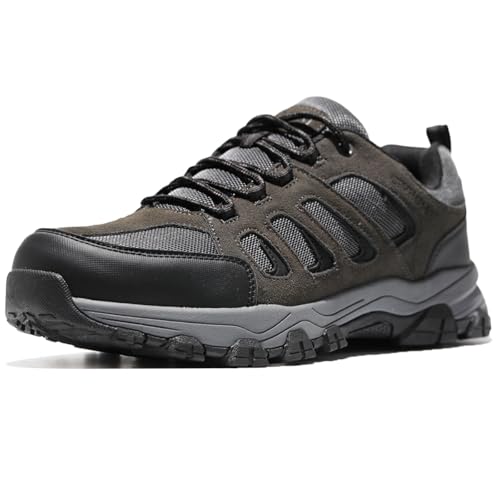
1. These outdoor walking shoes feature a breathable mesh design that keeps your feet cool and comfortable during long walks. Their sturdy construction also makes them reliable for daily strolls.
Hiking and Cycling
Spring and fall are usually the most comfortable seasons for hiking and cycling. Trails in areas such as Paklenica and around Krka become more appealing when the weather is mild and midday heat is less intense.
Paklenica contains an extensive trail network, with routes ranging from easier visitor paths to demanding mountain hikes. Conditions can change quickly, so hikers should carry water, check the forecast, wear suitable footwear, and allow enough daylight for the return journey.
Summer hiking is possible, but exposed routes can become extremely hot. Start early, avoid the strongest afternoon sun, and do not underestimate water needs.
Sailing and Island Hopping
Summer provides the widest choice of sailing tours, charters, and island connections. Warm weather and long daylight hours make July and August highly popular for routes involving Hvar, Vis, Brač, Korčula, and the surrounding coves.
June and September often provide a better balance for travelers who want active coastal services without the highest demand. Wind and sea conditions still require attention in every season, and departures can be delayed or canceled during unsafe weather.
Swimming and Snorkeling
July and August provide the most dependable hot beach weather. June is also popular, although the sea can feel cooler early in the month. September often remains suitable for swimming and snorkeling, especially in southern and central Dalmatia.
Swimming in early October is possible during warm periods, but conditions are less predictable. Travelers should expect a greater chance of cooler water, rain, wind, and rough seas.
Regional Guide: Dubrovnik, Split, Zagreb, Istria, and the Islands
Products Worth Considering


31 PIECES OF DIE-CUT TRAVEL STICKERS - Embark on a journey through Croatia's breathtaking landscapes and cultural wonders with our 31-piece sticker set. Featuring iconic landmarks, cultural symbols and delectable cuisine, these stickers are perfect for preserving the memories of your Croatian escapades.
Dubrovnik
Dubrovnik has hot, busy summers and mild winters. Visit in May, June, September, or early October for a better balance of sightseeing weather and crowd levels. July and August offer the strongest festival atmosphere but also bring the greatest demand.
Split and Central Dalmatia
Split shares the coast’s Mediterranean influence and works well as a base for beaches, historic sites, and island connections. Spring and early fall are excellent for walking through Diocletian’s Palace, visiting Marjan Hill, and taking regional day trips.
Zagreb
Zagreb has a continental climate with colder winters and larger seasonal temperature changes than the coast. Spring and fall suit parks, cafés, museums, and walking tours. December is a major travel period because of Advent, while summer can be warm but is generally less dominated by beach tourism.
Istria
Istria is particularly rewarding in late spring and fall. Travelers can combine coastal towns such as Rovinj and Poreč with hill towns, vineyards, olive-oil producers, cycling routes, and autumn truffle events.
Croatian Islands
The islands are most active from June through September. July and August provide the broadest choice of restaurants, nightlife, excursions, and transport, while June and September usually offer a calmer experience. Outside the main season, confirm ferry schedules and whether the accommodations and businesses you want are open.
Planning Tips for Choosing Your Dates
- Book midsummer early: Reserve sought-after hotels, apartments, tours, and restaurants well before a July or August trip.
- Compare regions: Do not use Dubrovnik’s climate as a guide for Zagreb or mountain areas.
- Check current schedules: Ferry frequencies, park hours, seasonal hotels, beach clubs, and excursions may change outside summer.
- Pack layers in spring and fall: Mild afternoons can be followed by cool evenings, rain, or wind.
- Prepare for heat in summer: Bring sun protection, water, breathable clothing, and comfortable walking shoes.
- Confirm annual events: Festival dates and programs can change even after preliminary calendars are published.
- Keep plans flexible: Wind, storms, heat, or rough seas can affect ferries, boat trips, swimming, and outdoor events.
If you are planning a spring outdoor trip, you may also be interested in these five tent camping ideas for spring.
Frequently Asked Questions
What is the best time to visit Croatia?
For most travelers, the best time to visit Croatia is May through June or September through early October. These periods usually offer comfortable sightseeing weather, active coastal services, and fewer visitors than July and August.
When is Croatia’s peak tourist season?
July and August are Croatia’s peak tourist months. They offer hot weather, busy nightlife, festivals, extensive island services, and strong beach conditions, but they also bring the largest crowds and greatest competition for accommodation.
What is Croatia’s weather like in spring and fall?
Spring and fall are generally milder than midsummer, but conditions vary by month and region. The coast is usually warmer than Zagreb and mountain areas. Rain and cool evenings are possible, and autumn can be wetter than summer along parts of the Adriatic.
When is the best time for beaches and swimming?
Late June through September is the most dependable period for a Croatian beach trip. July and August are hottest, while September often provides warm water with fewer peak-season visitors.
When is the best time for island hopping?
June through September is best for island hopping because ferry routes, excursions, accommodations, and restaurants are most active. June and September usually offer a calmer balance, while July and August provide the widest selection but the highest demand.
Is Croatia cheaper outside summer?
Accommodation and activities can cost less in spring, late fall, and winter, but lower prices are not guaranteed. Major festivals, holidays, weekends, and popular events can still increase demand and rates.
Is Croatia worth visiting in winter?
Yes, especially for Zagreb’s Advent events, museums, cafés, food, and uncrowded cultural attractions. Winter is less suitable for a traditional island or beach vacation because some coastal businesses and services operate on reduced schedules.
Which festivals should travelers consider?
Major options include the Dubrovnik Summer Festival in July and August, Istrian truffle events from September through November, and Advent Zagreb from late November into early January. Check official calendars because dates and programs change annually.
Sources
- Eurostat: Summer Peak in European Tourism — supports Croatia’s strong July and August tourism concentration.
- Croatian Meteorological and Hydrological Service — supports regional climate differences and long-term weather context. Station data: Dubrovnik, Split-Marjan, and Zagreb-Grič.
- UNESCO: Old City of Dubrovnik and UNESCO: Historical Complex of Split with the Palace of Diocletian — support the World Heritage descriptions.
- Visit Dubrovnik: Dubrovnik Summer Festival — confirms the 2026 festival dates and program type.
- Advent Zagreb — confirms the 2026–2027 Advent season dates.
- Istria Tourist Board: Truffle Days in Istria — supports the autumn truffle season and 2026 event calendar.
