
Last Updated on July 28, 2026 by Daniel Globe
Mykonos is famous for whitewashed lanes, beaches, nightlife, and nearby Delos, but the experience changes sharply by season. July and August bring the fullest party scene—and the biggest crowds and prices—while late spring and early fall are easier for sightseeing, beach time, and a slower pace. The right month depends on what you want from the island.
Quick Answer
The best time to visit Mykonos for most travelers is May to early June or September to early October. These shoulder months usually bring warm weather, fewer crowds, and better-value rooms than July and August. Choose July–August for peak nightlife, or November–March only if you prefer a very quiet, limited-service island experience.
Key Takeaways
- Best overall balance: May to early June and September to early October.
- Best for nightlife: July and August, when beach clubs and late-night venues are at their busiest.
- Best for sightseeing and Delos: late spring or early fall, when walking is more comfortable than in peak heat.
- Best for lower prices and fewer crowds: shoulder season; winter is quieter still but has fewer tourist services.
- Wind matters: the Meltemi can cool summer days but can also be strong enough to affect boat trips and water conditions.
Disclosure: As an Amazon Associate I earn from qualifying purchases. Some links on this page are affiliate links, at no extra cost to you.
Best Time to Visit Mykonos by Travel Style
There is no single perfect month for every traveler. Use your main goal to choose the window that fits you best.
| Your priority | Best time and why |
| Beaches and swimming | June through September. July and August are hottest and busiest; September often gives you warm sea conditions with fewer people. |
| Nightlife and beach clubs | Late June through August for the broadest choice of parties, events, and late-night venues. |
| Fewer crowds and better value | May to early June or late September to October. More businesses are open than in winter, but demand is lower than at the summer peak. |
| Walking, sightseeing, and Delos | May, early June, September, and October for milder conditions and less midday heat. |
| A very quiet island stay | November through March, provided you are comfortable with cooler, wetter weather and reduced tourist services. |
For most first-time visitors, the sweet spot is late May to early June or September: you keep much of the warm-weather Mykonos experience without the intensity of the July–August peak.
Weather and Climate in Mykonos
Mykonos has a dry, sunny Mediterranean-style summer and a cooler, wetter winter. The island is also famously windy. For climate planning, check the Hellenic National Meteorological Service climate data and a short-range forecast close to departure, since heat, strong winds, and occasional storms can change day-to-day plans.
Summer in Mykonos
June through September is the main beach season. July and August are usually the hottest months, and hot spells can push temperatures well into the 90s°F (30s°C). The northerly Meltemi often makes the heat feel more manageable, but it is not always a gentle breeze. At times it can be strong and gusty.
That wind is one reason Mykonos is popular with windsurfers and other water-sports fans. It can also make exposed beaches feel cooler and can disrupt small-boat trips when conditions are rough.
Spring in Mykonos
April starts quieter, with more businesses reopening as the season builds. May is one of the best months for walking, sightseeing, and exploring inland areas because days are generally warm without peak-summer heat. The sea may still feel cool to some swimmers early in the season.
Autumn in Mykonos
September is a strong all-around choice. The island still feels summery, the sea has had months to warm, and crowds usually begin to ease after the August peak. October can be pleasant for sightseeing and relaxed meals, but beach clubs, seasonal restaurants, and transport services may start reducing hours as the month progresses.
Winter in Mykonos
From November through March, Mykonos is cooler, wetter, and much quieter. This is not the best period for a classic beach holiday, but it can suit travelers who want empty lanes, local life, and a slower pace. Expect fewer tourist-oriented businesses, fewer excursion options, and more weather-related disruption than in summer.
Exploring Mykonos in the Off-Season
The off-season shows a side of Mykonos that peak-summer visitors rarely see. Cooler weather makes long walks easier, and the island can turn greener after seasonal rain. Some local restaurants and services remain open for residents, but you should not assume that every hotel, beach venue, tour, or ferry connection operates year-round.
Mykonos Month-by-Month: What to Expect
April and May: Quiet to Comfortable
April is transitional. May is more dependable for travelers who want sightseeing, uncrowded lanes, and a growing choice of open restaurants and hotels. Late May is especially attractive if you want beach weather without peak-season pressure.
June: Summer Energy Without the August Peak
June brings warmer beach weather and a much livelier social scene. By late June, nightlife and beach clubs are moving toward full summer rhythm. It is a good compromise for travelers who want energy but would rather avoid the heaviest July and August crowds.
July and August: Peak Mykonos
These are the months for the fullest nightlife calendar, busy beaches, and the widest range of seasonal services. They are also the months when accommodation demand, restaurant reservations, traffic, and crowds are most intense. Book the places that matter to you well ahead of arrival.
September and October: The Second Sweet Spot
September keeps much of summer’s warmth while easing some of the pressure. Early October can still work well for a relaxed trip, though seasonal businesses begin closing or shortening hours. Travelers focused on sightseeing, food, and a calmer atmosphere often prefer this period.
November through March: Low Season
Winter is for solitude rather than a resort-style holiday. Mykonos Town still has resident life, but many visitor-focused services scale back. Weather can be windy or wet, and island-hopping schedules are less convenient.
Peak, Shoulder, and Low Seasons in Mykonos
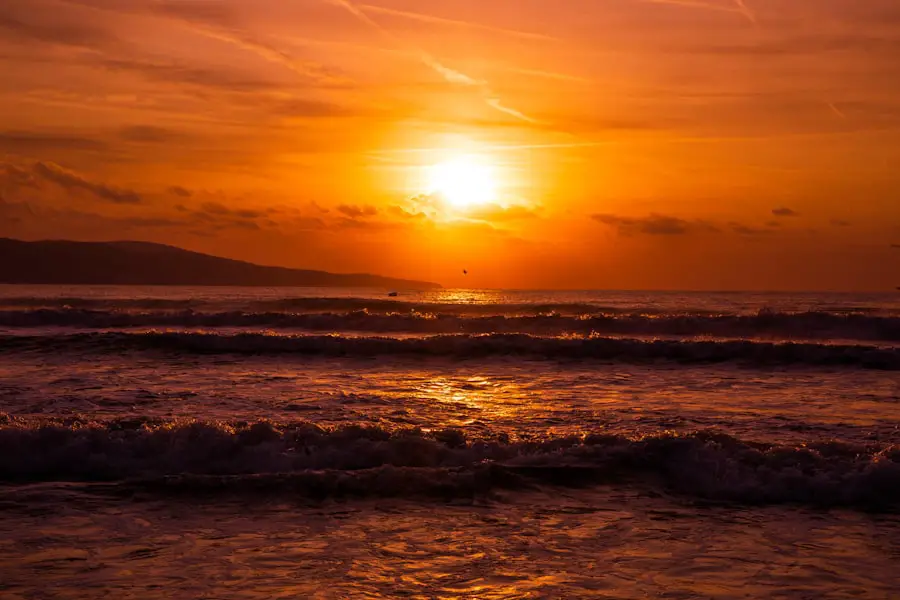
Peak season: July and August are the core high-season months. Mykonos is at its busiest, nightlife is in full swing, and rooms, tables, taxis, and popular beach venues can be harder to secure.
Shoulder season: May through June and September through October offer a better balance for many visitors. These periods are easier for lower prices and smaller crowds than the summer peak while still offering a broad range of visitor services.
Low season: November through April is quieter and can be cheaper, but “cheap” comes with a trade-off: fewer seasonal businesses, less frequent transport, and weather that is less reliable for beach plans.
Pro Tip: For a first trip, target the last two weeks of May, the first half of June, or September. You are more likely to find a broad range of hotels, restaurants, and activities open without facing the full August squeeze.
Mykonos Festivals and Events
Event calendars change from year to year, so it is better to plan around verified recurring traditions and then check exact dates shortly before booking.
| Event | Typical timing | What to know |
| Feast of Panagia Tourliani | August 23 | The Municipality of Mykonos identifies Panagia Tourliani in Ano Mera as the island’s protector and says the monastery celebrates on August 23. |
| Mykonos Biennale | Odd-numbered years; dates vary | The official organizer lists editions in odd-numbered years, with art, film, performance, and installations at venues around the island. |
| Municipal cultural events | Mainly summer into early autumn | Concerts, theater, exhibitions, and local cultural programs vary each year. Check the Municipality of Mykonos calendar close to your trip rather than relying on an old event list. |
Note: The Mykonos Biennale is real, but it is not an annual summer event. The official site lists the latest edition in 2025 and describes the event as taking place in odd-numbered years. Do not assume there is a 2026 edition unless the organizer publishes one.
Best Time for Outdoor Activities
Beaches, Swimming, and Sailing
June through September is the most dependable period for a beach-focused trip. July and August bring the hottest weather and busiest sands, while September is often the better compromise for warm water and lighter crowds. Sailing is popular in summer, but strong winds can affect routes and comfort.
Windsurfing and Kitesurfing
Mykonos is known as the “island of the winds,” and Visit Greece specifically highlights Kalafatis as a favorite area for water sports. Summer Meltemi conditions can be excellent for experienced wind-sports users, but beginners should choose a reputable operator and match the day’s conditions to their skill level.
Walking and Sightseeing
For long walks through Mykonos Town, Ano Mera, coastal paths, and archaeological areas, May, early June, September, and October are more comfortable than the hottest part of summer. Start early even in shoulder season, carry water, and use sun protection on exposed routes.
Visiting Delos
Nearby Delos is a UNESCO World Heritage site and one of the strongest reasons to add cultural sightseeing to a Mykonos trip. For most visitors, late spring, early summer, or early fall gives a better balance of comfortable walking weather and seasonal boat service.
Note: As of July 2026, the Ephorate of Antiquities of Cyclades lists the Delos archaeological site and museum at 08:00–20:00 with a €20 full ticket. Seasonal hours can change, so verify them for your travel date.
Warning: Delos is reached by boat, and strong wind or rough weather can disrupt crossings. Do not build a same-day flight or ferry connection around a Delos excursion without extra time in your schedule.
Budget-Friendly Travel Tips
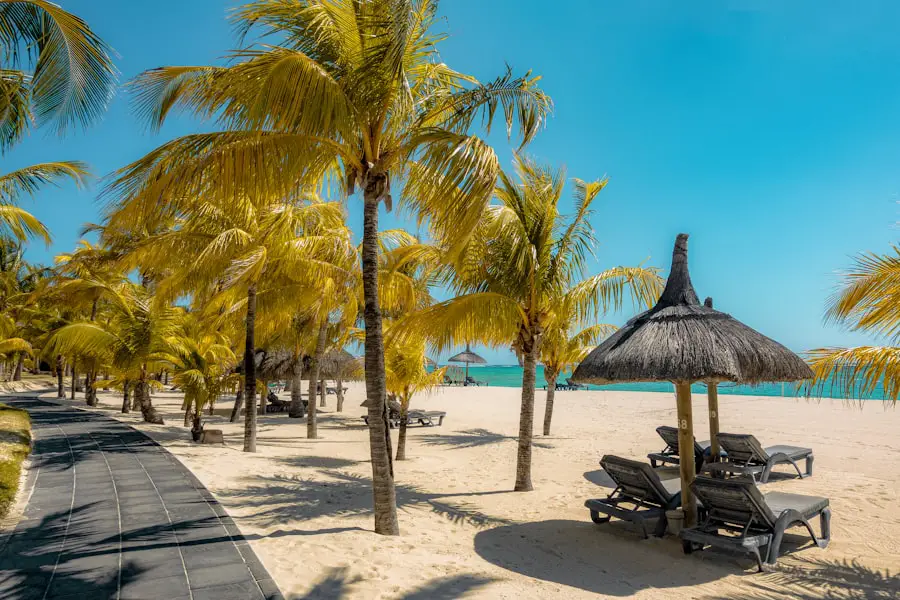
Mykonos is one of Greece’s more expensive island destinations, but timing and transport choices can make a meaningful difference.
- Travel in shoulder season. May, early June, late September, and October usually give you more room to compare hotel rates than July and August.
- Compare locations, not just star ratings. Staying outside the most in-demand parts of Mykonos Town can sometimes reduce the nightly rate, but check how you will get back after dinner or nightlife.
- Use the bus network when it fits your route. The official Mykonos Bus timetable lists seasonal routes between Mykonos Town, the airport, Ano Mera, ports, and several beaches. Schedules change during the season, so check the current timetable rather than an old screenshot.
- Mix tavernas, bakeries, and casual meals with splurges. You do not need every meal to be at a waterfront or beach-club venue.
- Price day trips as a whole. Staying on Tinos or Naxos can be a great island-hopping choice, but it is not automatically cheaper once ferry fares, schedules, luggage, and travel time are included.
Pro Tip: If nightlife is not your priority, you can save money and time by staying near a bus-served beach or in a quieter area and visiting Mykonos Town when you want it, rather than paying a premium to be in the center every night.
Tips for Avoiding Crowds
Mykonos is easiest to enjoy when you shift your schedule away from the busiest hours instead of trying to avoid every popular place.
- Walk Mykonos Town early. The lanes around Little Venice and the windmills are far calmer in the morning than around sunset and dinner.
- Take an early Delos departure. You cannot normally visit Delos “at dawn,” so choose the first practical boat of the day and confirm the archaeological site’s current hours.
- Look beyond the famous party beaches. Agios Sostis and Fokos can feel quieter than Paradise or Super Paradise, though transport and services are more limited.
- Reserve selectively in July and August. Book any restaurant, beach club, or experience that is central to your trip, then leave the rest of the day flexible.
- Use September strategically. It often preserves much of the summer atmosphere while reducing the pressure found in the height of August.
What to Pack by Season
In summer, pack breathable clothing, swimwear, a sun hat, sunscreen, comfortable walking shoes, and a light layer for windy evenings or boat rides. In spring and fall, add long pants or traveler-friendly trousers and a light jacket. Winter calls for warmer layers and a wind- and rain-resistant outer layer.
Conclusion and Final Recommendations
For most travelers, May to early June and September to early October are the best times to visit Mykonos. You get warm-weather appeal, easier sightseeing, and fewer peak-season crowds while still having access to a broad range of restaurants, hotels, beaches, and activities.
Choose July and August when nightlife and maximum summer energy matter more than cost or crowd levels. Choose winter only when quiet local life is the goal and you are comfortable with reduced services. Whatever month you pick, check the wind forecast, seasonal transport, and current Delos hours before locking in day-by-day plans.
Frequently Asked Questions
What is the best time to travel to Mykonos?
For most travelers, May to early June and September to early October offer the best balance of warm weather, open businesses, smaller crowds, and better value than July and August.
What is the weather like in Mykonos during the best time to travel?
Late spring and early fall are generally warm and sunny enough for outdoor sightseeing, with less extreme heat than the peak of summer. September is usually better for swimming than May because the sea has warmed through summer.
When is the peak tourist season in Mykonos?
July and August are the core peak-season months. Expect the largest crowds, strongest demand for hotels and restaurants, busy beaches, and the fullest nightlife calendar.
What are the advantages of traveling to Mykonos during the shoulder seasons?
Shoulder season usually means fewer visitors, more comfortable walking weather, and more room to compare accommodation prices. You also avoid some of the reservation pressure that comes with July and August.
Is May or September better for Mykonos?
Choose May for spring scenery, quieter sightseeing, and lower early-season demand. Choose September if swimming, beach time, and a more fully active summer atmosphere matter more. September’s sea is usually warmer after the summer heat.
Is October too late to visit Mykonos?
Not necessarily. Early October can be excellent for a quieter sightseeing and food-focused trip. The trade-off is that some beach clubs, seasonal hotels, restaurants, and excursions begin reducing hours or closing as the month goes on.
When is Mykonos best for nightlife?
Late June through August is the safest window for travelers who want the broadest choice of beach parties, clubs, and late-night venues. July and August are the busiest.
Are there events or festivals to consider when planning a trip to Mykonos?
Yes. The Feast of Panagia Tourliani is celebrated on August 23, while the Mykonos Biennale is held in odd-numbered years with dates that vary. Municipal concerts, performances, and exhibitions also change each season, so verify the current calendar before booking around an event.
Sources
- Visit Greece — Mykonos — official destination overview, water sports, Delos, and seasonal travel context.
- Hellenic National Meteorological Service — Climate Data — official climate reference for Greece.
- UNESCO World Heritage Centre — Delos — World Heritage status and historical significance.
- Ephorate of Antiquities of Cyclades — Delos site hours and ticket information.
- Municipality of Mykonos — Ano Mera and Panagia Tourliani — island patron tradition and August 23 feast day.
- Mykonos Biennale — Official Site — event frequency, past editions, and program information.

