Last Updated on July 27, 2026 by Daniel Globe
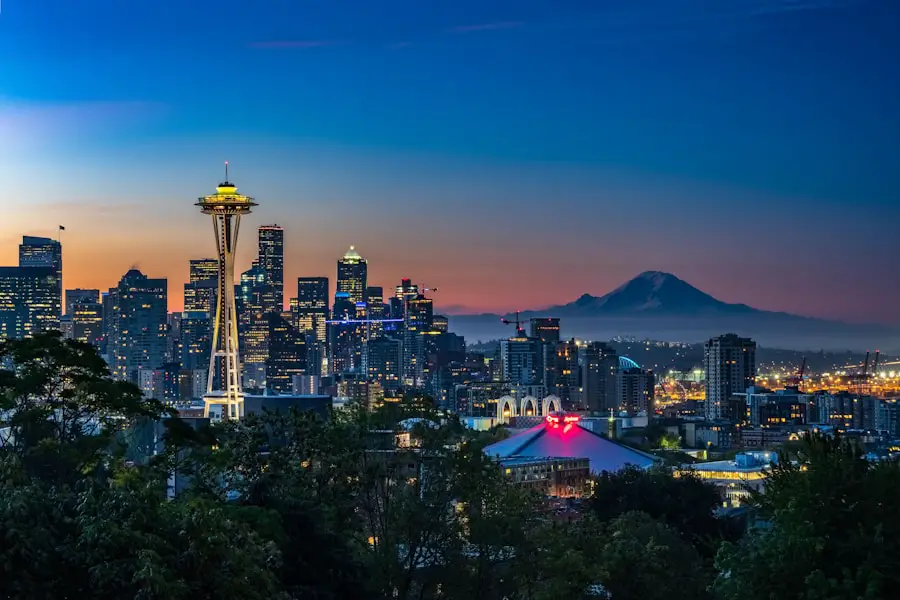
Seattle, nestled between the majestic Cascade Mountains and the shimmering waters of Puget Sound, boasts a climate as diverse as its vibrant culture. The city experiences a temperate maritime climate, characterized by mild, wet winters and warm, dry summers. Influenced heavily by the Pacific Ocean, temperatures remain relatively moderated throughout the year, avoiding the severe temperature extremes seen further inland. Understanding these distinct weather patterns is essential for planning an unforgettable trip to the Pacific Northwest.
Quick Answer
The best time to visit Seattle is during the summer months from July through September. During this period, Seattle experiences its sunniest, driest weather, with average highs in the mid-70s to low-80s°F (24–28°C), making it ideal for outdoor adventures, boat tours, and city festivals.
Key Takeaways
- Peak Season (July–August): Warmest, driest months with up to 16 hours of daylight, perfect for hiking and water activities.
- Shoulder Seasons (April–May & September–October): Mild weather, fewer crowds, blooming cherry blossoms in spring, and vibrant fall foliage.
- Low Season (November–March): Cool, rainy winter weather with daytime highs in the 40s°F, ideal for cozy indoor culture, coffee tasting, and lower lodging rates.
- Rainfall Reality: Seattle averages 39.3 inches of annual precipitation, but nearly 75% of it falls between October and March.
Disclosure: As an Amazon Associate I earn from qualifying purchases. Some links on this page are affiliate links, at no extra cost to you.
Spring: The Season of Blooming Cherry Blossoms
As winter recedes and spring emerges, Seattle transforms into a vibrant canvas of new color and life. One of the most iconic symbols of this transition is the blooming cherry blossom, which graces the city with delicate pink and white petals. The University of Washington Quad is internationally famous for its historic Yoshino cherry trees, attracting thousands of visitors each spring during the annual bloom period from late March through early April.
Beyond the cherry blossoms, spring brings a steady rise in temperatures and a reduction in heavy rainstorms. Average spring temperatures range from the mid-40s°F (7°C) in March to the mid-60s°F (18°C) by late May. Local farmers’ markets, such as the historic Pike Place Market, spring to life with early floral blooms, fresh produce, and local artisan goods that showcase the region’s rich agricultural bounty.
Pro Tip: Visit the University of Washington Quad early on a weekday morning (before 8:30 AM) during peak cherry blossom week to enjoy the blooms and take photos without the large afternoon crowds.
Spring is also an excellent time for nature lovers to explore low-elevation hiking trails before summer mountain snowmelt clears. Parks like Discovery Park, Lincoln Park, and the Washington Park Arboretum offer lush walking trails framed by blooming rhododendrons and fresh evergreen foliage.
Summer: Enjoying the Long Days and Outdoor Activities
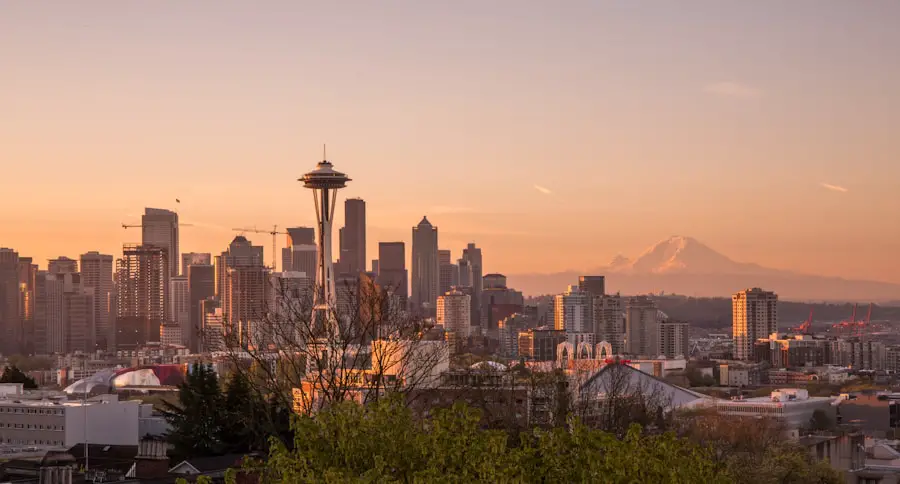
Summer in Seattle is widely regarded as the most pleasant time of year in the Pacific Northwest. With long daylight hours stretching past 9:00 PM in late June and July, residents and travelers take full advantage of the sunshine. According to official climate data from the NOAA National Centers for Environmental Information, July and August are Seattle’s driest months, averaging less than 1 inch of rain per month with pleasant average high temperatures around 75°F to 82°F (24–28°C).
“Seattle in July and August offers some of the most comfortable summer weather in North America—crisp morning breezes, warm afternoons without extreme humidity, and lingering golden-hour daylight.”
The city’s extensive waterfront areas come alive during summer. Visitors flock to Alki Beach in West Seattle for beach volleyball and paddleboarding, while Lake Union and Elliott Bay fill with sailboats, kayaks, and historic ferry trips. Summer is also prime time for iconic outdoor festivals, including the Seafair Summer Festival, the Seattle International Comedy Competition, and outdoor concert series at Marymoor Park and Chateau Ste. Michelle.
Fall: Witnessing the Beautiful Changing Colors of the Trees
As summer fades into autumn, Seattle undergoes another captivating transformation. The city’s extensive canopy of deciduous trees shifts into brilliant shades of crimson, burnt orange, and gold. While rain chances slowly increase by late October, early autumn weather remains mild and crisp, creating perfect conditions for urban foliage walks and scenic regional drives.
To help you plan your autumn leaf-peeping in and around Seattle, here is a guide to the best foliage locations and peak viewing windows across the city:
Seattle Fall Foliage Guide
| Location | Peak Color Window | Best Highlights |
| Washington Park Arboretum | Mid-October to Early November | Japanese Maples & Woodland Trails |
| Kubota Garden | Late October to Mid-November | Traditional Japanese Garden Bridges & Streams |
| Green Lake Park | Early October to Late October | Lakeside Loop Trail & Golden Poplars |
| Discovery Park | Mid-October to Late October | Bluff Views & Bigleaf Maples |
Autumn also brings agricultural harvest celebrations throughout King and Snohomish Counties. Local pumpkin patches, corn mazes, and apple orchards offer festive weekend activities for families, while local breweries celebrate the region’s famous hop harvest with seasonal Oktoberfest and fresh-hop beer releases.
Winter: Embracing the Cozy Atmosphere and Holiday Festivities
Winter in Seattle offers a cozy atmosphere defined by festive lighting, indoor culinary exploration, and serene coastal views. While winter temperatures consistently hover between daytime highs in the mid-40s°F (7–9°C) and overnight lows in the mid-30s°F (2–4°C), actual freezing temperatures and heavy snowstorms are rare at sea level due to warm marine air currents from Puget Sound.
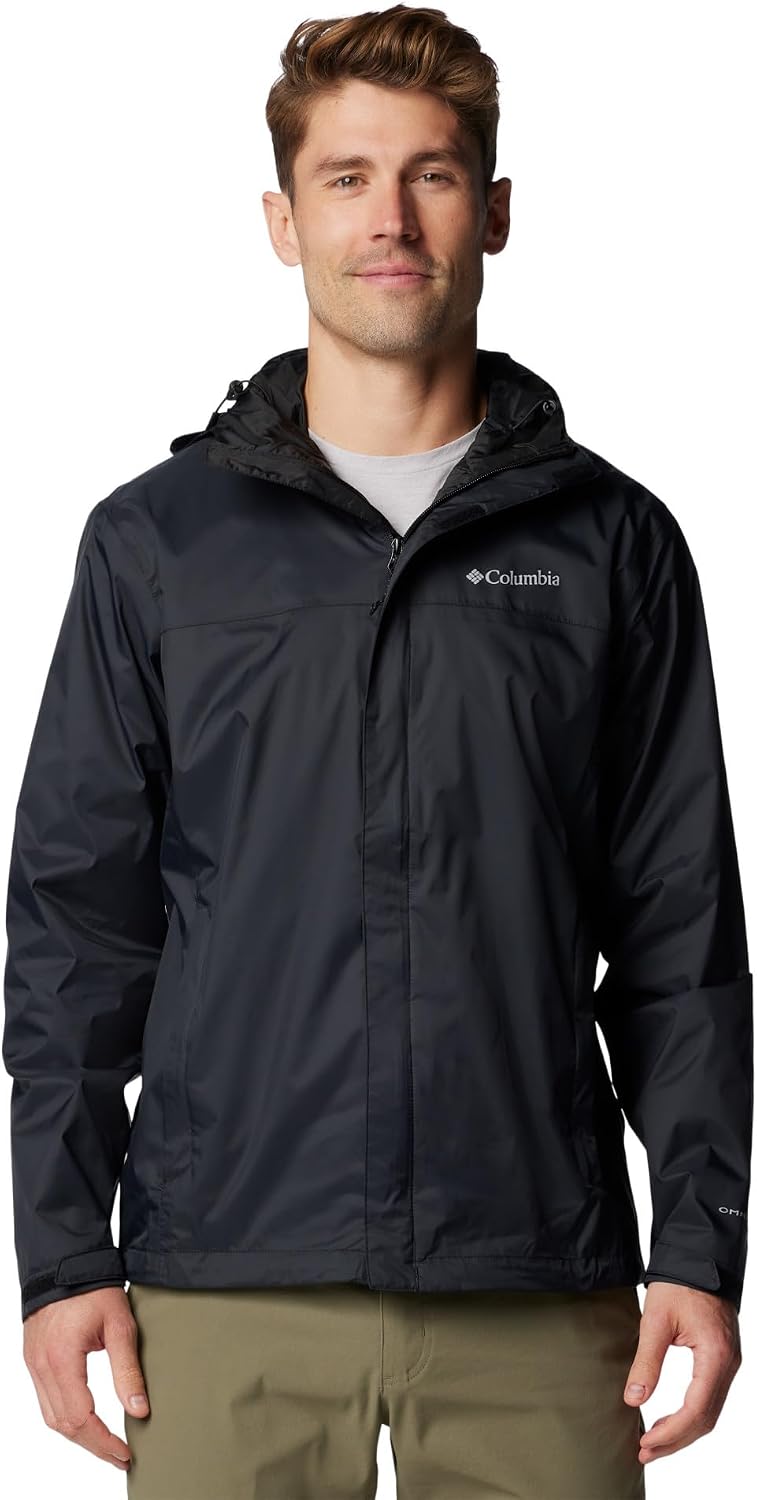
Note: Winter is Seattle’s rainiest season in terms of frequency, but the precipitation usually takes the form of steady light drizzle or mist rather than heavy downpours. A quality waterproof rain jacket is essential.
Winter is the best season for travelers looking for budget-friendly accommodation rates and shorter lines at top attractions like the Space Needle, Chihuly Garden and Glass, and the Seattle Aquarium. During the holiday season, Pike Place Market and Westlake Center feature elaborate light displays, while the Seattle Christmas Market and the Argosy Cruises Christmas Ship Festival bring festive cheer across local waters.
Best Time for Outdoor Activities
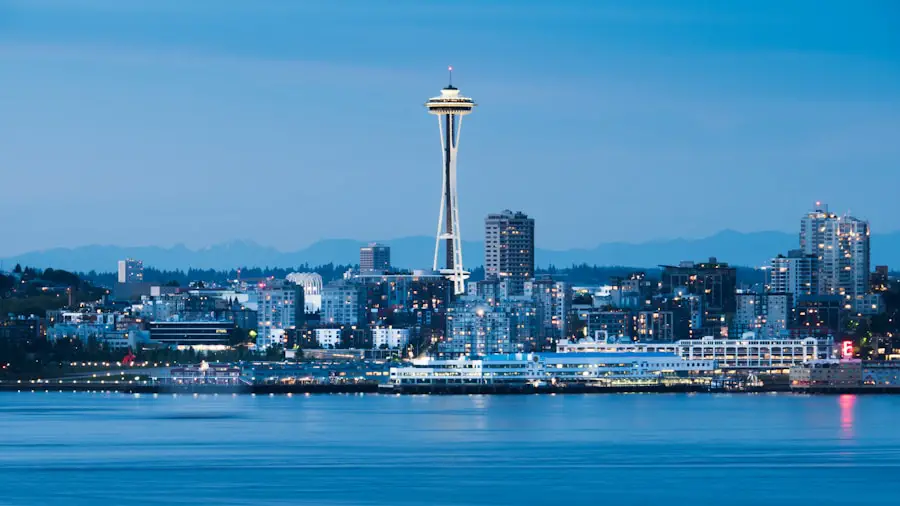
For outdoor enthusiasts planning hikes, alpine climbs, or water sports, timing is critical. Summer (July through September) provides optimal wilderness conditions. Snowmelt is typically complete on major trails in Mount Rainier National Park and North Cascades National Park by mid-July, opening up thousands of miles of subalpine trails lined with blooming wildflowers.
Warning: High-altitude mountain passes and trails in the Cascade Range can remain snow-covered well into late June. Always check trail conditions with the National Park Service or US Forest Service before heading out in late spring or early summer.
If you prefer kayaking or paddleboarding, Lake Washington, Puget Sound, and Lake Union offer calm, protected waters during the summer months. For winter sports lovers, world-class ski resorts such as Snoqualmie Pass, Stevens Pass, and Crystal Mountain offer snowboarding, alpine skiing, and snowshoeing just 1 to 2 hours drive from downtown Seattle.
Best Time for Cultural Events and Festivals
Seattle hosts a diverse lineup of world-class arts, cultural, and food festivals throughout the entire calendar year:
- Spring: Features Sakura-Con (one of the nation’s premier anime conventions) and the Seattle International Film Festival (SIFF), showcasing independent films from around the globe.
- Summer: Highlights include Bite of Seattle (celebrating local Pacific Northwest cuisine), Seattle PrideFest, and Seafair hydroplane races and air shows over Lake Washington.
- Fall: Features the Earshot Jazz Festival, regional harvest festivals, and fresh-hop craft beer celebrations across local neighborhood breweries.
- Winter: Features Winterfest at Seattle Center, featuring outdoor ice skating, holiday light installations, and live cultural music performances.
Choosing the Perfect Time to Visit Seattle
Choosing the best time to visit Seattle ultimately comes down to your personal travel priorities. According to travel data from Visit Seattle, summer remains the undisputed peak season for warm weather, outdoor recreation, and vibrant waterfront nightlife. However, shoulder seasons (May–June and September–October) offer a sweet spot of mild weather, moderate hotel prices, and manageable tourist crowds at iconic sights.
Whether you come to see the spring cherry blossoms, hike alpine trails under the summer sun, photograph autumn foliage, or enjoy winter’s cozy coffee culture, Seattle offers a rewarding Pacific Northwest getaway in every season.
Frequently Asked Questions
What is the overall best time to travel to Seattle?
The best time to travel to Seattle is from July through September. During these summer months, Seattle experiences its warmest temperatures (averaging 75–82°F / 24–28°C), the lowest rainfall of the year, and long daylight hours perfect for sightseeing.
What is the weather like in Seattle during summer?
Summer weather in Seattle is exceptionally pleasant and comfortable. Average daytime highs hover in the mid-70s to low-80s°F, humidity remains low, and precipitation drops significantly, averaging less than one inch per month in July and August.
Are there specific festivals to consider when planning a trip?
Yes. Major annual events include the University of Washington Cherry Blossom Festival (late March), the Seattle International Film Festival (May), Seafair and Bite of Seattle (July/August), and the Seattle Christmas Market (November/December).
What are popular outdoor activities during peak travel season?
Popular summer outdoor activities include hiking in nearby Mount Rainier or Olympic National Parks, kayaking on Lake Union, taking scenic Washington State Ferry rides across Puget Sound, and relaxing on Alki Beach.
Is it recommended to book accommodations in advance for a summer trip?
Yes, booking hotel accommodations and popular activities well in advance is highly recommended for summer travel. July and August represent peak tourism season in Seattle, leading to high hotel occupancy and premium rates across the city.
Sources
- NOAA National Centers for Environmental Information — Official 1991–2020 U.S. Climate Normals for Seattle-Tacoma International Airport.
- Visit Seattle Official Tourism Information — Regional tourism data, festival calendars, and seasonal travel advisories.
- University of Washington — Information on Yoshino cherry blossom history, Quad bloom tracking, and campus events.
- National Park Service: Mount Rainier National Park — High-altitude trail conditions, seasonal weather advisories, and wilderness recreation guides.