
Last Updated on September 10, 2026 by Daniel Globe
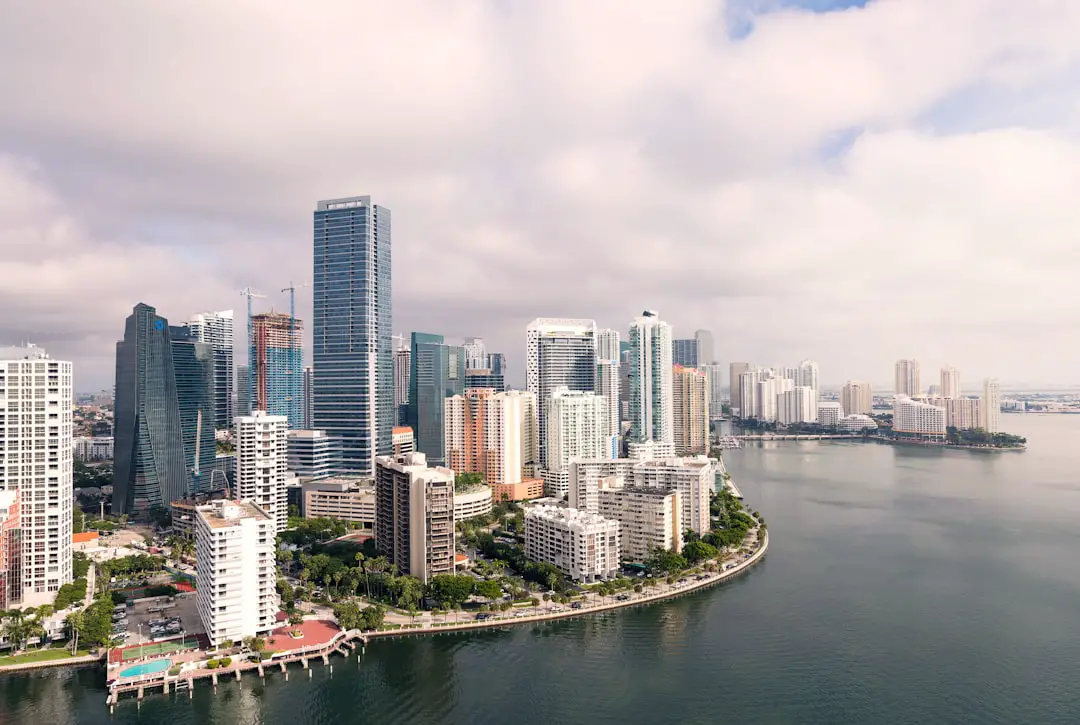
Miami is renowned for its tropical monsoon climate, characterized by warm temperatures and high humidity throughout the year. The city experiences two primary weather periods: a wet season from May to October and a dry season from November to April. Whether you are looking for sun-drenched beach days, world-class cultural events, or budget-friendly hotel deals, understanding Miami’s seasonal rhythms is key to planning the perfect trip.
Quick Answer
The overall best time to visit Miami is from November through April. During these dry season months, you will experience sunny skies, low humidity, and pleasant daytime temperatures between 73°F and 82°F (23°C–28°C). This period is ideal for beaches, outdoor dining, and festivals, though hotel rates are at their peak.
Key Takeaways
- Peak Season (Dec–Apr): Offers the best weather with mild temperatures and minimal rainfall, but brings larger crowds and peak hotel pricing.
- Off-Peak Season (May–Nov): Brings sweltering heat, high humidity, and frequent afternoon thunderstorms, but offers major discounts on accommodations.
- Shoulder Season (May & Oct–Nov): Provides an excellent middle ground with manageable crowds, reasonable rates, and comfortable weather.
- Major Events: Flagship cultural gatherings include Art Basel (December), the Miami International Boat Show (February), Ultra Music Festival (March), and Calle Ocho (March).
Disclosure: As an Amazon Associate I earn from qualifying purchases. Some links on this page are affiliate links, at no extra cost to you.
Miami Climate Overview & Monthly Weather
During the wet season, Miami sees frequent afternoon thunderstorms. These downpours can be intense but are typically brief, allowing sunny skies to return shortly after. Average temperatures during this period hover in the mid-to-upper 80s Fahrenheit (29°C–32°C), with humidity levels that make conditions feel noticeably hotter.
In contrast, the dry season offers a milder climate with average highs in the low 70s to mid-80s Fahrenheit (24°C–29°C). Lower humidity levels and minimal rainfall make winter and early spring ideal for outdoor exploration. According to climate metrics tracked by the National Weather Service, winter months represent Miami’s sunniest and driest stretch of the year.
| Month | Avg High (°F / °C) | Avg Low (°F / °C) | Rainy Days | Season Type |
|---|---|---|---|---|
| Jan – Feb | 76°F / 24°C | 62°F / 17°C | 6 days | Peak (Dry) |
| Mar – Apr | 80°F / 27°C | 67°F / 19°C | 6 days | Peak (Dry) |
| May | 85°F / 29°C | 73°F / 23°C | 10 days | Shoulder |
| Jun – Aug | 89°F / 32°C | 77°F / 25°C | 15 days | Off-Peak (Wet) |
| Sep – Oct | 86°F / 30°C | 75°F / 24°C | 14 days | Off-Peak / Shoulder |
| Nov – Dec | 78°F / 26°C | 66°F / 19°C | 6 days | Peak (Dry) |
Peak Tourist Season in Miami
When to Expect the Crowds
The peak tourist season in Miami runs from late December through April, coinciding directly with the dry season. This period attracts visitors from around the world, including winter “snowbirds” escaping colder northern climates and college students or families visiting during spring break.
What to Expect During Peak Season
Miami’s oceanfront beaches, nightlife, and dining venues operate at full capacity during these months. Hotels and resorts report high occupancy rates, which drives up room pricing for accommodations and rental cars. Prominent travel statistics from the Greater Miami Convention & Visitors Bureau highlight winter as the city’s highest revenue period for tourism.
Tips for Navigating the Crowds
While the city energy is vibrant during winter, travelers should anticipate longer wait times at top restaurants and popular tourist sites. Making hotel reservations months in advance and booking dinner tables early is strongly advised to secure access to preferred locations.
Off-Peak Season in Miami
The off-peak travel season in Miami takes place from May to mid-November, when weather conditions grow hotter and more humid. This shift leads to lower tourist numbers, reduced hotel prices, and shorter lines at major city attractions, making it appealing for budget-focused travelers.
While summer temperatures frequently cross 90°F (32°C) with elevated heat index values, visitors can enjoy indoor cultural spaces or plan outdoor beach outings during cooler morning and evening hours. Off-peak travel also brings seasonal culinary promotions like Miami Spice (August through September), which allows diners to experience top-tier restaurants through discounted three-course prix-fixe menus.
Warning: Official Atlantic hurricane season runs from June 1 through November 30, with heightened storm activity historically occurring between August and October. If traveling during this window, purchase flexible travel insurance and monitor storm developments via the National Hurricane Center.
Special Events and Festivals in Miami
| Event Name | Month Held | Primary Location | Estimated Attendance |
|---|---|---|---|
| Miami International Film Festival | March | Downtown Miami | 50,000+ |
| Art Basel Miami Beach | December | Miami Beach Convention Center | 70,000+ |
| Ultra Music Festival | March | Bayfront Park | 165,000+ |
| Calle Ocho Festival | March | Little Havana | 1,000,000+ |
Miami hosts international festivals across the calendar. Art Basel Miami Beach in December transforms the city into a global art capital, bringing together galleries, private collectors, and satellite art fairs. In February, the Miami International Boat Show showcases cutting-edge marine design, while March features Carnaval Miami and the famous Calle Ocho street festival in Little Havana.
Best Time for Outdoor Activities in Miami
For outdoor recreation, the dry winter season (November to April) is optimal. Low rainfall and moderate humidity make hiking and wildlife viewing enjoyable in nearby parks like Everglades National Park and Biscayne National Park.
Water sports such as kayaking, paddleboarding, and reef snorkeling are popular during these months due to clear water and comfortable temperatures. Outdoor sporting events, including the Miami Open tennis tournament in March, also draw sports fans to the area.
Pro Tip: If visiting Everglades National Park during your trip, plan your tour between December and April. Lower water levels during the dry season concentrate wildlife, making it easier to spot alligators, wading birds, and manatees along the trails.
Budget-Friendly Travel Times in Miami

Travelers looking to maximize value should target the off-peak months between May and November. During late spring, summer, and early autumn, hotels feature significant rate drops, and airlines frequently list promotional fares into Miami International Airport (MIA) and Fort Lauderdale-Hollywood International Airport (FLL).
Local cultural centers, art galleries, and museums—including the Pérez Art Museum Miami (PAMM) and the Frost Museum of Science—often feature seasonal discount entry passes or free community admission days during off-peak periods.
Tips for Avoiding Crowds in Miami
To experience Miami with fewer crowds regardless of the month you choose, consider these travel strategies:
- Visit Beaches Early: Arrive at popular stretches like South Beach or Mid-Beach before 10:00 AM to enjoy calm ocean waters before peak afternoon visitors arrive.
- Explore Neighborhoods on Weekdays: Cultural districts such as Wynwood, Design District, and Little Havana are far less congested Monday through Thursday.
- Discover Local Parks: Seek out quieter coastal spots like Matheson Hammock Park or Crandon Park on Key Biscayne for a relaxed day outdoors.
The Ideal Time to Visit Miami
Determining the ideal time to visit Miami comes down to personal travel priorities. Peak winter months deliver optimal sunshine and mild temperatures for beach lovers, while the off-peak summer and shoulder seasons provide affordable rates and an opportunity to explore local culture with fewer crowds.
Frequently Asked Questions
What is the overall best time of year to visit Miami, Florida?
The best time to visit Miami is during the winter months, from December to February (and extending through April), when temperatures are mild, rainfall is minimal, and humidity remains comfortable.
What is the weather like in Miami throughout the year?
Miami has a tropical monsoon climate with warm, dry winters (average highs around 75°F–80°F) and hot, humid summers (average highs reaching 88°F–90°F) accompanied by frequent afternoon downpours.
Are there specific festivals that make certain times better for visiting?
Yes. Popular winter and spring events include Art Basel Miami Beach in December, the Miami International Boat Show in February, and both the Ultra Music Festival and Calle Ocho Festival in March.
Is there a hurricane season in Miami that travelers should keep in mind?
Yes, Atlantic hurricane season officially runs from June 1st to November 30th. Travelers visiting during summer and early autumn should monitor tropical weather outlooks and consider travel insurance.
When are peak tourist prices highest in Miami?
Peak pricing for hotels and rental cars occurs between late December and April, particularly during major holidays, Art Basel week, and March spring break periods.
Sources
- National Weather Service (Miami Office) — Climate and precipitation statistics for South Florida.
- NOAA National Hurricane Center — Tropical cyclone seasonal data and safety tracking guidelines.
- Greater Miami Convention & Visitors Bureau — Official Miami tourism insights and event calendars.
- National Park Service — Seasonal visitor planning for Everglades National Park.
